
On 18th February 1531, Richard Roose — a cook in the household of Bishop John Fisher — put something into the porridge served to Fisher and sixteen dinner guests. Two people died: Bennet Curwen, a gentleman in Fisher’s household, and Alice Tryppt, a destitute widow who had come to the bishop’s door for charity. Fisher himself survived only because he had chosen to fast that day.
Roose claimed he had put purgatives into the food as a prank. He said he had not meant to kill anyone.
The Horror
Fisher was one of Henry VIII’s most prominent opponents — a public supporter of Catherine of Aragon who openly resisted the King’s plans to annul the marriage. The attempted poisoning of such a high‑profile enemy exploded into news. The imperial ambassador Eustace Chapuys noted that Henry seemed unusually eager to see Roose punished as severely as possible, and even wondered if the King was using Roose’s spectacular punishment to deflect suspicion from himself or his allies.
Henry appeared in person in the House of Lords and spoke for more than an hour against the crime of poisoning. Within days, Parliament passed the “Acte of Poysonyng”, making poisoning a form of high treason punishable by being boiled to death. Roose was the first person it was applied to. His case also showed how far the crown was willing to go with parliamentary attainder — having Parliament declare someone guilty by statute, without the protections of a common‑law trial, a jury, or any real defence.
On 5th April 1531, Roose was boiled alive at Smithfield before a large crowd. A contemporary account describes what happened: “He roared mighty loud, and divers women who were big with child did feel sick at the sight of what they saw, and were carried away half dead; and other men and women did not seem frightened by the boiling alive, but would prefer to see the headsman at his work.” The crowd found it so appalling that they said they would rather have watched a beheading.
Edward VI repealed the boiling statute almost immediately on coming to the throne in 1547. It was deemed too extreme even by Tudor standards. The legal weapon it had helped normalise — the use of attainder to destroy enemies without trial — remained. Henry VIII went on to use it against Anne Boleyn, Thomas Cromwell, Katherine Howard, and dozens more.
The Modern Relic
Smithfield in London is now dominated by the meat market and modern buildings. The place where Roose was boiled alive lies only a few hundred metres from where carcasses are processed and sold every morning. Walk through at dawn and the white steam drifting out of the market is exactly as thick as you’d imagine — a visual echo for a punishment even 16th‑century London decided it didn’t want to see again.
Nearby on the Dark Atlas
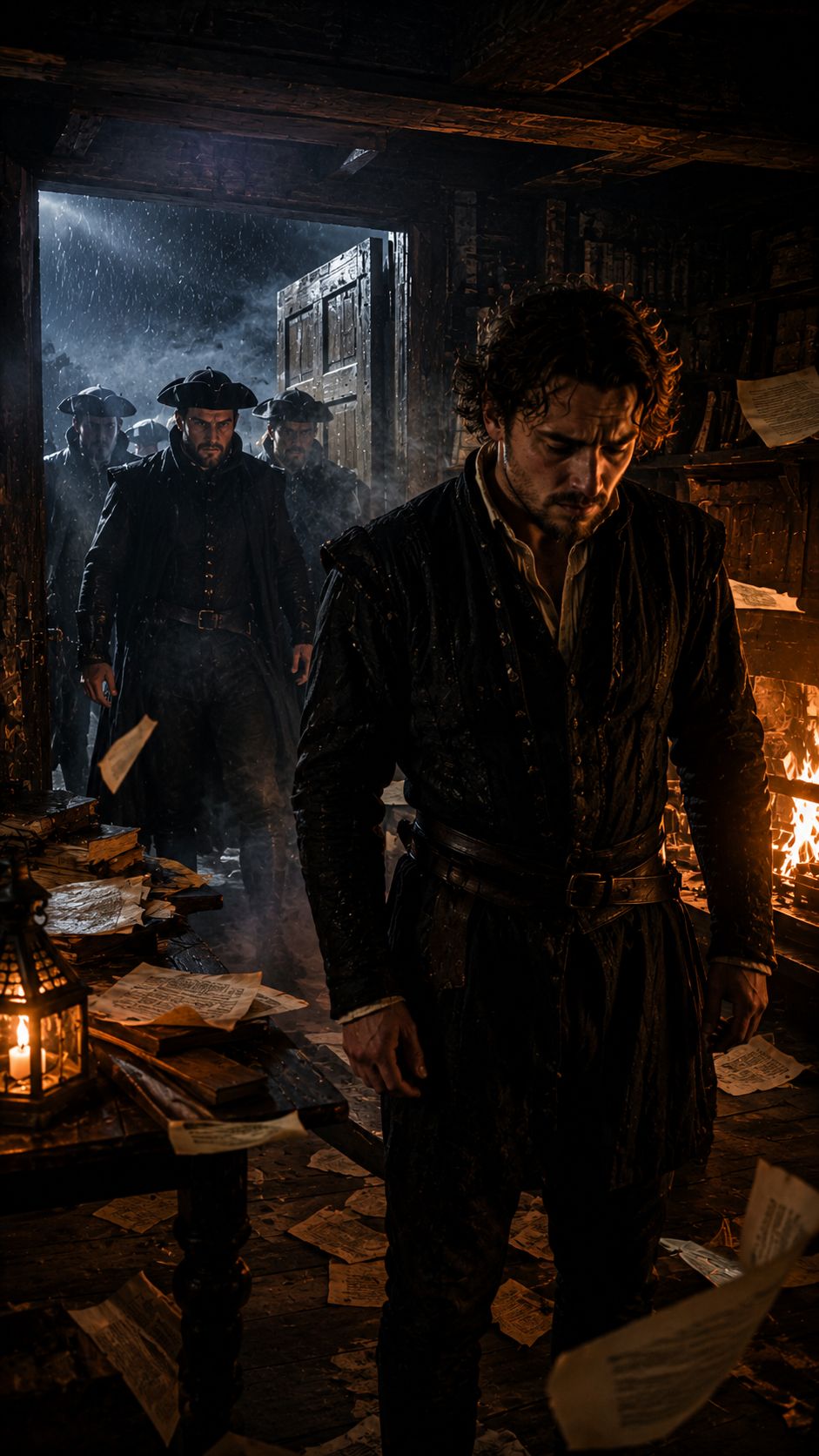 Starved Into Martyrdom at Charterhouse
Henry VIII chose slow starvation over swift execution to break England's most devout holdouts.
Smithfield, London, United Kingdom · 1535 · same site
- The Queen Who Burned Nearly Three Hundred Subjects
Determined to restore Catholic rule, she made denying doctrine a capital offence and lit the fires herself.
Smithfield, London, United Kingdom · 1556 · same site
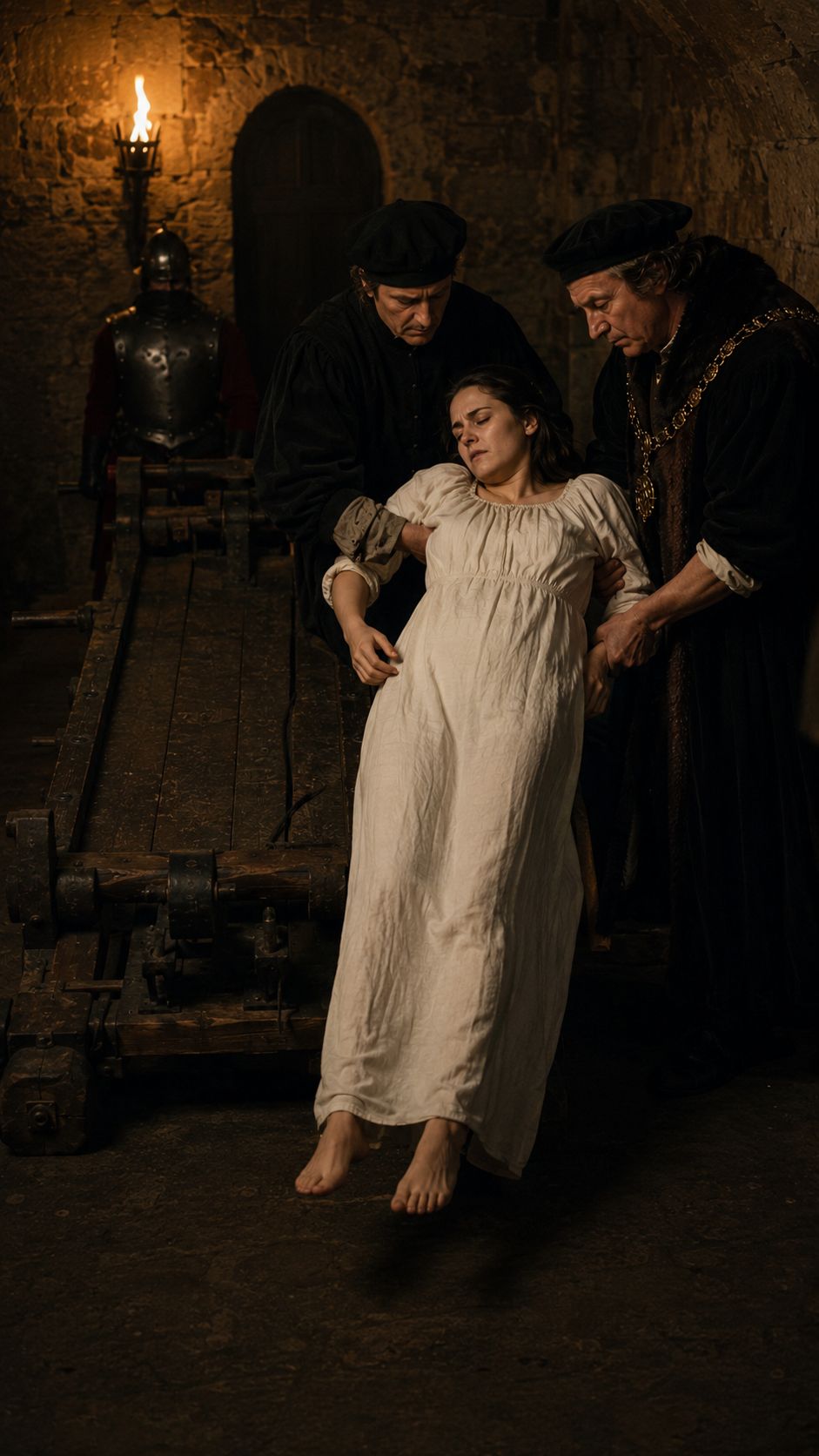 The Only Woman Tortured In The Tower
A young gentlewoman out-debated bishops in open court, then became the only woman ever recorded tortured in the Tower of London.
London, United Kingdom · 1546 · same site
- The Rebel Woman Burned for Treason
A law meant to spare women from the executioner's blade instead condemned her to the flames.
Smithfield, London, United Kingdom · 1537 · same site