Few people in history have been called a saint and a traitor by the same country within the space of five years. Roger Casement managed exactly that — and the argument over which he truly was has never fully died.
He was born near Dublin in 1864 and made his early name in the service of the British Empire, working as a consul in Africa and South America. It was there, in the service of the Crown, that he did the work that should have made him a permanent hero. Sent to investigate conditions in the Congo Free State — the vast private domain of King Leopold II of Belgium — Casement produced, in 1904, a report that changed how the world saw European empire. In cold, careful, unbearable detail he documented the system that ran Leopold’s rubber trade: villages burned, hostages taken, forced labour, mass killing, and the notorious punishment of severing the hands of men, women and children who failed to meet their rubber quotas. His Congo Report helped ignite an international scandal and forced reform on one of the great crimes of the age.
A few years later he did it again, on another continent. Sent to the Putumayo region of the Amazon, he exposed almost identical horrors — the enslavement, torture and slaughter of indigenous people by a British-registered rubber company. Twice over, Roger Casement had walked into the machinery of imperial profit and written down, name by name and atrocity by atrocity, what it did to the powerless. He is rightly counted among the founders of modern human-rights investigation. In 1911 a grateful Crown knighted him: Sir Roger Casement. But the things he had seen changed the man who saw them. Someone who has spent his life recording what empires do to people without power does not easily go home and salute the flag. Casement, himself Irish, came increasingly to see his own country as another colony, and he turned against the empire he had served. He threw himself into the cause of Irish independence, and when the First World War broke out he went to Germany — Britain’s enemy — to try to raise guns, and even a brigade of Irish prisoners of war, for an armed rising back home.
The Horror
In April 1916, on the eve of the Easter Rising, a German submarine surfaced off the coast of County Kerry and put Casement ashore in a small boat at Banna Strand. He was sick with malaria, exhausted, and almost immediately spotted and arrested. He was taken to London and tried for high treason — and there the law closed around him in a way that has troubled jurists ever since. The whole prosecution rested on the Treason Act of 1351, a statute written in medieval Norman French, nearly six centuries old, and crucially set down without punctuation. The case turned on how one clause of that ancient, unpunctuated text should be read — specifically, whether treason committed outside the realm counted at all. The prosecution’s interpretation required a comma to be understood in precisely the right place. Casement’s defenders protested that a man’s life was being decided by the imagined placing of a punctuation mark, and the phrase attached itself to the case forever: he was, they said, hanged on a comma.
As he waited on the verdict and the appeals, the British authorities did something quieter and, in its way, crueller. They began circulating among journalists, sympathetic MPs and influential churchmen typed pages said to be copied from Casement’s private journals — the so-called Black Diaries — filled with explicit descriptions of homosexual encounters. Whether those diaries were genuinely his or forged to destroy any sympathy for him is a question still seriously argued by historians today; some forensic examinations conclude they are authentic, others suspect fabrication or manipulation. What is not in doubt is their effect. Campaigns for mercy — and there were many, in Britain, in Ireland and across America — quietly drained away as the whispers spread. A man whom many had wanted to reprieve was left to hang.
He met his end with extraordinary composure. In his final days in Pentonville Prison he was received into the Catholic Church, the faith he said he had wanted all his life, and he faced the morning of 3 August 1916 calm and unbroken. He walked to the scaffold firmly. The hangman that day was John Ellis, one of the most experienced executioners in Britain, a man who had ended many lives — and Ellis is reported afterward to have said that Casement was the bravest man it had ever fallen to his unhappy lot to execute. It is a remarkable tribute from such a source. Then, as the law demanded for a convicted traitor, Casement’s body was buried in quicklime within the prison walls, in unconsecrated ground. He had asked, if he must die, to be laid to rest at Murlough Bay in County Antrim, in the north of the island he loved. Britain refused even that.
The Modern Relic
For nearly half a century the British state kept his bones. Then, in 1965, after decades of requests from Dublin, his remains were finally handed back. Ireland gave him a state funeral. His body lay in state, tens of thousands filed past, and an old, nearly blind Éamon de Valera — himself a commander in 1916 — rose to honour him. Sir Roger Casement lies today in the Republican plot at Glasnevin Cemetery in Dublin, a short walk from the other founders of the modern Irish state. You can visit the grave. You can also walk out onto the wide sands of Banna Strand in Kerry, where a memorial now stands near the spot the submarine left him, and look out at the same grey sea that carried him home to his death. Two countries, one man, and still, a century on, no settled answer to the only question that ever mattered about him: did they hang a hero, a traitor, or someone who was quietly, painfully both?
Nearby on the Dark Atlas
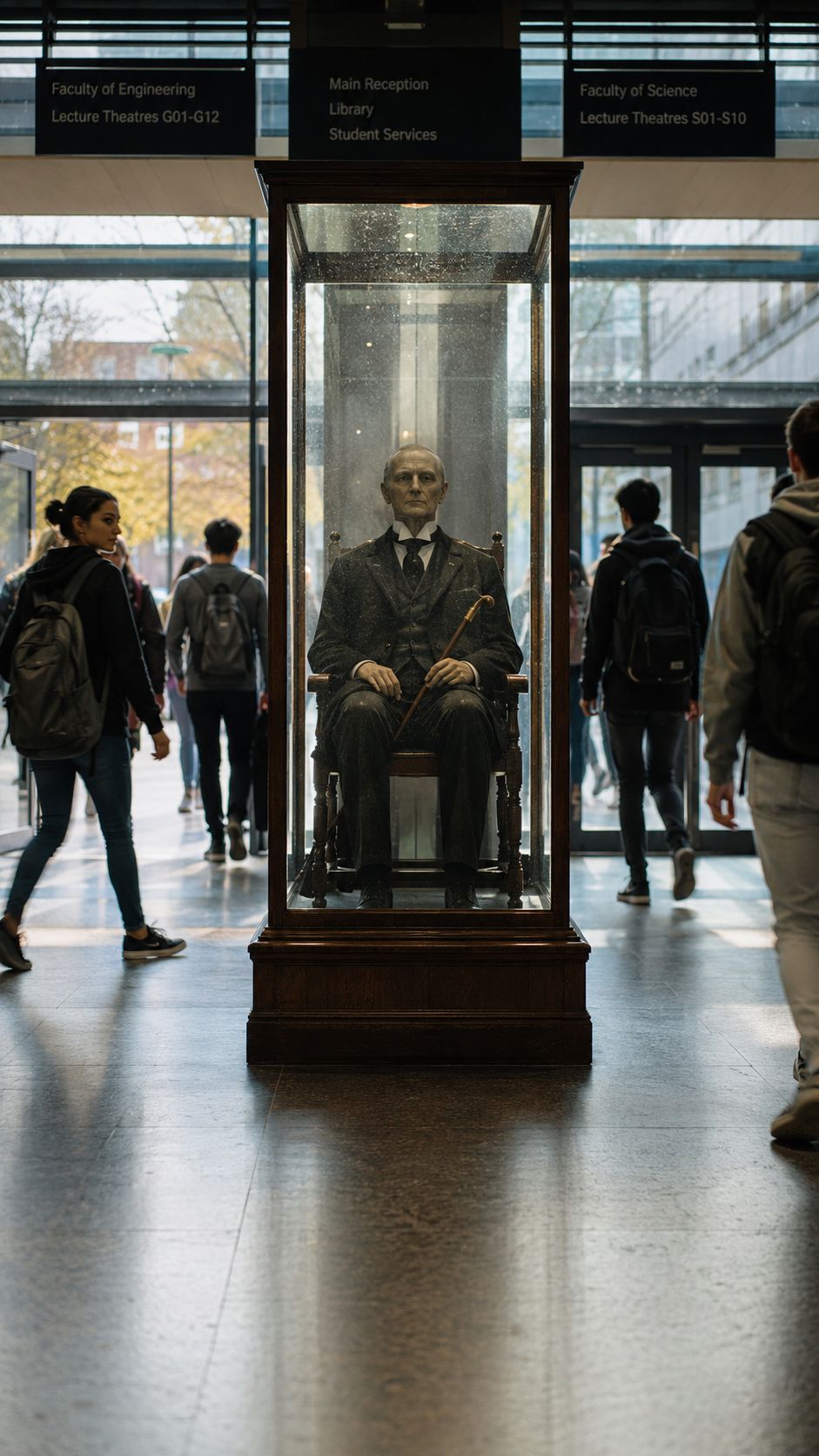 The Philosopher Who Attends His Own Meetings
He carried glass eyes in his pocket for years, waiting to have his own preserved skeleton put on permanent display.
London, United Kingdom · 1832 · 2.1 km away
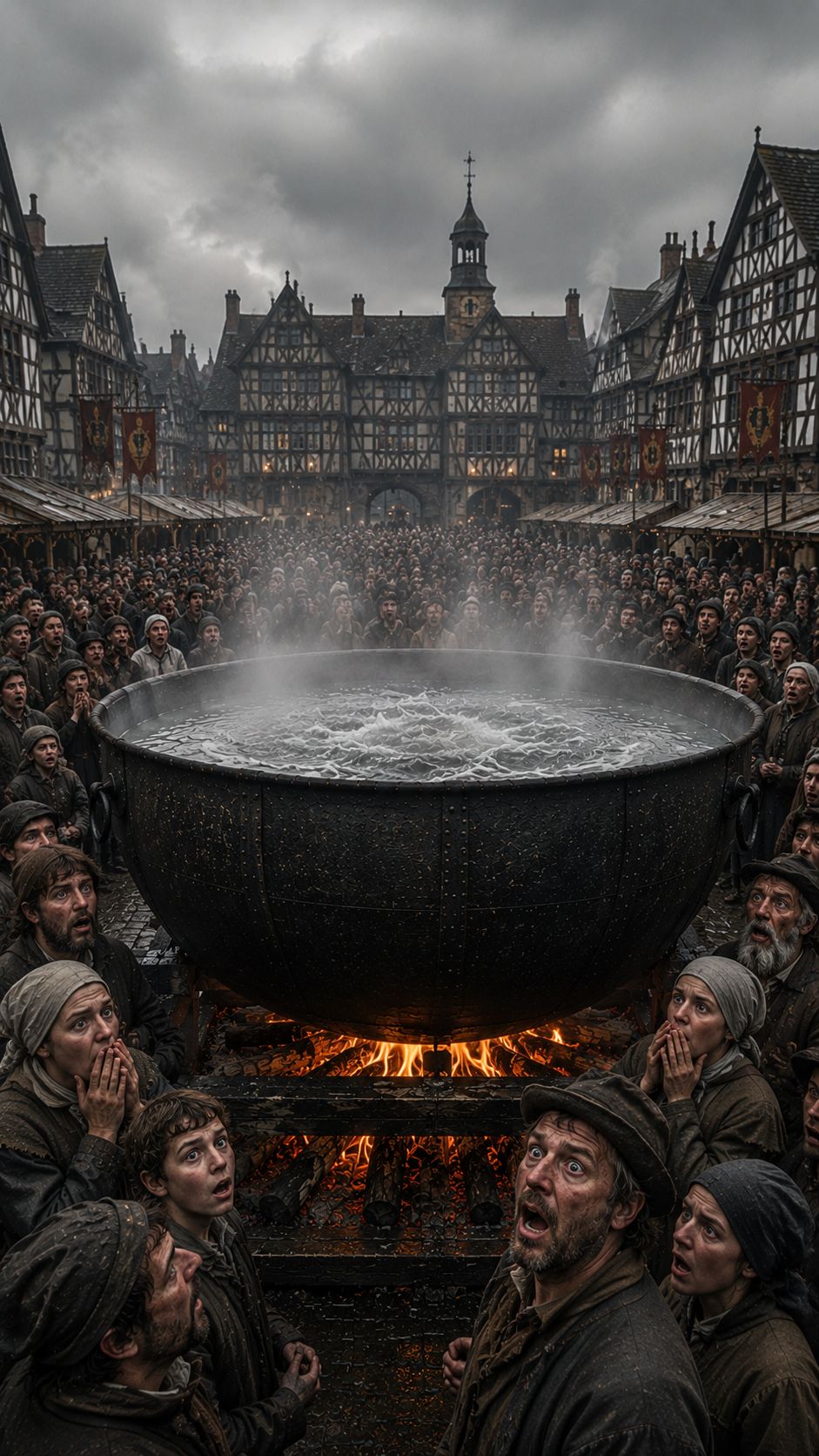 Boiled Alive for Poisoning a Bishop's Porridge
A prank with purgatives killed two people and earned the cook a punishment so brutal England abolished it soon after.
Smithfield, London, United Kingdom · 1532 · 2.9 km away
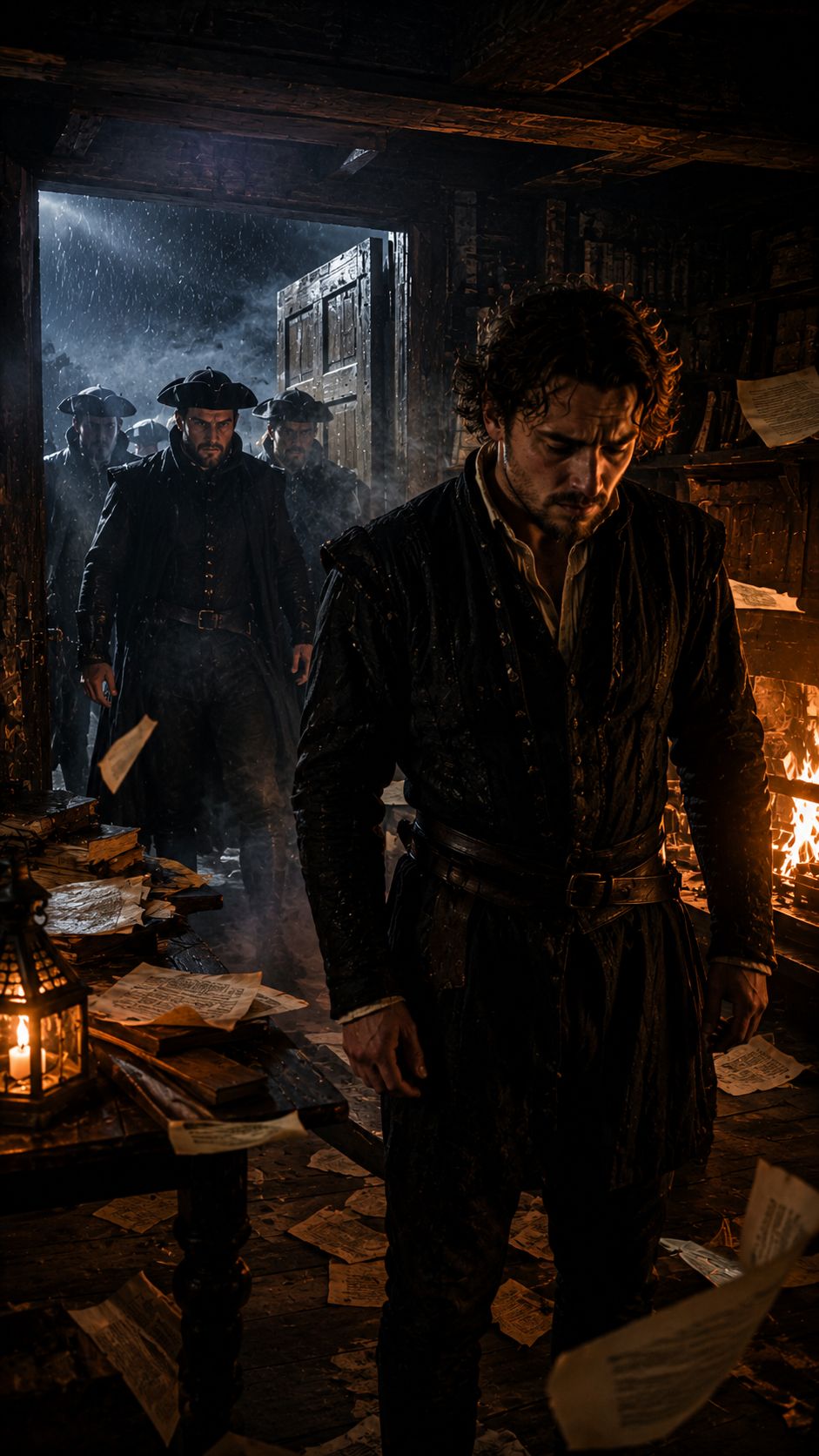 Starved Into Martyrdom at Charterhouse
Henry VIII chose slow starvation over swift execution to break England's most devout holdouts.
Smithfield, London, United Kingdom · 1535 · 2.9 km away
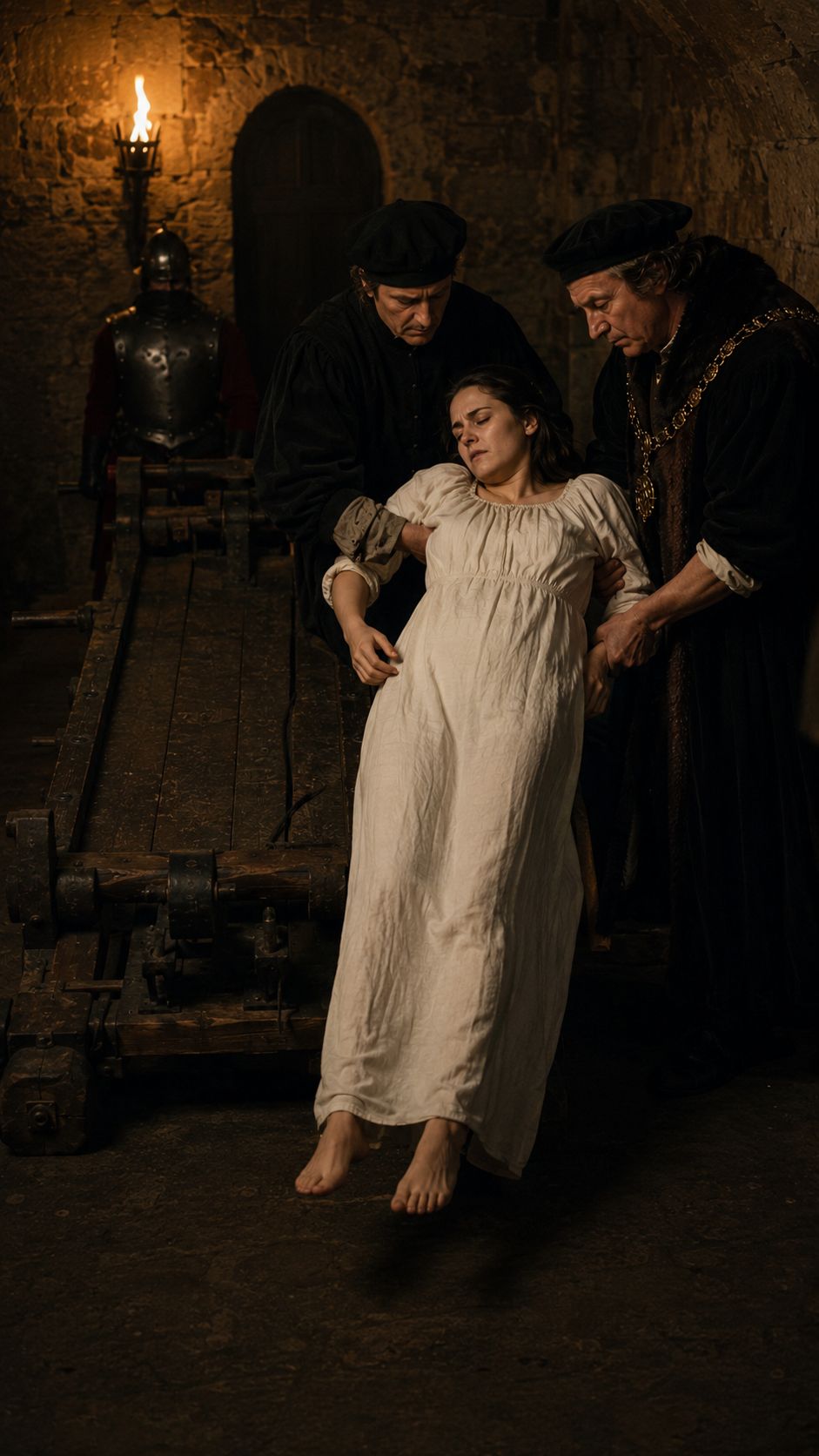 The Only Woman Tortured In The Tower
A young gentlewoman out-debated bishops in open court, then became the only woman ever recorded tortured in the Tower of London.
London, United Kingdom · 1546 · 2.9 km away