On the morning of 28th June 1914, Archduke Franz Ferdinand — heir to the Austro‑Hungarian throne — rode through Sarajevo in an open‑top car. Along his route on Appel Quay, six young conspirators from a Bosnian Serb nationalist network known as the Black Hand waited with bombs and pistols.
The first assassin lost his nerve and did nothing as the car passed. The second, Nedeljko Čabrinović, threw a bomb. It bounced off the folded roof at the back of the Archduke’s car, rolled under the following vehicle and exploded — injuring bystanders and officers but missing the Archduke entirely.
The driver accelerated. The motorcade sped away. The remaining assassins — including a 19‑year‑old named Gavrilo Princip — scattered, convinced the plot had failed.
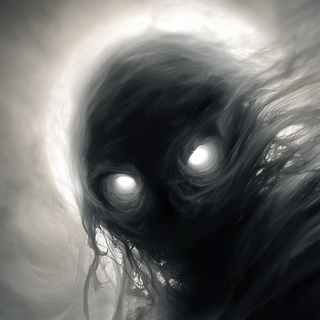
The Horror
Franz Ferdinand reached the City Hall furious but unhurt. He delivered a speech, then insisted on visiting the hospital to see the men wounded by the bomb.
His chauffeur, Leopold Lojka, was given new instructions: avoid Appel Quay, which felt exposed after the attack, and take a safer route along the river that did not involve turns.
What happened next is the hinge of the 20th century.
Lojka either misunderstood or forgot the new plan. As the car moved back along Appel Quay, he turned right onto Franz Josef Street — the original route, not the revised one — bringing the Archduke’s car toward the Latin Bridge and past Moritz Schiller’s delicatessen.
Someone in the car shouted that they were going the wrong way. Lojka braked. He began to reverse. In doing so, he stalled the engine. The car rolled to a stop on a street corner.
Gavrilo Princip was standing right there.
He had walked away after the failed bombing attempt and ended up outside Schiller’s — whether to eat or simply to stand where he still expected the motorcade to pass is disputed, but he was on that corner at that moment. The car carrying the man he had come to kill had just stopped within a few feet of him.
Princip stepped forward. He drew his Browning pistol. He fired twice.
The first bullet struck Franz Ferdinand in the neck, severing the jugular vein. The second hit Sophie, the Archduke’s wife, in the abdomen. She had not been a planned target.
Franz Ferdinand turned to her. His last recorded words: “Sophie, Sophie! Don’t die! Stay alive for our children.” Both were dead within minutes.
THE HORROR AFTER
The Horror
Austria‑Hungary blamed Serbia. It sent a harsh ultimatum. Serbia accepted most terms but rejected key demands. Austria‑Hungary declared war. Russia mobilised to protect Serbia. Germany mobilised to support Austria‑Hungary. France mobilised to support Russia. Germany invaded Belgium to outflank French defences. Britain declared war to honour its guarantee to Belgium.
Within weeks of a wrong turn on a street corner in Sarajevo, much of Europe was at war.
The First World War killed roughly 20 million people through combat, famine and pandemic. The peace treaty that ended it — Versailles — imposed punitive terms on Germany, contributing to economic collapse and political radicalisation. Out of that crisis came Adolf Hitler and the Nazi regime. The Second World War killed around 70 million more.
One wrong turn. Two bullets. Tens of millions dead, and a century reshaped.
The Modern Relic
The corner where Lojka stalled the car sits near the intersection of the Appel Quay and what is now Green Berets Street in Sarajevo, beside the Latin Bridge. The building that housed Schiller’s delicatessen still stands, now occupied by the Museum of Sarajevo, which holds photographs, documents and a replica of the car.
During the Yugoslav period, Princip’s footprints were cast into the pavement to mark the spot where he stood. After the wars of the 1990s, the plaques and footprints were removed or redesigned as politics shifted. The exact impressions are gone. The corner is not.
Pedestrians cross the street; trams pass; cafés serve sandwiches and coffee. The river flows under Latin Bridge as it did that morning. The turn that should never have been taken is built into the city’s geometry.
The driver who should have gone straight turned right. The assassin who should have given up did not leave. The 20th century — world wars, revolutions, the Holocaust, the atomic bomb, the Cold War — followed that stalled engine at a café.
Nearby on the Dark Atlas
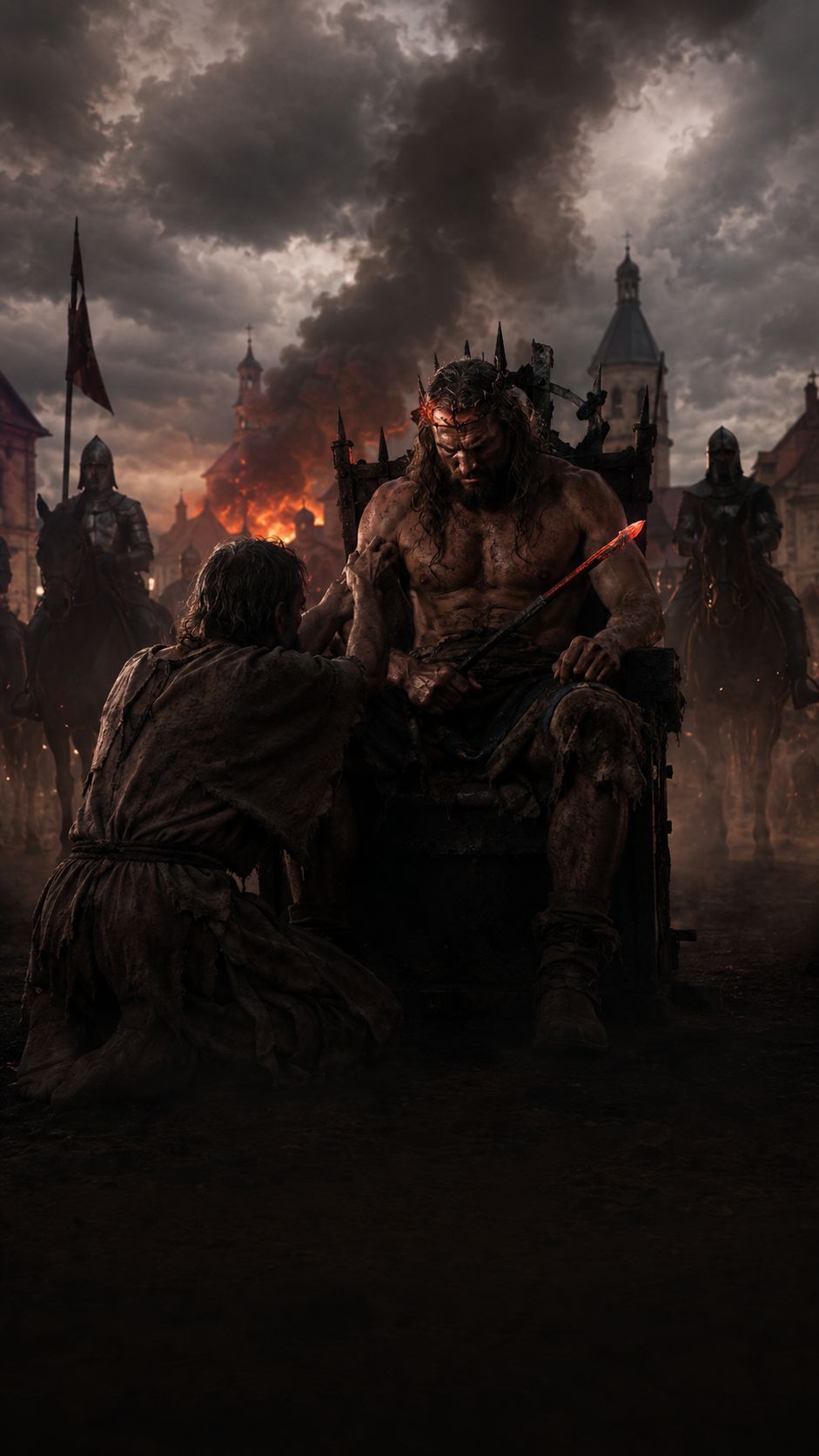 The Peasant King Burned On An Iron Throne
A soldier who led forty thousand peasants to the gates of power was destroyed by an execution designed to erase the very idea of him.
Timișoara, Romania · 1514 · 305 km away
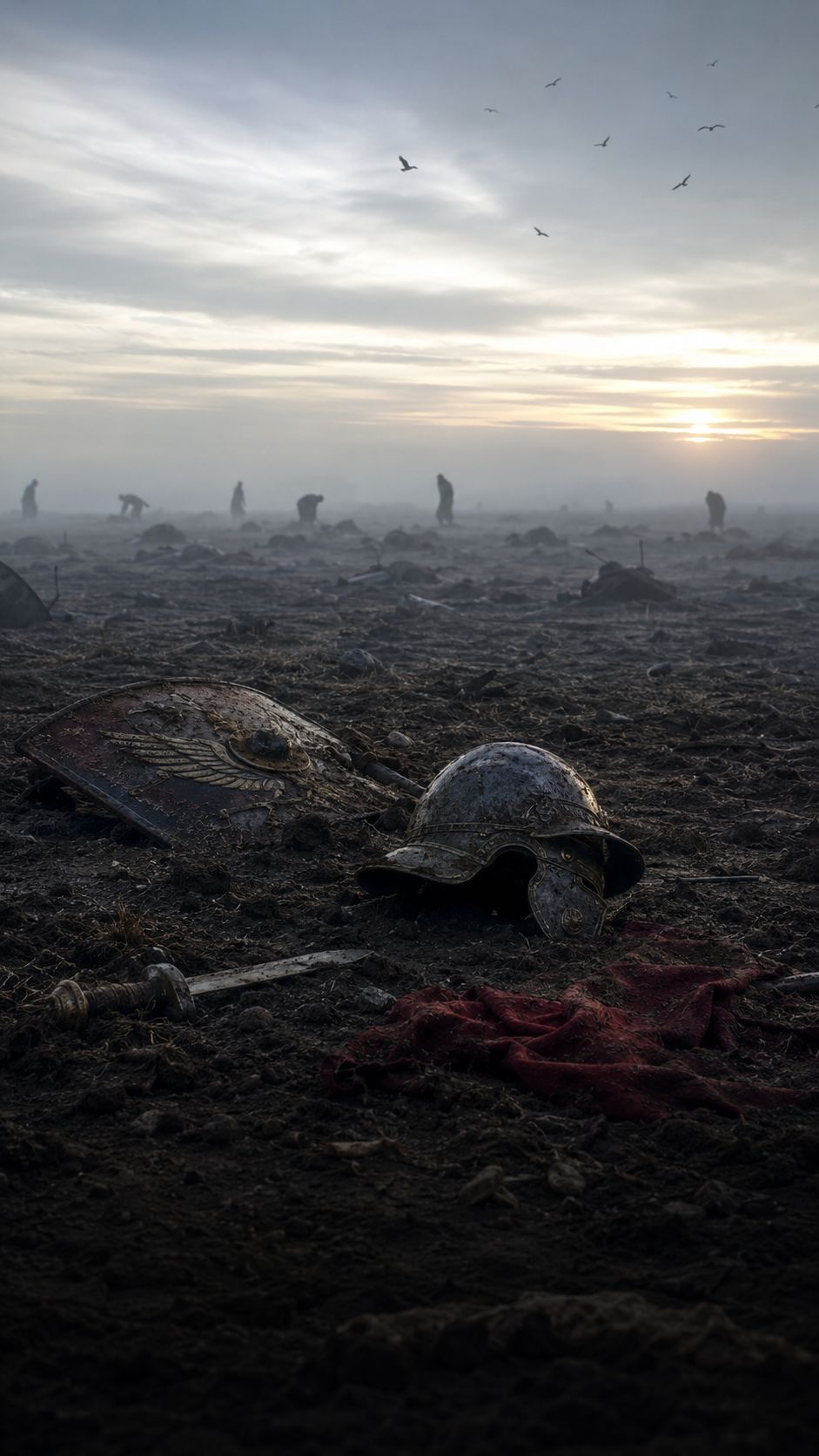 Rome's Largest Army Destroyed In A Day
Rome's biggest army ever raised marched to crush Hannibal at Cannae, and dawn broke over one of history's worst battlefield massacres.
Cannae, Italy · 216 BC · 339 km away
- The Warlord Who Died On His Wedding Night
A man who terrified the Roman Empire for decades survives every battlefield only to die drowning in his own blood in bed.
Hungarian Plain, Hungary · 453 · 377 km away
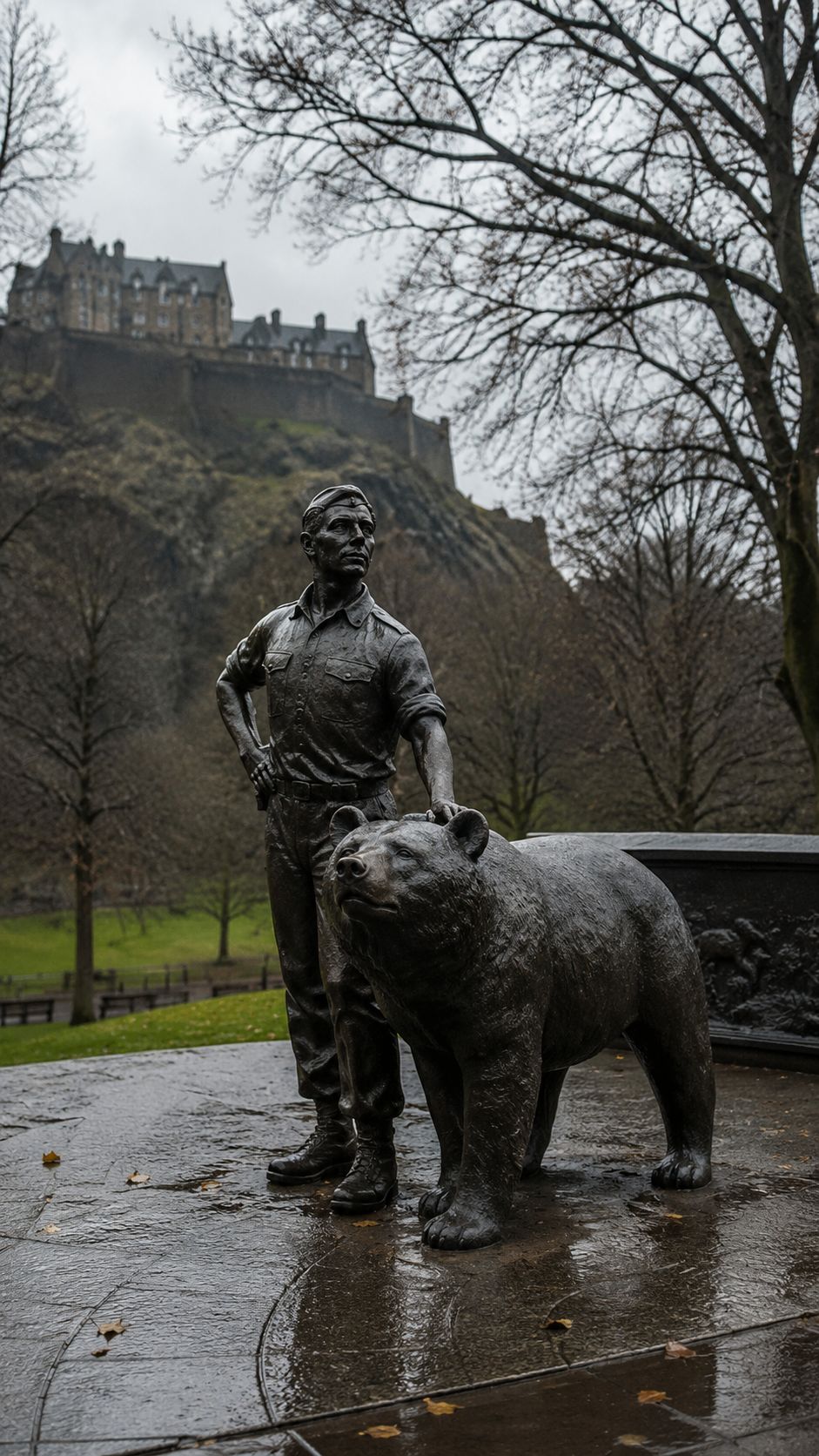 The Bear Who Became A Polish Soldier
A rescued bear cub bought for a Swiss army knife and some chocolate grows up convinced he's one of the men, and he isn't wrong.
Monte Cassino, Italy · 1942 · 459 km away