
The most famous bell in the world is broken. It has been broken since 1859. Nobody fixed it. They turned it slightly and kept ringing.
The horror: a bell that broke twice In the 1850s, as the new Palace of Westminster was being completed, Parliament commissioned a massive hour bell for its clock tower. In 1856, a bell weighing about 16 tonnes was cast at John Warner & Sons in Stockton‑on‑Tees. It was, for Britain, the largest bell ever made.
The bell was hauled to London with great ceremony and tested in the yard at the Palace of Westminster. During the trials, the hammer struck. A crack appeared. The bell was damaged before it ever rang in the tower. It had to be scrapped. The metal was broken up and sent to the Whitechapel Bell Foundry — the same foundry associated with other famous bells — to be recast.
In 1858, Whitechapel produced a new bell weighing about 13.7 tonnes. This was the Big Ben we know. In July 1859, it was hoisted up into what is now called the Elizabeth Tower (then simply the Clock Tower) and began striking the hours for London.
It lasted barely two months.
In September 1859, the bell developed a crack during use. The fracture ran several inches through the metal. The chimes were silenced while engineers and officials debated what to do. The crack was serious enough to affect the tone, but not so catastrophic that the bell had to be discarded.
The solution was not to repair the break. Instead, they worked around it. The bell was rotated a fraction of a turn — about one‑eighth of a revolution — so that the hammer would hit an undamaged section. A new hammer, significantly lighter than the original, was installed to reduce the stress with each strike.
By the early 1860s, the bell was ringing again. The crack remained. It has never been removed or fully “mended”; it simply no longer sits under the hammer.
The note people hear — a resonant E — is not exactly the sound the designers originally tuned for. It is the sound of a cracked bell being struck off to one side, its vibrational pattern subtly skewed by damage. The slightly distinctive “bloom” and timbre that make Big Ben so recognisable are, in part, the acoustic fingerprint of that fracture.
The modern relic: an icon built around a fault Since 1859, Big Ben has spent far longer cracked than whole. It rang in its original condition for only a short time. It has rung in its altered, damaged state for over a century and a half.
The Whitechapel Bell Foundry, which recast the bell, survived for nearly half a millennium before closing in the 21st century. The foundry is gone. Its most famous product, imperfect from the start, continues to mark the hours for Parliament and the turning of the year for the world.
The Elizabeth Tower can be visited on guided tours. Those who climb its hundreds of steps to the belfry can stand beside the bell and see the scar — the visible crack in the bronze surface. The hammer is offset, poised over a clean section of metal, striking every hour while the fracture lies a short distance away, like an old wound.
Every New Year’s Eve, every broadcast of the BBC’s time signal, every film or news report that drops in the sound of Big Ben is reproducing not the pristine, theoretical note of a perfect bell, but the lived sound of a bell that broke and was adapted rather than replaced.
The icon is the damage.
Nearby on the Dark Atlas
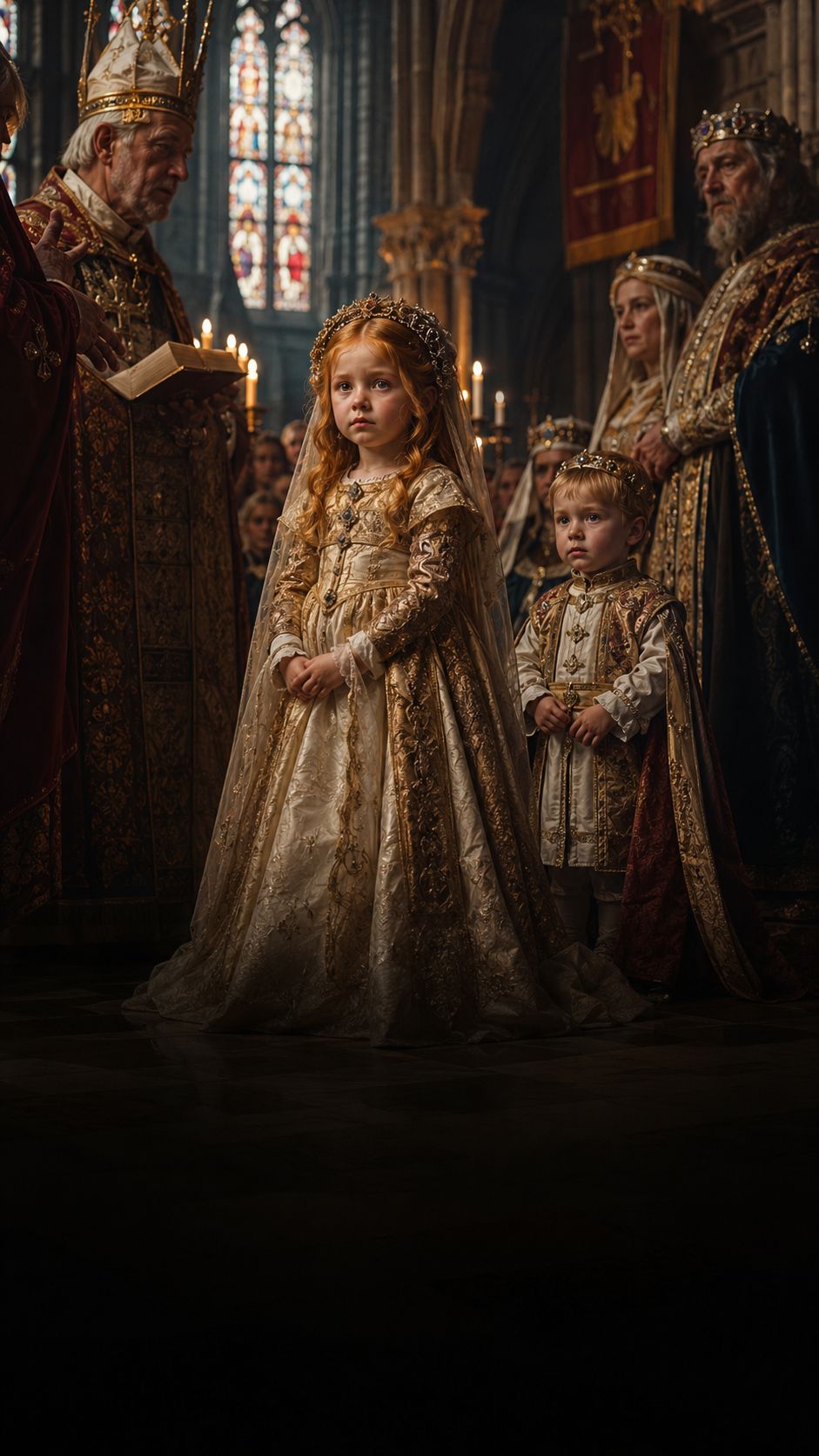 The Child Bride Whose Coffin Vanished For 500 Years
She died before she was nine, a pawn of kings, and her tiny coffin was lost until a digging machine tore it open centuries later.
Westminster, London, United Kingdom · 1481 · same site
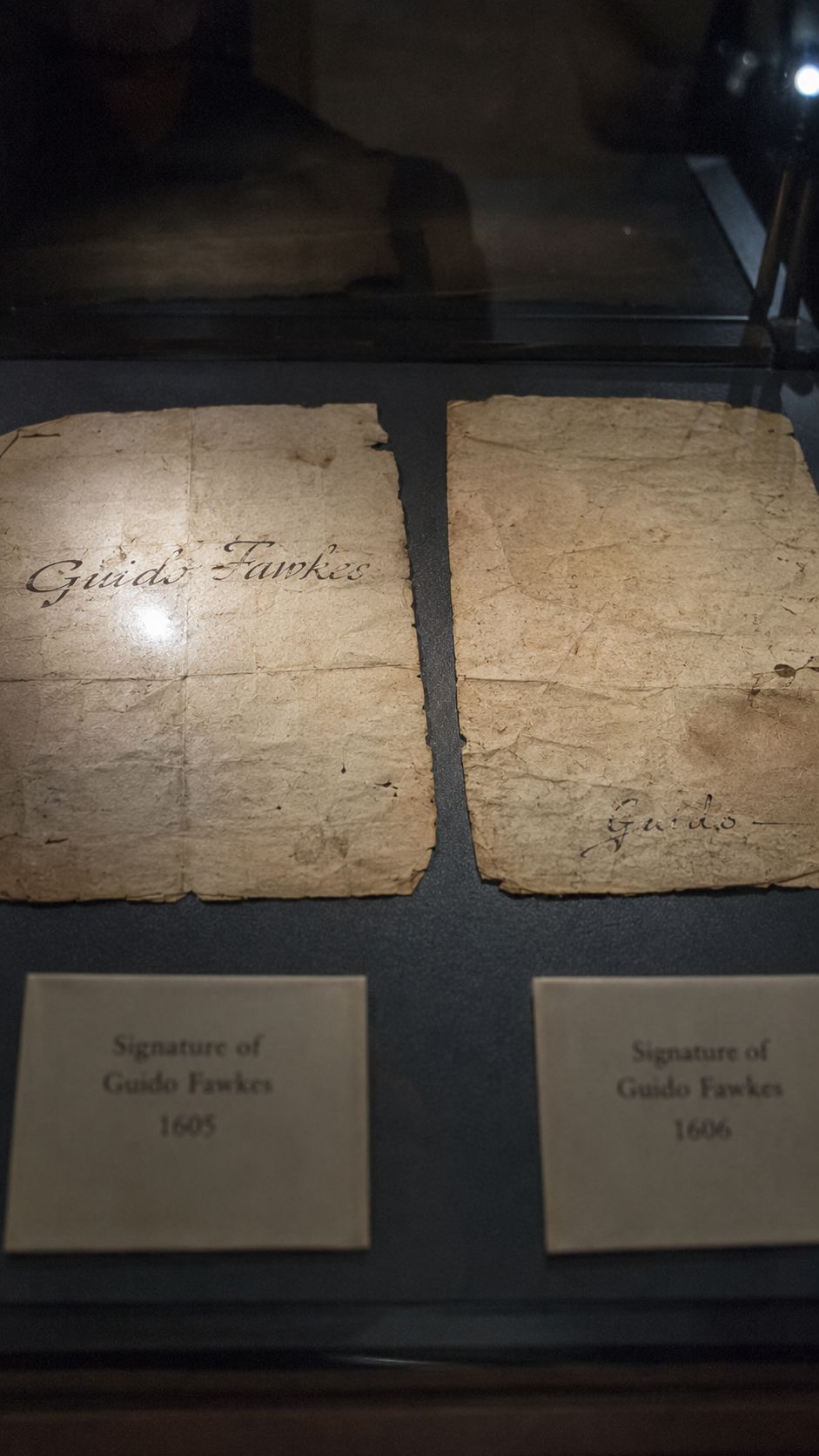 The Signature That Broke Under Torture
Found in a cellar beneath Parliament with 36 barrels of gunpowder, his confident signature collapsed into a scrawl after days on the rack.
Westminster, London, United Kingdom · 1605 · same site
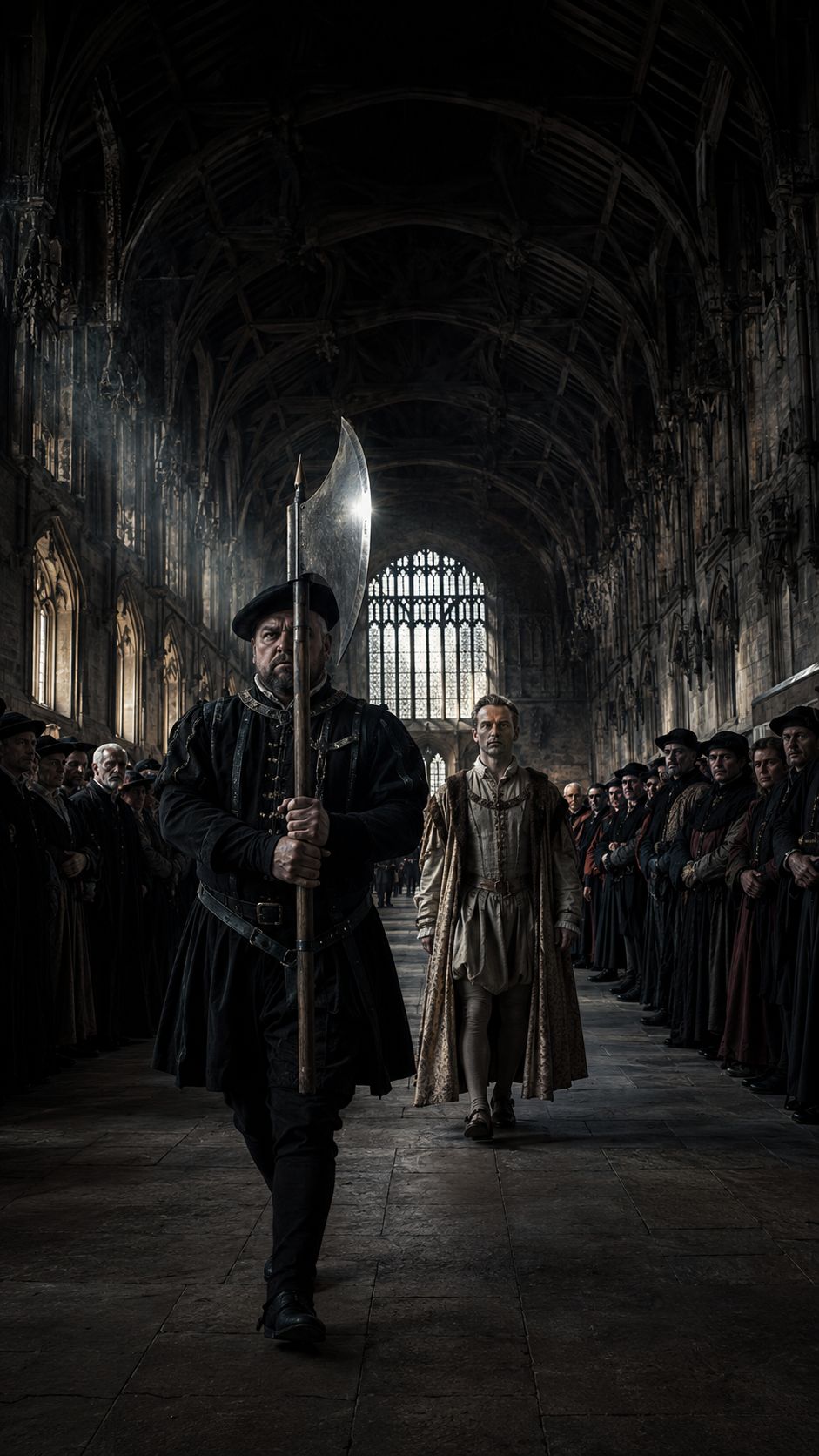 The Sword That Sealed a Traitor's Fate
Before a word was spoken, prisoners at Westminster Hall could read their fate in which way the ceremonial blade pointed.
Westminster Hall, London, United Kingdom · 1521 · same site
- The Widow Who Carried Her Husband's Head
A courtier condemned on a treason charge many believed engineered walks to the scaffold after one last failed gamble for gold.
Old Palace Yard, Westminster, London, United Kingdom · 1618 · same site
More like this
 The Rape Trial That Ended In Trial By Combat
A woman's accusation of rape led to France's last judicial duel, with her own life staked on the outcome.
Paris, France · 1386
- The Parish Registers Of The Beast's Victims
Between 1764 and 1767 something killed roughly a hundred people, recorded in the registers as 'devoured by the beast.'
Saugues, France · 1764
- The Manufacturing Of England's Most Haunted House
For decades it was called the most haunted house in England, until its ghost story revealed how a haunting gets made.
Borley, Essex, United Kingdom · 1929
- The Truth Behind The Elephant Man
The real man behind the famous film was quieter, stranger and far more heartbreaking than any screenplay.
Whitechapel, London, United Kingdom · 1890