On the morning of 6th July 1535, Sir Thomas More — former Lord Chancellor of England, one‑time close adviser to Henry VIII, long‑time friend of the king — was brought from the Tower of London to Tower Hill to be executed for refusing the royal supremacy. His beard had grown long during some fifteen months’ imprisonment. One account notes him pale and thin, carrying a small red cross as he walked.
On the way to the scaffold, later narratives describe three encounters with women.
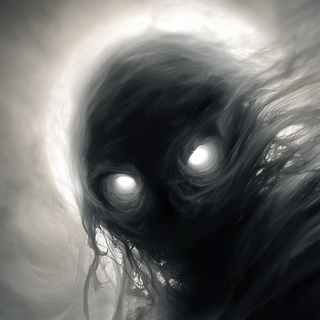
The Horror
In one, a woman pressed through the guard line offering him a cup of wine; he declined, saying that Christ at his Passion drank not wine but gall and vinegar.
In another, a woman claimed she had left legal papers with him when he was Lord Chancellor and demanded their return. More, on his way to die, is said to have replied that within an hour the king would free him of all care for those papers and everything else.
A third woman followed him, complaining that he had done her an injustice in some past case. More answered that he remembered the cause and, if he had to decide it again, he would give the same decree. Taken together, these anecdotes show him carrying on his legal and spiritual “business” right up to the last steps.
When he reached the scaffold, the structure looked unsteady. As he climbed, he stumbled. He turned to the Lieutenant of the Tower and said: “I pray you, Master Lieutenant, see me safe up; and for my coming down let me shift for myself.”
Henry VIII had ordered that only a small crowd be admitted, wary of public sympathy; More was prevented from making a long speech. He contented himself with the famous line: “I die the King’s good servant, and God’s first.”
He knelt, and the headsman asked his forgiveness. More kissed him and said some version of: “Pick up thy spirits, man, and be not afraid to do thine office; my neck is very short, take heed therefore thou strike not awry, for saving of thine honesty.”
He laid his head on the block, then paused and carefully drew his beard aside so it would not be struck. “This hath committed no treason,” he said — or, in another rendering, “This hath not offended the king.” The axe fell in a single blow.
His head was set on a spike on London Bridge, as was customary for traitors. When it was due to be thrown into the Thames to make room for others, his daughter Margaret Roper is said to have bribed or persuaded the keeper to give it to her. She enclosed it in a leaden box and kept it as a relic, reportedly risking arrest by doing so.
The Modern Relic
More’s body was buried, probably without a marked stone, in the Chapel of St Peter ad Vincula inside the Tower of London, among other Tower victims.
His head is believed to rest in the Roper family vault under the Nicholas Chapel at St Dunstan’s Church, Canterbury; the story has long held that Margaret arranged for it to be placed there. The vault is sealed and has not been fully opened in modern times; plaques in the church explain that the head of Sir Thomas More “of illustrious memory” is interred beneath a particular slab.
The scaffold quips — “see me safe up,” the short neck, the treasonless beard — have been copied and retold for nearly five centuries. The exact whereabouts and condition of the head and beard that inspired them remain unconfirmed, encased in a vault that nobody now disturbs.
Nearby on the Dark Atlas
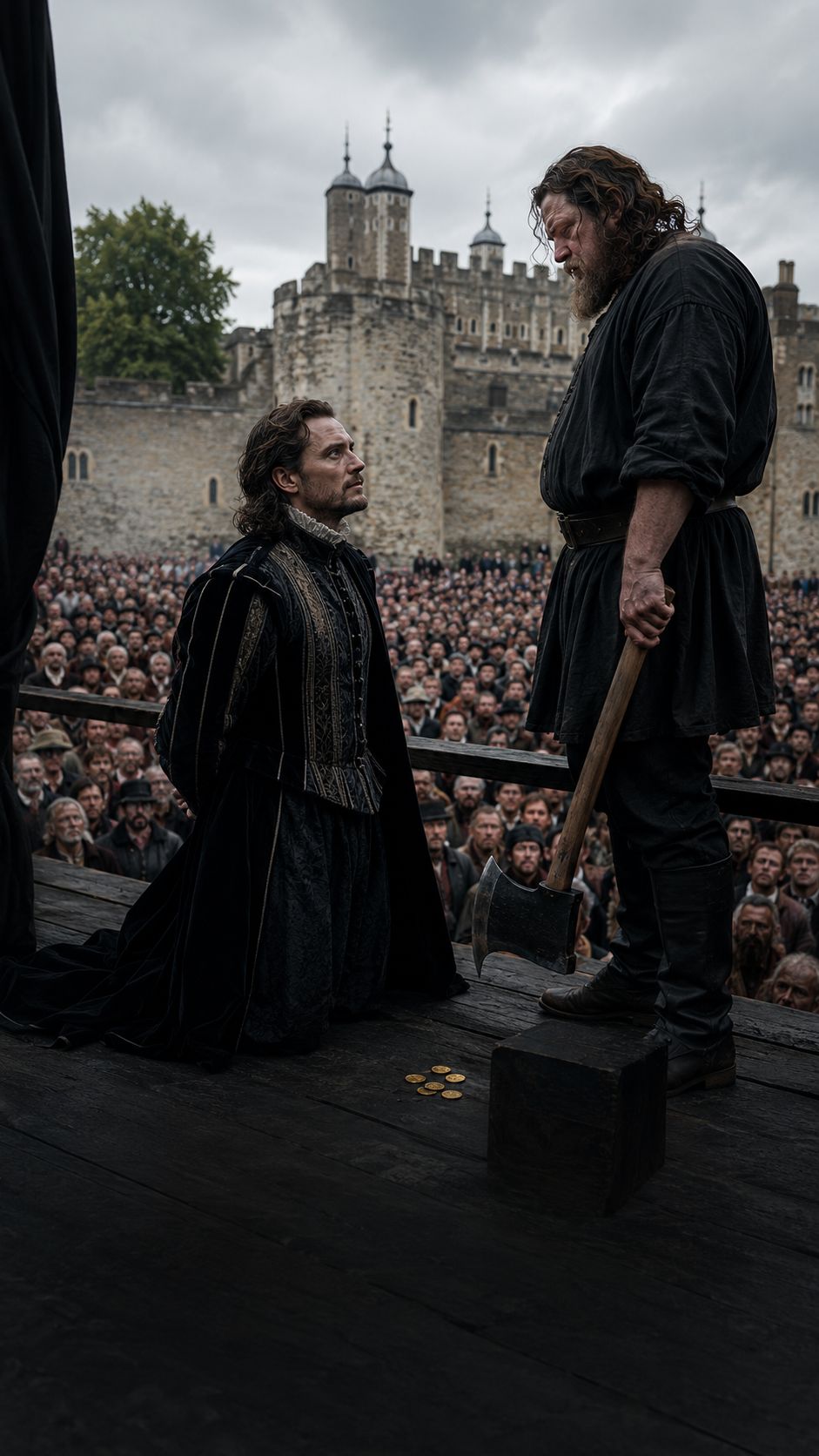 The Botched Beheading That Named The Hangman
It took the executioner several horrific blows to finish the job, and his name became slang for hangman forever.
Tower Hill, London, United Kingdom · 1685 · same site
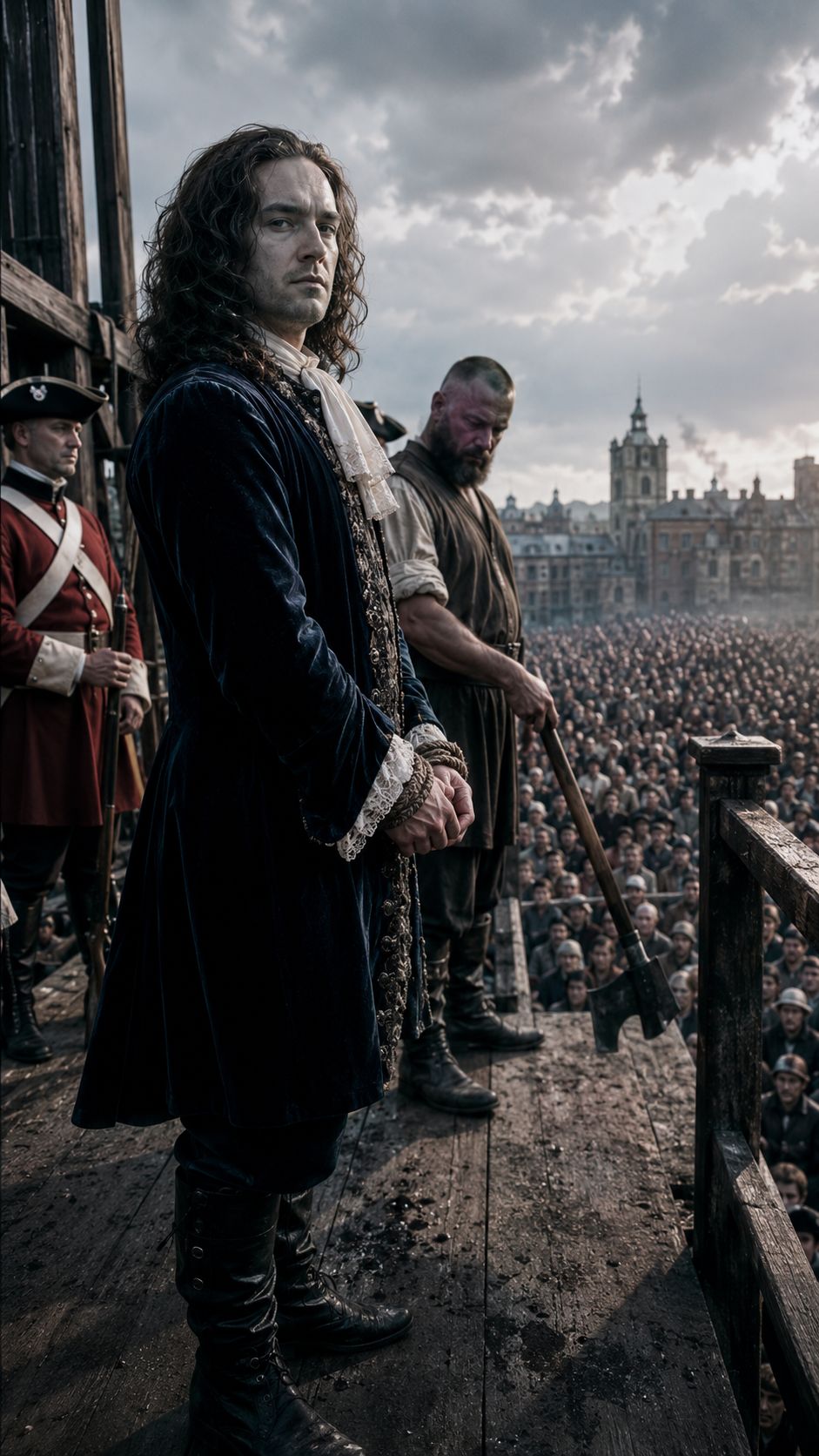 The Duke Who Paid The Headsman In Advance
He handed the executioner six guineas and begged him not to hack him apart like his last victim — it didn't work.
Tower Hill, London, United Kingdom · 1685 · same site
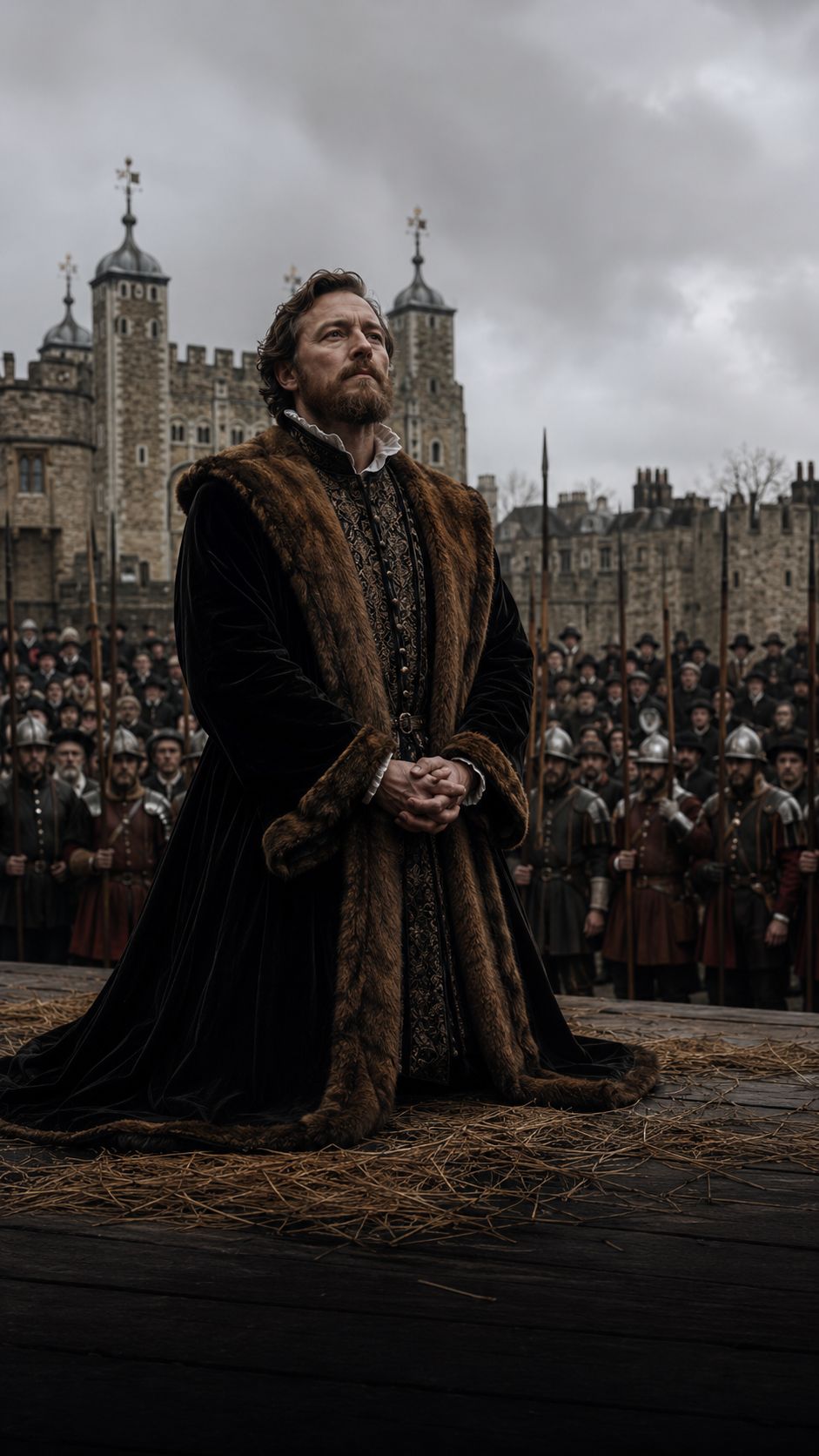 The Duke Whose Royal Blood Was a Death Sentence
His royal Plantagenet blood made him too dangerous to live under a paranoid, sonless Henry VIII.
Tower Hill, London, United Kingdom · 1521 · same site
- The Giant Who Fought His Own Execution
A rebel knight's sheer size turned his botched execution into a horrifying struggle on the scaffold.
Tower Hill, London, United Kingdom · 1554 · same site