
Ed Gein is the most infamous corpse thief in American history — a Wisconsin handyman whose crimes were so grotesque that they invented the modern horror movie. He was the real-life inspiration for Norman Bates in Psycho, Leatherface in The Texas Chain Saw Massacre, and Buffalo Bill in The Silence of the Lambs. But the films barely scratched the surface of what police found on his farm in 1957.
Gein was born in 1906 in La Crosse County, Wisconsin, and raised on a remote farm outside Plainfield by a fanatically religious mother, Augusta, who taught her sons that women were instruments of the devil and that sex was a mortal sin. When she died in December 1945, the 39-year-old Gein sealed off her bedroom as an untouched shrine while the rest of the house collapsed into filth around it — and he began visiting local cemeteries at night. He was not a prolific killer in the usual sense: he confessed to shooting only two women, Mary Hogan in 1954 and Bernice Worden in 1957. His real obsession was with the dead. Over several years, he made as many as forty nighttime visits to three local cemeteries and admitted to robbing at least nine graves, leading investigators to each one.
THE HORROR What police discovered on the night of 16 November 1957 defies belief. Gein had led them to his farm after the disappearance of a local hardware store owner, Bernice Worden. In a shed on the property, they found her decapitated body hanging by the ankles from the rafters, gutted like a butchered deer. And then they found the rest, inside the house. Gein had upholstered chairs in human skin. He had turned human skulls into soup bowls, some mounted on his bedposts. He had fashioned a corset and leggings from the skin of a female torso, a belt from human nipples, a pair of window-shade pulls from a woman’s lips, and a lampshade from the skin of a human face. He had stitched together a full-body “woman suit” from the skin of his victims — a mask, vest, and leggings he wore, and which, according to local witnesses at the time, he sometimes danced in outside the farmhouse under the moon, trying to become his own mother. Investigators found masks made from at least nine women’s faces, some so well preserved they could still be recognized. Worden’s heart turned up in a paper bag on the floor beside his bed. A shoebox nearby held nine preserved vulvae. Officers who searched the house later said the smell was something they never forgot.
Gein was arrested and initially found mentally incompetent to stand trial — he spent the next decade in a state hospital for the criminally insane. In 1968, doctors finally judged him fit, and a week-long trial found him guilty of first-degree murder for killing Worden. But on the very same day, the court also ruled that he had been legally insane at the time of the killing, and he was found not guilty by reason of insanity and recommitted. He spent the rest of his life at the Mendota Mental Health Institute in Madison, Wisconsin, reportedly a model, cooperative patient, until he died there on 26 July 1984, aged 77, from complications of lung cancer.
THE MODERN RELIC The relic is the farm — or rather, the absence of it. Ten days before the property and its contents were due to be sold at public auction, on 20 March 1958, the farmhouse burned to the ground. Arson was suspected — many locals wanted the “house of horrors” gone before it could become a museum of sorts — but no cause was ever officially confirmed, and when Gein was told of the fire, he reportedly just shrugged and said, “Just as well.” What remained of the ruins was later cleared, and the land was sold. Today it is an empty field outside Plainfield, Wisconsin, marked by nothing. Even Gein’s own grave carries the same erasure: he was buried beside his mother, father, and brother in Plainfield Cemetery, but over the decades souvenir hunters chipped his headstone away piece by piece until, in 2000, the entire stone was stolen outright. It was recovered a year later, but it was never put back. His grave, like his farm, is now unmarked. Plainfield is where the modern slasher film was born — not in Hollywood, but in a handyman’s farmhouse where a man tried to wear his way back to his mother’s love. You can drive past the site today. There is no plaque. Just corn, and the memory of what was in the soil.
Nearby on the Dark Atlas
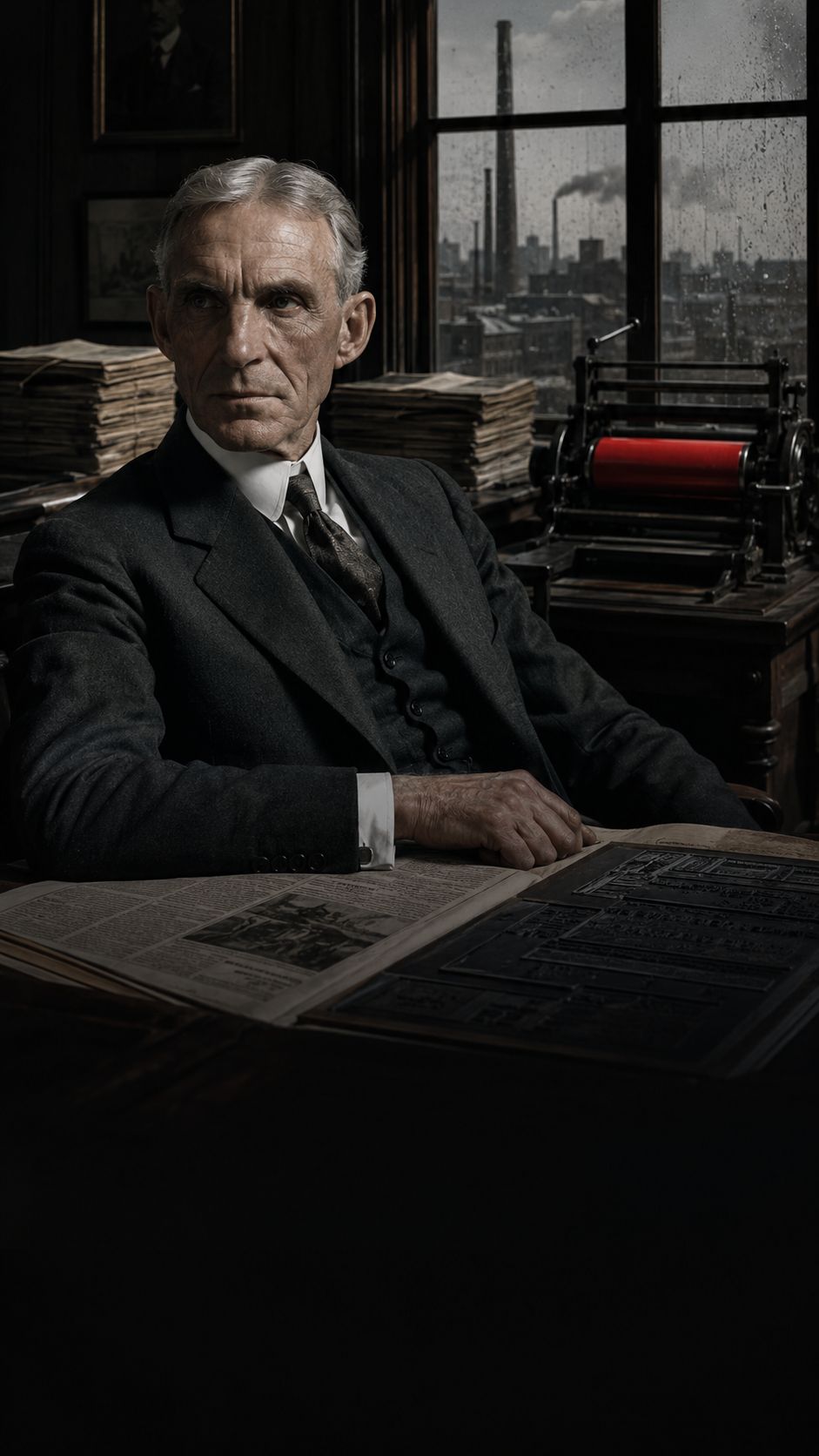 The Carmaker Who Spread A Forged Conspiracy
The man who put America on wheels used his newspaper empire to spread a fabricated antisemitic conspiracy to millions.
Dearborn, Michigan, United States · 1920 · 552 km away
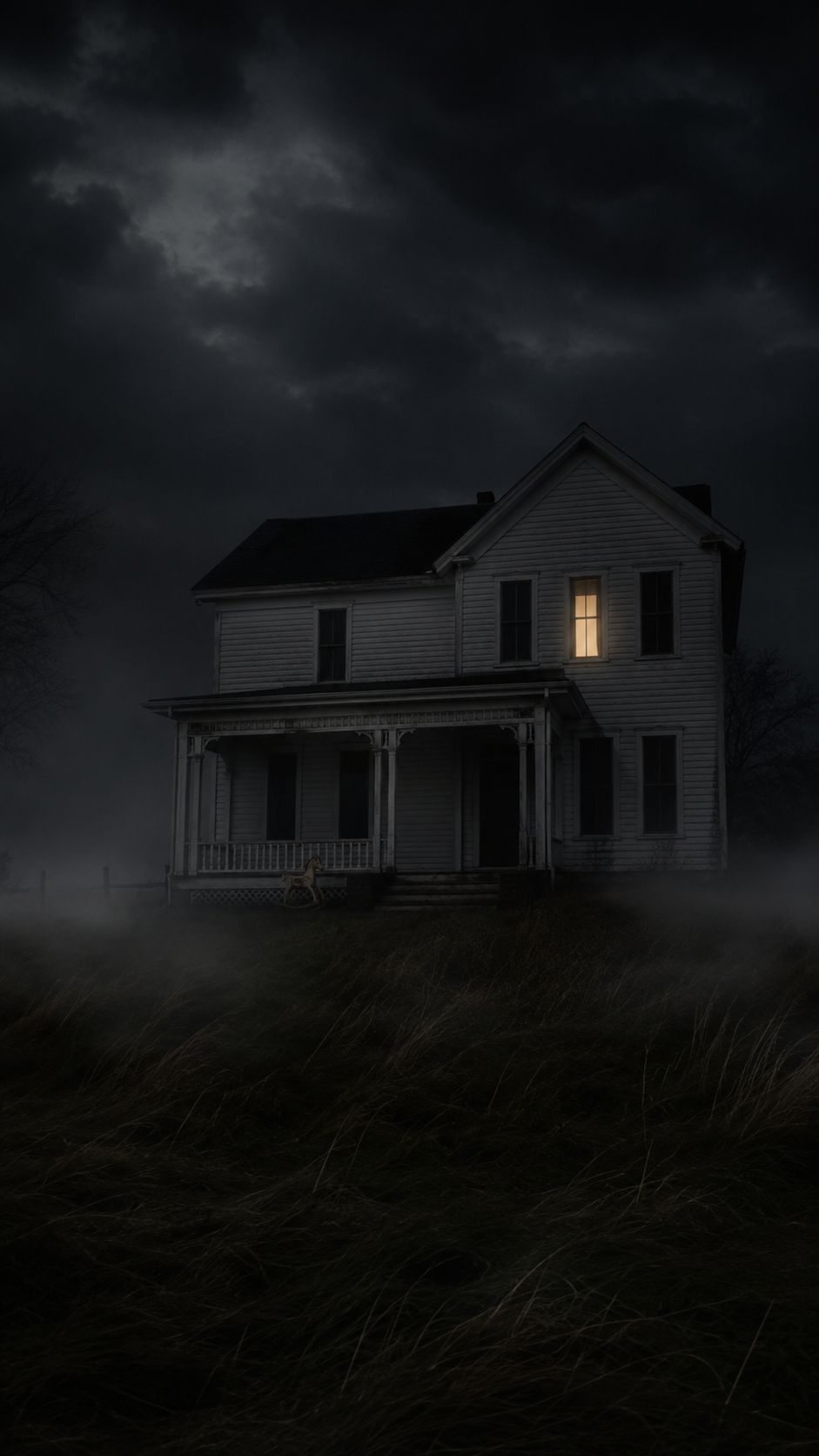 Eight Went to Sleep, None Woke Up
Every mirror in the house was covered the night an axe murderer moved silently through eight sleeping victims.
Villisca, Iowa, United States · 1912 · 578 km away
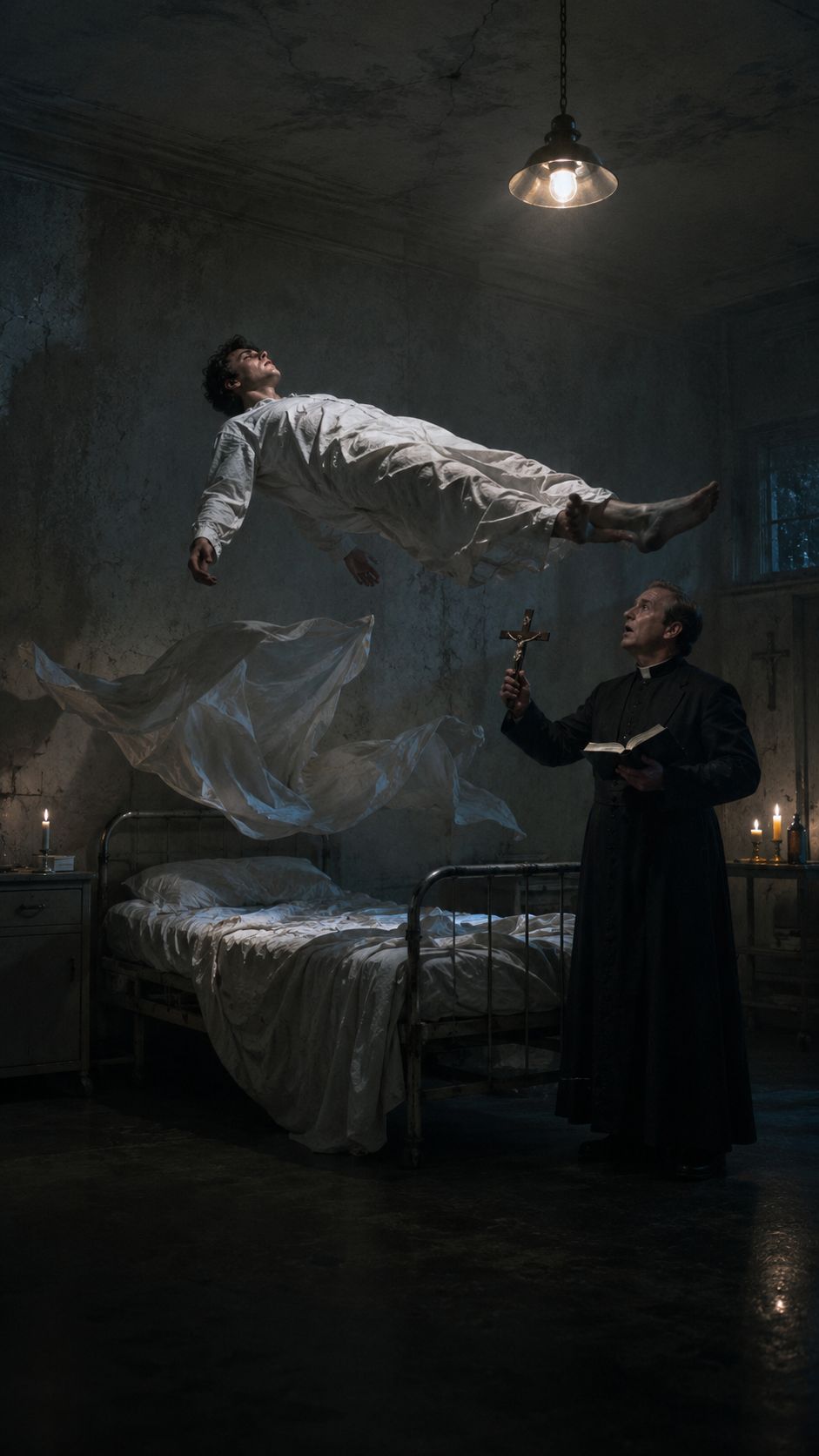 The Real Boy Behind The Exorcist
A film called it the most terrifying ever made — but it began with a real thirteen-year-old boy and a priest's sealed diary.
St. Louis, United States · 1949 · 623 km away
- The Fire That Killed 322 Men Locked in Their Cells
As flames tore through an overcrowded cellblock, guards had the keys, and hundreds burned to death still chained inside.
Columbus, United States · 1930 · 713 km away