When Titanic left Southampton on April 10th, 1912, Leading Fireman Frederick Barrett received his first order: get into Boiler Room 6 and put out a coal fire. It took him and a team of firemen three full days to empty the burning bunker, shifting the coal to other boilers while the fire was brought under control. He later recalled seeing heat damage and warping in the bulkhead when they were done. Then the ship sailed on.
Four days later, he was back in Boiler Room 6.
The Horror
At 11:40 p.m. on April 14th, a bell rang and a red light flashed above the watertight door. Barrett immediately ordered the dampers shut — to prevent the fired boilers from being hit directly by seawater. Almost simultaneously, water burst through the starboard side of the ship. Barrett and Second Engineer Hesketh threw themselves through the closing watertight door into Boiler Room 5. It locked behind them.
There were eight firemen and four trimmers working in Boiler Room 6 at the time of the collision. Barrett later testified that only one of them — a man named Beauchamp — was known to have survived. “What happened to the others?” the inquiry asked. “I could not tell you,” Barrett replied.
Barrett stayed in Boiler Room 5 for more than an hour, drawing fires and lifting manhole plates with Engineer Harvey as the water rose. At around 1 a.m., the bulkhead between Boiler Rooms 5 and 6 gave way under pressure. The wall that had saved him from the flood next door now failed from the other side. Harvey ordered him up. Barrett climbed to the upper decks and eventually got into Lifeboat 13 — one of the last boats to leave the ship.
At the British Inquiry, Lord Mersey asked Barrett directly whether he thought the coal fire had anything to do with the disaster. Barrett answered that it would be “hard to say.” The fire had been burning in the same bulkhead that later buckled first, but no official finding ever linked the heat damage to the sinking. Titanic carried her coal — and the memory of that fire — all the way to the bottom.
The Modern Relic
The Thompson Graving Dock in Belfast — where Titanic was built and fitted out — still exists. Standing at the bottom of the dry dock gives you the exact scale of the hull Barrett worked inside. Boiler Room 6 lay deep below the waterline forward. The coal fire he fought on day one is still debated by maritime historians more than a century later.
Nearby on the Dark Atlas
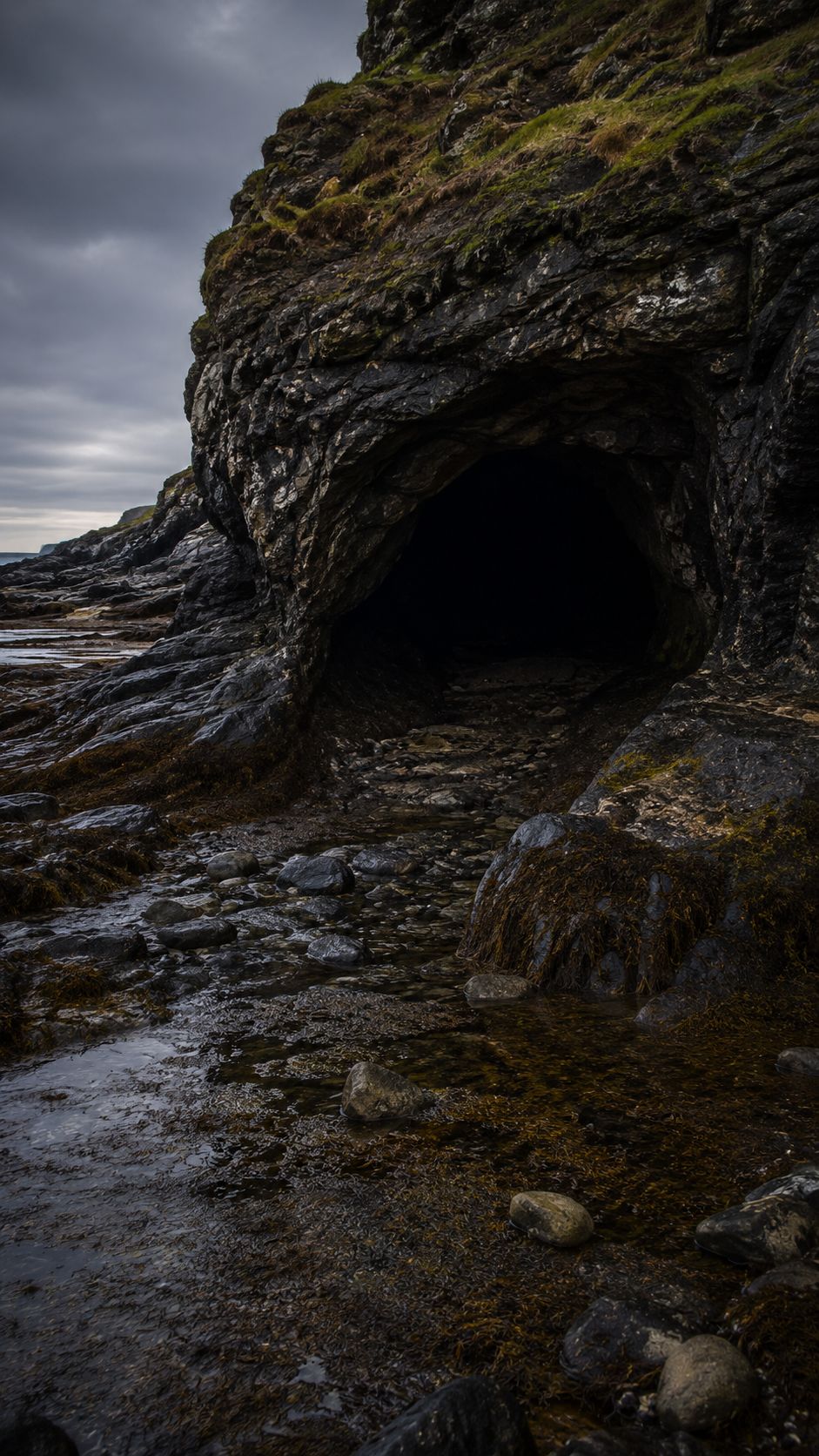 The Cave Clan That Ate The Coast Road
Legend says a family of 48 lived hidden in a Scottish sea cave for 25 years, ambushing travellers on the road above.
Bennane Head, United Kingdom · 1500 · 83 km away
- The High King Killed Praying After Victory
He broke the Vikings at Clontarf, then was murdered in his own tent by men fleeing the battlefield.
Clontarf, Dublin, Ireland · 1014 · 140 km away
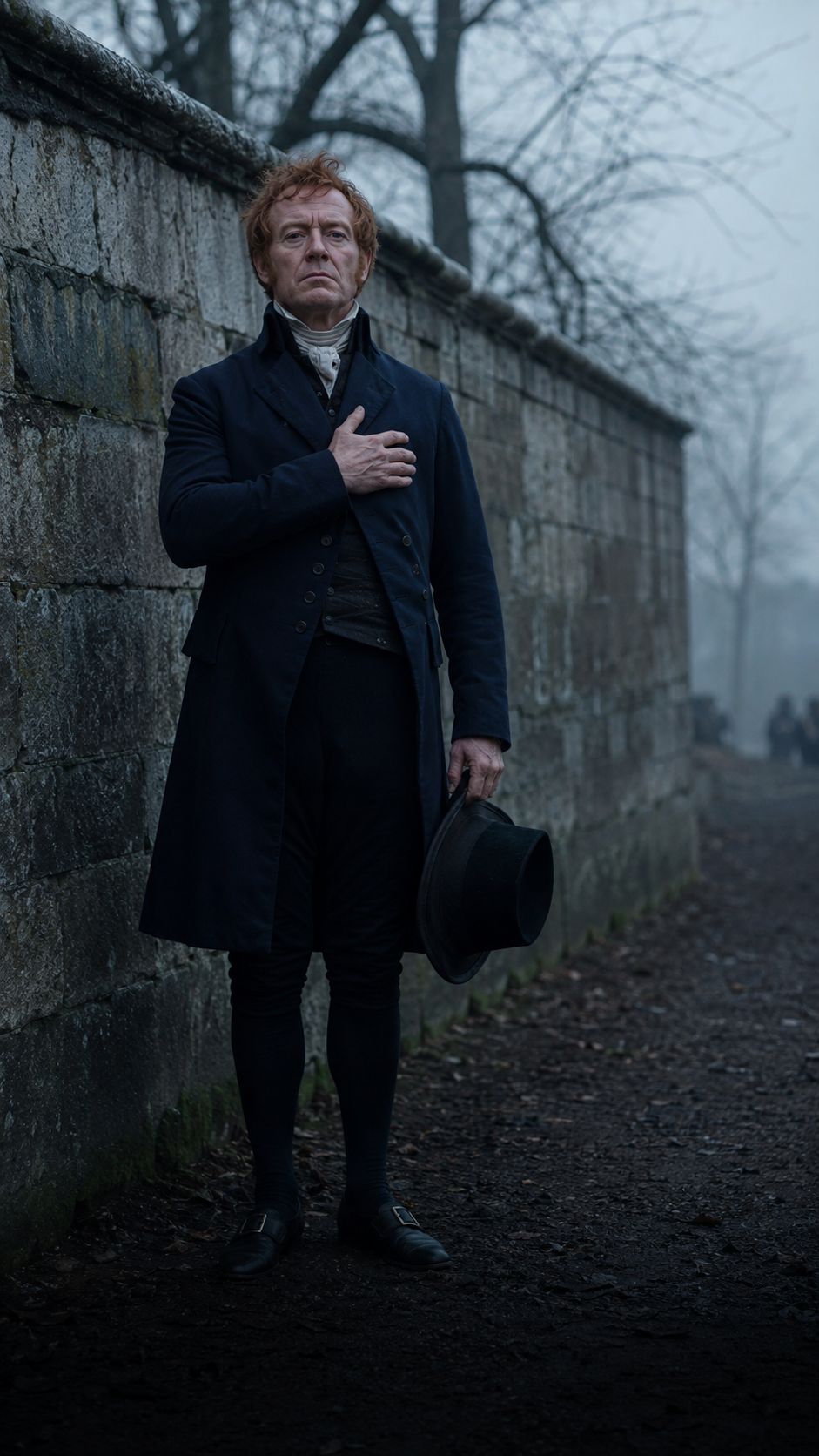 The Grave Ireland Never Found
A young rebel's dock speech is still quoted two centuries later — but nobody knows where his body was hidden.
Dublin, Ireland · 1803 · 142 km away
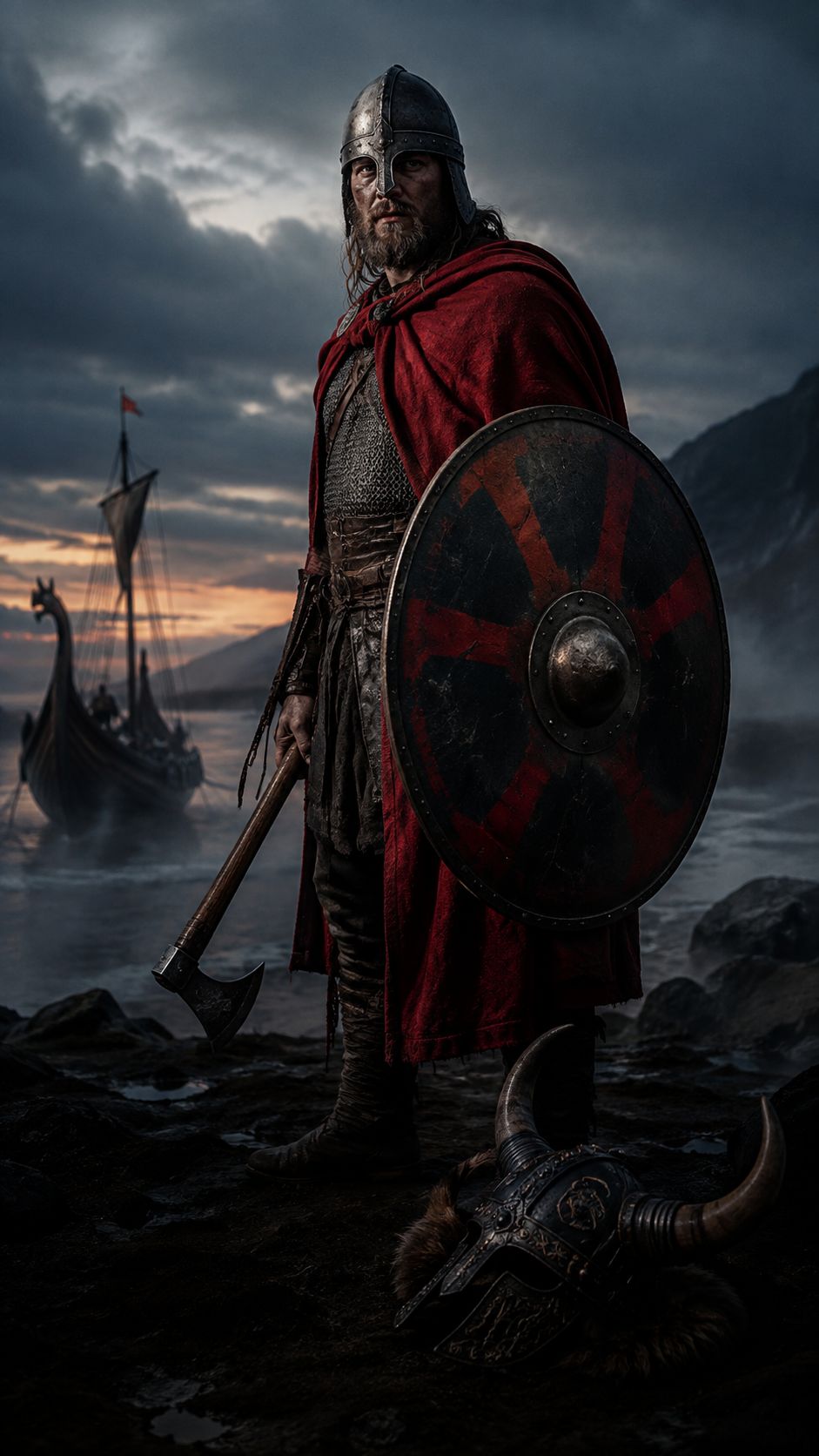 The Viking Myth Behind Pay Through The Nose
Legend blames a brutal Viking nose-slitting tax for this everyday phrase, but the truth is a total mystery.
Dublin, Ireland · 1800 · 142 km away
More like this
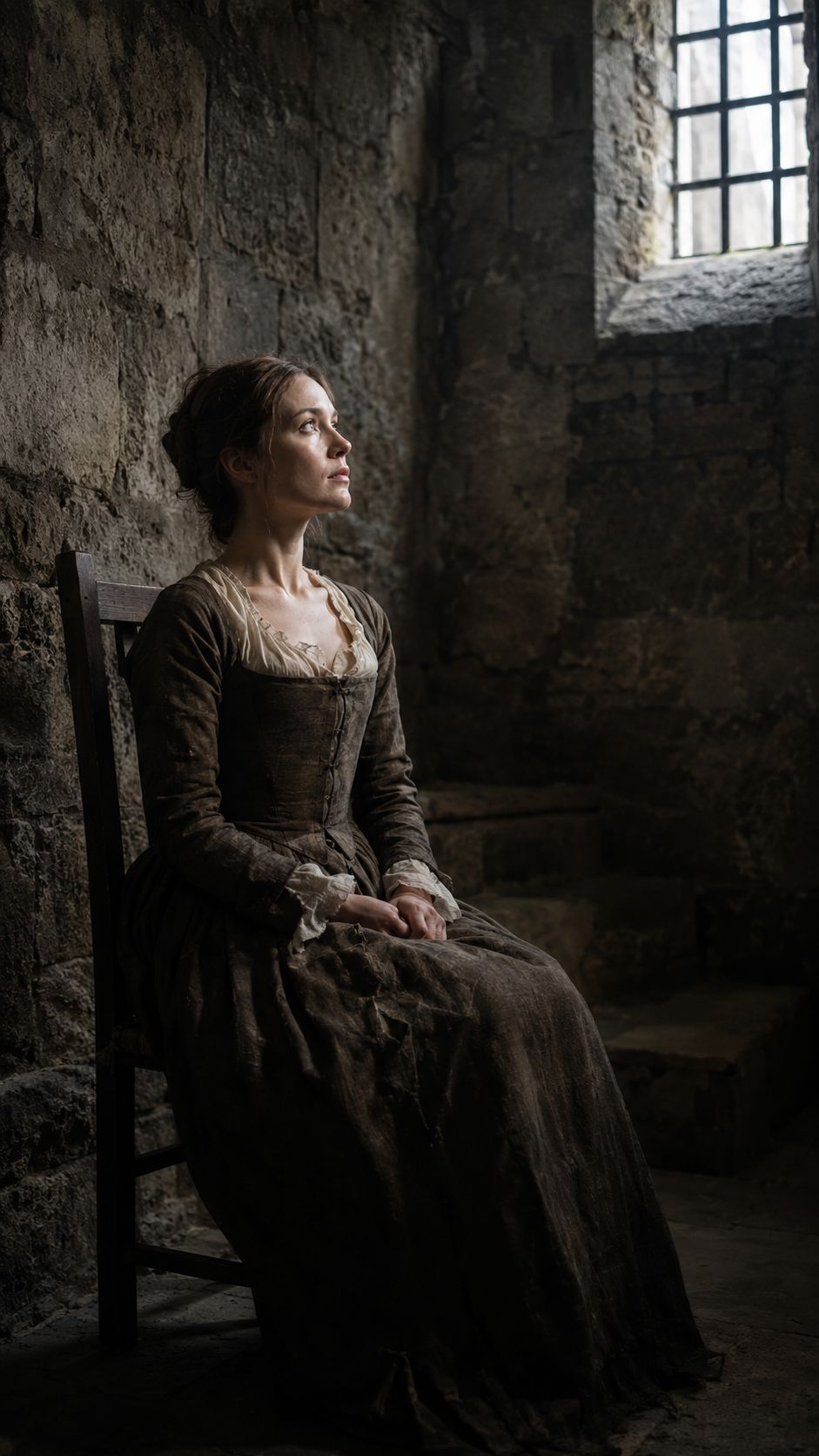 The Rape Trial That Ended In Trial By Combat
A woman's accusation of rape led to France's last judicial duel, with her own life staked on the outcome.
Paris, France · 1386
- The Parish Registers Of The Beast's Victims
Between 1764 and 1767 something killed roughly a hundred people, recorded in the registers as 'devoured by the beast.'
Saugues, France · 1764
- The Manufacturing Of England's Most Haunted House
For decades it was called the most haunted house in England, until its ghost story revealed how a haunting gets made.
Borley, Essex, United Kingdom · 1929
- The Truth Behind The Elephant Man
The real man behind the famous film was quieter, stranger and far more heartbreaking than any screenplay.
Whitechapel, London, United Kingdom · 1890