Between September 1793 and July 1794, Maximilien Robespierre and the Committee of Public Safety presided over the Reign of Terror, during which more than 16,000 people were executed by guillotine after Revolutionary Tribunal sentences, and many more died without formal trial. He was thirty‑five. He was called “the Incorruptible.” He did not personally pull any levers. He signed the laws and the lists.
On 27 July 1794 — 9 Thermidor Year II — the National Convention turned on him. Deputies who had lived for months in fear of his accusations declared him and his closest allies outlaws. Armed forces moved to arrest them.
The Horror
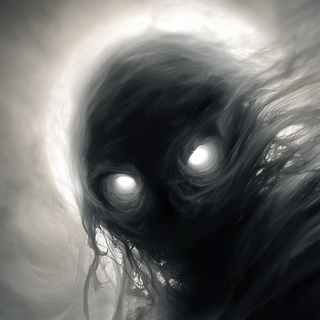
That night, in the Hôtel de Ville, Robespierre suffered the wound that would shape his death. Some sources say he tried to shoot himself; others say a gendarme’s bullet hit him in the jaw in the confusion. What is agreed: the lower part of his face was shattered; his jaw hung broken, his mouth pouring blood.
He was captured and brought back to the Convention’s control. A doctor was summoned. The instruction, according to later accounts, was clear: his wounds were to be dressed to keep him alive — not to save him, but to make him “fit for punishment.” The surgeon found the lower jaw fractured, packed the mouth with cloth to stem the bleeding, and bound his head and jaw in bandages and splints.
Robespierre was laid out on a table in or near the rooms where the Committee of Public Safety and the Committee of General Security had met — the heart of the government he had dominated. He spent the rest of the night there, bleeding and semi‑conscious, while deputies and guards decided his fate.
On 28 July, he and about twenty other condemned men were sentenced and taken by cart through Paris to the Place de la Révolution. No formal defence was allowed; under his own Law of 22 Prairial, the Revolutionary Tribunal had been reduced to a choice between acquittal and death, and there would be no acquittals for the men of Thermidor.
Witnesses describe insults hurled at the cart and at Robespierre himself — a woman forcing her way forward to scream that the thought of his punishment intoxicated her with joy. Robespierre’s head was still bound; he could not reply.
At the scaffold, he climbed the steps without assistance, bandaged and bloodstained but still able to walk. He watched others die before him; he was one among more than twenty executed that day, one of the bloodiest single sessions of the guillotine in Paris.
Then it was his turn. To expose his neck, the executioner Charles‑Henri Sanson had to remove the splint and cloth holding his broken jaw together. When Sanson roughly tore away the bandage and handkerchief, Robespierre’s lower jaw dropped, and the wound burst open. Contemporary reports say he uttered a terrible, inarticulate scream that was cut short only by the fall of the blade.
He was thirty‑six. His head, disfigured by the wound, was held up to the crowd, which roared its approval.
The Modern Relic
The Place de la Révolution is now the Place de la Concorde — a vast, elegant square between the Tuileries Gardens and the start of the Champs‑Élysées, dominated by the Luxor obelisk and two great fountains. Traffic circles where the scaffold once stood. Tourists photograph the statues and the view toward the Eiffel Tower.
The guillotine was erected and moved several times within the square; during the height of the Terror it stood near the centre, roughly between the present obelisk and the northern fountain that celebrates the rivers of France. Louis XVI, Marie‑Antoinette, Danton, and finally Robespierre all died here. His last scream would have echoed across a space that is now filled with the sound of running water and car horns. The name has changed from Revolution to Concorde — from Terror to “harmony” — but the ground remembers what was built on it.
Nearby on the Dark Atlas
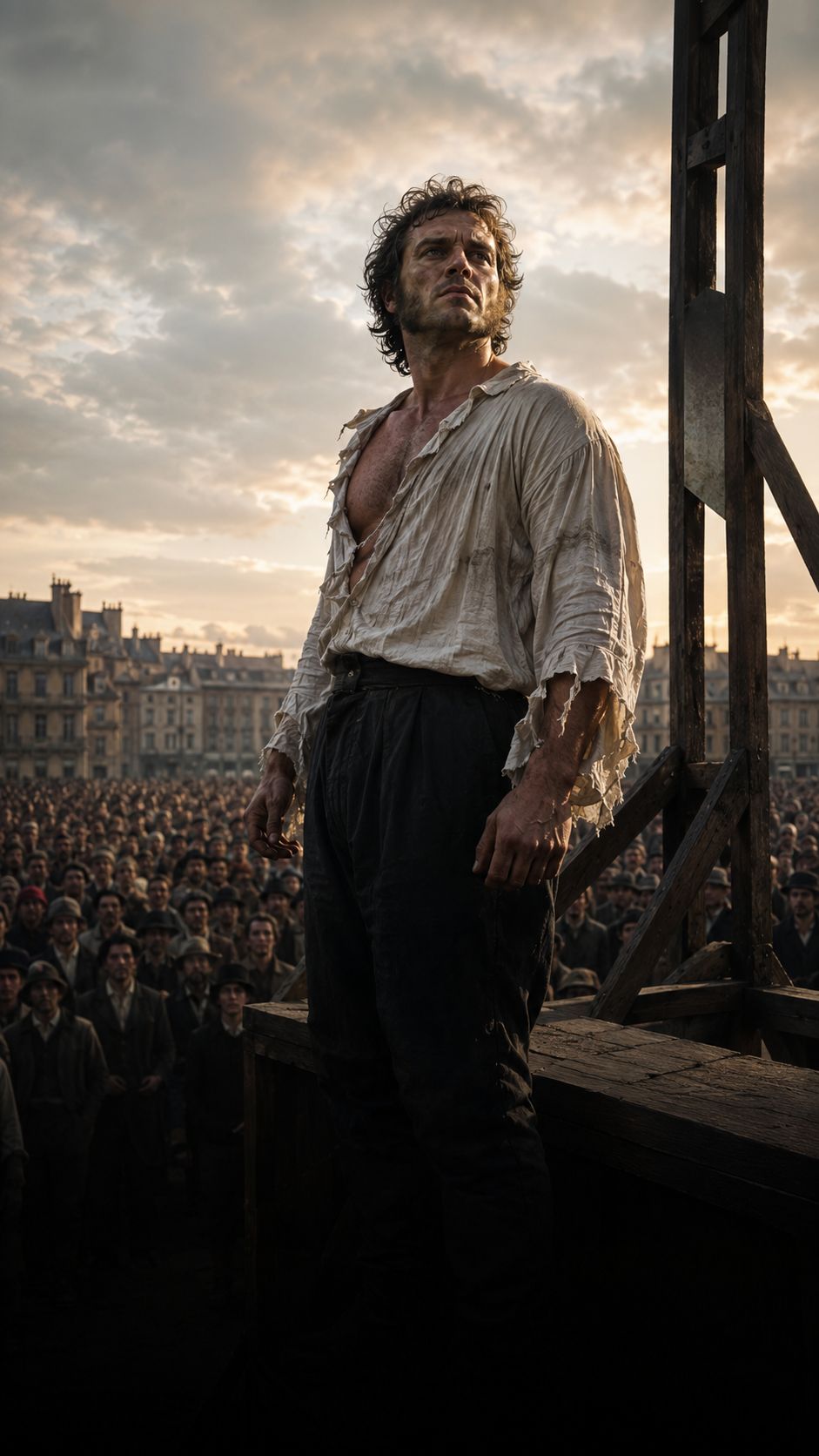 Betrayed By The Friend Who Stood At Their Wedding
The revolutionary firebrand and his devoted wife were destroyed by the very friend who once witnessed their marriage.
Place de la Révolution, Paris, France · 1794 · same site
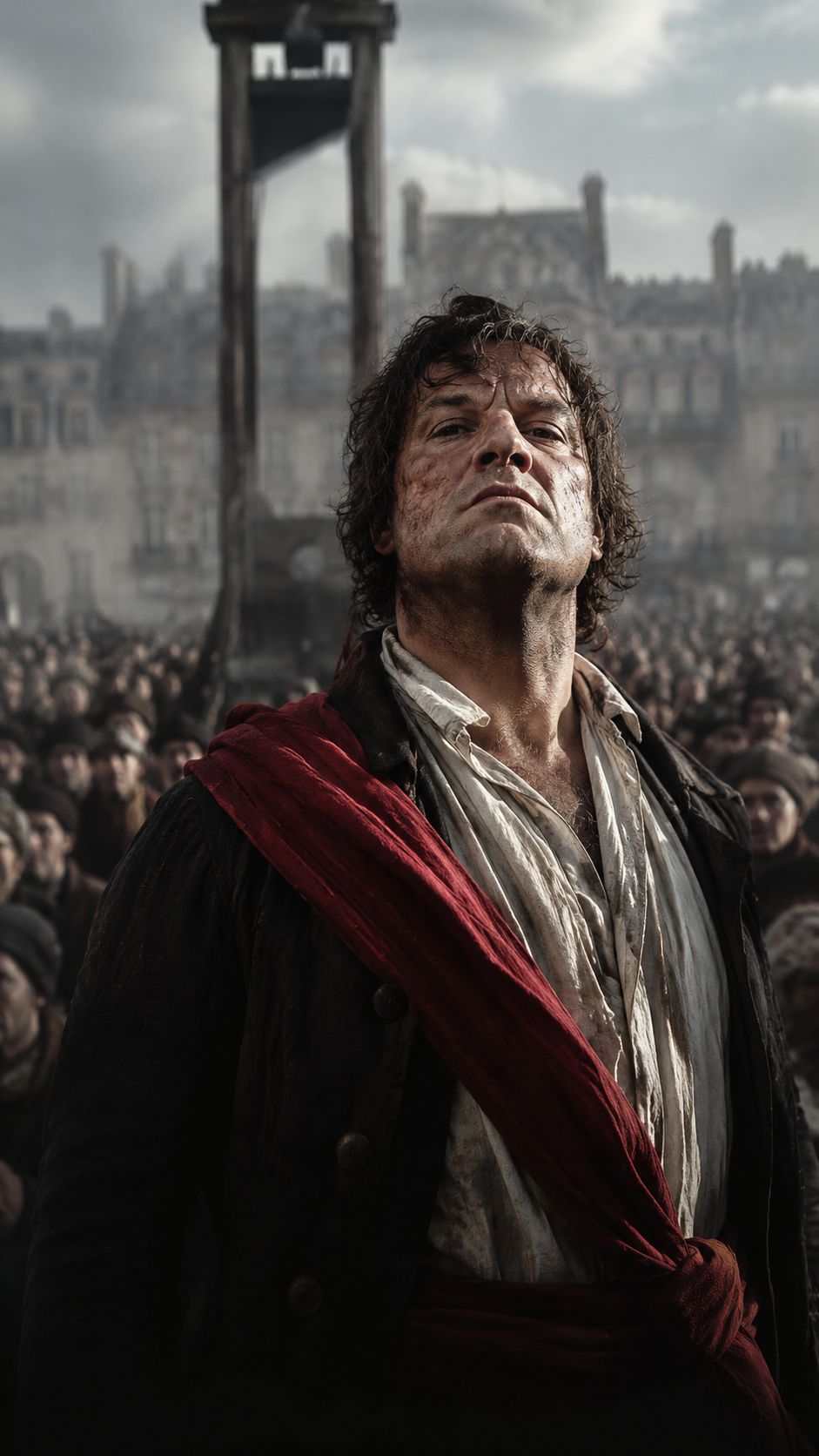 Devoured By The Revolutionary Machine He Built
He helped build the tribunal that sent thousands to the guillotine, and then it turned on him too.
Place de la Révolution, Paris, France · 1794 · same site
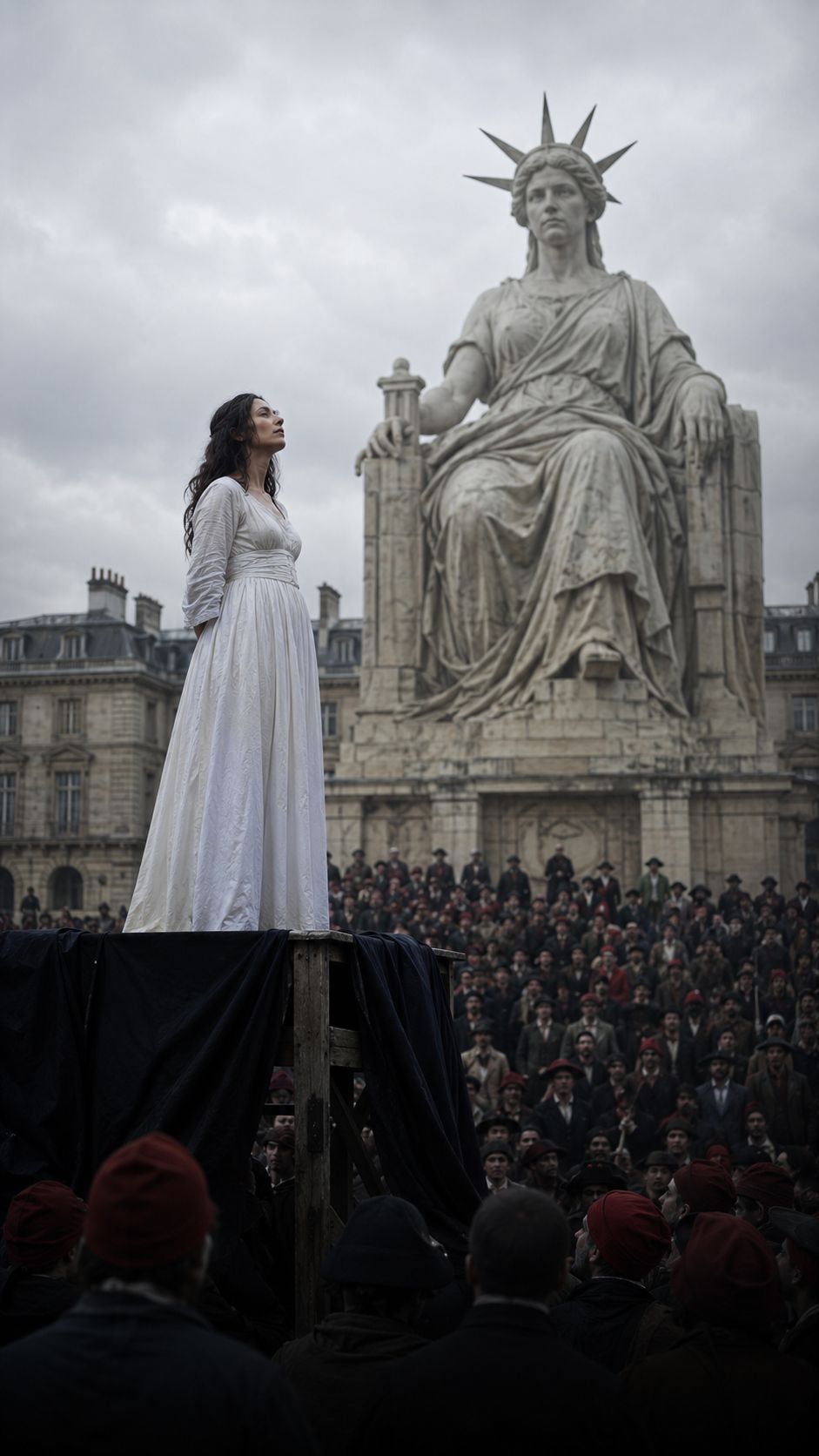 She Faced The Statue Of Liberty Before The Blade Fell
Destroyed by the revolution she helped build, she turned to a statue of Liberty for her final, famous words.
Place de la Révolution, Paris, France · 1793 · same site
 She Wrote Women's Rights Into Existence And Was Guillotined
She demanded the Revolution include women too, and was sent to the same scaffold she had once written about.
Place de la Révolution, Paris, France · 1793 · same site