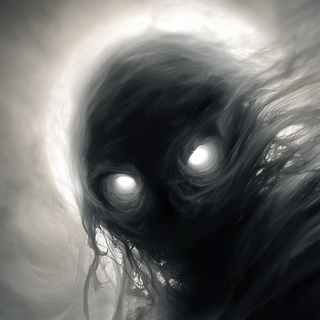
For 527 years, the people of Leicester parked their cars on a king. They reversed into bays above his skull. They paid for tickets above his ribcage. They walked to work across the tarmac that covered the last Plantagenet king of England. Not one of them knew he was there.
Richard III — the most infamous monarch in English history, the villain of Shakespeare’s most famous play, the man accused of murdering the Princes in the Tower — was lying in a hastily dug hole beneath a council car park, with his head propped up at an angle because the grave was too short for his body.
THE HORROR Richard III died on 22nd August 1485 at the Battle of Bosworth Field — the last English king killed in battle. He had been king for two years. He rode into battle wearing his crown. He died charging directly at Henry Tudor — cutting down men in his path, getting within sword’s reach of the man who wanted his throne — before being overwhelmed and killed.
His body was stripped naked on the battlefield. It was thrown over a horse and paraded through the streets of Leicester. The chroniclers recorded that it was displayed publicly for two days — so that everyone could see the king was dead.
Then the humiliation continued after death. The skeleton showed eleven wounds — nine to the head, two to the body. Two of the skull wounds would have been instantly fatal — massive blows from a halberd and a sword that cleaved the base of the skull and penetrated the brain. He had lost his helmet in the fighting. His head was unprotected when the killing blows landed.
But several wounds were inflicted after death. One was a blade thrust through the right buttock — deep into the pelvis, delivered from behind, almost certainly while the body was draped over the horse. A dead king was stabbed in the backside as a final act of contempt by the men who had killed him.
He was buried at Greyfriars Church in Leicester. No coffin. No shroud. No ceremony. The grave was dug too small — the hole was shorter than the body. His legs were crammed in. His torso was twisted. His head was jammed forward at an unnatural angle against the end of the grave because nobody could be bothered to dig another foot of earth.
The last Plantagenet king was buried the way you’d bury a dog.
THE MODERN RELIC Greyfriars Church was dissolved by Henry VIII in 1538 — fifty-three years after Richard’s burial. The building was demolished. The site was built over. By the 20th century, it was a car park operated by Leicester City Council.
In August 2012, a team from the University of Leicester began digging. The first trench they cut — the first one — hit the skeleton. The odds of finding a body on the first attempt, in a car park that covered an area far larger than the original church, were extraordinary.
The skeleton had scoliosis — a pronounced lateral curve of the spine. Shakespeare had called Richard a hunchback. He was wrong about the hump. He was right about the curve. The most famous physical description in English literature was partly confirmed by a skeleton under a parking lot.
DNA was extracted from the bones and matched to a living descendant — Michael Ibsen, a Canadian furniture maker living in London, who was a direct maternal descendant of Richard’s sister Anne of York. A cabinetmaker from Canada confirmed the identity of the last Plantagenet king.
Then Ibsen built the coffin. The man whose DNA proved the skeleton was Richard III constructed the oak coffin in which the king was reburied. The descendant who confirmed the king built the box that carried him.
On 26th March 2015, Richard III was reinterred at Leicester Cathedral — with the Archbishop of Canterbury presiding, the royal family in attendance, and a ceremony broadcast to millions. From a car park to a cathedral. From a hole too short for his body to an oak coffin built by his own bloodline. 527 years between the first burial and the second. The people who parked their cars above him never knew. The man who proved his identity built his coffin with his own hands.
Nearby on the Dark Atlas
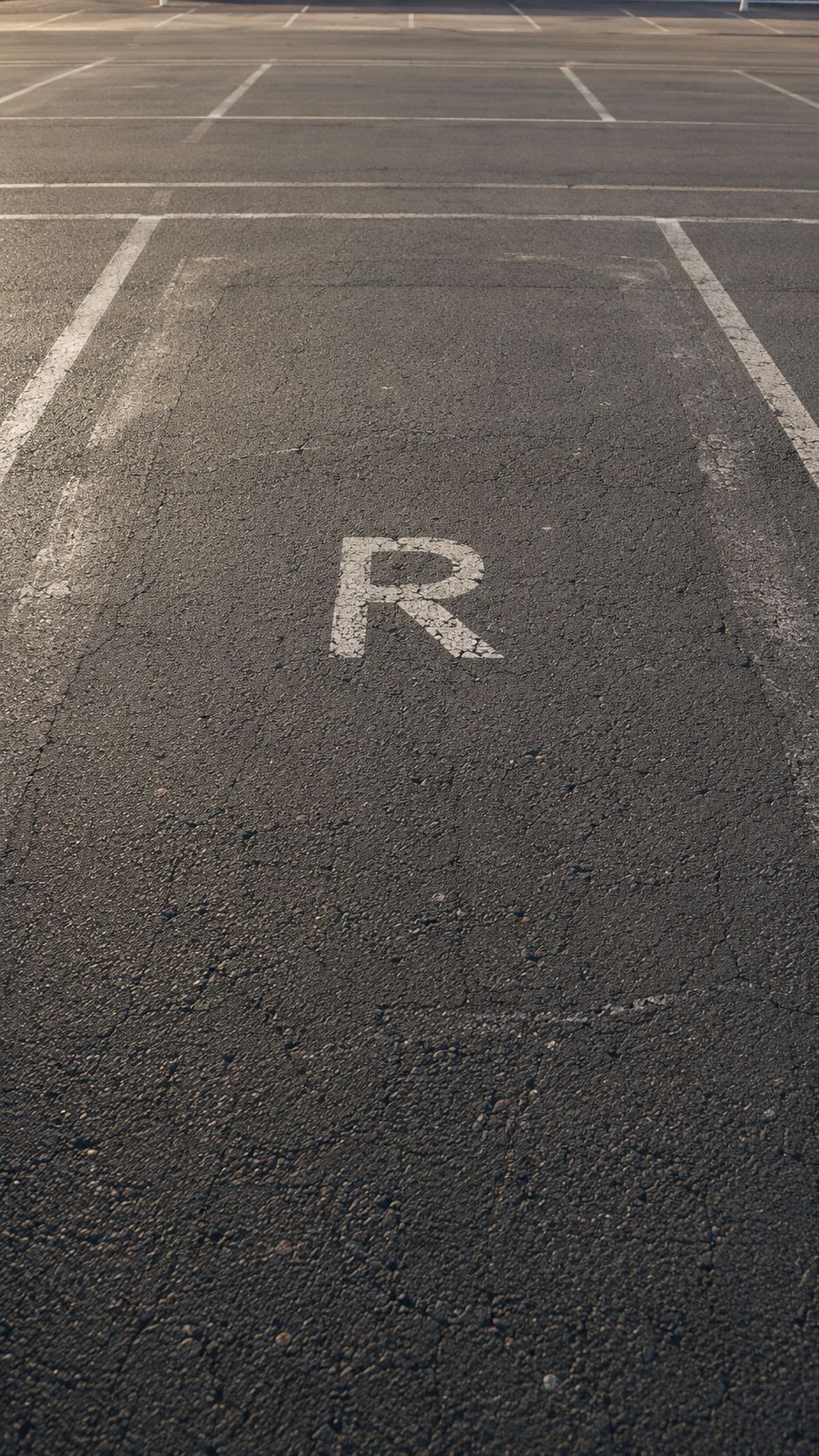 The Last King To Die In Battle, Buried In A Car Park
He charged straight at his rival hoping to end the war in one blow — and his naked body was slung over a horse and paraded through Leicester.
Bosworth Field, United Kingdom · 1485 · 19 km away
 The Viking Whose Bones May Have Been Found
A legendary Viking believed his bones would magically protect the land, and centuries later a mass grave may have proven it true.
Repton, Derbyshire, United Kingdom · 873 · 36 km away
 The Queen Who Dressed for Martyrdom
On her final morning, she revealed a crimson gown beneath her black robes — the color of Catholic martyrdom.
Fotheringhay, United Kingdom · 1587 · 48 km away
 The Slave Trader Who Wrote Amazing Grace
A sailor prays for the first time in years as his ship breaks apart in a storm, then goes back to trading enslaved people for six more years.
Olney, United Kingdom · 1748 · 62 km away
More like this
- The Diplomat Hanged As A Traitor And Honoured As A Saint
The man who exposed Congo's atrocities was hanged for treason, then given a hero's state funeral decades later.
Pentonville Prison, London, United Kingdom · 1916
- The Real Survival Story Behind The Revenant
Mauled by a bear and left for dead, a frontier trapper crawled across hundreds of miles of wilderness to survive.
Shadehill, South Dakota, United States · 1823
 The Rape Trial That Ended In Trial By Combat
A woman's accusation of rape led to France's last judicial duel, with her own life staked on the outcome.
Paris, France · 1386
- The Parish Registers Of The Beast's Victims
Between 1764 and 1767 something killed roughly a hundred people, recorded in the registers as 'devoured by the beast.'
Saugues, France · 1764