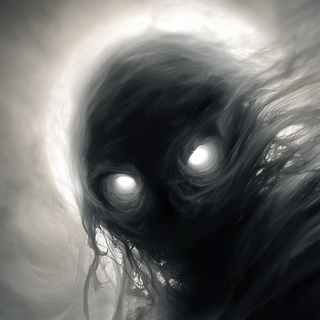
In November 1827, a man died owing rent at a boarding house in Edinburgh’s West Port. His landlord, William Hare, had a simple idea: sell the body to one of the city’s anatomy schools and recoup the loss. His friend William Burke helped carry the corpse through the dark streets to Dr Robert Knox’s dissection rooms in Surgeon’s Square.
Knox paid £7 and 10 shillings. As they left, his assistant said: “Dr Knox would be happy to see you again when you have another body to dispose of.”
They took the invitation literally.
The Horror
Over the following ten months, Burke and Hare killed at least 16 people. Not grave‑robbing — murder. They lured victims to the boarding house, plied them with whisky, and suffocated them by pinning them down — Burke lying across the chest while Hare held the jaw shut — a method so distinctive it entered the language as “burking.”
Their victims were Edinburgh’s most vulnerable: prostitutes, beggars, lodgers, the elderly and the ill. People nobody in authority was likely to miss or investigate. Knox paid between £7 and £10 per body — roughly £1,000 to £1,600 in today’s money — and asked no real questions about where they came from.
One victim, a young woman named Mary Paterson, was so fresh and well‑preserved that Knox reportedly pickled her body in whisky and kept it for months. Several students recognised her from the streets. He continued with the dissection anyway.
On Halloween night 1828, Burke and Hare killed their final victim, Marjory Campbell Docherty. A suspicious lodger discovered her body hidden under a bed. Word reached the police. The boarding house was searched. Burke and Hare were arrested.
Hare was offered immunity if he testified against Burke. He took the bargain. He walked free.
Knox was never charged. Burke’s written confession insisted the doctor had not known the bodies were murder victims, but most of Edinburgh did not believe it. Crowds burned Knox in effigy outside his home. A street rhyme did the rest:
“Burke’s the butcher, Hare’s the thief, Knox the boy that buys the beef.”
Burke was tried, convicted and hanged on 28 January 1829 before a crowd of around 25,000 people. Then — in the supreme irony — the man who had sold 16 bodies for dissection was publicly dissected himself.
His corpse was taken to the anatomy theatre. Members of the public were admitted to view the remains; contemporary accounts say as many as sixty people a minute filed past. Anatomy students removed small pieces of his skin as macabre souvenirs. The skin was tanned. It was used to bind at least one book. A small calling card case was made from the skin of his left hand, treated, decorated with gold tooling, and sold.
Nearby on the Dark Atlas
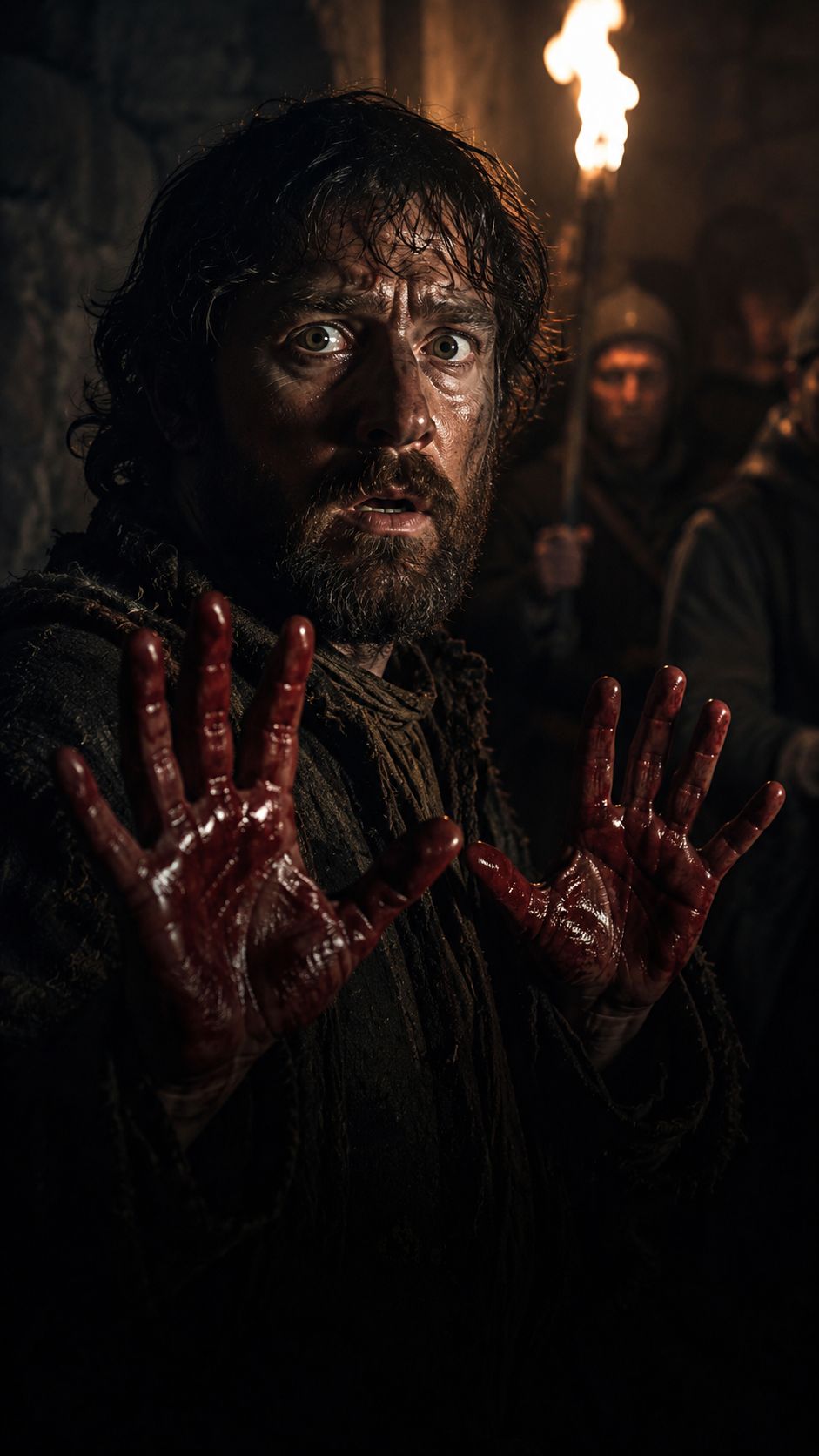 The Bloody Scottish Law Behind Red-Handed
A phrase now used for stolen biscuits once meant a killer caught with blood still on his hands.
Edinburgh, United Kingdom · 1819 · same site
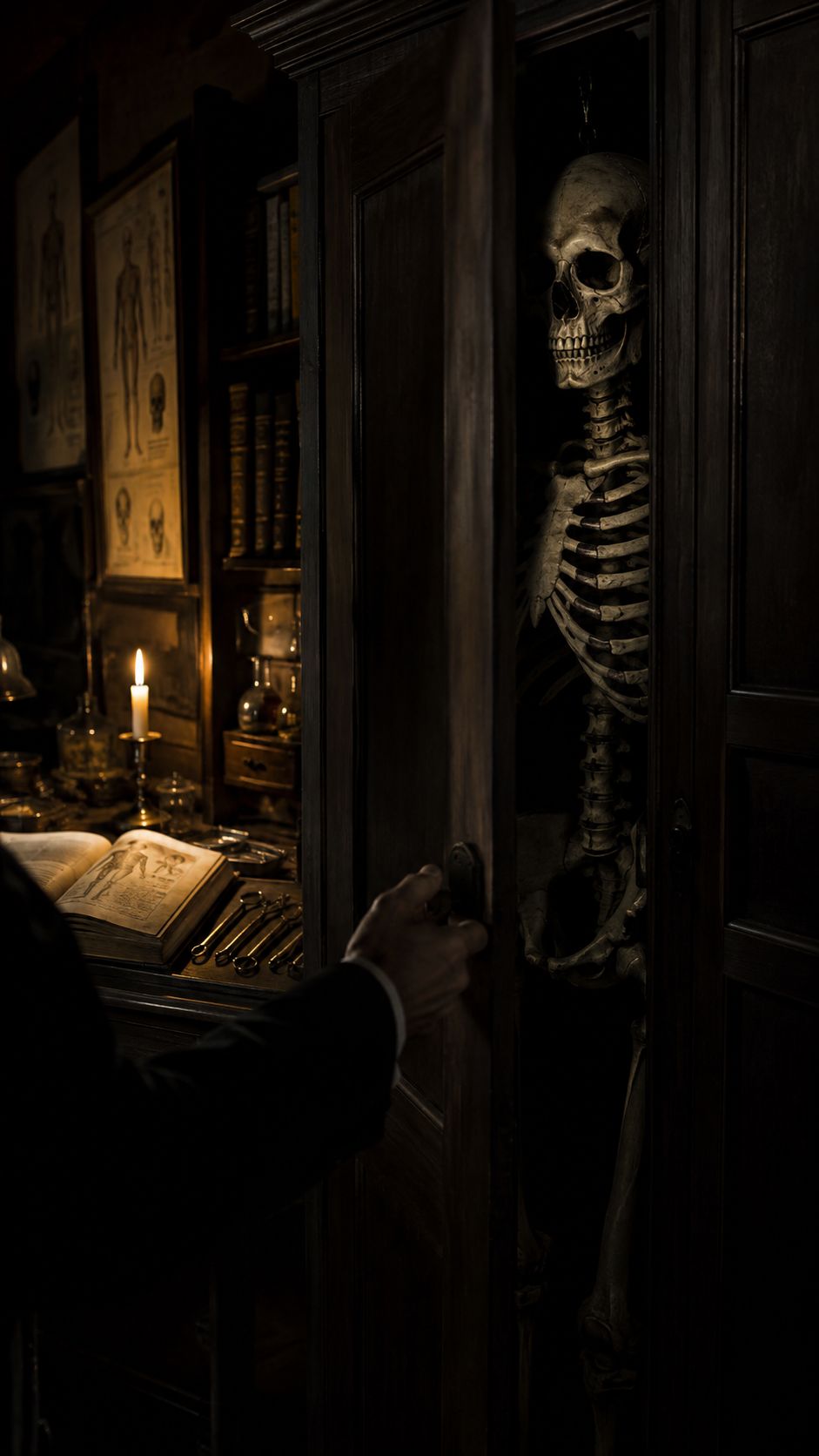 The Body Snatchers Behind A Grim Phrase
A saying for hidden shame may trace back to doctors forced to hide illegally obtained corpses in their own homes.
Edinburgh, United Kingdom · 1816 · same site
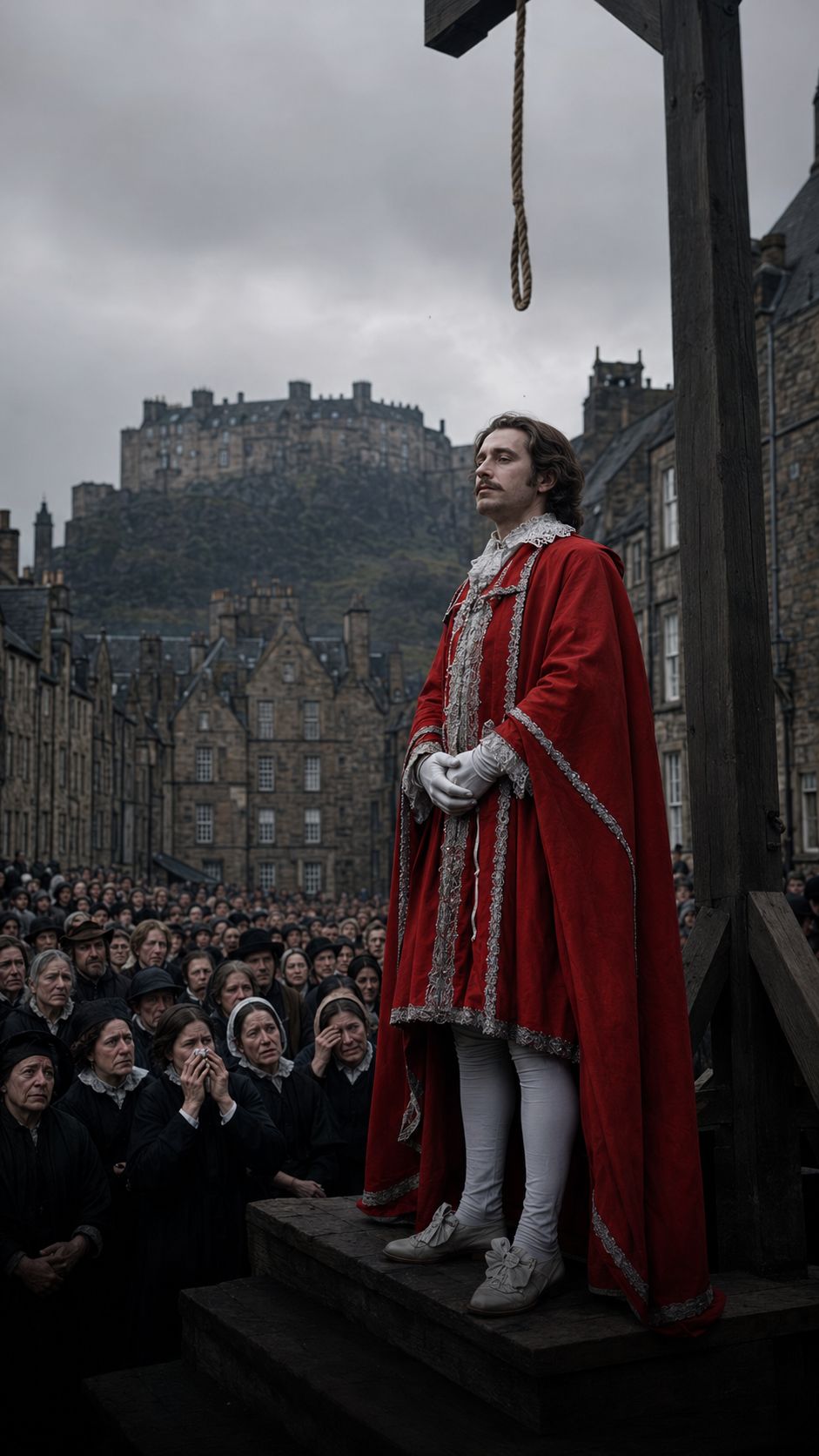 The General Hanged Then Scattered Across Scotland
Betrayed and humiliated at his own execution, he turned it into a final, shaming display of unbroken dignity.
Edinburgh, United Kingdom · 1650 · same site
- The Iron Mask That Punished Women for Talking
An iron spike rested on the tongue and any attempt to speak drove it in, and a husband alone could order it used.
Edinburgh, United Kingdom · 1650 · same site