After twenty years — ten at Troy, ten lost at sea — Odysseus came home to Ithaca disguised as a beggar. The disguise was everything. One hundred and eight suitors had occupied his palace, eating his food, drinking his wine, and competing to marry his wife Penelope. If they recognised the beggar, they would kill him before he could kill them.
He walked through the gate of his own home looking like a stranger. His wife did not know him. His servants did not know him. His son — who had been an infant when he left — had been told in advance but could barely hold the secret.
One creature in the entire palace recognised him instantly, without being told, without a sign, without divine intervention. It was lying on a pile of dung.
THE HORROR Argos had been a magnificent hunting dog. Odysseus had raised him as a puppy — trained him, hunted with him, watched him run down deer and wild goat across the hills of Ithaca. Homer describes him as once being famous for his speed and strength and his nose that could track anything.
That was twenty years ago. Odysseus sailed for Troy before the dog was fully grown. He never hunted with Argos. Not once.
For twenty years — while Odysseus fought at Troy, while he blinded the Cyclops, while he passed between Scylla and Charybdis, while Circe turned his men to pigs, while the bag of winds blew him backward across the sea — Argos waited.
The palace decayed. The servants stopped maintaining it. The suitors moved in. Nobody cared for the dog. He was moved — or moved himself — to a pile of mule and cattle dung outside the gate. He lay there. Ticks covered him. His muscles wasted. His eyes clouded. The fastest dog on Ithaca could no longer stand.
Homer does not spare the details. The dung heap. The ticks. The weakness. The abandonment. The poet wants the audience to see what twenty years of absence does — not to a kingdom, not to a marriage, not to a throne — but to a dog.
Then the beggar walked through the gate.
Argos lifted his head. He pricked his ears. He wagged his tail — a slow thump against the filth beneath him. He dropped his ears in greeting. He tried to move toward his master. He could not.
He knew. The disguise that fooled a palace full of humans could not fool a dog lying on a dung heap. Argos recognised the man he had not seen for twenty years — by scent, by voice, by something Homer does not name — and responded with the only thing his body still had to give: a wag.
Odysseus saw him. He recognised the dog immediately. And he could do nothing.
If he went to Argos — if he knelt, if he touched him, if he showed the emotion a man shows when he sees a dog he raised as a puppy dying on a pile of waste — the disguise would shatter. The suitors would know. The plan would collapse. Twenty years of trying to get home would be undone by the act of touching his own dog.
Odysseus turned his face away from his companion and wiped a tear from his cheek. He did it quickly — so that Eumaeus, the swineherd walking beside him, would not see.
Then he walked into the palace. He did not look back.
Homer writes: “Argos passed into the darkness of death, now that he had seen his master once more after twenty years.”
One wag. One tear. One death. Twenty years of waiting ended with a tail moving in the filth and a man who could not cross twenty feet of courtyard to say goodbye.
THE MODERN RELIC The scene lasts seventeen lines in Homer’s original Greek — seventeen lines in a poem of more than twelve thousand for one of the most devastating reunions in Western literature.
After Argos dies, the poem continues. Odysseus enters the palace. He endures insults from the suitors. He strings the great bow nobody else can string. He kills all one hundred and eight of them — arrow and sword, in the great hall, blood on the floor from wall to wall.
Then he orders the twelve slave women — the servants who had shared the beds of the suitors — to clean the blood from the hall. They scrub the floor. They carry the bodies. They wash the tables. When the hall is clean, Odysseus has them taken to the courtyard and hanged.
Twelve women. In a row. Their crime: being slaves who were used by the men their master killed. They cleaned the blood. Then they became part of it. Homer compares their deaths to birds caught in a net — “their feet moved for a little while, but not for long.”
The dog died for loyalty. The women died for the lack of a choice they were never given. The man who could not touch his dying dog had no trouble ordering the hanging of twelve women who had done what slaves do — survive.
The Odyssey is taught in every school in the English-speaking world. The dog gets seventeen lines. The women get twelve. The poem has lasted 2,800 years. The dog is remembered. The women are a footnote.
Nearby on the Dark Atlas
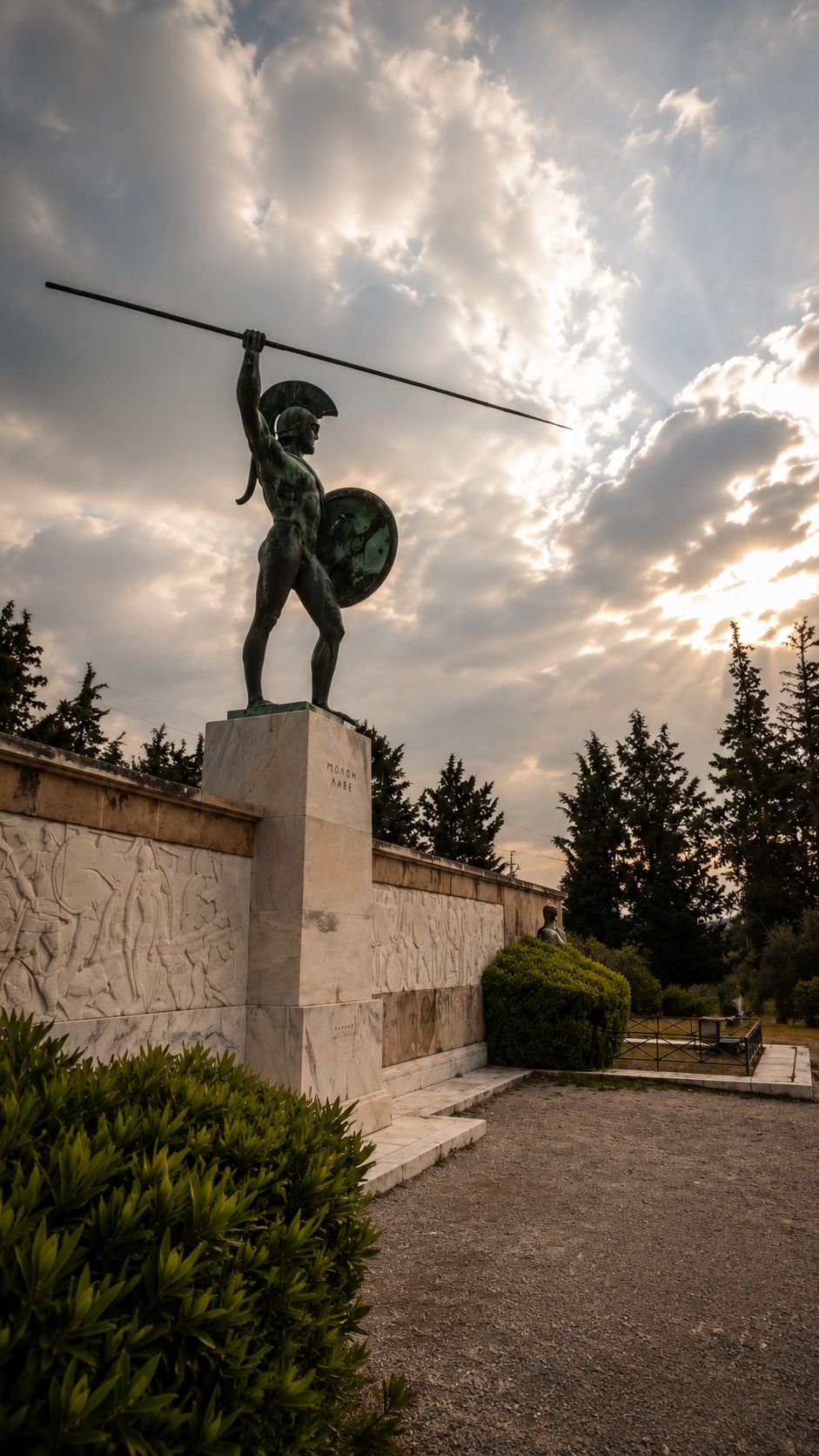 The Real Battle Behind The Legend Of 300
The film shows 300 Spartans making a last stand alone, but the truth about who actually held the pass at Thermopylae is crueller.
Thermopylae, Greece · 480 BC · 167 km away
 Sparta's Secret Death Squad Of Teenage Killers
Sparta's elite trained teenage boys to murder enslaved Helots in the dark as a rite of passage into manhood.
Sparta, Greece · 424 BC · 217 km away
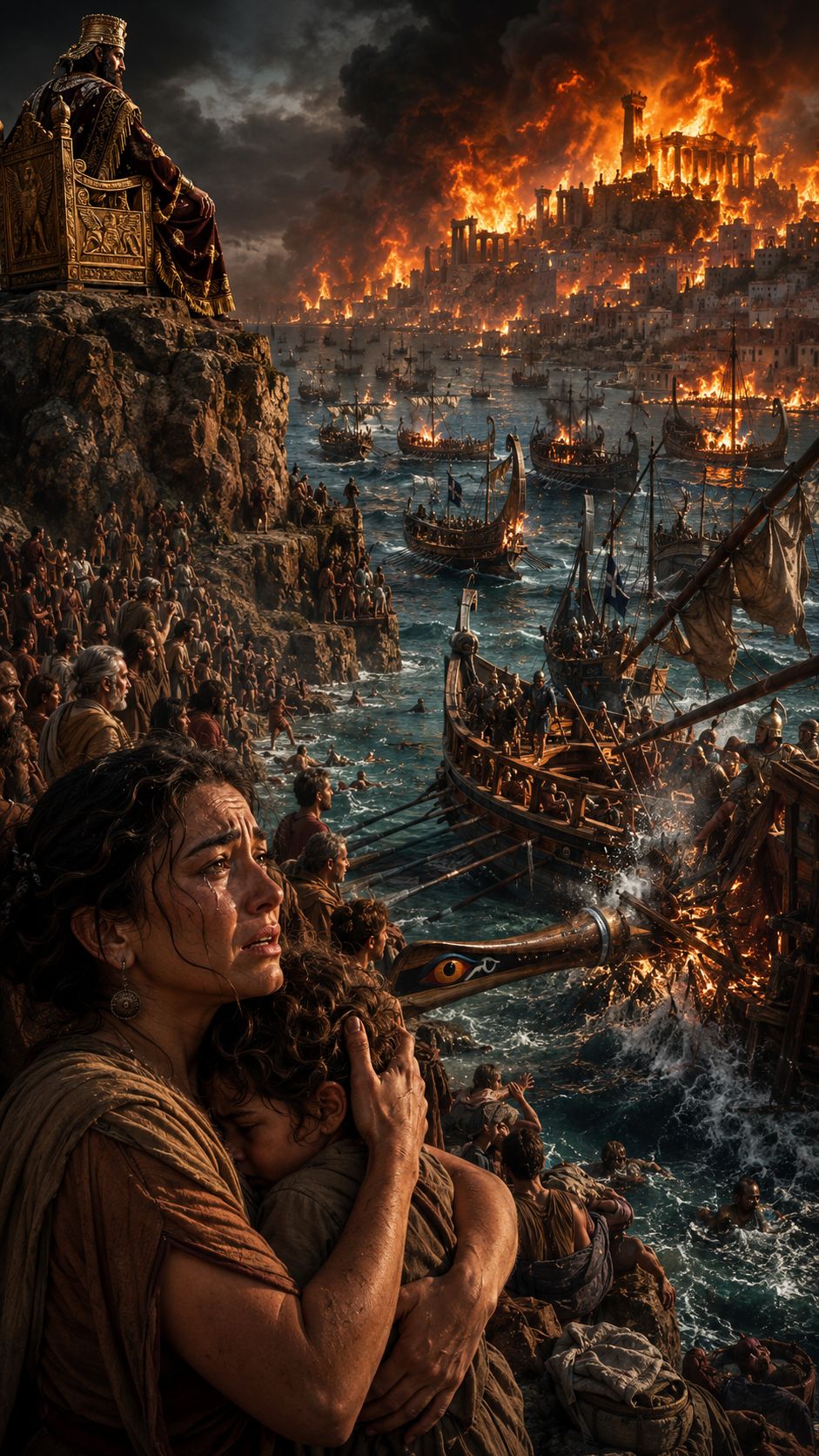 The Wooden Wall That Saved Athens
A cryptic oracle's prophecy about a wooden wall led Athens to lure the Persian fleet into a narrow strait and destroy it before Xerxes' eyes.
Salamis, Greece · 480 BC · 253 km away
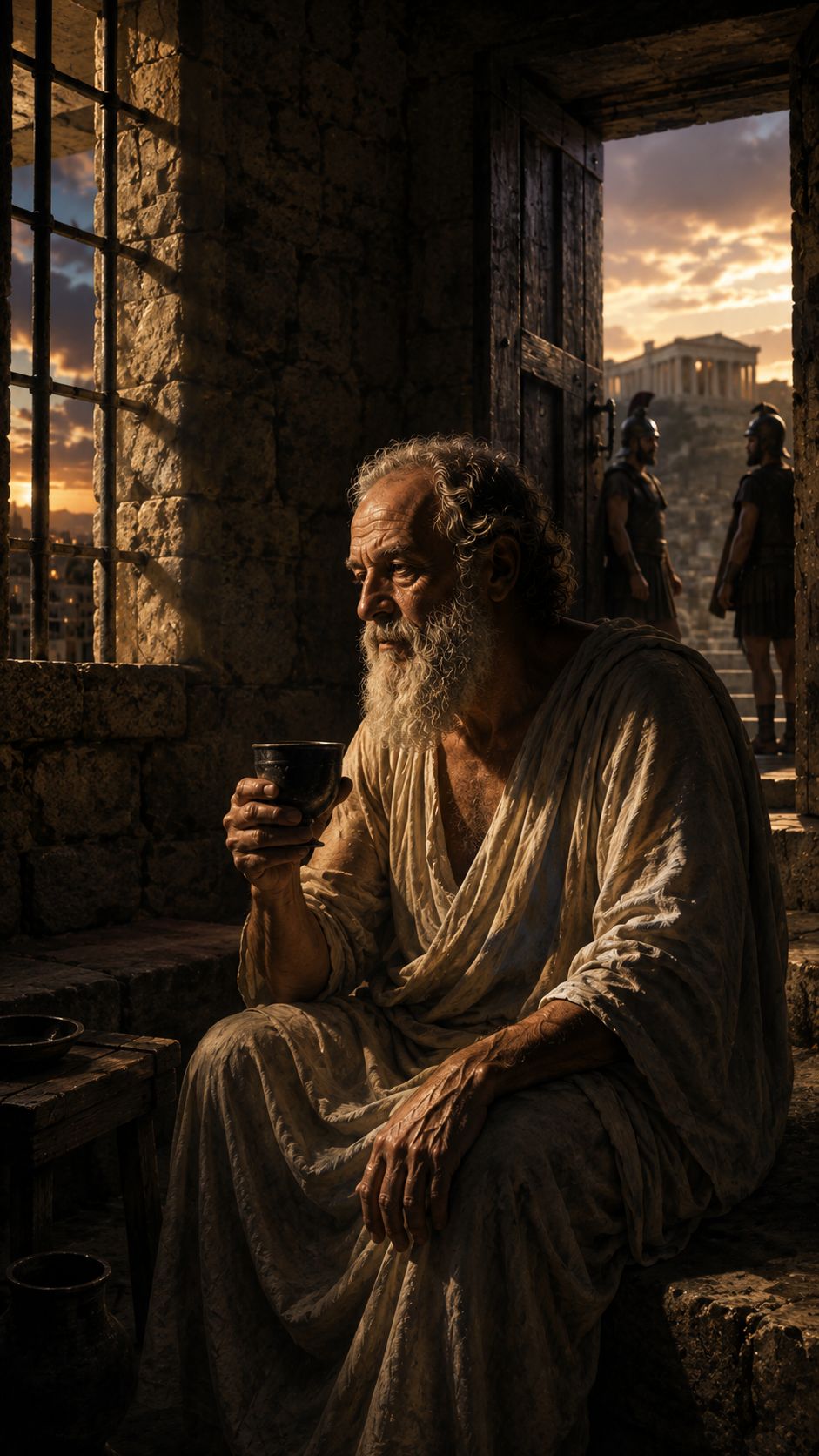 The Old Man Athens Put On Trial For Asking Questions
A seventy-year-old philosopher was condemned for corrupting the youth — his real crime was making powerful men look foolish.
Athens, Greece · 399 BC · 272 km away
More like this
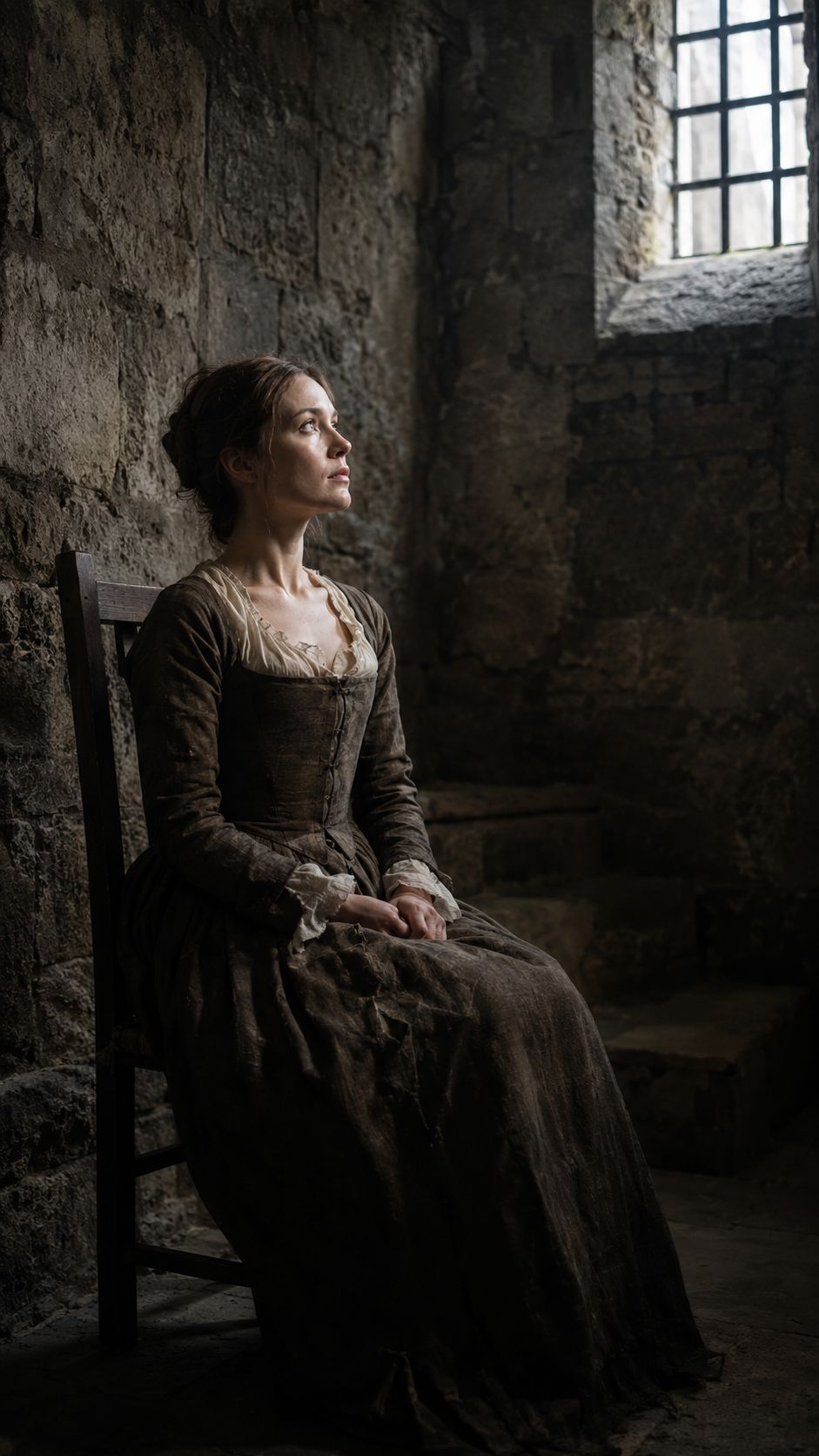 The Rape Trial That Ended In Trial By Combat
A woman's accusation of rape led to France's last judicial duel, with her own life staked on the outcome.
Paris, France · 1386
- The Parish Registers Of The Beast's Victims
Between 1764 and 1767 something killed roughly a hundred people, recorded in the registers as 'devoured by the beast.'
Saugues, France · 1764
- The Manufacturing Of England's Most Haunted House
For decades it was called the most haunted house in England, until its ghost story revealed how a haunting gets made.
Borley, Essex, United Kingdom · 1929
- The Truth Behind The Elephant Man
The real man behind the famous film was quieter, stranger and far more heartbreaking than any screenplay.
Whitechapel, London, United Kingdom · 1890