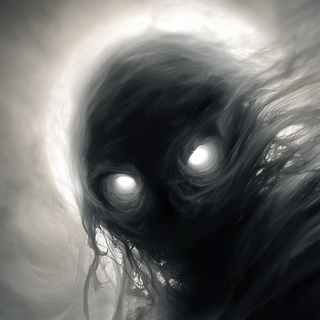
The English monarchy turned a pirate’s execution into a highly complex, multi-stage public performance. 🏰⚓
William de Marisco was a nobleman who turned into a ruthless pirate leader. Operating from a heavily fortified stronghold on Lundy Island off the coast of Devon, he spent years raiding the King’s merchant ships, killing sailors, and causing economic chaos. When he was finally captured after a massive naval siege in 1242, King Henry III decided to make an absolute, unforgettable example of him.
The Horror
The execution was so medieval that it was intentionally engineered to destroy his body in four distinct, systematic stages. First, he was tied to a wooden frame and dragged by wild horses across the rough cobblestone streets of London to the gallows. Second, he was hung by the neck, but cut down right before he lost consciousness to prolong the agony.
Third, while still breathing, the executioner disemboweled him, removing his vital organs on a wooden table. Fourth, his body was completely dismembered, and his head was cut off and placed on a sharp iron spike atop London Bridge. This elaborate process was specifically designed as a legal performance—showing the public that betraying the crown meant your body would be systematically dismantled piece by piece.
The Modern Relic
You can stand right at the edge of the rugged cliffside where this pirate knight planned his raids by visiting Lundy Island in the Bristol Channel, England. The sheer, rocky cliffs and the ruins of the medieval fortifications—often called Marisco Castle—still stand today, battered by the Atlantic winds. Walking through the cold, stone ruins looking out over the grey sea gives you a chillingly isolated perspective on the exact hideout that defied a king until the executioner’s table caught up with him.
Nearby on the Dark Atlas
- The Man The Gallows Refused To Kill
He stood on the trapdoor three times in one morning, and three times the gallows failed to hang him.
Exeter, United Kingdom · 1885 · 94 km away
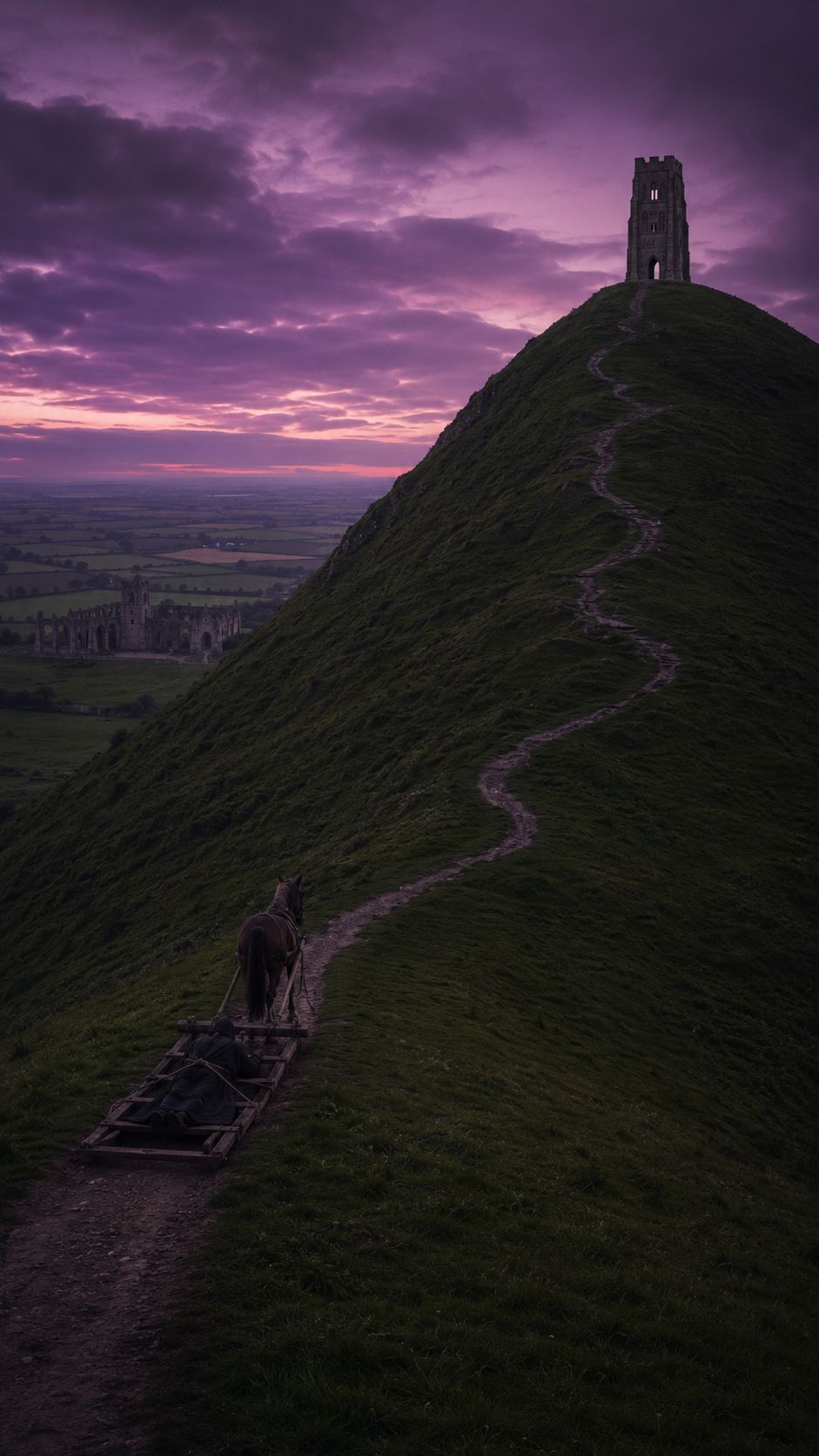 The Abbot Butchered For His Abbey's Gold
An elderly abbot stood between Henry VIII and England's richest monastery, and was dragged up the Tor to die for it.
Glastonbury Tor, Glastonbury, United Kingdom · 1539 · 137 km away
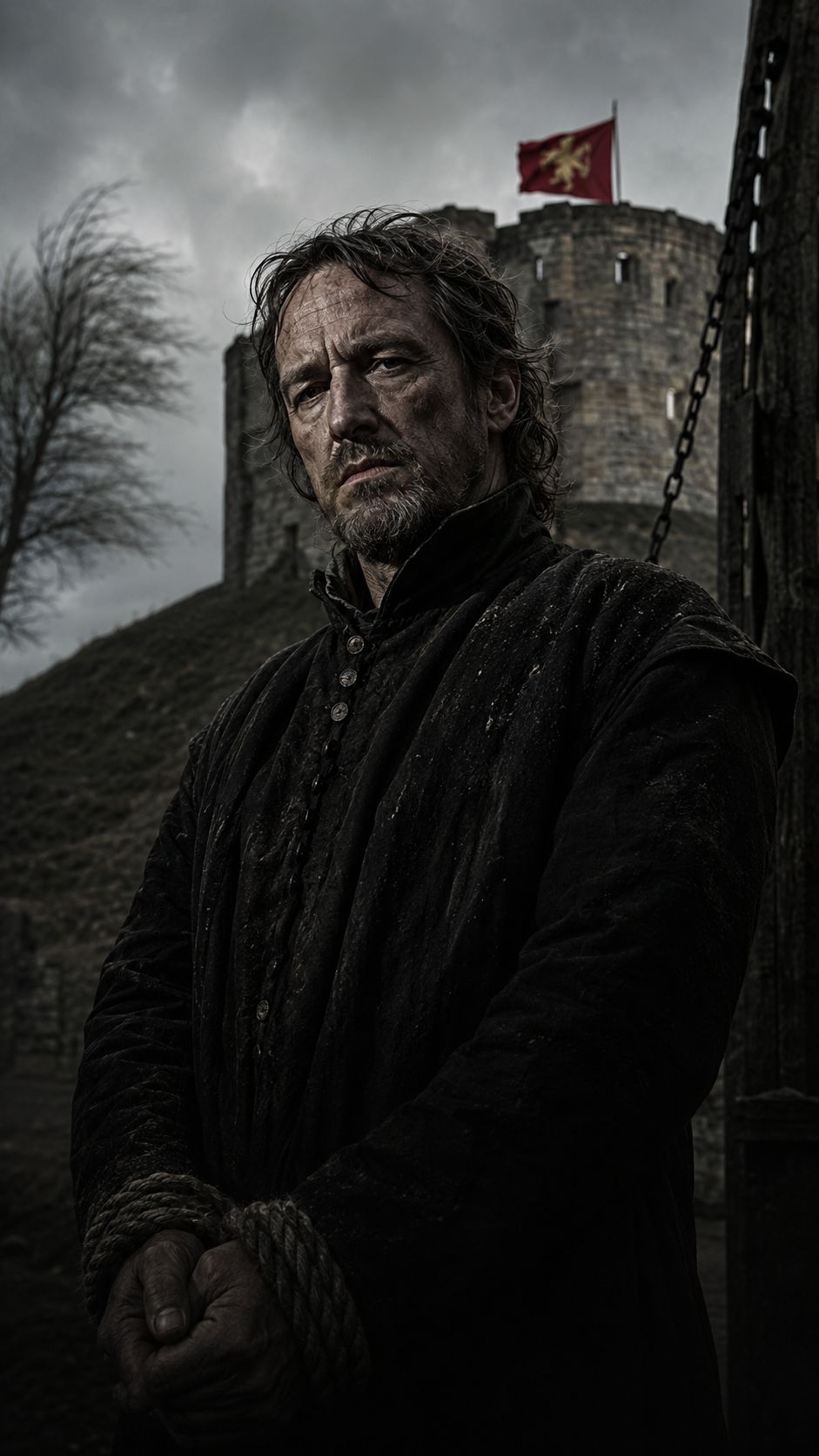 The King Who May Have Escaped His Murder
The red-hot poker story may be propaganda; a mysterious letter claims the deposed king actually escaped his own killing.
Berkeley Castle, Berkeley, United Kingdom · 1327 · 163 km away
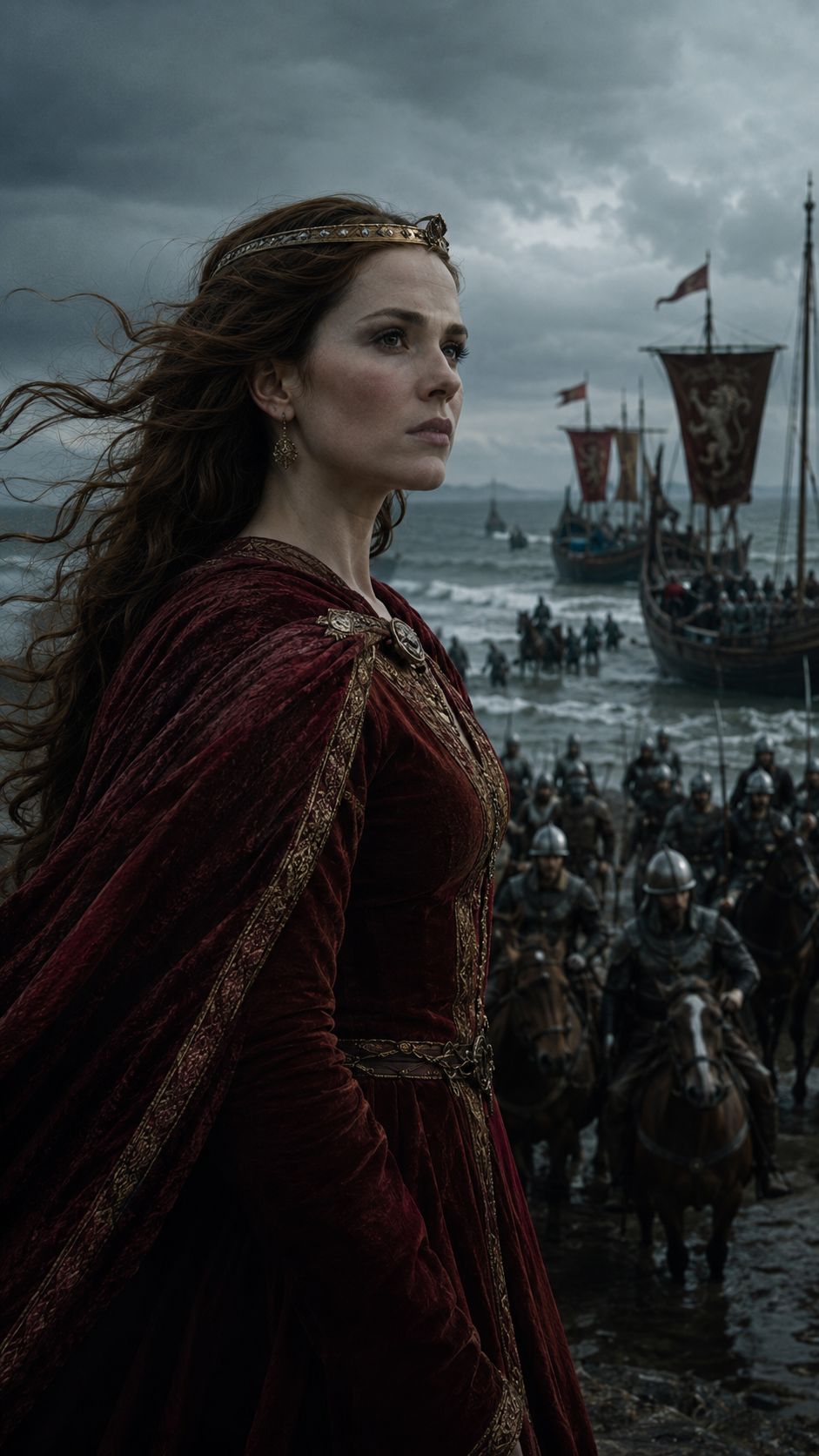 The She-Wolf Who Overthrew Her Own King
A humiliated queen raised an army against her own husband and brought down a King of England.
Berkeley Castle, Berkeley, United Kingdom · 1327 · 163 km away