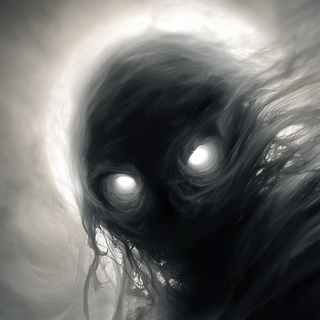
Greyfriars Kirkyard, in the heart of Edinburgh’s Old Town, is one of the most atmospheric graveyards in Britain — a place of leaning, blackened tombstones and centuries of the dead. It is also, by a great many accounts, one of the most violently haunted places anywhere in the world. And what makes it so unsettling is that its ghost story is welded to a piece of very real, very brutal, documented history.
THE HISTORY: In the seventeenth century, Scotland was torn apart by religious war. The Covenanters were Presbyterians who signed a covenant to defend their form of worship against the Crown’s attempts to control the Church. And the man who became their great persecutor was Sir George Mackenzie, Lord Advocate — the King’s chief prosecutor in Scotland from 1677. He pursued the Covenanters so ruthlessly that he earned a name that has stuck for three and a half centuries: “Bluidy Mackenzie.” After the Covenanters were crushed at the Battle of Bothwell Bridge in 1679, roughly 1,200 prisoners were marched to Edinburgh. Several hundred of them were confined in a corner of Greyfriars Kirkyard — in the open air, through punishing months, with little food, water or shelter. Some died there, while others escaped, were released or were sentenced to transportation. The often-repeated claim that only forty-eight of all 1,200 survived confuses this history with the later wreck of the transport ship Crown of London, from which only about forty-eight prisoners survived. That corner of the graveyard is still called the Covenanters’ Prison to this day. And when Sir George Mackenzie himself died in 1691, he was entombed in a grand, domed black mausoleum — a short walk from the very ground where the men he had condemned had suffered and died.
For three centuries, the tomb sat undisturbed, a grim monument to a grim man, and Greyfriars was simply an old and beautiful graveyard. And then, in 1999, everything changed. A homeless man, seeking shelter from the cold, broke into the Black Mausoleum — Mackenzie’s tomb — and, according to the story, fell through the floor into a sunken burial vault beneath, among the coffins. From that moment on, reports of something violent and malevolent around the tomb exploded.
The Modern Relic
What people describe at Greyfriars is not a sad, drifting ghost. It is something that leaves marks. Visitors — many of them on the guided ghost tours that now run to the spot — have reported being scratched, bruised, bitten, struck, gripped by the arm, overcome by cold and dread, and in dozens of cases collapsing or fainting outright at the tomb. Over the years, more than 350 such incidents have been logged, making the “Mackenzie Poltergeist” one of the most documented alleged hauntings in the world. At least two attempts have been made to exorcise or cleanse the site. Whatever you personally believe about poltergeists, the place itself is absolutely real, and you can go: the Covenanters’ Prison and the Black Mausoleum at Greyfriars Kirkyard are now kept locked, and can only be entered on an official guided tour. People still queue to stand at the tomb of “Bluidy Mackenzie” — and some of them, by their own accounts, walk away with scratches and bruises they cannot explain. Just remember, as you stand there, that the true horror of the place is not a ghost at all: it is the real prisoners who suffered and died in the open ground a few steps away.
Nearby on the Dark Atlas
- The Dog Who Slept on His Owner's Grave for 14 Years
For fourteen years, rain or shine, a loyal dog refused to leave his owner's grave, and the city made sure no one could take him away.
Greyfriars Kirkyard, Edinburgh, United Kingdom · 1858 · same site
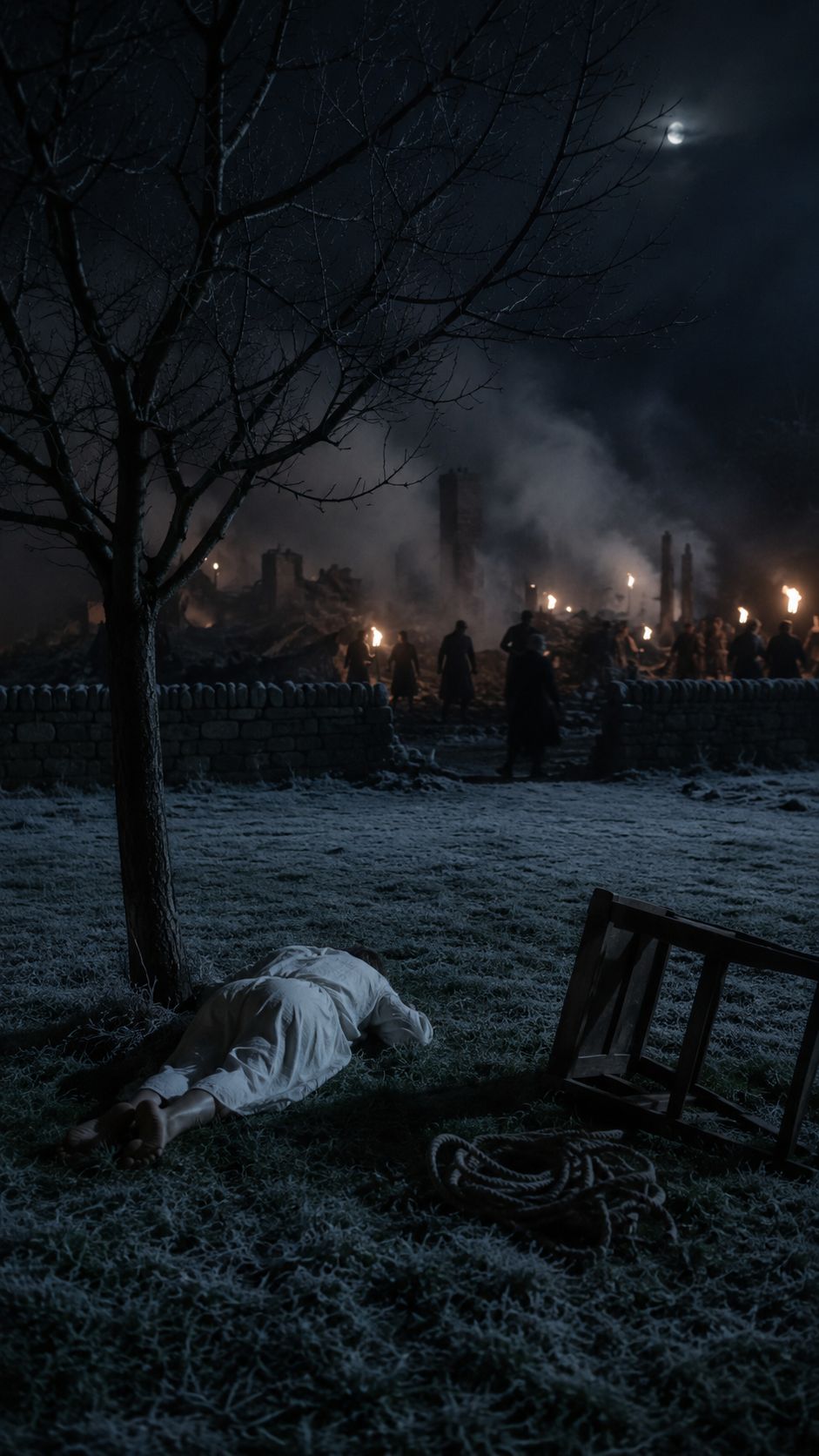 The Husband Blown Up And Strangled In A Nightgown
Mary, Queen of Scots' hated husband was found dead in a garden after his lodging exploded — but he hadn't died in the blast.
Kirk o' Field, Edinburgh, United Kingdom · 1567 · same site
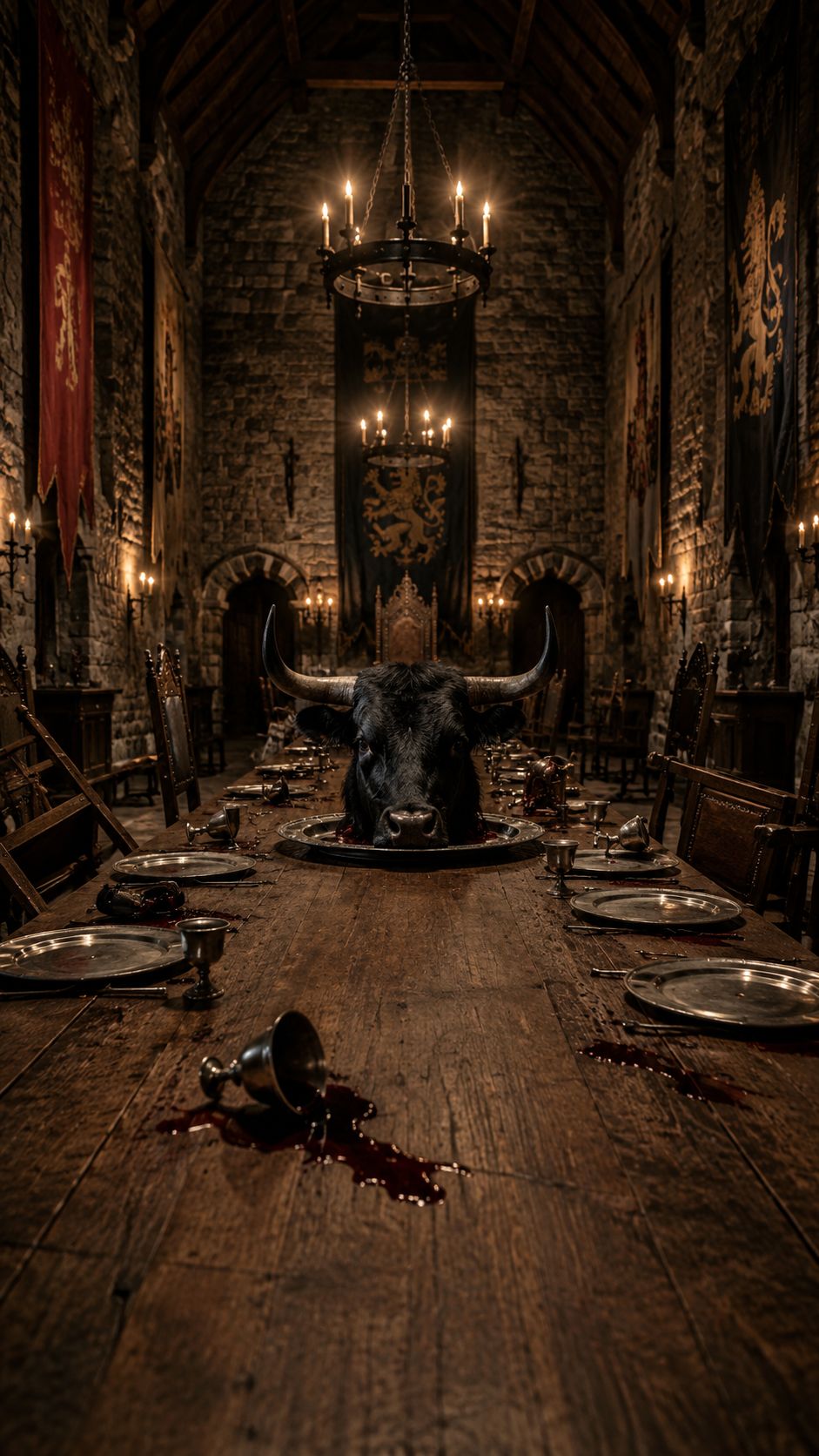 The Dinner That Ended With A Beheading
Scotland's most powerful teenager accepts a dinner invitation to the royal castle, unaware it was designed to destroy his family.
Edinburgh Castle, Edinburgh, United Kingdom · 1440 · same site
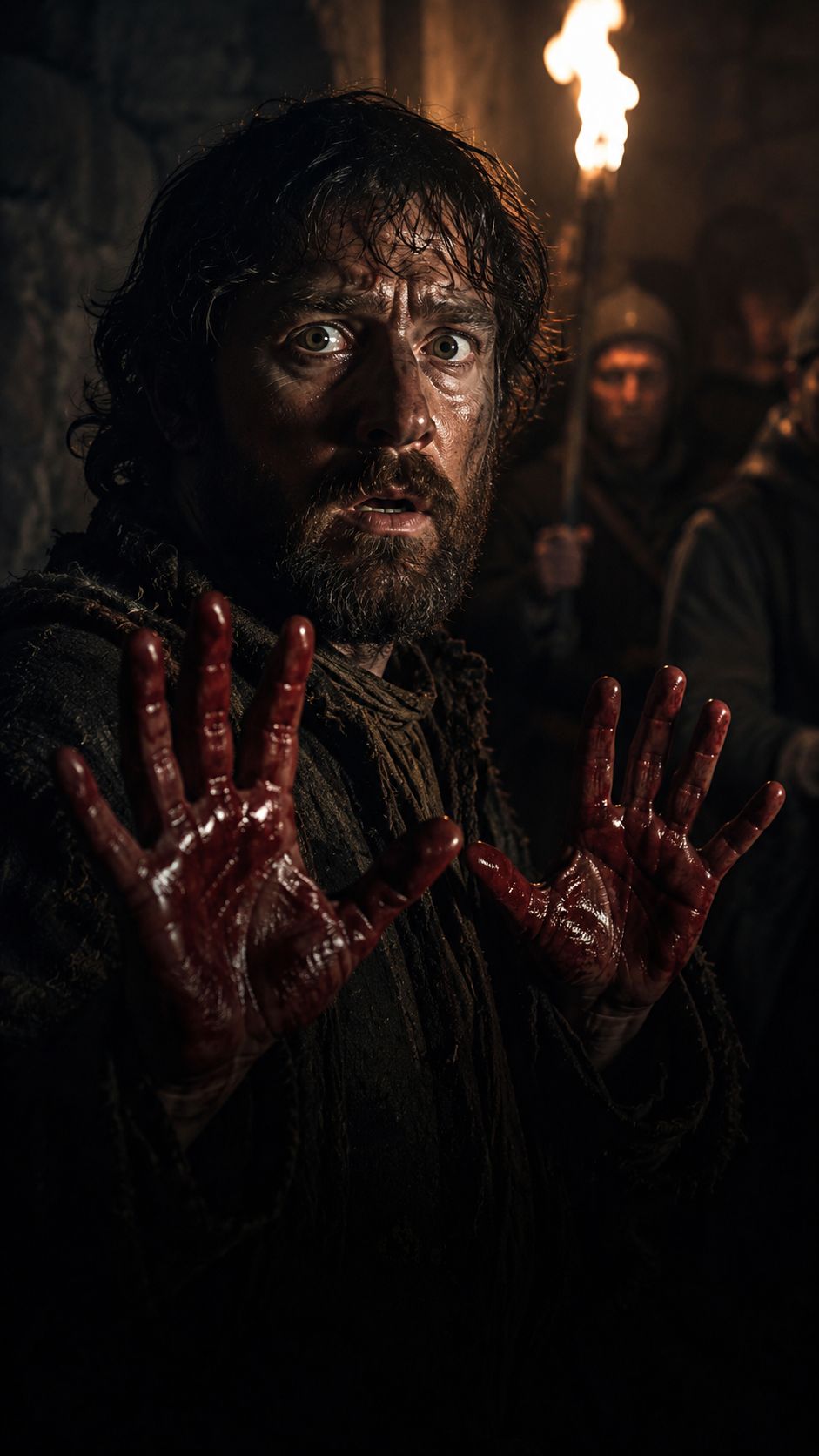 The Bloody Scottish Law Behind Red-Handed
A phrase now used for stolen biscuits once meant a killer caught with blood still on his hands.
Edinburgh, United Kingdom · 1819 · same site