On the night of 31st January 1941, a 42‑year‑old German intelligence agent named Josef Jakobs jumped out of an aircraft over Huntingdonshire, England. He had no formal parachute training. He landed badly, broke his ankle and lay in a field all night, trying to bury or hide his spy equipment. By morning, he could barely move. He pulled out his pistol and fired it into the air until two local farmers — often named as Charles Baldock and Harry Coulson in local accounts — came to investigate.
They found a man in a flying suit over a civilian suit, with a small radio transmitter, forged papers, a map of England, several hundred pounds in cash and food, including at least one German sausage; his mission was to report British weather conditions to assist Luftwaffe bombing raids. His mission lasted only a few hours — most of it spent lying in a field with a broken ankle.
The Horror
Jakobs was taken to Camp 020, MI5’s secret interrogation centre at Latchmere House, where he was questioned for weeks. Major Robin Stephens, the commandant, eventually judged him unsuitable as a double agent. In July 1941 he was charged under the Treachery Act 1940.
He was tried in secret by a military court martial at the Duke of York’s Headquarters in Chelsea on 4–5 August 1941. He was found guilty and sentenced to death.
Jakobs wrote a personal letter to King George VI, offering to work as a spy for Britain instead; the petition was rejected.
On the morning of 15th August 1941, he was taken to the miniature rifle range inside the Tower of London — a narrow strip of ground between the inner and outer walls — to be shot. No one had been executed at the Tower since the Jacobite Simon Fraser, Lord Lovat, in 1747; the gap was nearly 200 years.
Because his ankle had never healed properly, Jakobs could not stand. He was seated in a plain brown wooden chair (often described as a Windsor‑type chair) and strapped to it with ropes. A black hood was placed over his head. A small white patch was pinned over his heart as a target.
Eight soldiers from a holding battalion of the Scots Guards stood opposite him with .303 Lee‑Enfield rifles. A silent signal was given. Moments before they fired, Jakobs called out: “Shoot straight, Tommies!”
The volley was fired at about 7:12 a.m.; one round hit his head, the others struck on or around the target. He died instantly. Major (later Colonel) Robin Stephens, informed of how Jakobs had met his death, is recorded as acknowledging that he had “been a brave man.”
Josef Jakobs was the last person ever executed at the Tower of London. Centuries of Tower executions — from medieval nobles to Tudor queens and First World War spies — ended with a 42‑year‑old weather agent who could not even stand for his own firing squad.
The Modern Relic
The brown chair in which Jakobs sat is preserved and catalogued; photographs of it form part of the Tower and Royal Armouries–related collections. The miniature rifle range where he was shot still exists between the inner and outer curtain walls of the Tower, but it is not on the standard visitor route.
Jakobs was buried in an unmarked grave in St Mary’s Roman Catholic Cemetery, Kensal Green, London; the plot has since been reused and the exact spot is hard to identify. His granddaughter, Giselle Jakobs, has written extensively about his life and death and campaigned for recognition of his story.
Around three million people visit the Tower each year to see the Crown Jewels, the ravens and the scaffold site of Anne Boleyn’s execution. Very few realise that the Tower’s last execution took place not in some distant medieval past, but during the Second World War — on a narrow range, at 7:12 in the morning, with a man sitting in a chair.
Nearby on the Dark Atlas
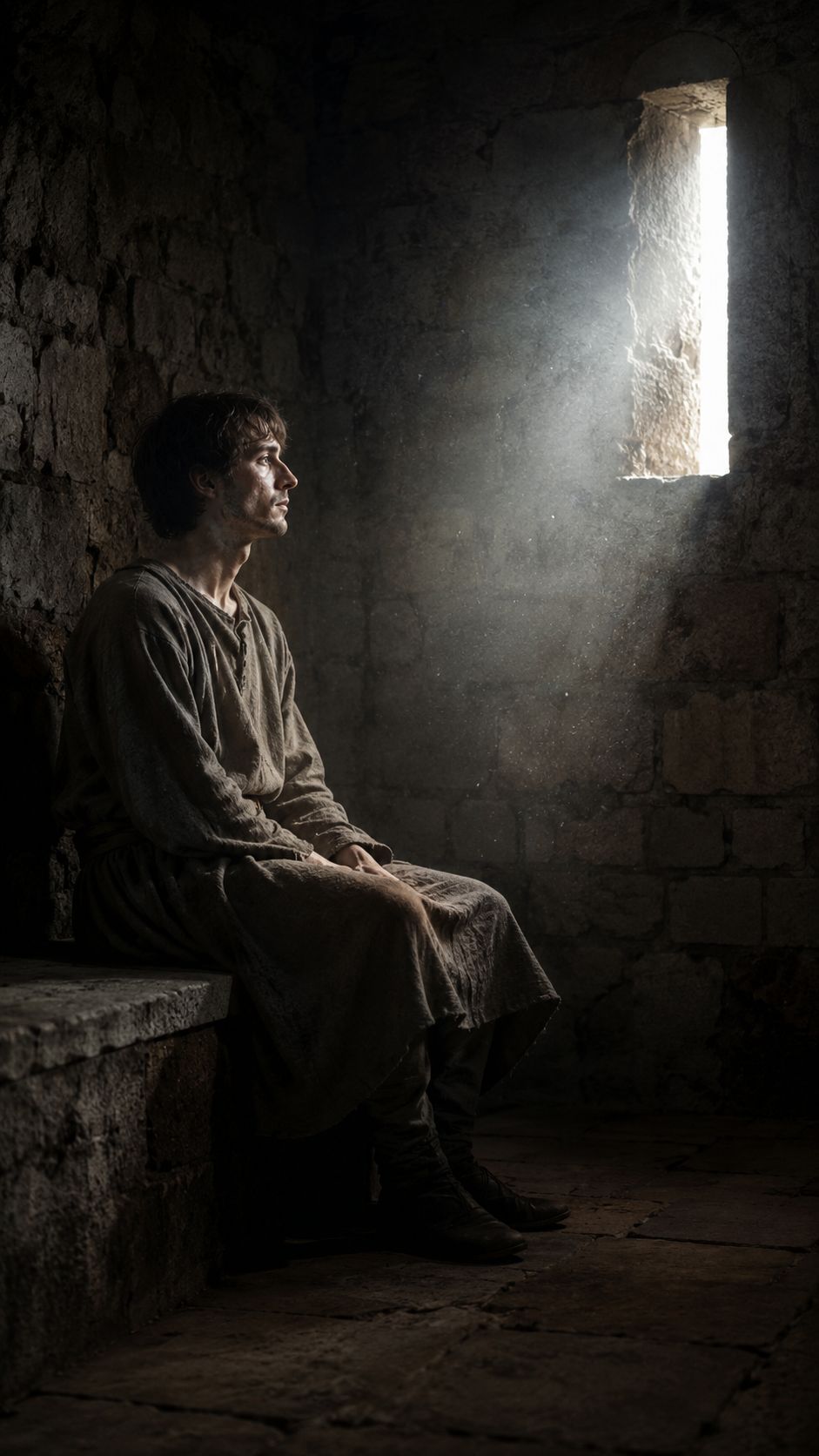 Fourteen Years in the Tower for His Bloodline
Locked away as a boy for the crime of his birth, he emerged so isolated he could no longer recognize an animal.
Tower of London, London, United Kingdom · 1499 · same site
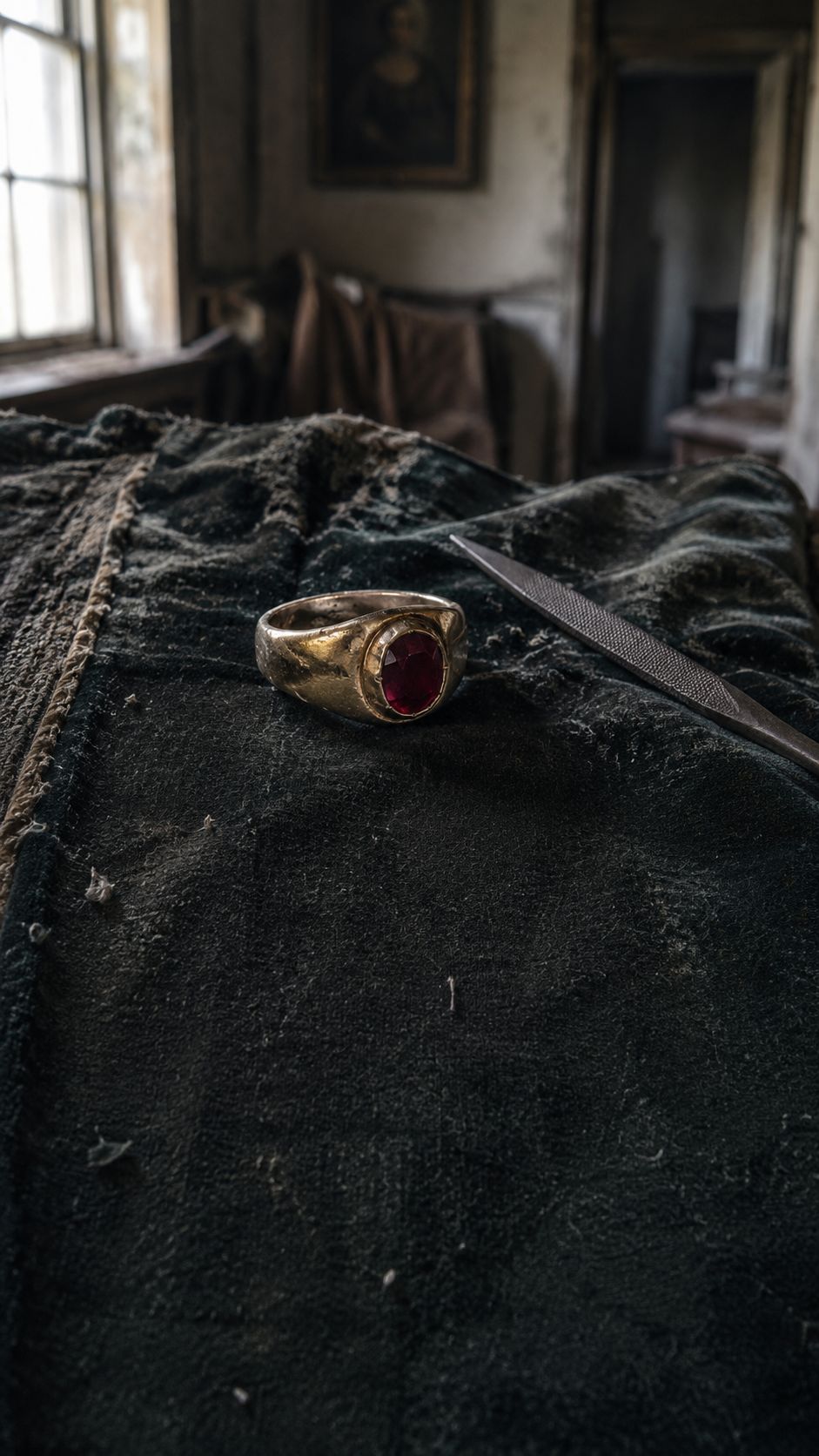 Poisoned in the Tower Over a Marriage
Imprisoned on a diplomatic post designed to fail, he died slowly of a poison that took months to finish the job.
Tower of London, London, United Kingdom · 1613 · same site
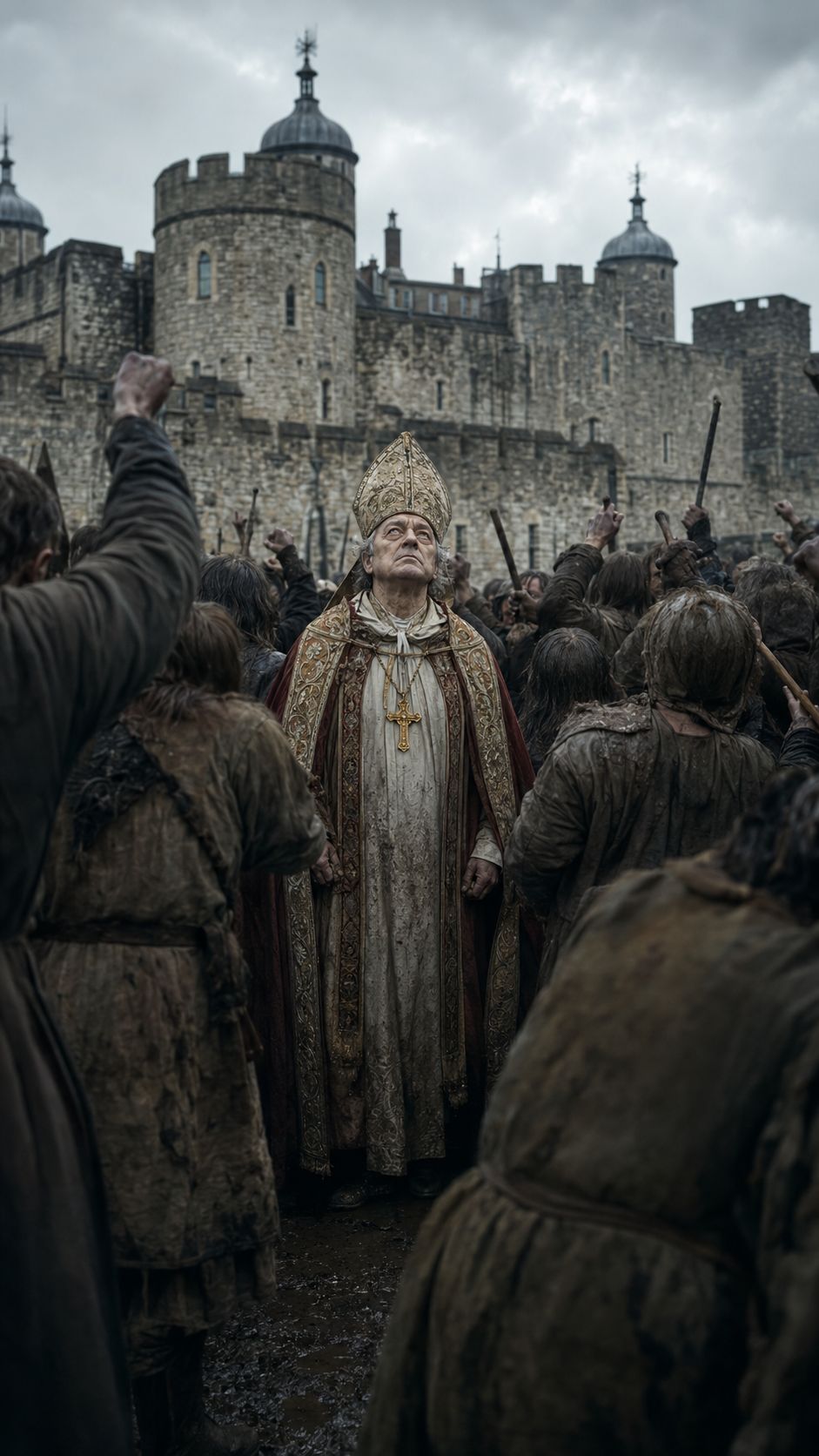 The Archbishop's Head That Still Survives
A raging mob hacked the Archbishop of Canterbury to death, and his mummified head still sits in a Suffolk church today.
London, United Kingdom · 1381 · same site
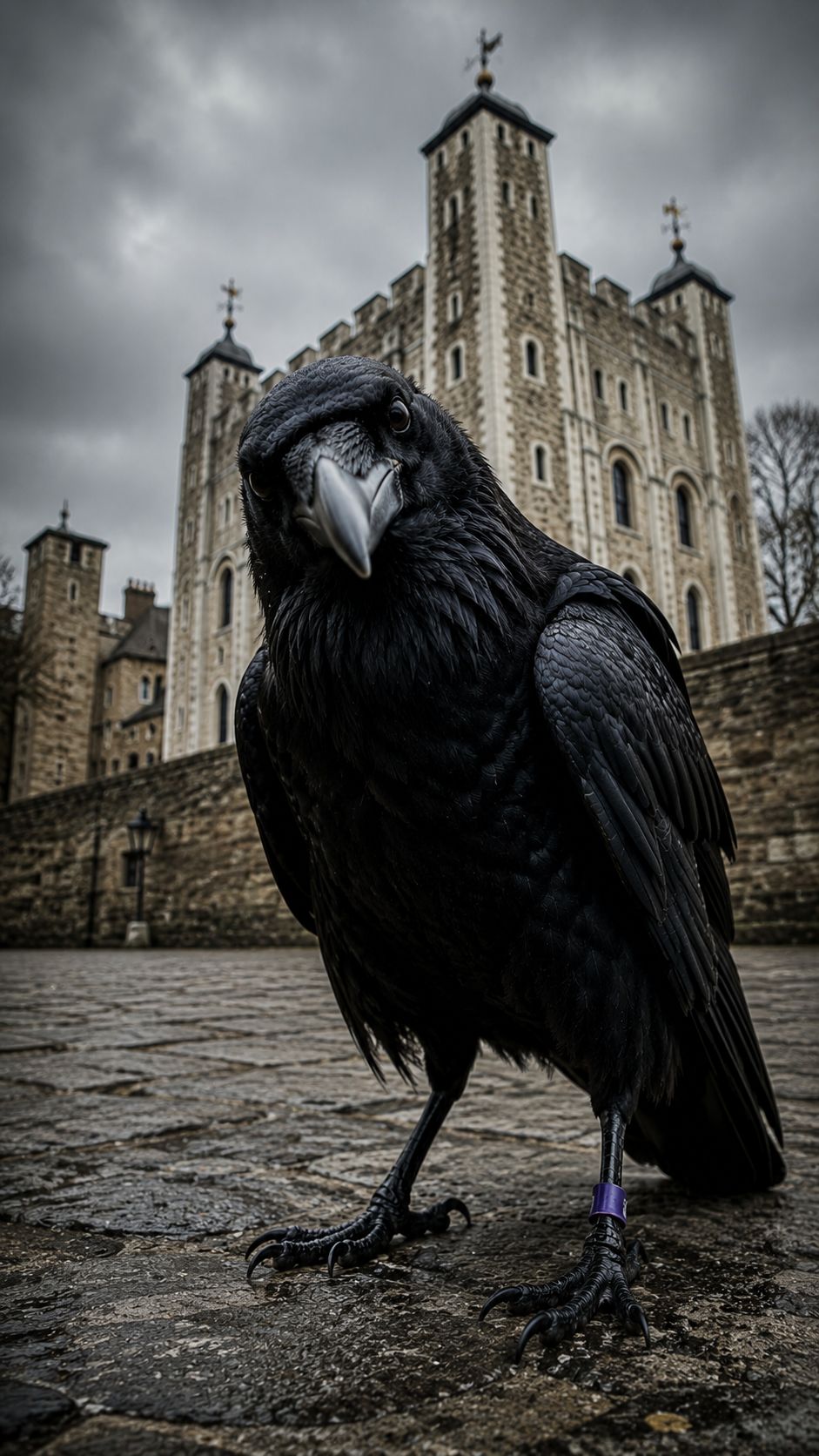 The Birds Whose Wings Are Clipped Forever
Legend says England falls the day these birds leave the Tower, so their flight feathers are trimmed to make sure they never can.
Tower of London, London, United Kingdom · 1600 · same site