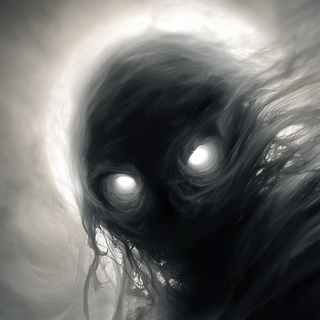
The curse of “The Scottish Play” is one of the strangest and most enduring superstitions in the world — a genuine, living dread, still observed by hardened professional actors today, surrounding a single word they refuse to say out loud: Macbeth.
To understand it, you have to understand what Shakespeare’s Macbeth actually is. Written around 1606, it is his darkest tragedy — a play soaked in murder, madness, blood, and above all, witchcraft. Its most famous figures are the three witches who open the play, chanting around a cauldron, prophesying doom. And here is where the legend begins. According to theatrical tradition, Shakespeare didn’t invent the witches’ spells — he used real ones. The story goes that he lifted authentic incantations and ritual words from actual practising witches and put them, verbatim, into the mouths of his three weird sisters. And the witches, so the tale runs, were so enraged at having their sacred rituals spoken aloud on a public stage that they cursed the play forever.
The Horror
Whatever the truth of that origin, what followed is a genuinely unsettling catalogue of misfortune stretching across four centuries. Legend holds that the curse struck on the very first performance: the boy actor playing Lady Macbeth is said to have suddenly sickened and died, forcing Shakespeare himself to step into the role. In a 17th-century production in Amsterdam, the actor playing King Duncan was reportedly killed on stage in front of the audience when a real dagger was used in place of the stage prop. The deaths and disasters kept coming. In 1849, one of the darkest episodes: a bitter rivalry between two famous actors playing Macbeth — one British, one American — boiled over at the Astor Place Opera House in New York, and the resulting riot in the streets left more than twenty people dead and over a hundred injured. In a 1937 production, a heavy stage weight crashed down from the rafters, missing the star Laurence Olivier by about a foot; during the run, a real sword flew into the audience, and a man in the seats suffered a heart attack. The actor Harold Norman, playing the title role in 1947, was fatally wounded when the final sword fight became too real. Actors have lost their voices mid-performance, sets have collapsed, fires and accidents have followed the play from theatre to theatre, across oceans and centuries.
The Modern Relic
The result is that Macbeth is, to this day, the most feared word in the theatre — and the superstition is very much alive. Professional actors, directors, and stagehands will not say “Macbeth” inside a theatre unless they are actually rehearsing or performing it. Instead, they use a whole vocabulary of careful euphemisms: “The Scottish Play,” “the Bard’s Play,” “the unmentionable,” or simply “that play.” And if someone does slip and utter the forbidden word, there is a precise cleansing ritual that must be performed to lift the curse: the offender must leave the theatre, turn around three times, spit over their left shoulder, and either swear or recite a line from another Shakespeare play — and then knock, and humbly ask to be allowed back in.
You can see this superstition observed in almost any working theatre on earth right now — one of the last genuinely medieval-feeling dreads to survive intact into the modern world. Sceptics have a simpler explanation, and it is probably the true one: Macbeth is a dark, physically demanding play, traditionally staged in low, flickering light, packed with sword fights and frantic scene changes — a recipe for accidents. And because it was a guaranteed crowd-pleaser, struggling theatre companies would stage it to save themselves from bankruptcy — so the very act of “doing the Scottish Play” became associated with a company in trouble and on the edge of collapse. Whether it is offended witches or simply four centuries of low light and real swords, the fear is real, the ritual survives, and the safest thing to do, in any theatre in the world, is still to never, ever say the name out loud.
Nearby on the Dark Atlas
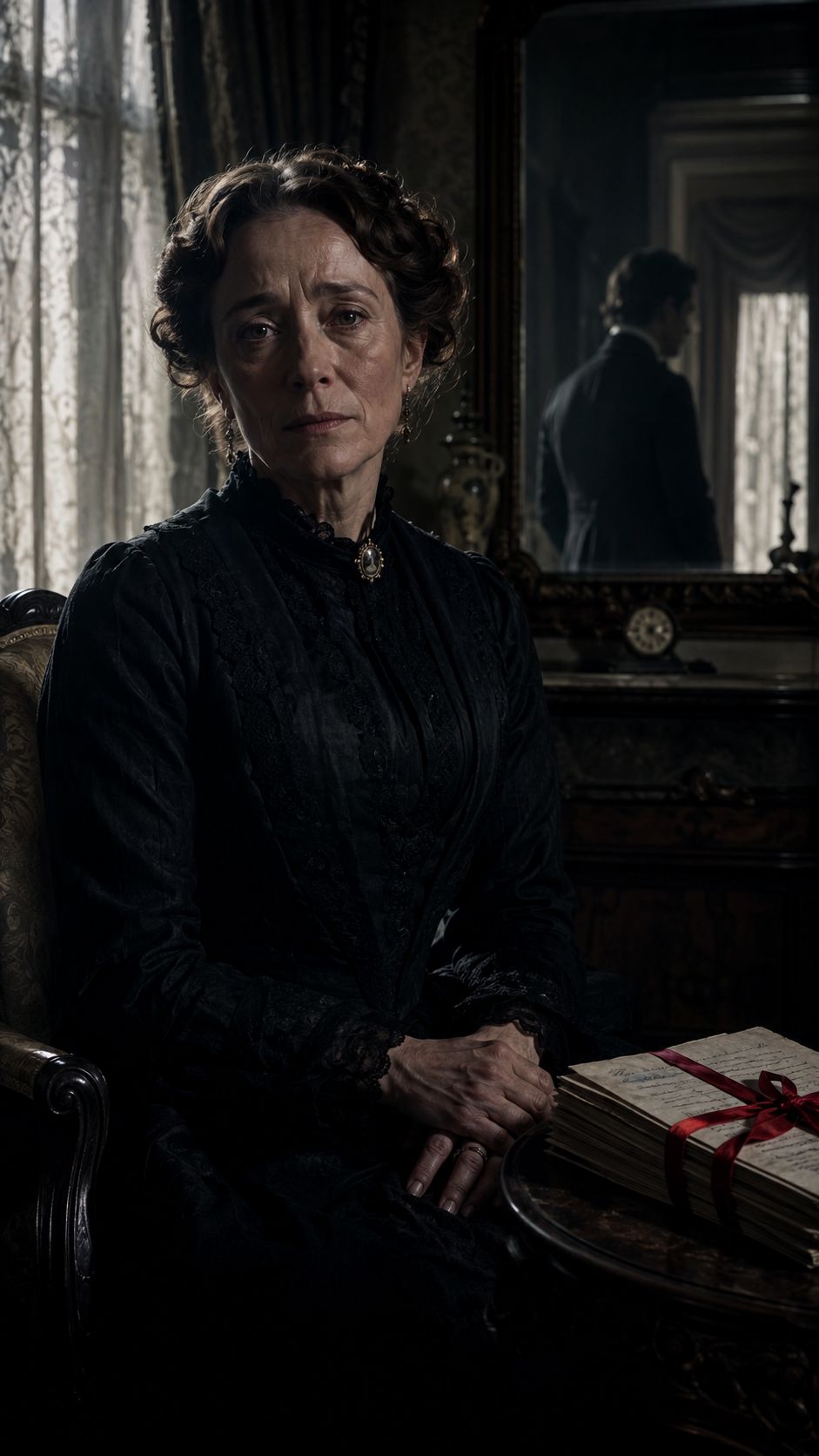 The Asylum Dickens Wanted For His Wife
The beloved author of A Christmas Carol tried to have his sane wife declared mad to be rid of her.
London, United Kingdom · 1858 · same site
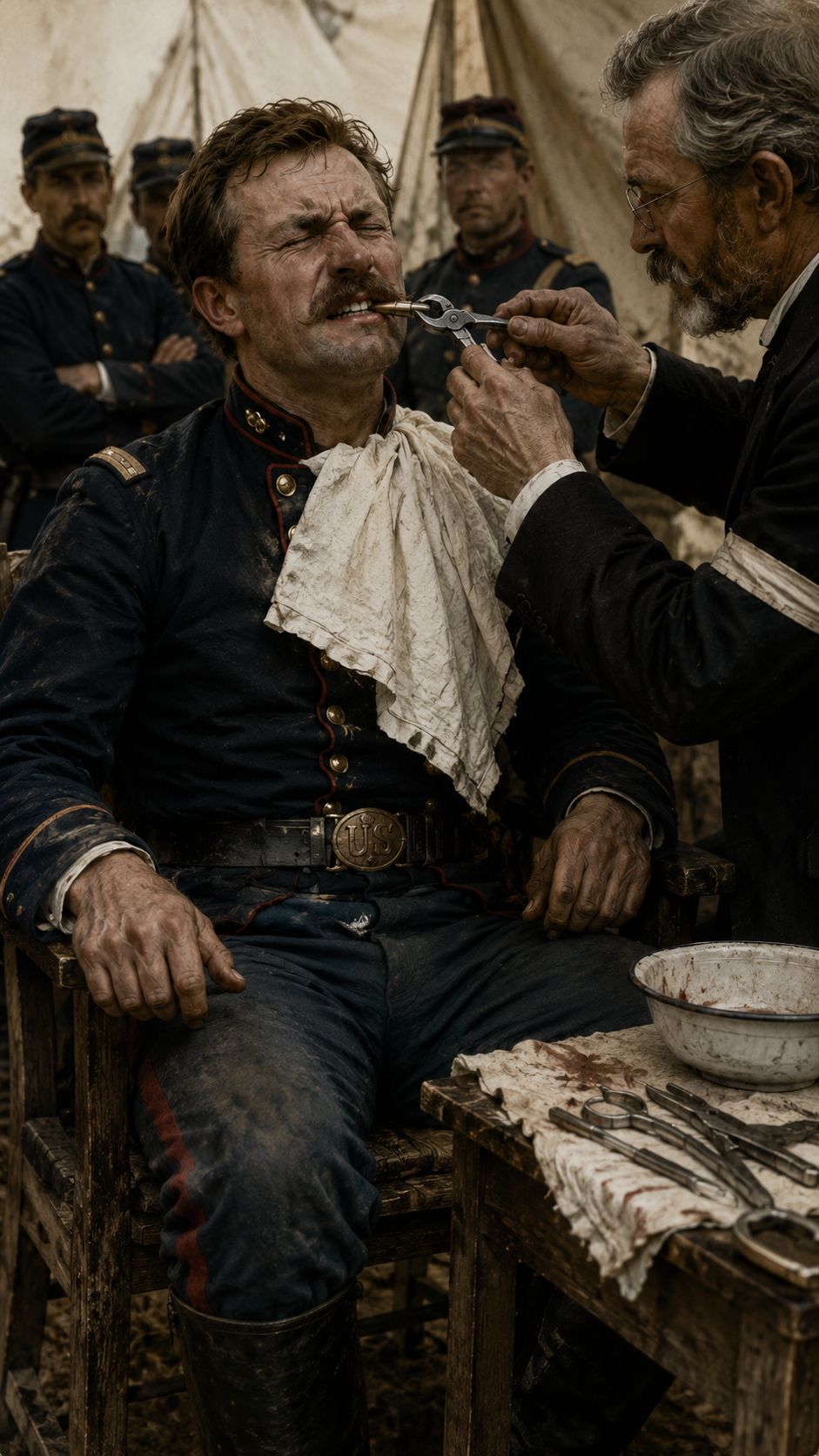 The Battlefield Origin Of Biting The Bullet
Before anaesthesia, wounded men bit down on lead to endure the surgeon's knife, or so the grim legend says.
London, United Kingdom · 1891 · same site
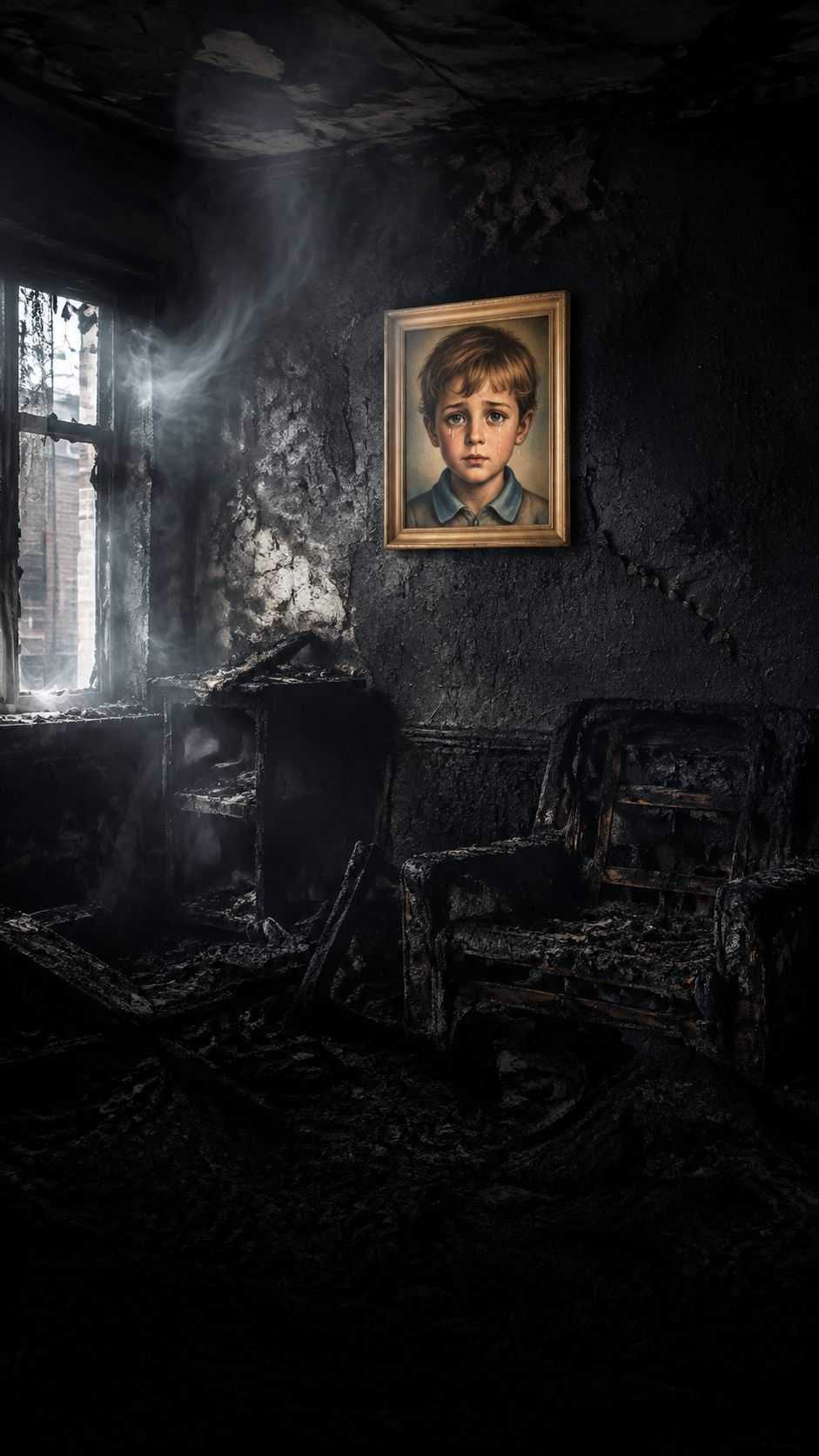 The Cursed Painting That Survived House Fires
A cheap mass-produced print sparked a nationwide panic that it caused fires, and always survived the ashes untouched.
London, United Kingdom · 1985 · same site
- The Disease That Killed By Nightfall
Tudor England lived in terror of a plague so fast it could kill a healthy person before sundown.
London, United Kingdom · 1485 · same site