Some places are called haunted because a good story attached itself to an old building. Chillingham earned its reputation the hard way, on one of the most violently contested pieces of ground in the British Isles, and its darkness is written into documented history long before anyone talked about ghosts. Chillingham sits in Northumberland, only a short ride from the Scottish border, and from the thirteenth century that location made it a front line. The Grey family held it as a stronghold through the long, grinding centuries of Anglo-Scottish warfare — a world of raids, sieges, burned villages and reprisal killings, where the border country changed hands and blood soaked the same fields again and again. In 1297, during William Wallace’s rising, Chillingham was attacked and its wooden church burned. And when King Edward I — “the Hammer of the Scots” — came north to crush Wallace’s rebellion, he used Chillingham as a base. Chillingham was no mere manor house. In 1344 the Grey family was granted a royal licence to crenellate — permission to fortify their home into a true castle, with battlements, a moat and a portcullis — precisely because the border country was too dangerous to live in undefended. For three centuries it stood as a working fortress in a land of near-constant low-level war: garrisoned, besieged and fought over, its walls built thick enough to keep armies out and, when the crown required it, to keep prisoners in. Only when the union of the English and Scottish crowns under James I finally quietened the frontier did Chillingham begin its slow change from stronghold to stately home, the grim rooms below falling silent as grand apartments rose above them. It passed in time to the Earls of Tankerville, declined through the twentieth century into near-ruin, and was rescued only from the 1980s when Sir Humphry Wakefield began a painstaking restoration. And it is worth knowing that much of the castle’s modern reputation for hauntings dates from that reawakening — as the old rooms were disturbed, cleared and brought back to life, the reports of the dead grew louder.
The Horror
Under Edward I, Chillingham became more than a fortress; it became an interrogation centre. Prisoners taken on the Scottish side of the wars were brought to the castle to be questioned — and in the 1290s, questioning a captured enemy meant torture. The castle’s lower rooms were fitted for exactly that grim work, and Chillingham today still has its dungeon and a preserved torture chamber that visitors can walk into, laid out with the brutal apparatus of the trade: the rack for stretching a body until the joints tore, thumbscrews, the iron maiden, cages, chains, spiked and crushing devices designed to inflict the maximum of pain over the longest possible time. Prisoners were held in the pit of the dungeon — some, tradition holds, simply left there — and worked on in the chamber above until they confessed, betrayed their comrades, or died. Nor was the killing confined to the enemy without. In 1536, during the great northern uprising known as the Pilgrimage of Grace, the wars reached inside the family itself: eight members of the household were executed for treason. This was a house where interrogation, imprisonment and violent death were not rumours but functions, carried out in rooms that are still standing. That is the foundation the ghost stories are built on — and it is why they land so hard. The hauntings, unlike the history, belong to folklore, and honesty demands we say so. The most famous is the tale of the “blue boy,” or “radiant boy,” of the Pink Room: guests over the years claimed that as a clock struck the small hours, a halo of blue light would appear near the old wall, and within it the figure of a boy, sometimes accompanied by a cry of pain — and it is often told that during later restoration work, the bones of a child were found bricked up inside that very wall, alongside fragments of blue cloth. There is the ghost of Lady Mary Berkeley, a wronged wife abandoned when her husband ran off with her own sister, whose grieving presence is said to be marked by a sudden, inexplicable scent of roses in cold, empty corridors. There is the frightening figure associated with the torture chamber — a cruel torturer of local legend said to have come to a violent end himself. And there are the smaller, stranger reports: a little girl who tugs at visitors’ clothes and hair, footsteps, voices, cold spots. Guests on the castle’s overnight ghost hunts trade these encounters like campfire stories, and the staff who live and work there keep their own quiet catalogue of things they cannot quite explain. None of this is documented in the way the border wars are. But Chillingham does not really need the ghosts to be frightening. It needs only its own record.
The Modern Relic
The remarkable thing about Chillingham is that you do not have to take any of it on trust from a book — you can go and stand inside every part of this story. The castle is fully open to visitors: you can walk its medieval halls, descend to the dungeon, and step into the torture chamber to see the instruments for yourself. It runs regular ghost tours and overnight ghost-hunting stays, and — this is the part that unsettles people most — you can actually book a room and sleep in the castle, including in its reputedly haunted quarters. It is a genuine, lived-in fortress in one of the loneliest corners of England, wrapped in a landscape of border battlefields and even home to a famous ancient herd of wild white cattle. Go for the ghost story if you like. But walk down into the real dungeon, into the real chamber where real prisoners were really tortured seven centuries ago, and the question of whether anything lingers there stops feeling quite so silly. Some houses are haunted by legends. Chillingham is haunted, first, by what actually happened in it.
Nearby on the Dark Atlas
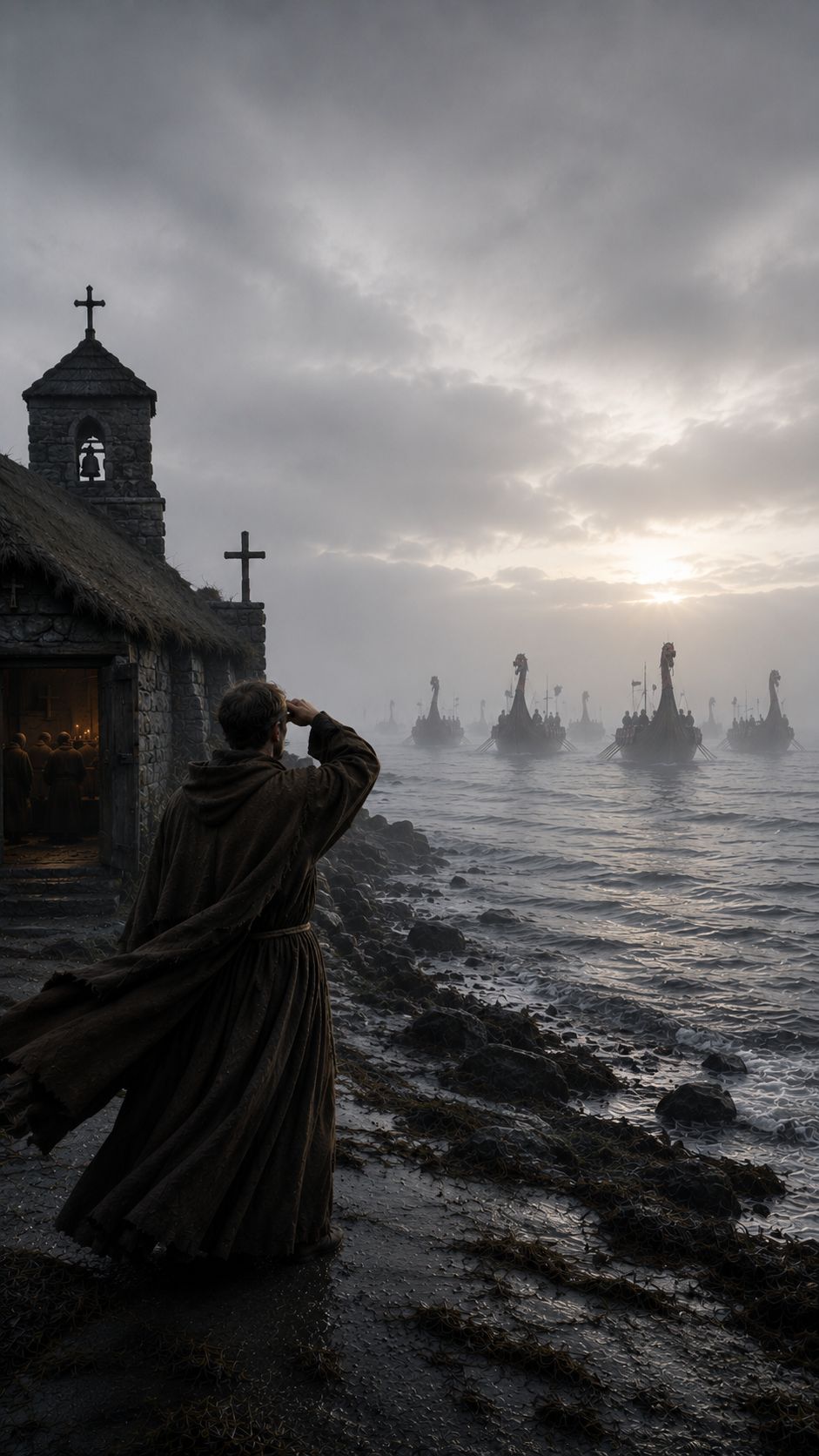 The Dragons That Came By Sea
Strange omens filled the Northumbrian sky before Vikings landed at Lindisfarne and shattered 150 years of monastic peace.
Lindisfarne, United Kingdom · 793 · 18 km away
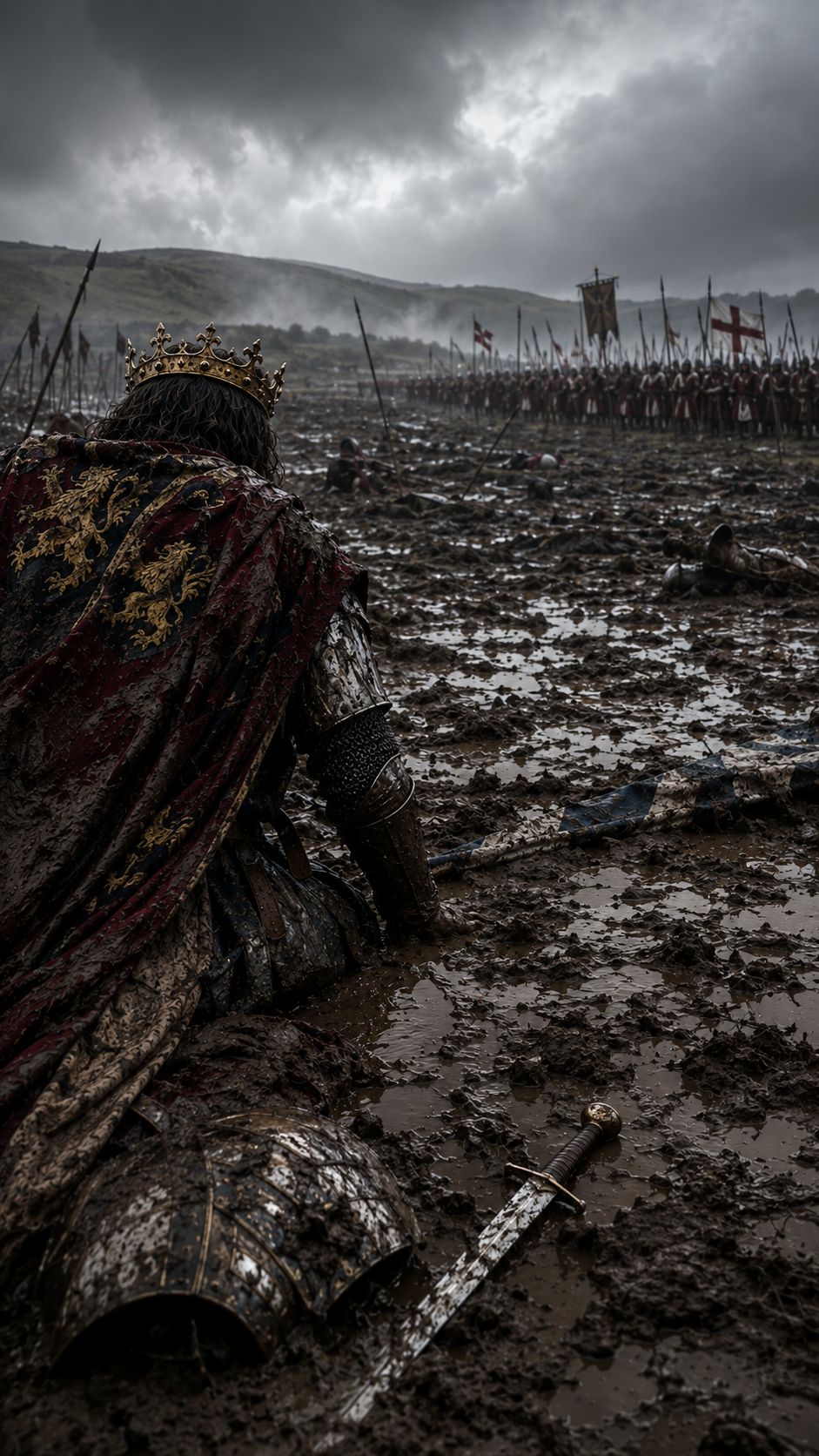 The Renaissance King Who Lost His Head For Honour
Scotland's most brilliant king marched to war for an old alliance, and his skull ended up as a curio on an Englishman's shelf.
Flodden Field, United Kingdom · 1513 · 20 km away
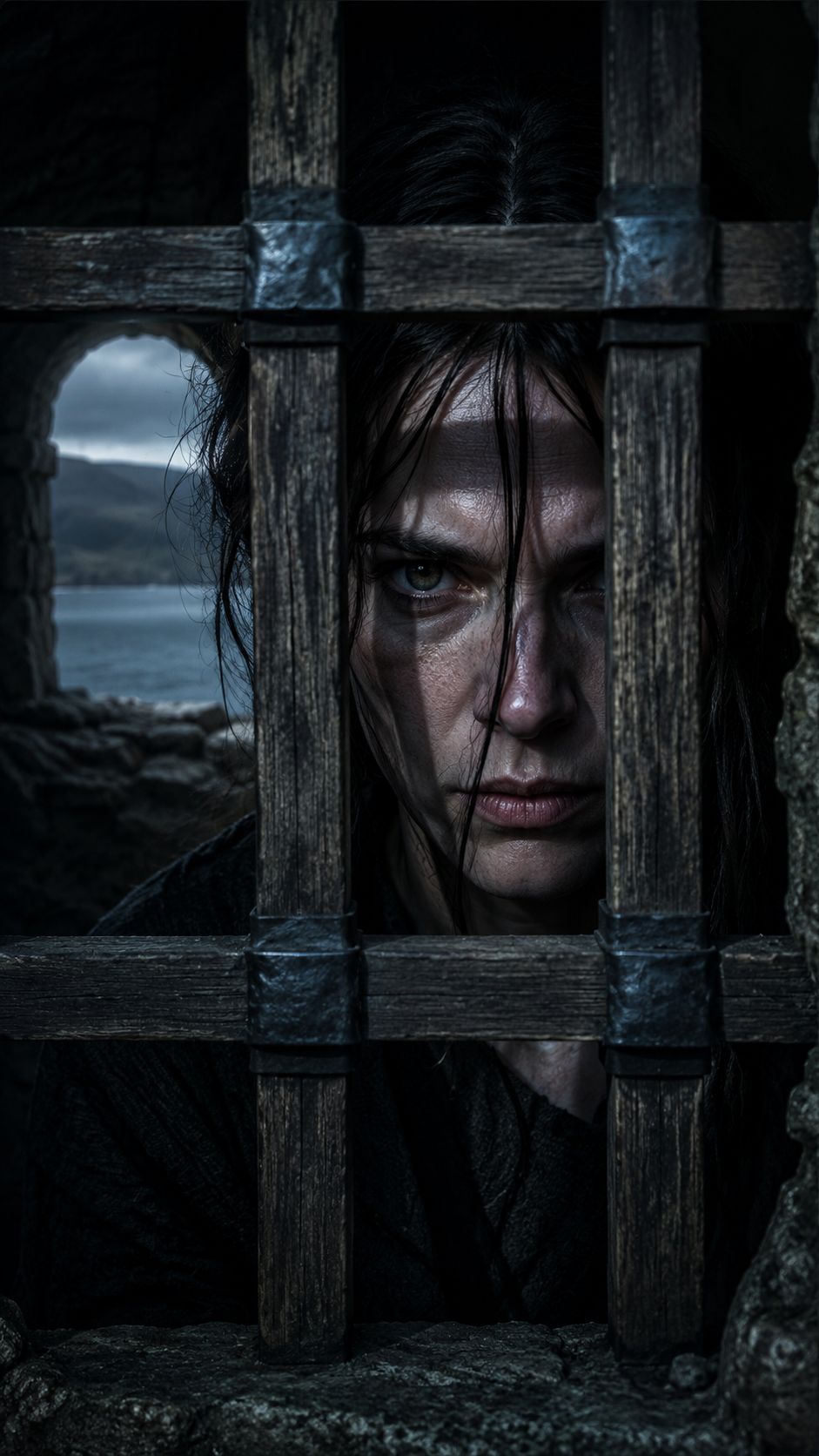 The Countess Locked In A Cage For Crowning A King
She rode in secret to crown Robert the Bruce, and England answered by hanging her in an open cage.
Berwick Castle, Berwick-upon-Tweed, United Kingdom · 1306 · 28 km away
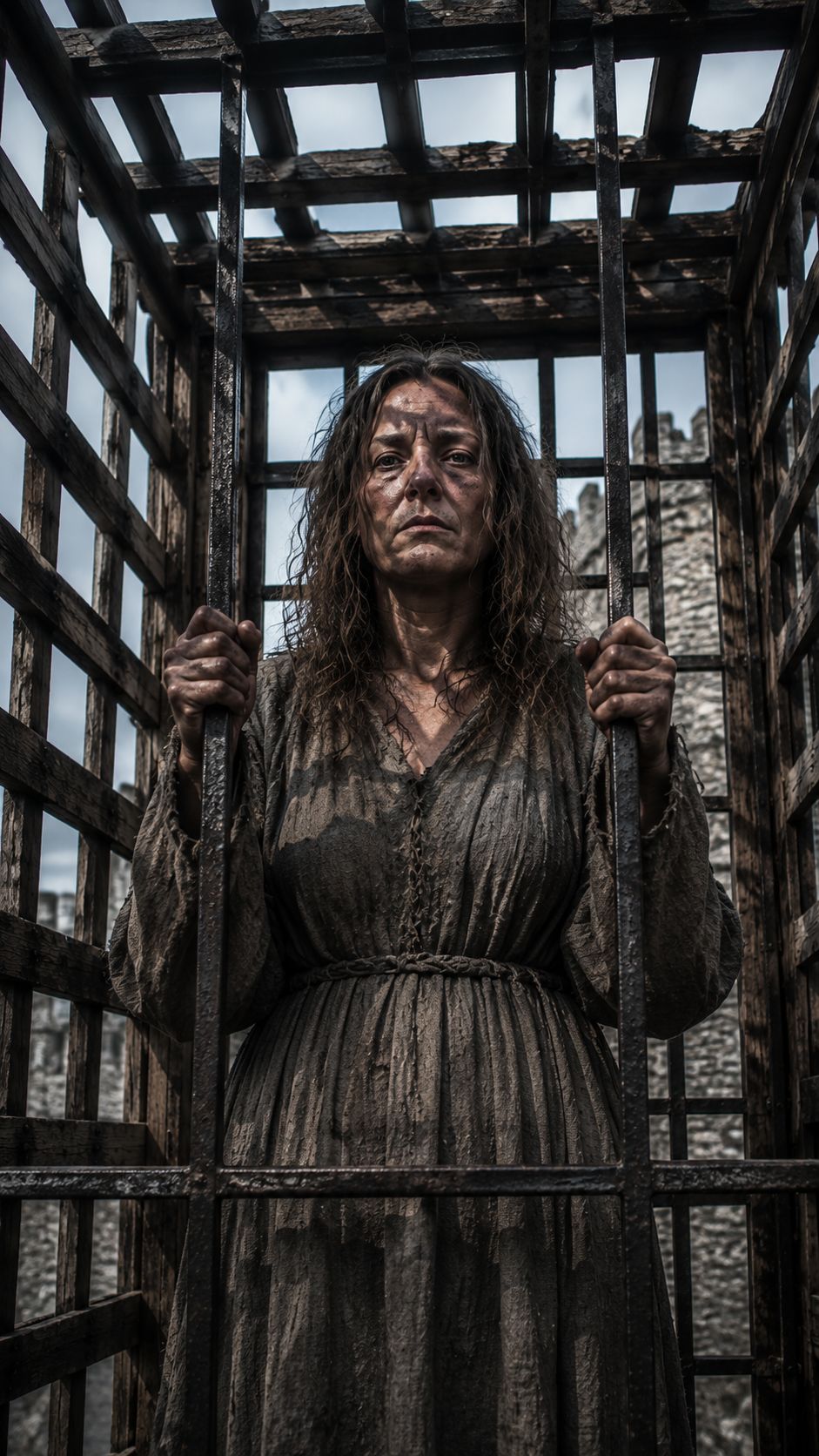 Caged Above Berwick Castle
For crowning Robert the Bruce with her own hands, an English king locked her in an open cage on a castle wall for years.
Berwick-upon-Tweed, United Kingdom · 1306 · 28 km away