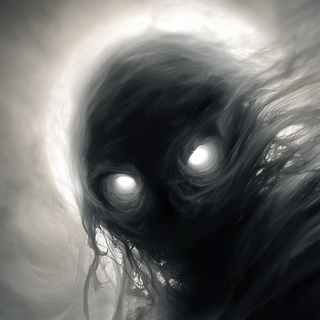
A dying king’s intense paranoia transformed an aristocratic family crest into an act of capital warfare. 🏰🎨 King Henry VIII wanted to completely shield his young heir from future rivals, hunting for any excuse to liquidate the country’s most powerful noble house before his own breath failed.
The Horror
The legal destruction unfolded with cold, mechanical speed inside the royal court. Instead of prosecuting a genuine military conspiracy or an armed rebellion, the Crown’s prosecutors built their entire case around a piece of family art.
They arrested Henry Howard, Earl of Surrey, claiming that by painting the historic crest of an ancient king onto his personal heraldic shields, he was visually claiming the right to the throne.
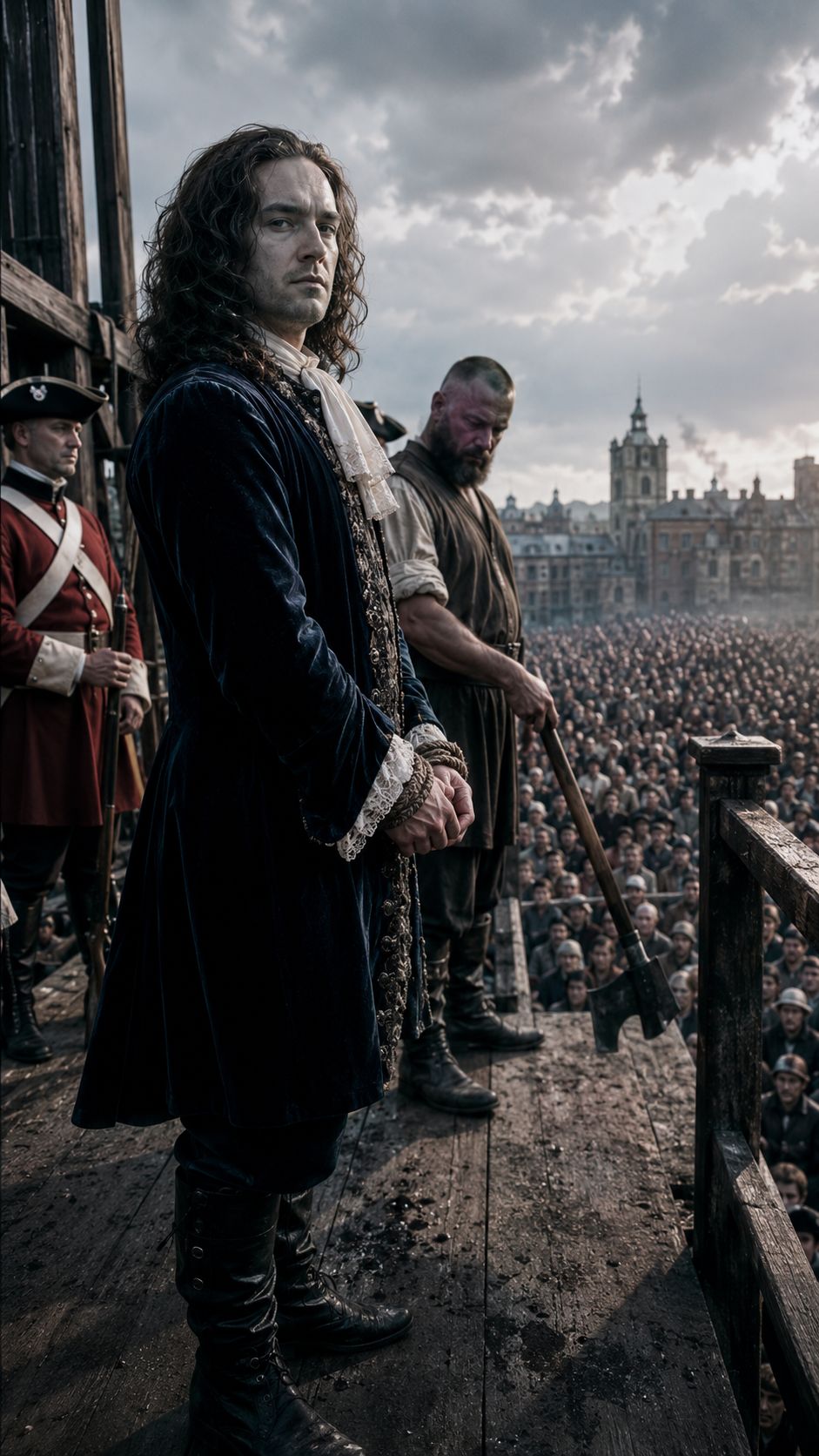
Despite Surrey’s brilliant legal defense proving his family had held the heraldic right for generations, the state judges declared the painted artwork a treasonous attempt to overthrow the monarchy. On a bitter winter morning on Tower Hill, the elite poet was forced onto the timber scaffold, where his status did not save him from a swift, singular strike of the axe. This calculated clearing was a final, desperate display of dynastic insecurity, proving that under the Tudor crown, even a royal brushstroke could cost a nobleman his head.
The Modern Relic
You can stand directly inside the dark historical shadow of this heraldic execution by visiting Framlingham Castle in Suffolk, England. While the massive stone fortress is now a beautiful, scenic heritage site surrounded by rolling green lawns, walking through the ancient courtyards brings you directly into the ancestral home where Surrey’s controversial crests were designed—marking the exact, high-friction space that sealed the fate of the last man executed during Henry VIII’s ruthless reign.
Nearby on the Dark Atlas
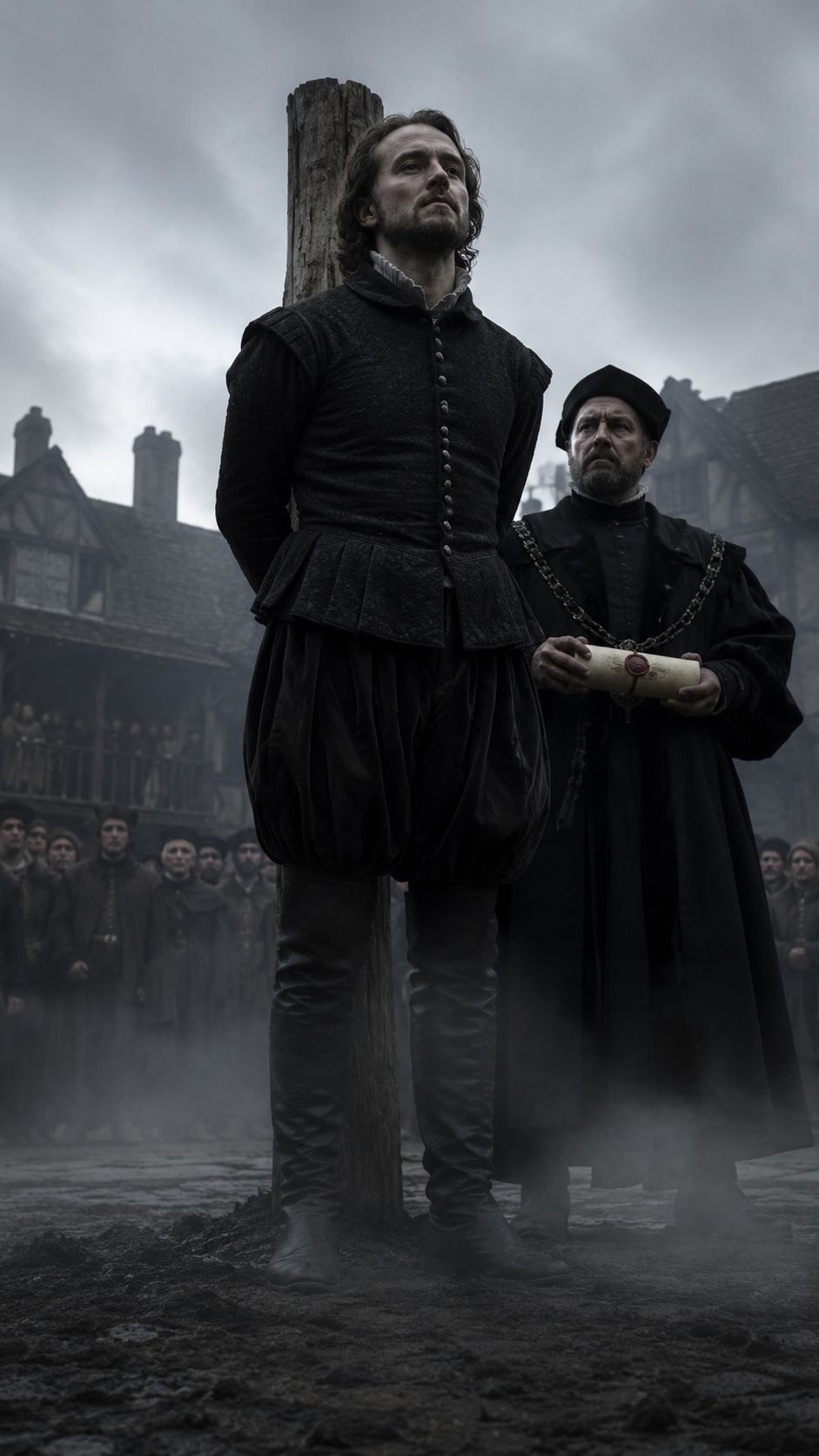 The Man Who Refused to Save Himself
Offered a chance to save his own life, the King's closest attendant chose silence and the executioner's block instead.
Tower Hill, London, United Kingdom · 1536 · same site
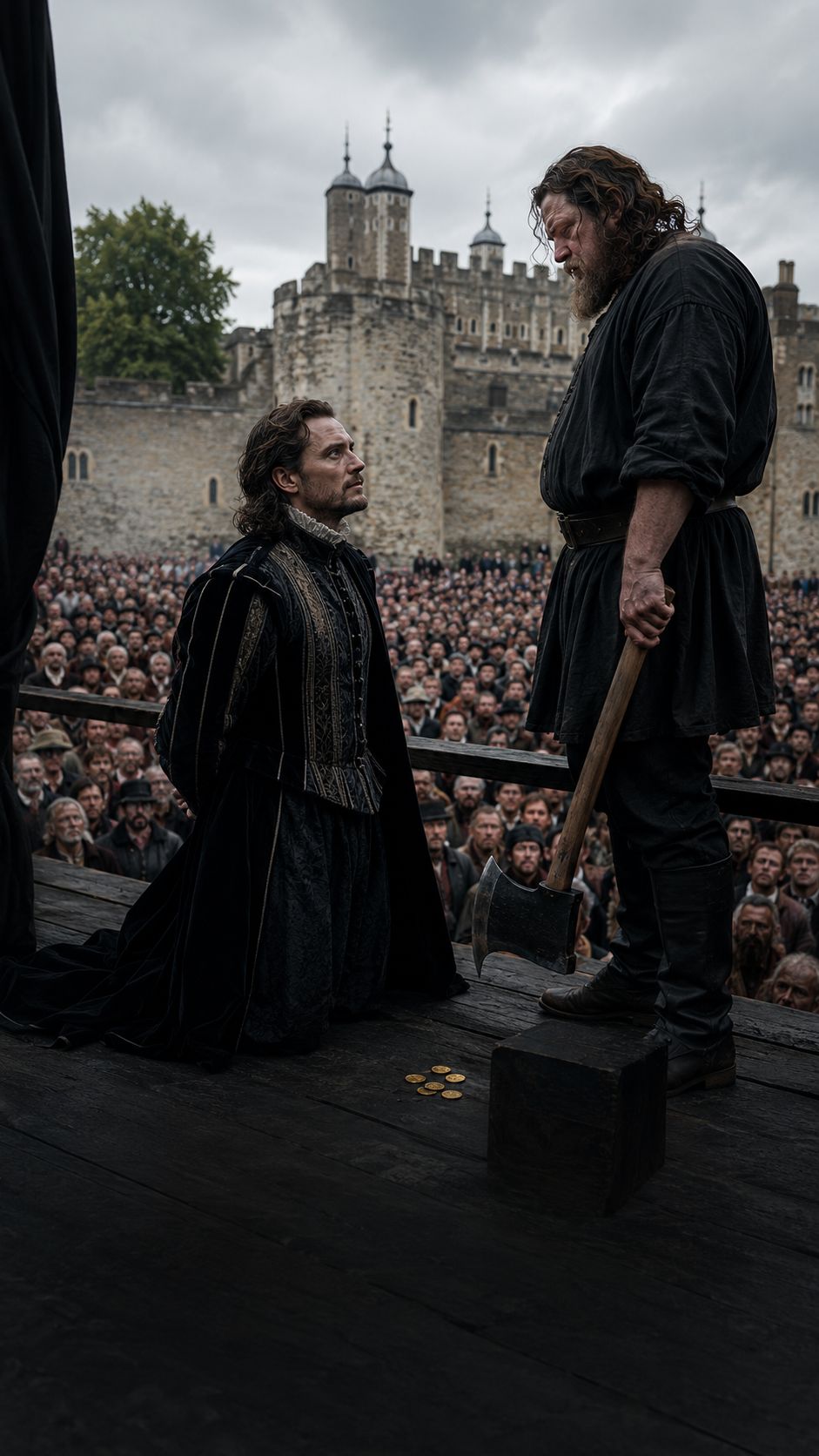 The Botched Beheading That Named The Hangman
It took the executioner several horrific blows to finish the job, and his name became slang for hangman forever.
Tower Hill, London, United Kingdom · 1685 · same site
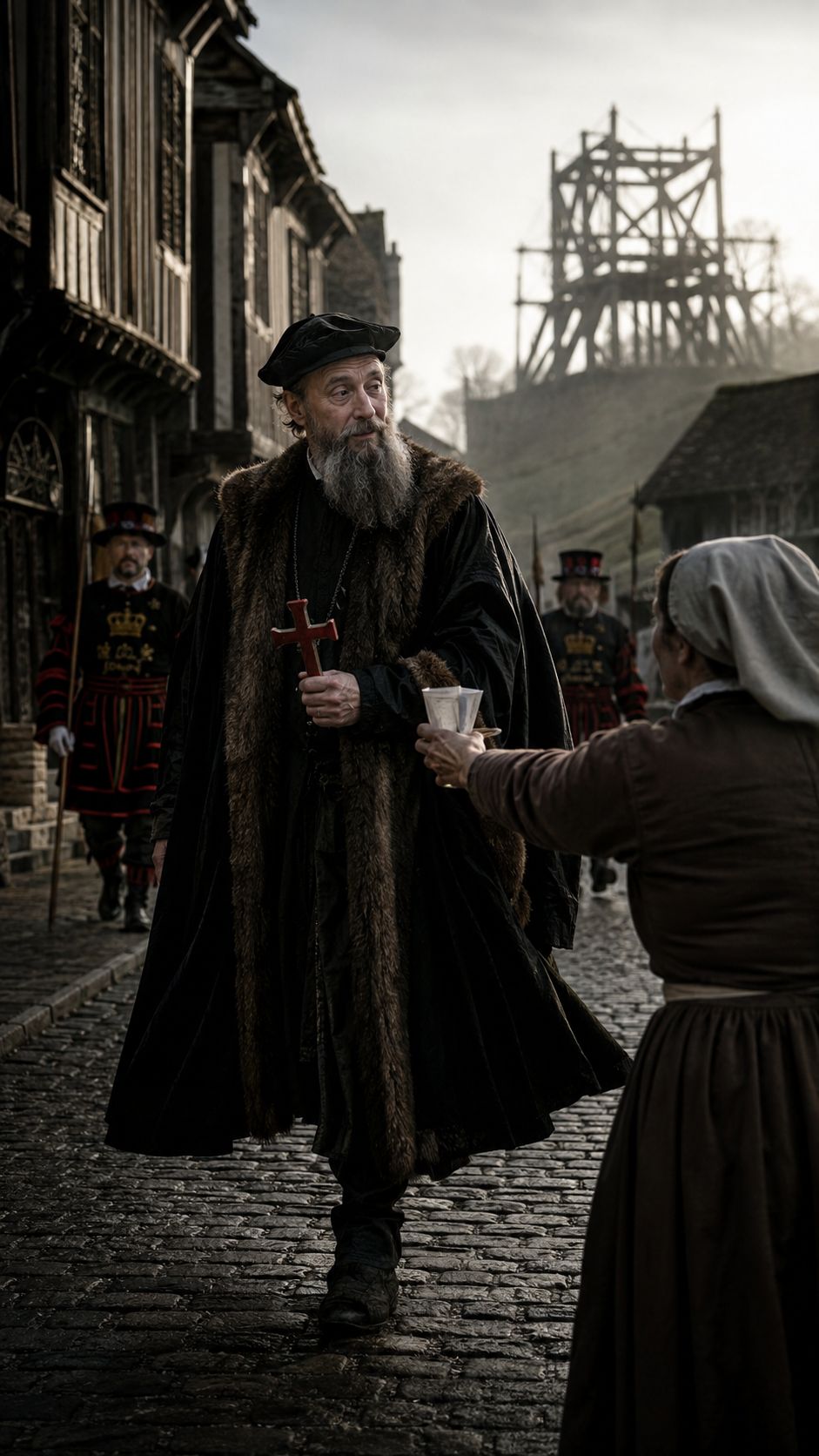 The Chancellor Who Refused His King's Supremacy
Henry VIII's own former Lord Chancellor walked to the block for refusing to accept the king as head of the Church.
Tower Hill, London, United Kingdom · 1535 · same site
 The Duke Who Paid The Headsman In Advance
He handed the executioner six guineas and begged him not to hack him apart like his last victim — it didn't work.
Tower Hill, London, United Kingdom · 1685 · same site