
The execution was so medieval that the executioners had to keep a portable forge burning directly on the wooden platform just to keep the liquid metal at a white-hot temperature. In 1594, a young student named Jean de Chastel attempted to assassinate King Henry IV. When he was caught, the high court delivered a sentence meant to completely break the human anatomy before a crowd of thousands. Executioners used heavy, red-hot iron pincers to systematically tear away sections of flesh from his arms and chest. Before the wounds could even bleed out, they poured boiling oil, sulfur, and liquefied lead straight into the open gashes to permanently sear his veins while he was fully conscious, completely altering the shape of his body before the final tearing horses were ever brought out.
Interesting Fact The public execution of Chastel was so meticulously procedural that the city authorities legally blacklisted his family name from France. His family home was completely demolished by the state, and in its place, a massive stone monument was erected to detail his crimes, turning a failed assassination attempt into a multi-generational warning system against state defiance.
Nearby on the Dark Atlas
 The Assassin Whose Severed Head Blushed
She murdered a revolutionary leader in his bath to save France, and witnesses swore her severed head reddened afterward.
Paris, France · 1793 · same site
 The Book That Outlived Its Author's Pyre
A woman was burned for writing that the soul could reach God without the Church, but her banned book kept circulating in secret for centuries.
Paris, France · 1310 · same site
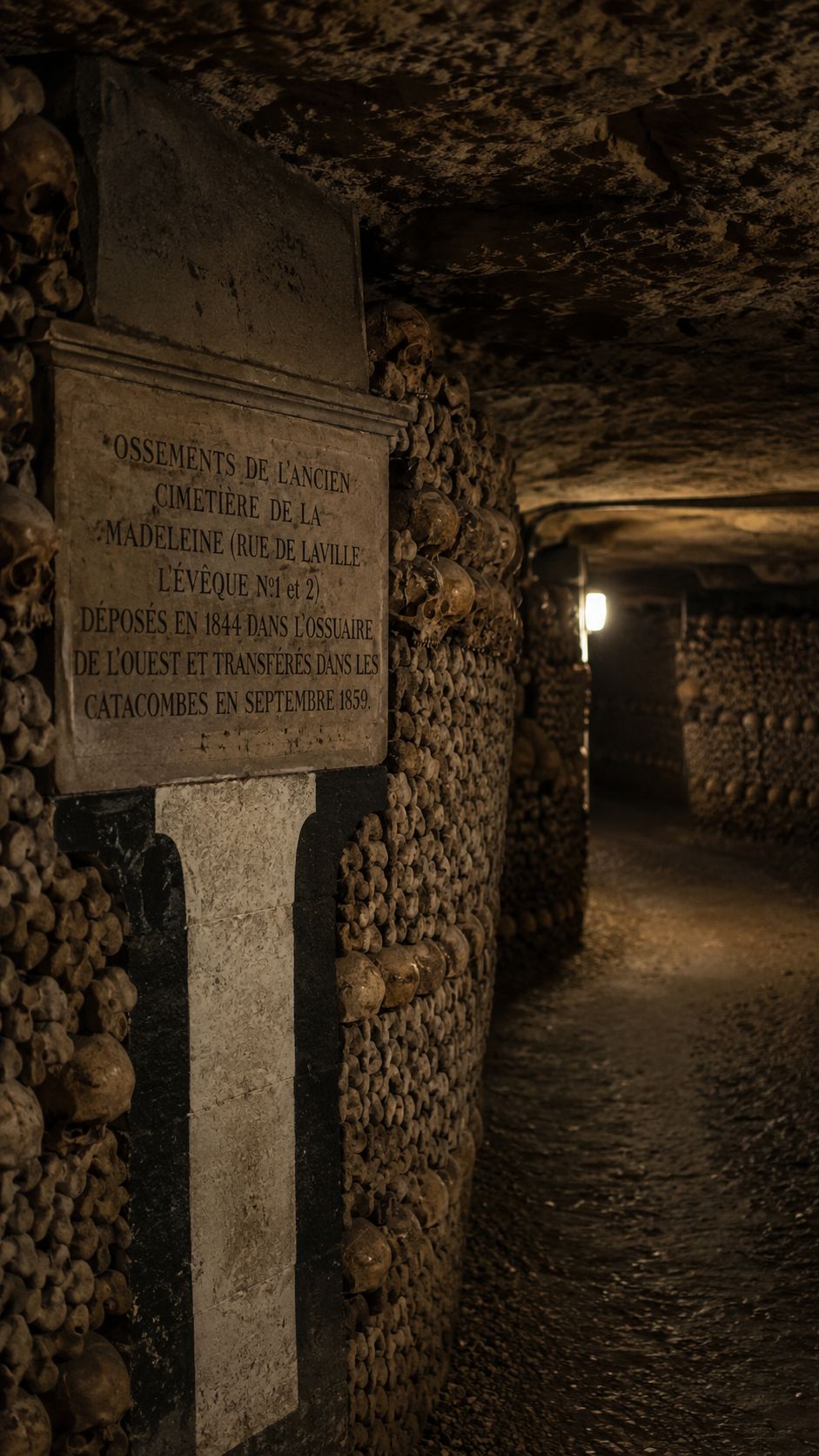 The Cemetery That Rose Above The Streets
Centuries of bodies raised a Paris graveyard eight feet above the surrounding streets before it finally gave way.
Paris, France · 1780 · same site
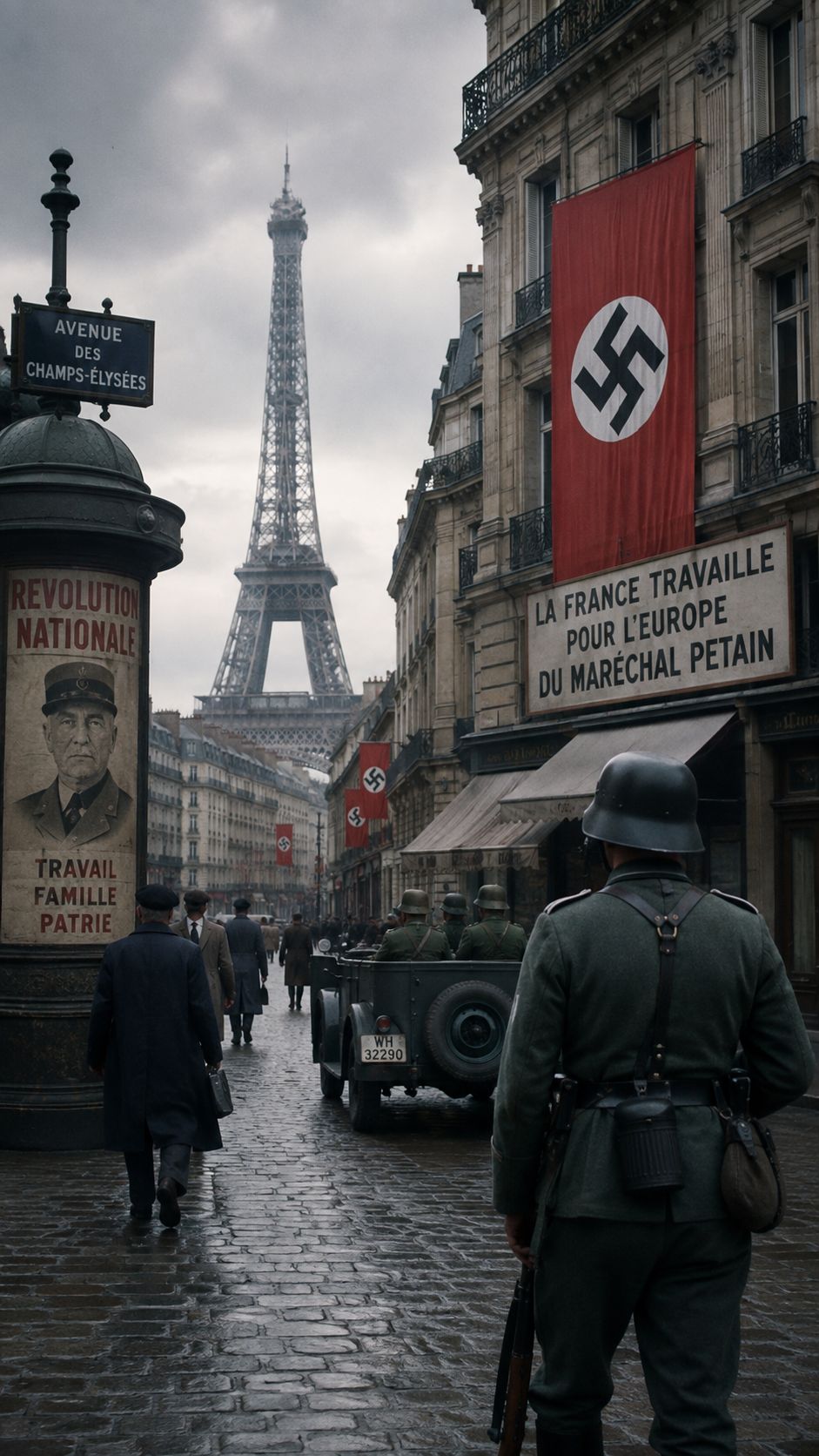 The Designer Who Spied For The Nazis
While Paris starved under occupation, the fashion icon lived at the Ritz as a documented Nazi intelligence agent.
Paris, France · 1943 · same site