
In the year 1600, in Munich, the Duke of Bavaria needed criminals to blame for a string of unsolved crimes. He found a family of beggars who dug graves and emptied privies for a living — the lowest, most despised work there was. Their name was Pappenheimer. The youngest was a boy named Hansel. He was ten years old.
This was not a witch hunt that spun out of control. It was the opposite. It was a show: deliberate, staged, public, designed to terrify an entire population into obedience by turning six human beings into an example.
THE HORROR The Pappenheimers were arrested and tortured until they “confessed” to everything the authorities needed: witchcraft, murder, conjuring storms, crimes piled up into tidy lists. Under enough pain, a starving beggar will confess to anything. The confessions were written down in precise, bureaucratic detail — this many children murdered, this many fields ruined — numbers the victims simply agreed to under torture.
On the day of execution, the condemned were dragged through Munich and torn with red‑hot tongs — six times each — as they were paraded past the crowds. Hansel’s mother, Anna, was singled out for something worse. Her breasts were cut from her body; the severed flesh was rubbed across her own mouth and then across the mouths of her sons. A mother’s body turned into an instrument of her children’s humiliation.
At the place of execution, the men of the family were broken on the wheel: their arms and legs shattered under a heavy, iron‑rimmed cartwheel swung down until bone gave way. After that, they were burned.
Through all of this, the ten‑year‑old boy was forced to watch. His entire family destroyed in front of him, one by one, with the crowd and the duke’s officials looking on.
And then comes the detail that survived four centuries, because the sheriff who oversaw the executions wrote it down. As the carts carried his mangled parents toward the stake, surrounded by armed guards, little Hansel looked at the soldiers and said:
“Look, look! What a grand wedding for my father and mother! They’ve got so many men‑at‑arms — the duke doesn’t have as many himself!”
Maybe he didn’t understand he was next. Maybe he understood perfectly, and this was the only power left to him: to refuse them a display of fear.
The children were executed after the adults. Hansel was the youngest person condemned that day. They saved him for last.
THE MODERN RELIC The Pappenheimer case was not buried. It was advertised. A pamphlet describing the trial and executions was printed and circulated, reaching England by 1601 under the title A Strange Report of Sixe Most Notorious Witches. The state wanted the story spread; terror was the point. That pamphlet still exists today.
The killings took place in Munich, capital of Bavaria — a city whose modern streets and squares sit on the same ground where early‑modern “justice” was carried out in front of crowds. The trial records remained in Bavarian archives, which is why we know Hansel’s name, his age and his last words at all.
The duke got his spectacle. The crimes the Pappenheimers “confessed” to never happened. A family of grave‑diggers and privy‑cleaners was tortured and destroyed to frighten a population into submission — and the youngest of them, a ten‑year‑old boy, walked toward his own death calling it a wedding, because that was the last thing in the world they couldn’t take from him.
Nearby on the Dark Atlas
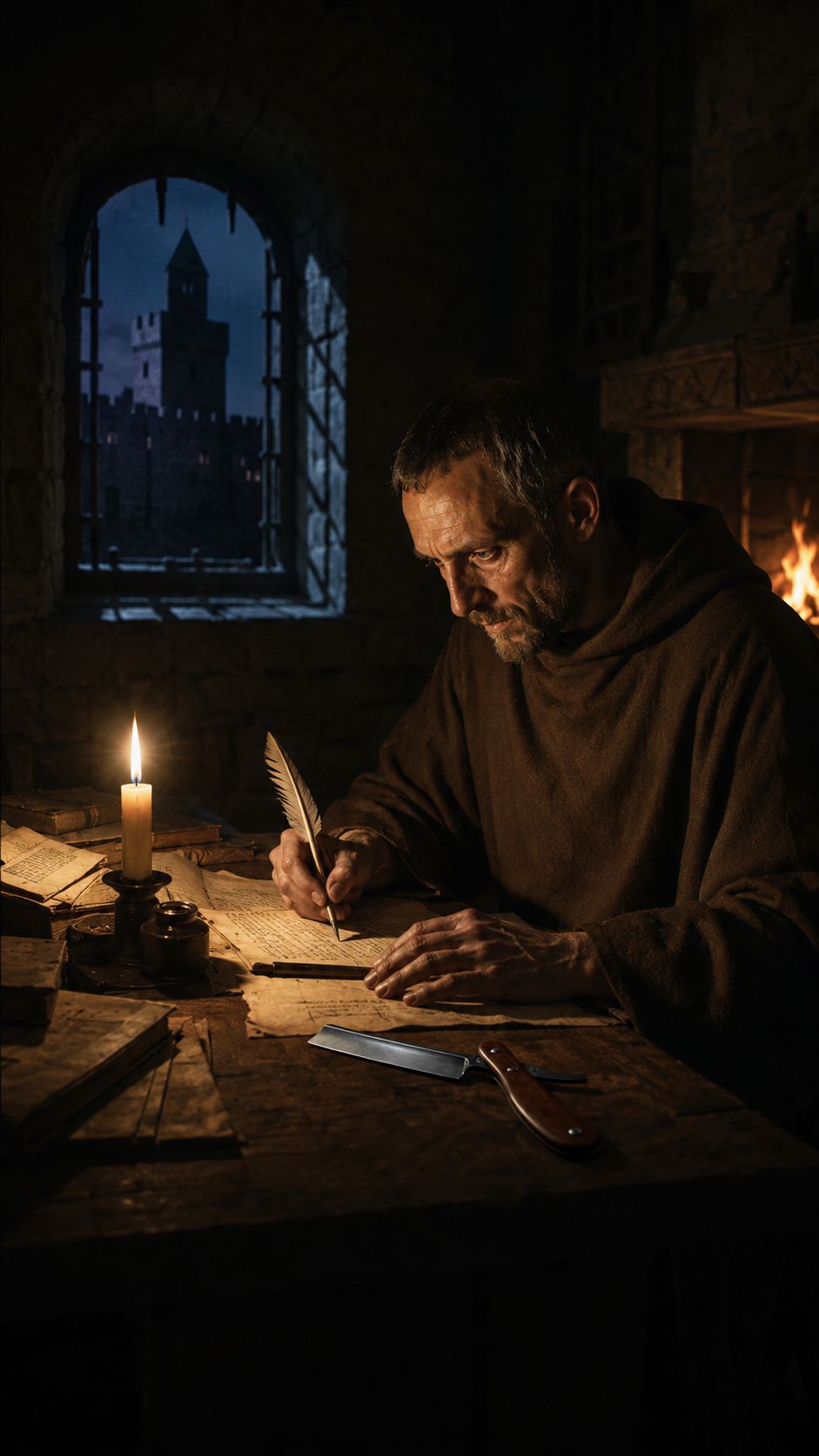 The Friar Who Defied A Pope From Exile
A philosopher famous for cutting away unnecessary explanations spent his final years hiding from the Pope under an emperor's soldiers.
Munich, Germany · 1347 · same site
- The Student Who Faced Her Killers With Composure
A twenty-one-year-old student printed leaflets denouncing Hitler, knew the risk, and faced her execution with composure that still shocks.
Munich, Germany · 1943 · 3.0 km away
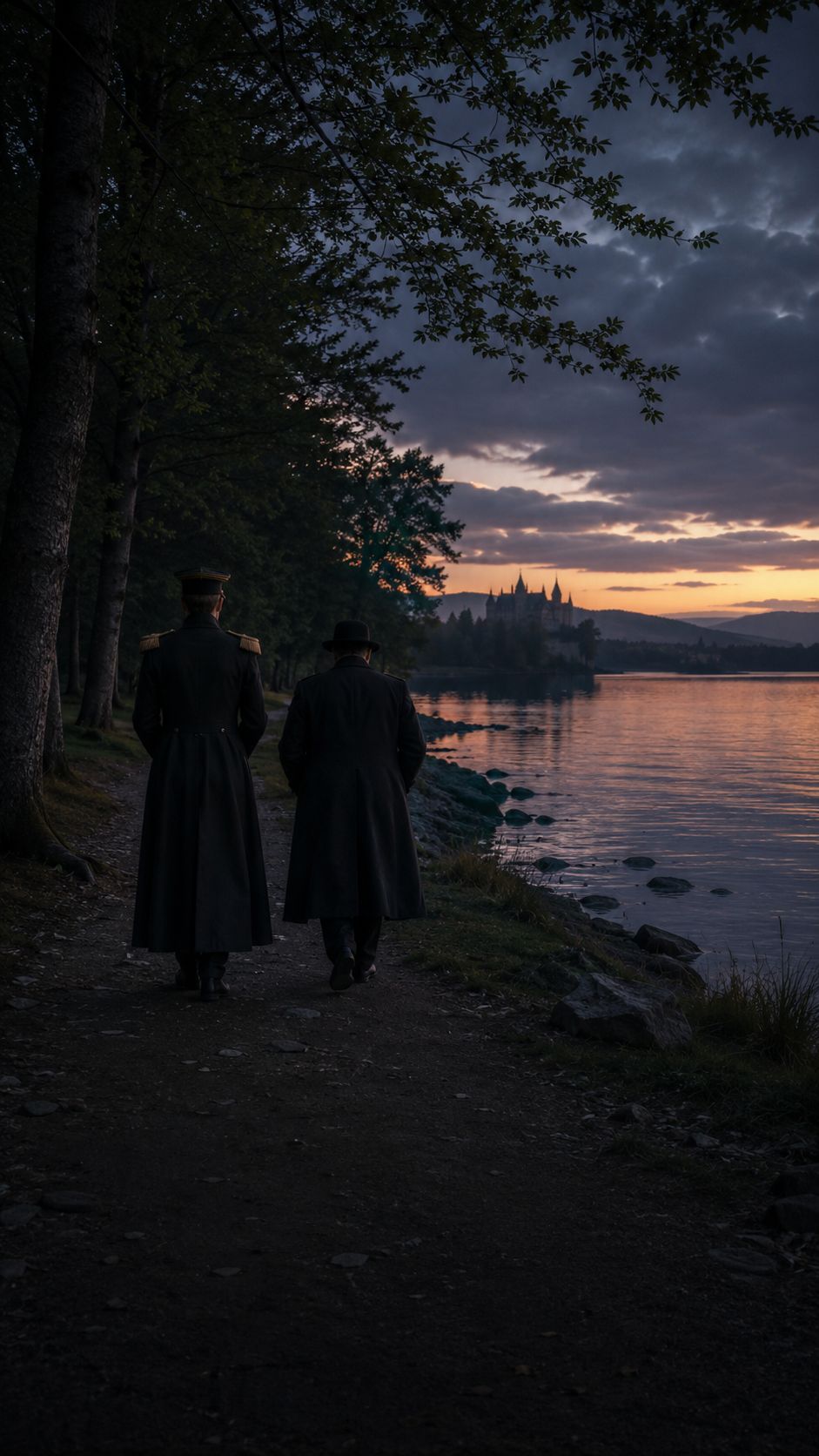 The Fairy-Tale King Who Drowned In A Lake
A dreaming king who built spectacular castles was declared insane without examination, and died in a lake days later under circumstances still unsolved.
Lake Starnberg, Germany · 1886 · 30 km away
- The Footprints That Led To The Farm And Never Left
A whole family was wiped out on their farm, and their killer stayed in the house for days afterward.
Wangen, Bavaria, Germany · 1922 · 55 km away