
The execution was so medieval that the executioner’s blade shattered on the first swing, leaving the scaffold covered in broken steel and teeth. In 1642, a young nobleman named François de Thou was condemned to death for a hidden political conspiracy against Cardinal Richelieu. Because the standard, experienced executioner of Lyon had suddenly fallen ill, the local authorities hired an old, half-blind butcher to handle the heavy broadsword. When de Thou was forced down onto the straw, the panicking butcher completely misjudged his distance. His first violent swing hit the back of the young man’s jaw instead of his neck, shattering his teeth and cracking his skull. The execution instantly devolved into a frantic, graphic physical struggle on the wooden platform as the clumsy butcher took multiple hacking swings at a moving, screaming target before the head was finally severed.
Interesting Fact The public outcry over the graphic botching of François de Thou’s execution was so intense that the French government permanently altered its capital punishment laws for nobility. The state began mandating strict mechanical training for all public executioners, a direct legislative path of panic that eventually led to the invention of the guillotine over a century later.
Nearby on the Dark Atlas
- The King's Favourite Who Bet Against Richelieu
A dazzling young courtier gambled his head against Cardinal Richelieu, and lost it in a public square.
Place des Terreaux, Lyon, France · 1642 · same site
- The Heretic Burned By The Reformers Who Fled Rome
Calvin's Geneva burned a brilliant Spanish physician for his beliefs, then, centuries later, erected a monument of atonement.
Champel, Geneva, Switzerland · 1553 · 112 km away
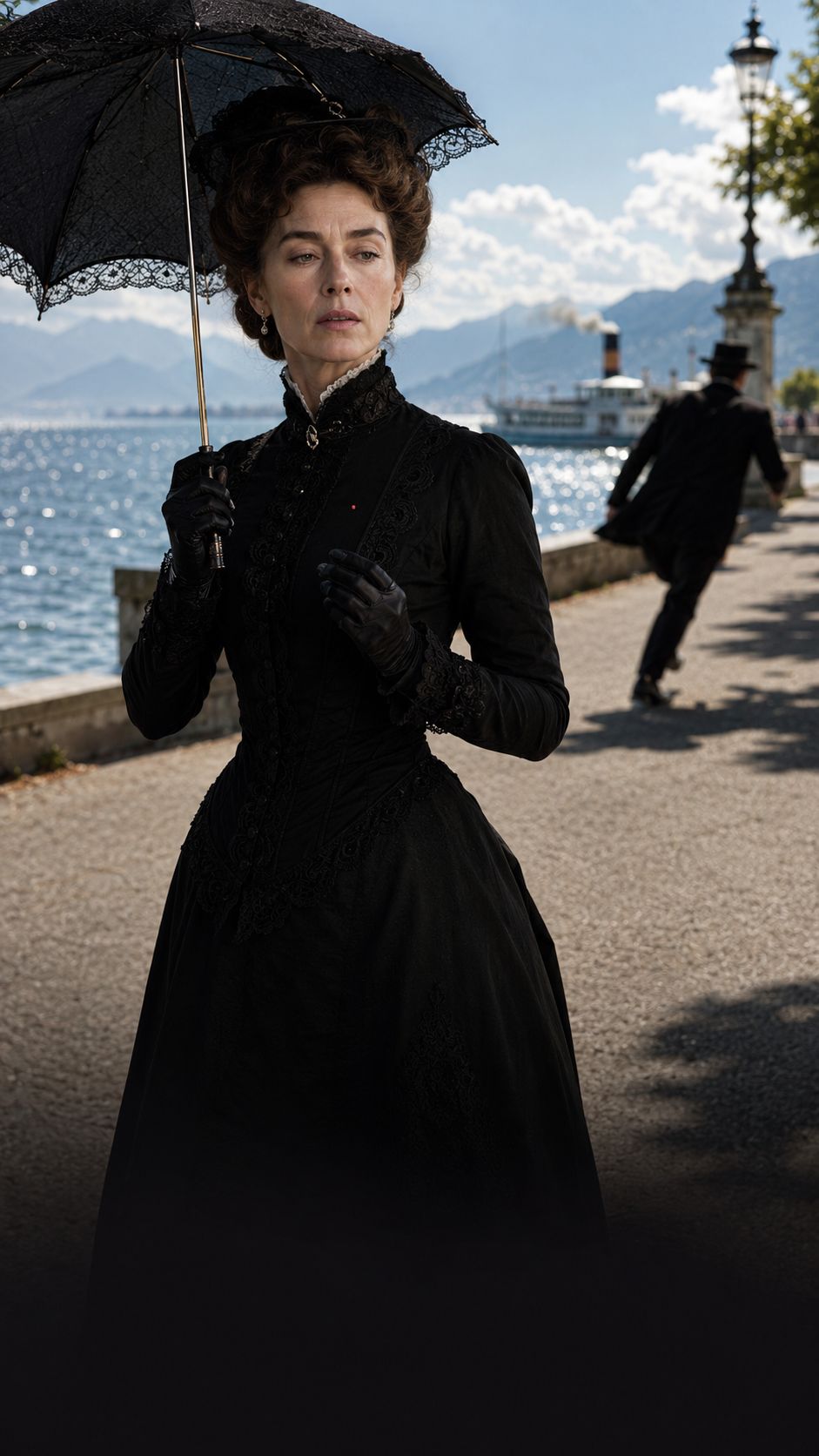 The Empress Who Walked Away From Her Own Murder
Stabbed through the heart by an assassin who wanted someone else, she got up, brushed herself off, and kept walking.
Geneva, Switzerland · 1898 · 112 km away
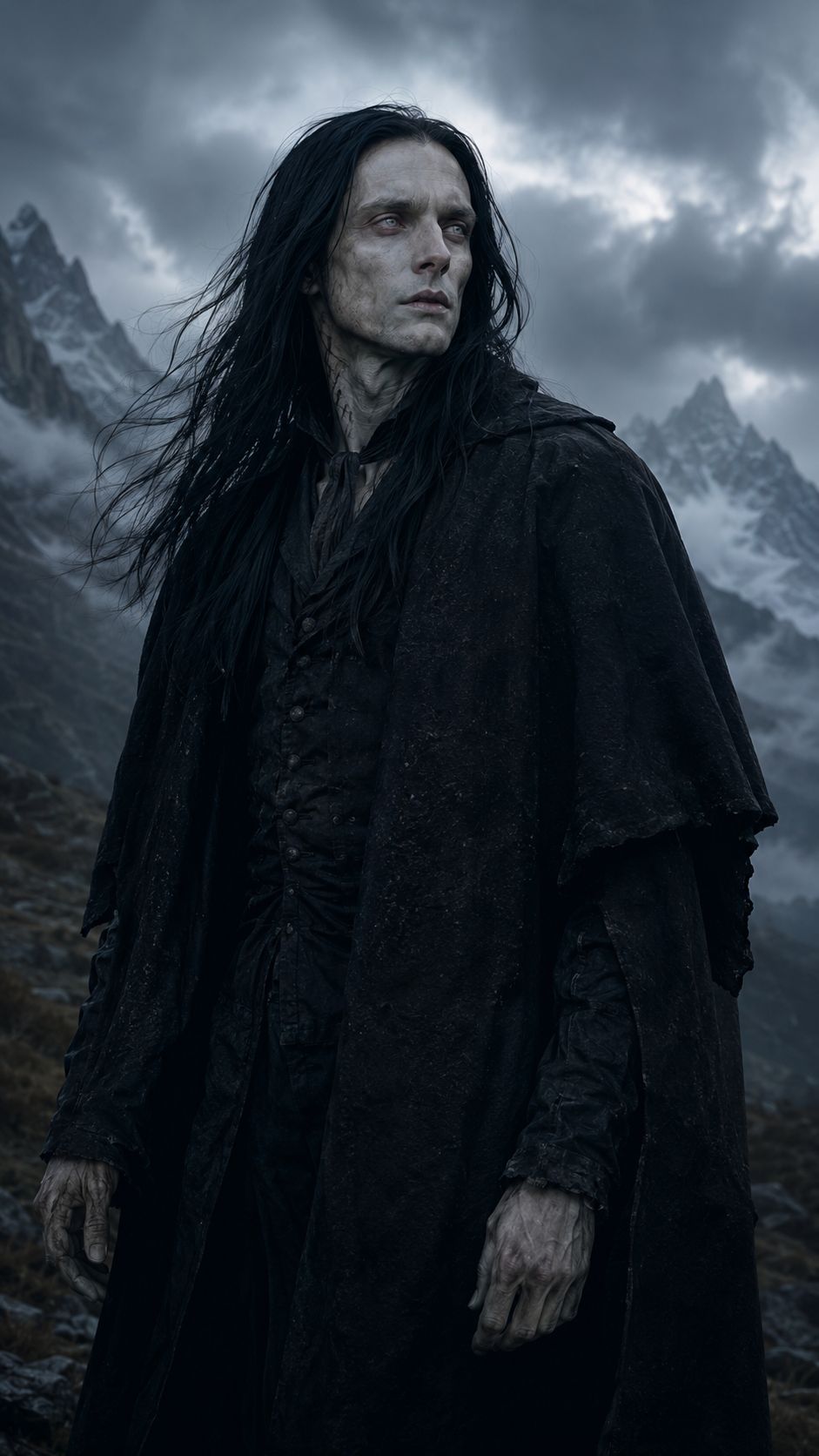 The Tragic Life Behind Frankenstein
The real 1818 novel is nothing like the lumbering movie monster — and the woman who wrote it lived a life as tragic as her fiction.
Geneva, Switzerland · 1816 · 112 km away