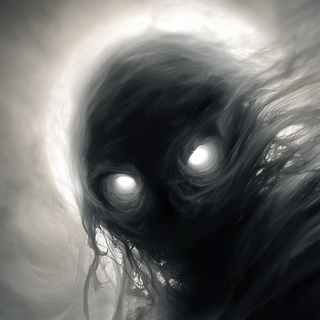
In 866 AD, the Great Heathen Army sailed into England. According to later Norse legend, they came because King Ælla of Northumbria had thrown their father, Ragnar Lodbrok, into a pit of venomous snakes. Whether Ragnar was real, semi‑real, or entirely mythological is its own debate. What happened next is another.
The Horror
A skaldic verse known as Knútsdrápa states baldly that Ivarr, who ruled at York, “cut the eagle” on Ælla’s back. Later saga accounts are more explicit — describing the ribs being cut away from the spine and the lungs drawn out through the wounds and spread like wings, a ritual killing remembered as the blood eagle.
The Anglo‑Saxon Chronicle, written much closer to the events, says something very different: that Ælla died in battle at York on 21 March 867, fighting the Viking army. There is no mention of a ritual execution at all. Modern scholars like Roberta Frank have argued that saga‑writers may have misunderstood earlier poetic kennings about battlefield corpses “fed to eagles,” turning a metaphor for slaughter and carrion into a literal anatomical procedure centuries after the fact.
Across four centuries, at least nine Old Norse and Latin texts describe something called the blood eagle, but they don’t agree on how it was done, or on whom. None of them is contemporary with Ælla. Some modern researchers have gone as far as showing that the ritual is anatomically possible; others remain convinced it was always a literary image, not a historical practice. The debate has never been resolved.
What is not in dispute: the Great Heathen Army took York. Ælla died there. Viking tradition needed his death to be personal, deliberate, and terrible — vengeance for a father’s murder in a snake‑pit. Whether the blood eagle was ever carried out, or was a metaphor hardened into “fact” in the sagas, the image it created proved powerful enough to survive for over a thousand years.
The Modern Relic
You can walk straight through the Viking layers of York today. The Jorvik Viking Centre sits on one of the most intensively excavated Viking‑age sites in Europe. Beneath York Minster, the Roman and Norse foundations are visible in the undercroft museum. Whatever happened to Ælla — a battlefield death or something worse — happened somewhere in this city. The Anglo‑Saxon records say it simply: he fell. The sagas leave you with an execution historians are still arguing about.
Nearby on the Dark Atlas
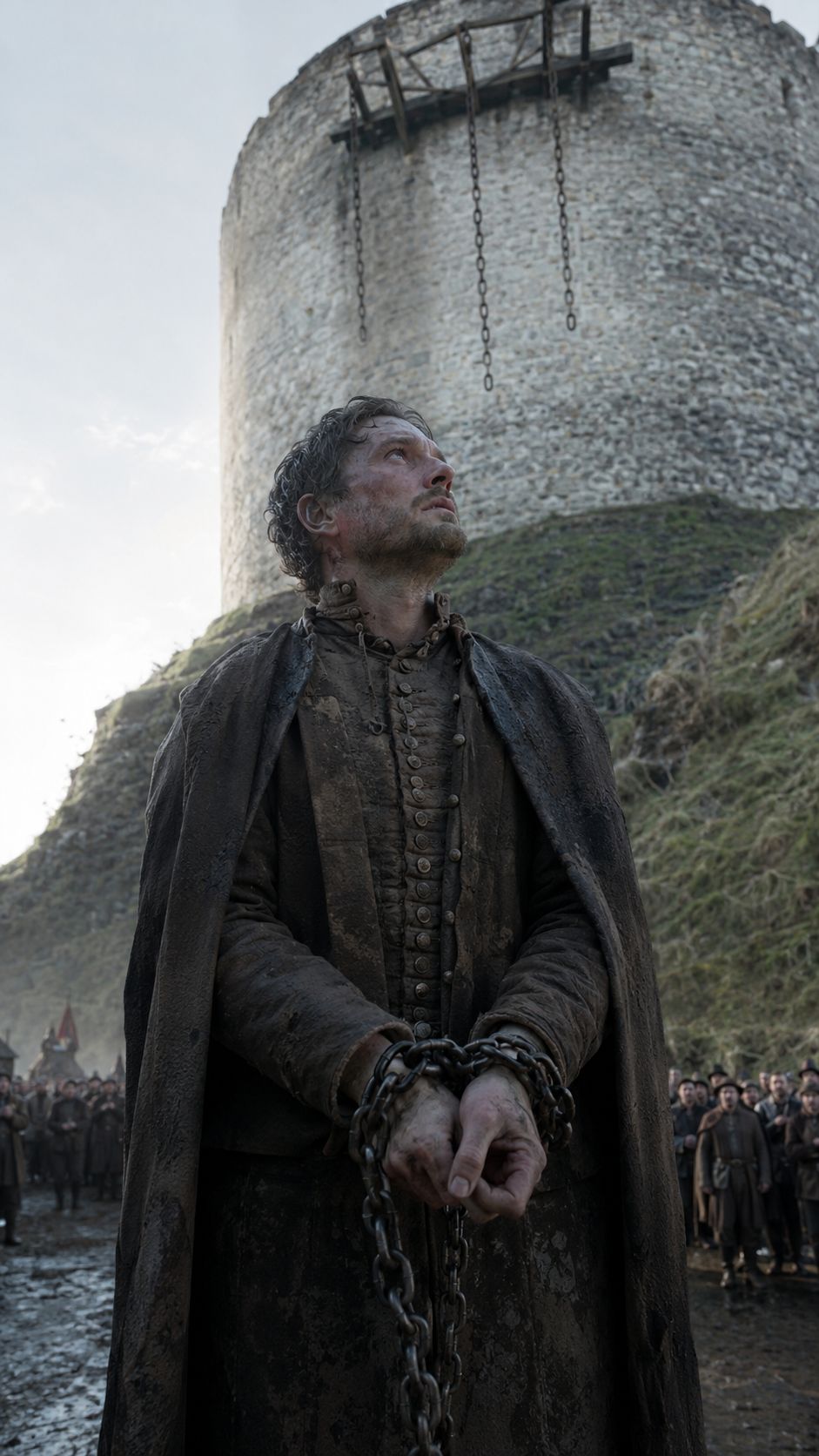 The Rebel Leader Hanged in Chains Over York
He led 30,000 men against the King and nearly won — until false promises brought him back to the city he'd once commanded.
York, United Kingdom · 1537 · same site
- The Horse-Thief Turned Into A Folk Hero
A violent burglar and horse-thief understood one thing perfectly: how to command an audience at his own execution.
York, United Kingdom · 1739 · same site
- The Poisoner Whose Skin Was Sold as Charms
After she was hanged for poisoning a client, her skin was tanned into good-luck charms and sold to the public.
York, United Kingdom · 1809 · same site
- The Viking Execution Carved Into Legend
Ribs pulled outward like wings and lungs drawn through the back; historians still debate if this ritual was ever real.
York, United Kingdom · 867 · same site