On the morning of 25th October 1854, Lord Raglan — the British commander-in-chief in the Crimean War — stood on high ground above the valley of Balaclava and watched Russian forces preparing to remove captured cannons from a Turkish position.
He needed light cavalry to intercept them. He wrote a note. He gave it to Captain Louis Nolan. He pointed at the retreating Russians. Nolan rode down the hill to deliver the order.
At the bottom, the view was different. Lord Lucan — the cavalry division commander — could not see the retreating Russians. He could not see the position Raglan was pointing at. All he could see was a fortified Russian battery at the far end of a mile-long valley, with cannons positioned on the heights on both sides.
He asked Nolan which guns Raglan meant. Nolan — impatient, arrogant, or simply unclear — swept his arm toward the end of the valley and said: “There, my Lord, is your enemy. There are your guns.”
The wrong guns. The wrong valley. The wrong order. Lucan turned to Lord Cardigan — commander of the Light Brigade, his brother-in-law, a man he despised — and ordered him to charge.
Cardigan looked down the valley. He saw the killing box: cannons to the left, cannons to the right, and thirty cannons directly ahead. He turned and said: “Well, here goes the last of the Brudenells.”
Then he led 673 men into the valley.
THE HORROR They started at a trot. The valley was a mile long. The Russian guns opened fire almost immediately — not from the front, but from the hillsides on both flanks. Cannonballs tore through the formation. Shells burst above and among the riders. Men and horses fell. The line closed ranks and kept riding.
The trot became a gallop. The noise became impossible — the thunder of hooves, the shriek of shells, the screams of horses, the rhythmic crash of cannon salvoes fired at a target that would not stop moving. Dust and smoke filled the valley. The men could barely see the guns they were charging toward. They could feel the concussion of rounds landing beside them. They rode through it.
Captain Nolan — the man who had delivered the order — was riding at the front. He suddenly veered across Cardigan’s path, waving his sword, shouting something nobody could hear. He may have been trying to redirect the charge — trying to correct the mistake at the last possible moment. A shell fragment struck him in the chest. He was the first man killed. The man who caused the charge was the first man the charge destroyed.
At full gallop, the Light Brigade hit the Russian battery at the end of the valley. They reached the guns. They rode among the gunners. They slashed and cut and scattered the artillery crews. For a brief, chaotic moment, they held the position.
Then they had to turn around. And ride back. Through the same valley. Through the same fire. Through the same mile of cannons on three sides.
The return was worse. The horses were blown. The men were wounded. The Russians had adjusted their aim. The same ground that had been difficult to cross at a gallop was impossible to cross at a walk.
Of the 673 men who entered the valley, 118 were killed, 127 were wounded, and approximately 60 were taken prisoner. Only 195 rode back with their horses.
From the hillside, the French Marshal Pierre Bosquet watched the entire charge. His verdict: “C’est magnifique, mais ce n’est pas la guerre.”
It is magnificent, but it is not war.
The Russians — who had expected the cavalry to wheel away when the guns opened fire, as any rational force would — reportedly concluded that the British must be drunk. No sober army charges thirty cannons across open ground.
THE MODERN RELIC Every commander blamed everyone else. Raglan blamed Lucan for misinterpreting the order. Lucan blamed Nolan for delivering it wrongly. Nolan was dead and could not defend himself. Cardigan — who had led the charge from the front and survived without a scratch — rode back to his yacht in Balaclava harbour and drank champagne while his men were being counted.
Six weeks later, Alfred, Lord Tennyson published The Charge of the Light Brigade — one of the most famous poems in the English language. Its lines made the disaster immortal:
“Theirs not to reason why, theirs but to do and die. Into the valley of Death rode the six hundred.”
The poem turned a catastrophic command failure into a monument to obedience and courage. The men who charged became heroes. The men who sent them were never held to account. The note that caused it — a few scribbled lines on a scrap of paper — is in the National Archives.
The valley at Balaclava is in Crimea. It is farmland now. The ridgelines where the Russian guns fired are gentle slopes covered in grass. The mile-long stretch of ground where 673 men rode into thirty cannons because one officer waved his arm in the wrong direction is quiet. The horses are gone. The guns are gone. The poem is in every school in England.
Nearby on the Dark Atlas
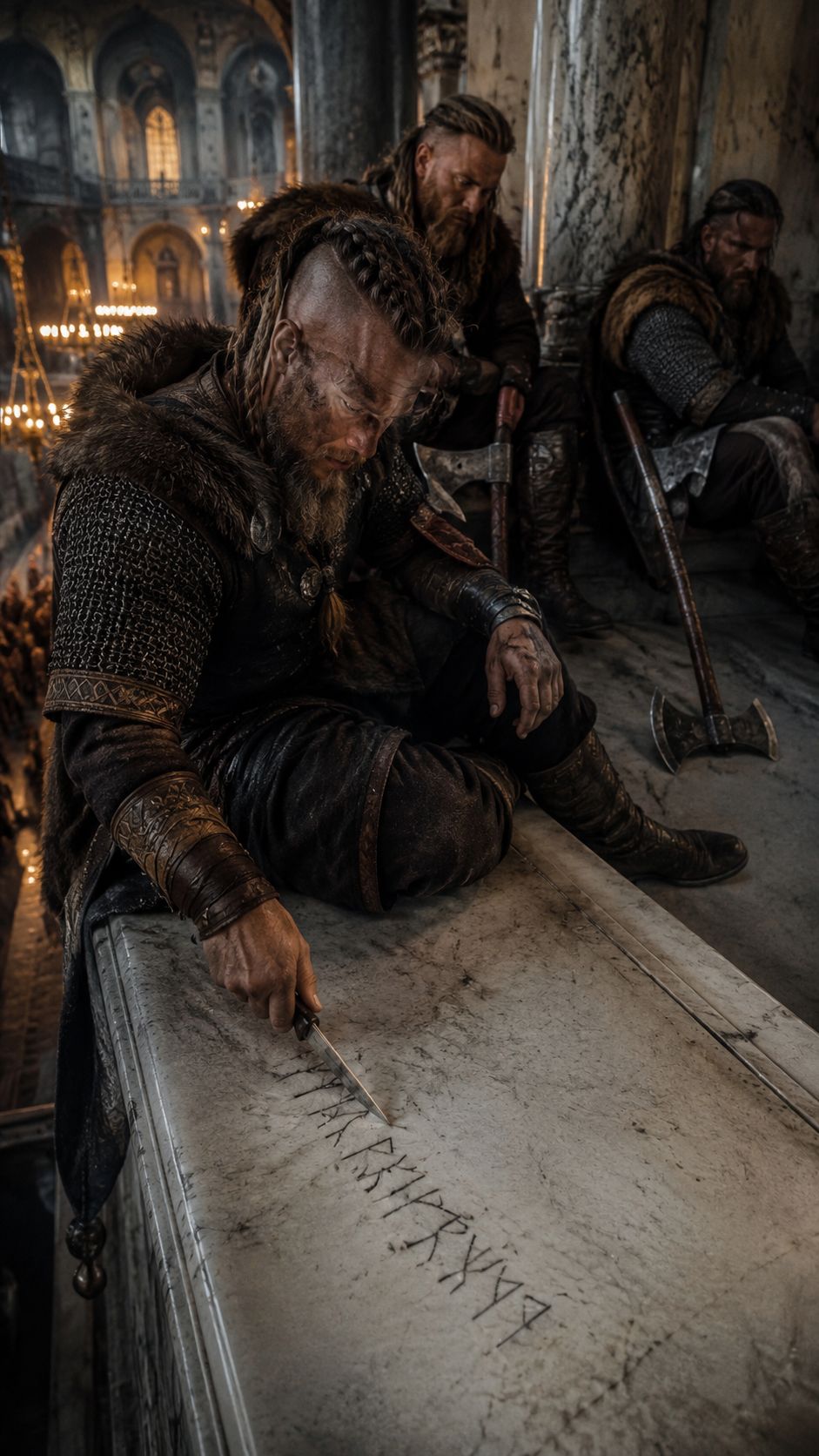 The Viking Who Carved His Name In Hagia Sophia
Bored during an endless imperial church service, a Viking guardsman scratched graffiti into marble that survives a thousand years later.
Hagia Sophia, Istanbul, Turkey · 1050 · 541 km away
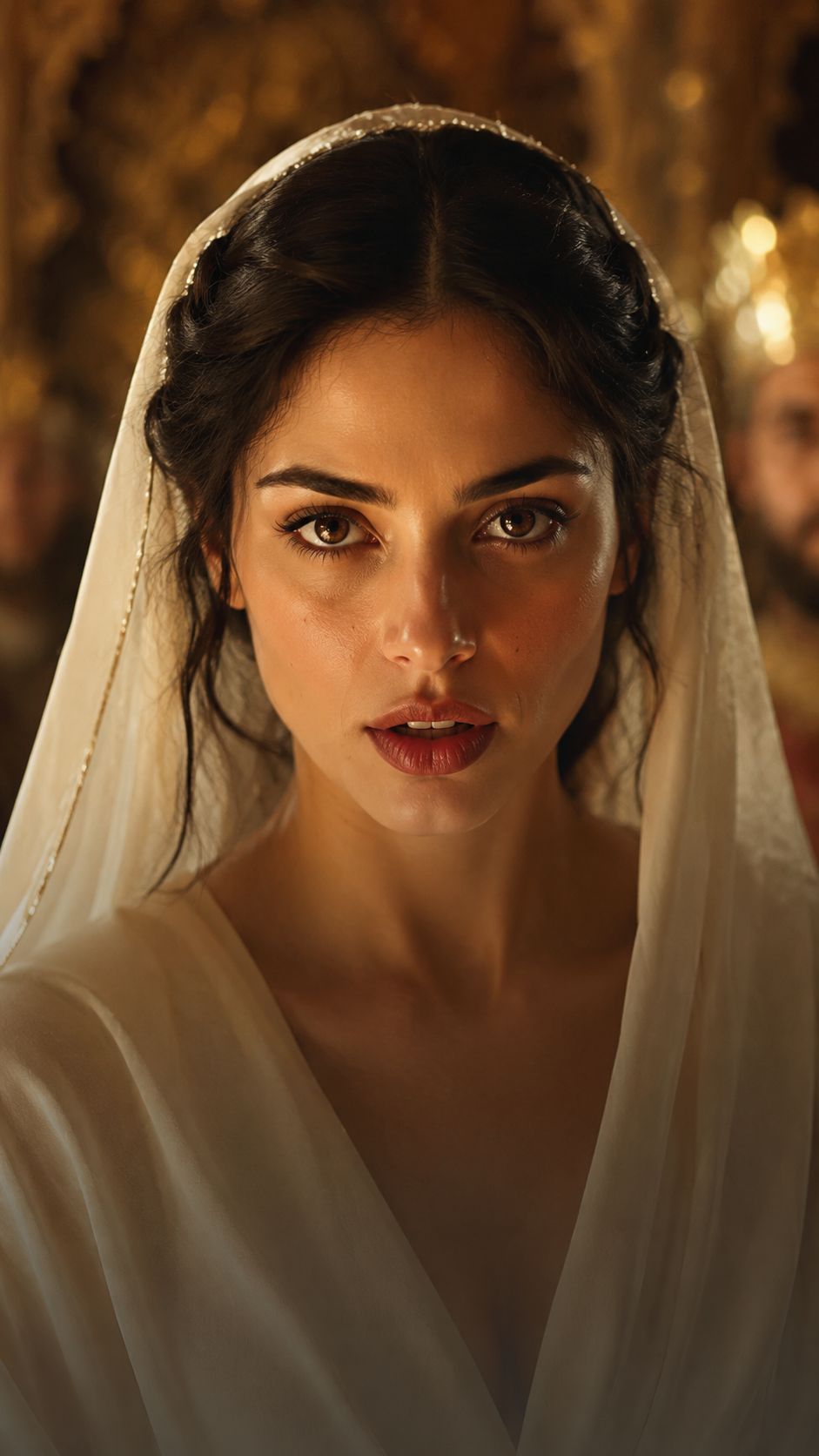 The Bride An Emperor Insulted And Never Forgot
A Byzantine emperor mocked a brilliant woman at his own bride show, then rode to her monastery decades later still unable to forget her.
Constantinople, Turkey · 830 · 542 km away
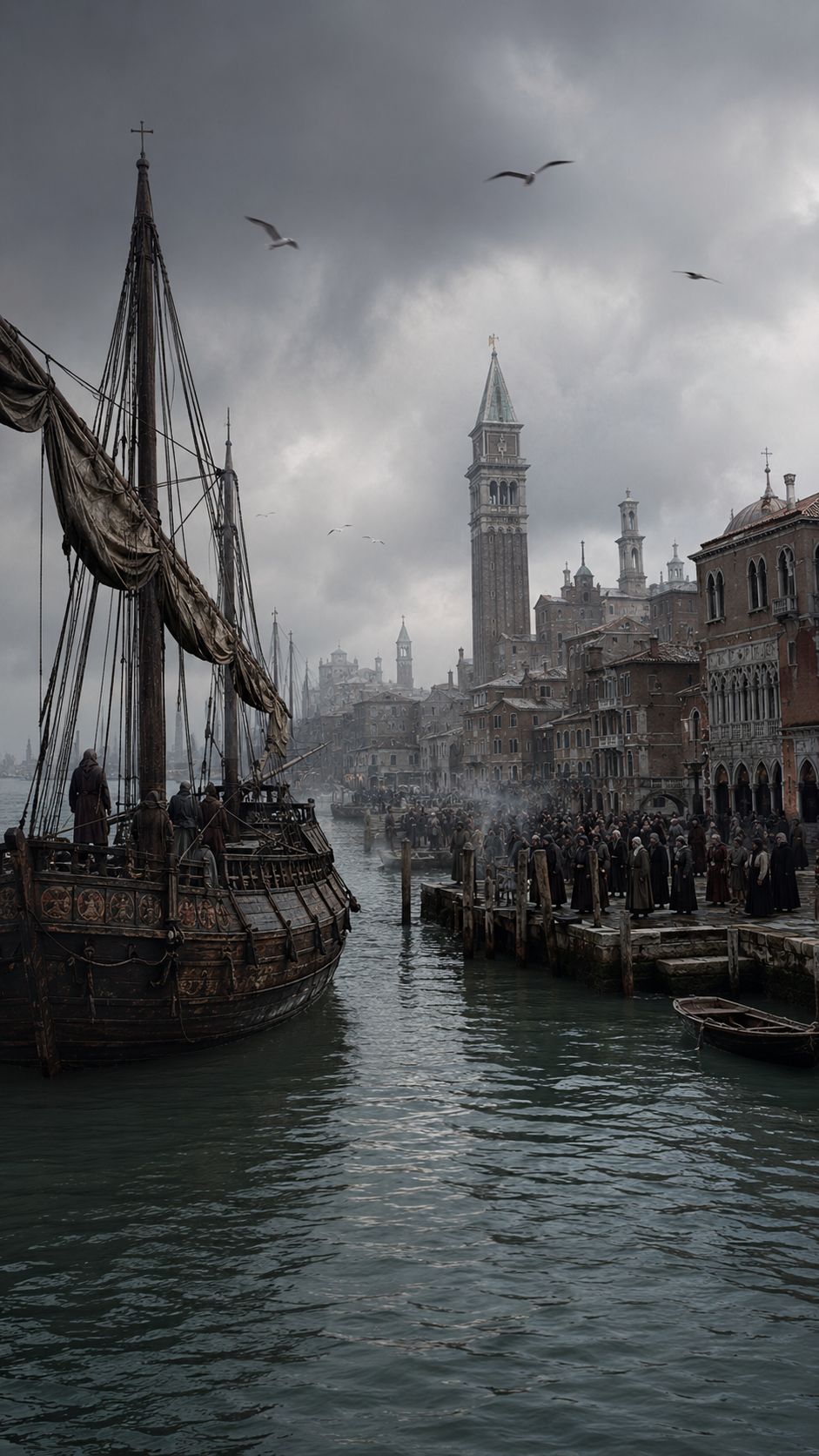 The Crusade That Sacked A Christian City
A crusade meant for Jerusalem was diverted, city by city, until it ended up looting and burning Constantinople itself.
Istanbul, Turkey · 1204 · 542 km away
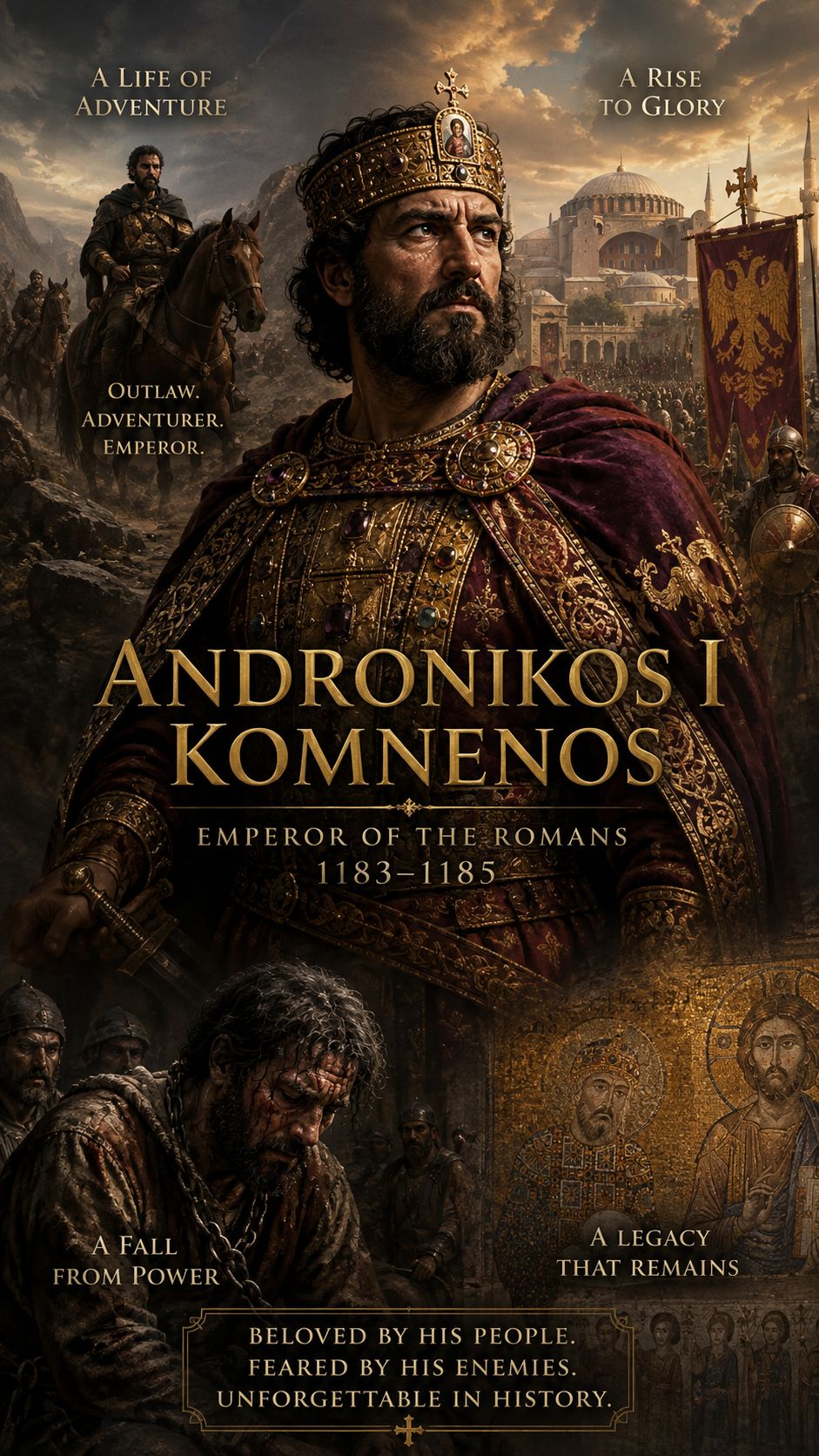 The Emperor Who Faced The Mob With A Prayer
A Byzantine emperor who showed no mercy to others met his own three-day public destruction with astonishing calm.
Istanbul, Turkey · 1185 · 542 km away