The execution of Emperor Maximilian I of Mexico is one of the most poignant and tragic royal deaths of the nineteenth century — the story of a well-meaning, idealistic European prince who was lured across the ocean to sit on a throne that was never truly his, who was abandoned by the great power that had placed him there, and who met a firing squad with a courage and dignity so complete that it stunned the world and inspired one of the most famous paintings of the age.
To understand the tragedy, you have to understand how he came to be there at all. Maximilian was born in 1832 an Austrian archduke, the younger brother of Franz Joseph I, the Emperor of Austria. He was a liberal, cultured, romantic man — a naval commander, a lover of botany and the arts, genuinely idealistic, but restless and without a throne of his own in the shadow of his powerful brother. And in the early 1860s, an extraordinary opportunity was dangled before him. Mexico was in turmoil, riven by civil war between liberals and conservatives. The French Emperor Napoleon III, seeking to expand his influence and install a friendly monarchy in the Americas, had invaded Mexico — and Mexican conservative monarchists, wanting a European royal to legitimise their cause, offered the crown of a new Mexican Empire to Maximilian.
He was hesitant at first. But he was persuaded — crucially, by a rigged vote that was presented to him as proof that the Mexican people themselves genuinely wanted him as their emperor. Believing he was answering the call of a nation, the idealistic Maximilian accepted. In 1864, he and his devoted wife, Charlotte of Belgium — known in Mexico as Carlota — sailed across the Atlantic to take up the throne of the Second Mexican Empire. And almost immediately, the dream began to unravel. Maximilian, to the fury of the conservatives who had brought him, turned out to be a genuine liberal who upheld many of the reforms of his republican enemies. He never won the love of the people, and he never controlled the country. He was, in truth, always a puppet — a European figurehead propped up entirely by French bayonets, ruling over a land where the republican forces of the elected president, Benito Juárez, were fighting relentlessly to throw him out.
The Horror
And then his one true prop was pulled away. Under mounting pressure from the United States, and needing his soldiers back home to face the rising threat of Prussia, Napoleon III made a fateful decision: he withdrew his French army from Mexico, abandoning the emperor he had installed. Napoleon even urged Maximilian to give it all up and leave with the departing troops, to save himself. But Maximilian, with a doomed and stubborn nobility, refused to abandon the Mexican loyalists who had stood by him. He would not flee. He stayed, and fought on with a dwindling army of several thousand loyal Mexican troops, until he was forced to retreat and make his stand in the city of Santiago de Querétaro. There, in the spring of 1867, he was besieged. After weeks, the city fell — betrayed, it is said, from within — and on the hill outside the city known as the Cerro de las Campanas, the Hill of the Bells, Maximilian was captured.
He was court-martialled and sentenced to death. Across Europe and the world, there was an outcry: crowned heads, statesmen, and famous figures — even those sympathetic to the republican cause — pleaded with President Juárez to spare the emperor’s life. But Juárez, determined to make an absolute and final example that would warn any future European power against ever again trying to impose a monarch on Mexico, refused every plea for clemency. Maximilian would die. And in his final days, the emperor showed the character that would make his death legendary. He was given a chance to escape: a plan was laid for him to slip through the enemy lines in disguise. But it would have required him to shave off his distinctive beard — and Maximilian refused to do it, reportedly saying that he would not disguise himself, because if he were recaptured, the loss of his dignity would be worse than death. He chose to face his fate as himself, as an emperor.
On the morning of the 19th of June 1867, at around twenty to seven, Maximilian was led out to the Hill of the Bells to be shot, alongside two of his loyal Mexican generals, Miguel Miramón and Tomás Mejía, who had refused to abandon him. And what followed became one of the most admired death scenes in modern history. Maximilian embraced his two generals. He is said to have given each of the soldiers in his firing squad a gold coin, and made a single request: that they not shoot him in the face — so that his grieving mother, far away in Vienna, would be able to look upon his features one last time. He gave up his place of honour in the centre to General Miramón. And then, standing before the guns, speaking in clear Spanish so the watching Mexicans would understand him, he spoke his last words: “I forgive everyone, and I ask everyone to forgive me. May my blood, which is about to be shed, be for the good of the country.” And then he cried out: “¡Viva México!” — “Long live Mexico!” The volley rang out, and the emperor and his two generals fell together. Maximilian was thirty-four years old.
The Modern Relic
The tragedy rippled outward. His wife, Carlota, had already left Mexico before the end, travelling desperately across Europe to beg Napoleon III and the Pope for help that never came. The strain shattered her mind; she suffered a complete mental collapse from which she never recovered, and lived on, lost in her delusions, for another sixty years, dying in 1927 having reportedly never fully understood that her beloved husband was long dead. Maximilian’s body was embalmed and, after some delay, returned to Austria, where it was laid to rest in the Imperial Crypt in Vienna, among the Habsburg emperors — the archduke who had crossed an ocean to be a king, brought home at last to lie with his ancestors.
The relic is doubly powerful, and doubly visitable. In Mexico, on the Cerro de las Campanas in Querétaro — the exact hill where he was captured and shot — a chapel now stands, built on the site of the execution, a place of quiet pilgrimage where you can stand on the very ground where the emperor fell. And in Europe, his death was immortalised by one of the greatest artists of the age: the French painter Édouard Manet, deeply struck and troubled by the execution — and by the shame of his own country’s abandonment of Maximilian — created a series of monumental paintings of the firing squad, echoing Goya’s great painting of an earlier atrocity. These vast canvases, “The Execution of Emperor Maximilian,” hang today in major museums including Mannheim, London, and Boston, ensuring that the image of the doomed emperor facing the guns has never left the world’s memory. Maximilian of Mexico remains one of history’s great tragic figures — a decent, dreaming man who believed a lie about a people who wanted him, was abandoned by the empire that used him, and who, stripped of everything, chose in his final moments to forgive his killers, protect his mother’s last sight of his face, and die with the name of the country that was killing him on his lips.
Nearby on the Dark Atlas
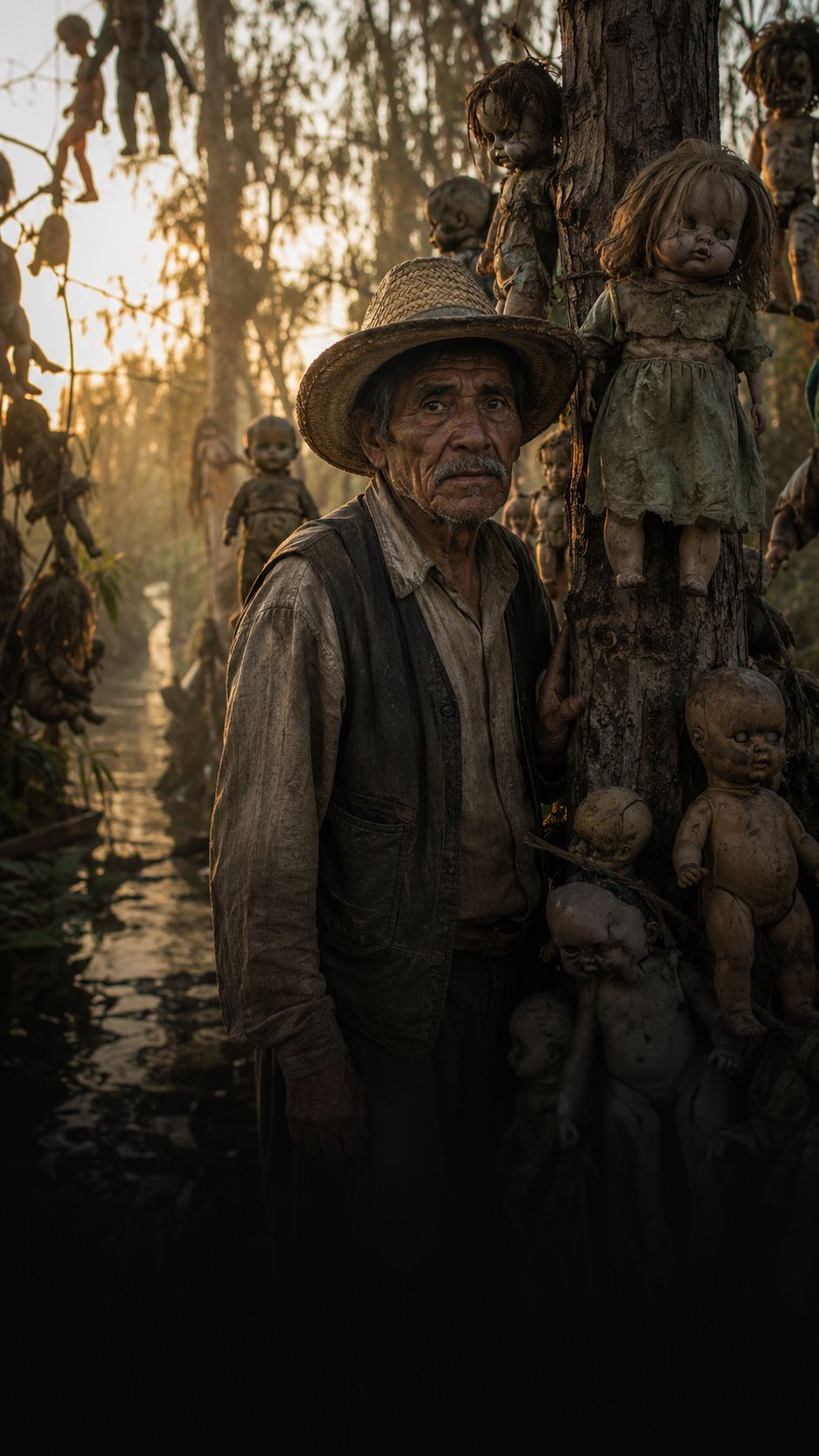 The Island Hung With Thousands Of Dolls
One lonely man's fifty years of grief for a drowned child slowly turned a canal island into a shrine of nightmares.
Xochimilco, Mexico City, Mexico · 2001 · 199 km away
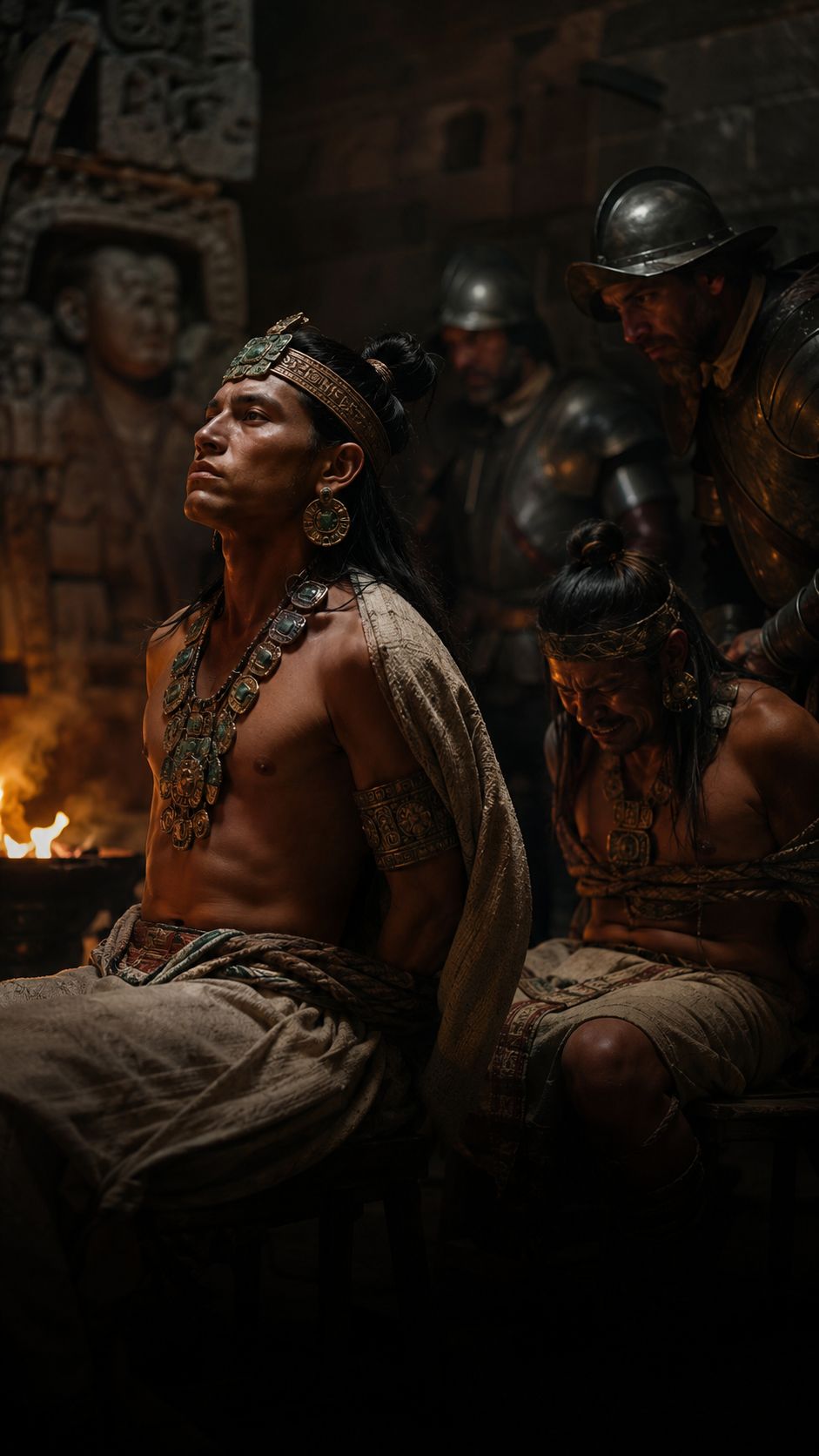 The Last Aztec Emperor Who Never Broke
Tortured by fire and marched as a prisoner into the jungle, the last Aztec emperor faced his end with unbroken dignity.
Izancanac, Tabasco, Mexico · 1525 · 975 km away
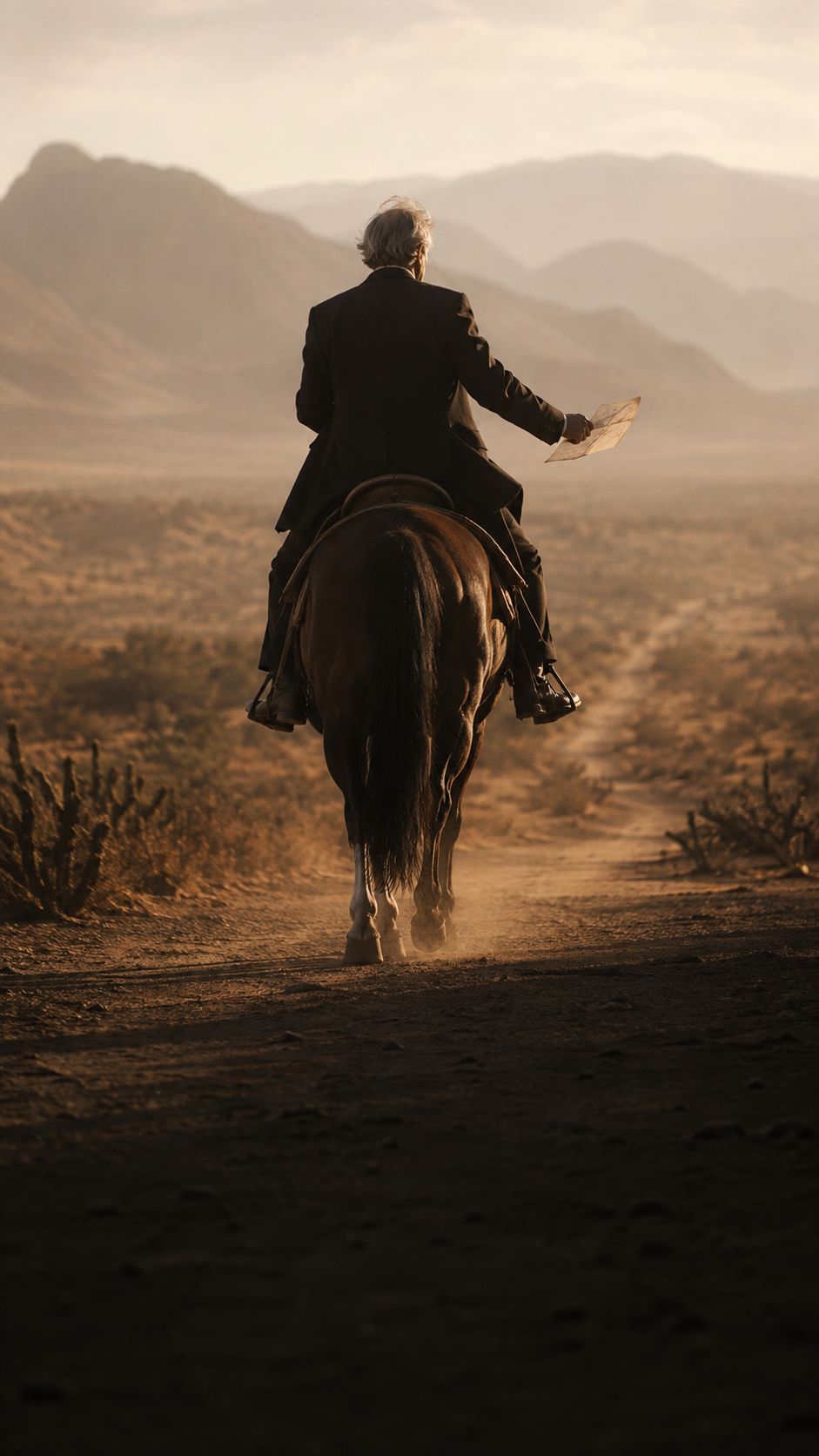 The Writer Who Vanished Into His Own Story
A famous author who spent his life writing about death rode into the Mexican Revolution at seventy-one and was never seen again.
Chihuahua, Mexico · 1913 · 1064 km away
- The President's Brain That Vanished
His brain was preserved for the National Archives after his assassination, then it disappeared and has never been found.
Dallas, United States · 1963 · 1401 km away