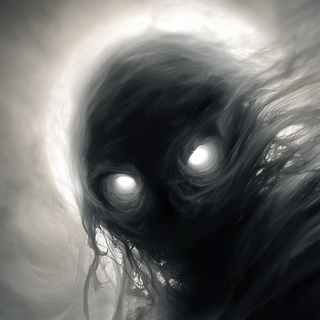
In 1556, England was in the grip of the Marian Persecutions. Queen Mary I — “Bloody Mary” — was determined to drag England back to Catholicism, and she was burning Protestants at the stake to do it: nearly three hundred men and women in a few short years. The terror reached everywhere the Crown ruled, including the small Channel Island of Guernsey.
And on Guernsey, it produced one of the most infamous and pitiful atrocities of the entire era.
THE HORROR It didn’t even begin as a religious case. It began with a stolen cup.
In St Peter Port lived a woman named Katherine Cauches and her two grown daughters — Guillemine Gilbert, and Perotine Massey. Perotine was married to a Protestant minister who was away, likely in London, probably to escape the very persecution that was about to engulf his family.
One night in May 1556, a local woman stole a silver cup and tried to sell it to Perotine. Perotine, honest, recognised it as stolen property and did the right thing: she reported it and made sure it got back to its rightful owner. The thief was arrested.
But in the tangle of the investigation, Katherine and her two daughters were themselves hauled into court, suspected of some involvement in receiving the stolen goods. And they were tried. And they were found not guilty. The court could find no evidence against them. They hadn’t done it. By rights, that should have been the end of it — three innocent women cleared and sent home.
Except the proceedings had turned up something else. In the course of the case, it emerged that these three women held Protestant beliefs — that they didn’t attend Mass and rejected Catholic doctrine. And in Mary’s England, that was a far more dangerous thing than theft.
So the case was handed to the church authorities. The women were examined for heresy, and — refusing to renounce their Protestant faith — the mother and both daughters were condemned. On the 17th of July 1556, the bailiff of Guernsey, a man named Hellier Gosselin, and the island’s jurats passed sentence: Katherine Cauches and her two daughters, Guillemine and Perotine, were to be burned until they were consumed to ashes, and all their property seized for the Crown.
Three women, cleared of the crime they were actually charged with, sent to the fire for how they prayed.
The execution took place on or around the 18th of July 1556, in the usual place at St Peter Port, before a crowd. Three stakes were set up. The mother, Katherine, was bound to the middle post, with a daughter on either side of her. Perotine, the younger daughter, was heavily pregnant — “great with child,” in the words of the chronicler.
As a small mercy, the custom was that the condemned should be strangled with a rope before the flames reached them, to spare them being burned alive. And here the horror compounded. The rope broke.
It broke before the women were dead, and all three fell, still living, into the fire.
And then, in that fire, in front of the entire horrified crowd, Perotine — in the extremity of the flames — gave birth. Her unborn son was delivered into the fire as she died.
A bystander, a man recorded as W. House, saw it, and did the only human thing: he rushed forward and pulled the newborn baby out of the flames, alive, and laid him on the grass. For one moment, a living child had been snatched from the fire.
The Provost carried the infant to the bailiff, Hellier Gosselin, the man who had ordered the burning — presumably expecting that surely, surely, this changed things. A living, innocent, newborn baby.
Gosselin ordered it carried back and thrown into the fire.
And it was. The child died in the flames with his mother and his aunt and his grandmother. All four of them — three generations of one family, and a baby only minutes old — burned together on Guernsey that July day.
THE MODERN RELIC John Foxe recorded the whole thing in his Book of Martyrs a few years later, and he did not exaggerate for effect — he cited the official court documents and named eyewitnesses. He introduced it as a history that, among all the terrible things in his enormous book of martyrdoms, had “none almost either in cruelty to be compared, or so far off from all compassion and sense of humanity.”
It became one of the most notorious atrocities of Mary’s reign, precisely because of the baby. This wasn’t the heat of battle or a mob out of control. A magistrate was handed a living newborn and, in cold blood, ordered it burned. Even Catholic writers of the time were appalled — the best defence anyone could later muster for Gosselin was the grotesque legal argument that it was really Perotine’s fault, because if she’d only announced in court that she was pregnant, the law would have been forced to delay her execution until after the birth. That she “pleaded the belly,” and could have saved her child by doing so. A horrifying attempt to move the blame onto a woman who was burned alive.
When Mary died in 1558 and her Protestant sister Elizabeth I took the throne, the tide turned. In Guernsey, people actually moved to prosecute Hellier Gosselin and those responsible for what had been done to the three women and the infant. Gosselin had to seek a royal pardon for his part in it. The atrocity was not forgotten or brushed aside — it was, even then, recognised as a crime.
The relic is real and you can visit it. On the Tower Hill steps in St Peter Port, Guernsey — near the spot where the fire was lit — there is a memorial plaque to the Guernsey Martyrs: Katherine Cauches, Guillemine Gilbert, Perotine Massey, and Perotine’s infant son, who never even received a name. It was unveiled at a commemorative service in 1999. Today people walk those steps in a quiet harbour town, past a small plaque marking the place where, nearly five hundred years ago, a court burned three women it had already found innocent — and threw a newborn baby back into the flames.
Nearby on the Dark Atlas
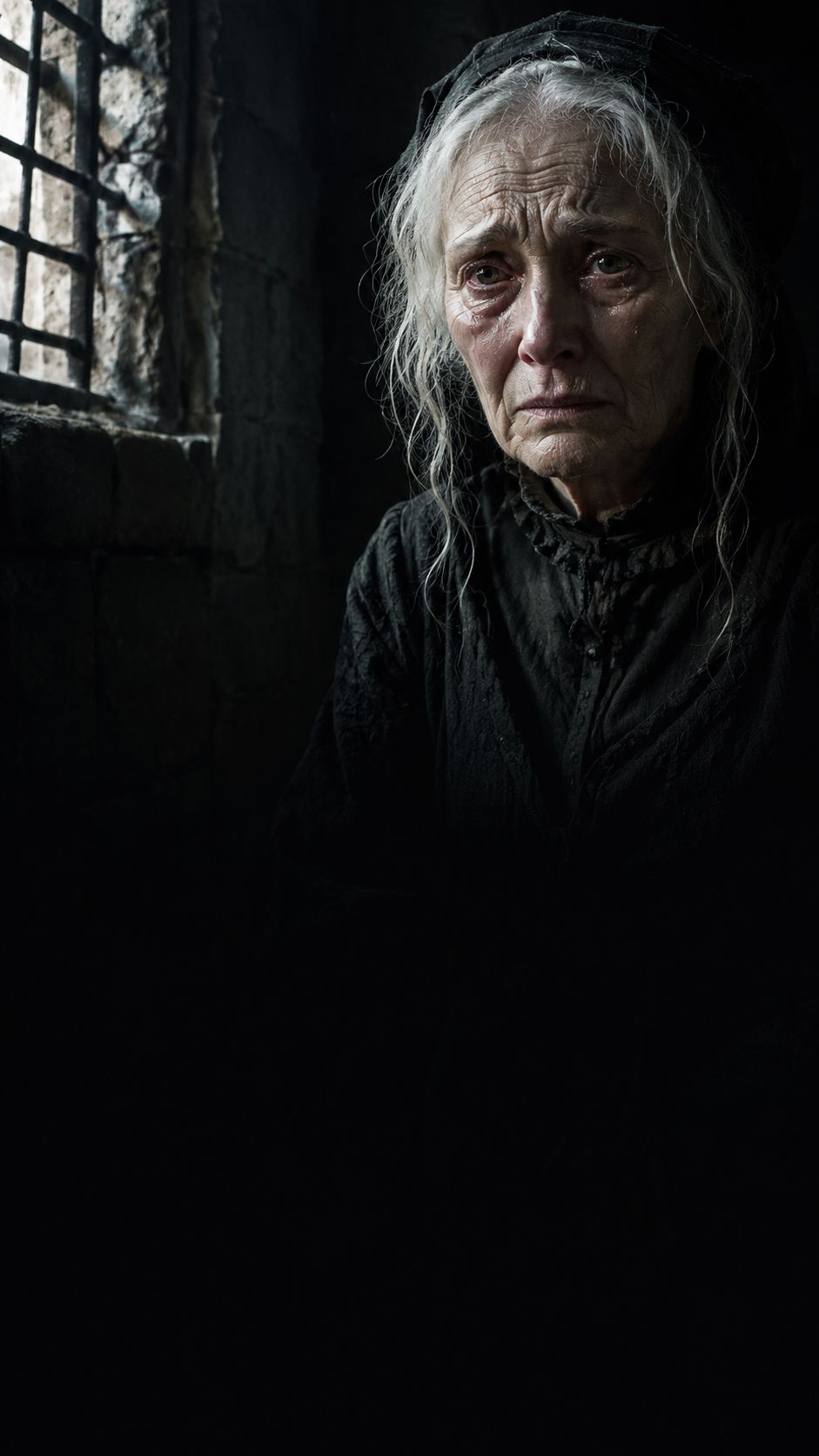 The Rope That Broke at the Stake
Acquitted of theft, three women were burned for heresy anyway when the strangling rope snapped before the flames rose.
Saint Peter Port, Guernsey · 1556 · same site
 The Wreck That Sank a Dynasty
A drunken crew and a hidden rock drowned the only heir to the English throne on a single reckless night.
Barfleur, France · 1120 · 95 km away
 The Skulls Stacked In A Roman Quarry Pit
Fifty-four beheaded skeletons in a Dorset pit trace back to a king's order to kill every Dane in England.
Weymouth, United Kingdom · 1002 · 129 km away
- The Man The Gallows Refused To Kill
He stood on the trapdoor three times in one morning, and three times the gallows failed to hang him.
Exeter, United Kingdom · 1885 · 157 km away