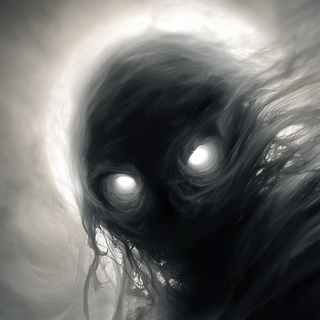
In June 2009, contractors were cutting a new road across Ridgeway Hill above Weymouth in Dorset, clearing the route ahead of the 2012 Olympic sailing events. Archaeologists working ahead of the machinery opened up an old disused Roman quarry pit on the hilltop. What was inside it stopped the work entirely.
Fifty-four human skeletons had been thrown into the pit in a tangle. Every one of them had been beheaded. And the skulls were not with the bodies — they had been stacked together in a heap on one side of the pit, deliberately separated from the torsos they belonged to.
There were fifty-four bodies. There were fifty-one skulls.
The Horror
The analysis, when it came, turned this into one of the most significant archaeological discoveries in modern Britain. Every one of the dead was male. Almost all were young — late teens to mid-twenties, with a handful of older men. They were tall, powerfully built, and healthy, several carrying old healed injuries of the kind you get from fighting. They were not a random population. They were fighting men.
And the isotope analysis of their teeth, which records the water and food of childhood, showed where they had grown up: Scandinavia. Norway, Sweden, the Baltic. One of them appears to have grown up north of the Arctic Circle. Radiocarbon dating placed the killings between roughly AD 970 and 1025.
They were a Viking war band. And the English caught them.
The wounds tell you exactly how it was done. These men were not killed in a battle. They were executed, one at a time, while the others watched and waited their turn. Most were struck from the front rather than behind, which means they were facing the man with the blade. There are deep cuts across jaws, collarbones and the tops of skulls where the first blows landed badly. Several have defensive wounds on the hands and forearms — men grabbing at the weapon coming towards them. One man required nine separate blows before his head came off. This was not a practised executioner with a block. This was a crowd with axes and swords, doing it badly and doing it anyway.
The bodies had no clothing, no belts, no buckles, no jewellery, no weapons, nothing. They had been stripped naked before they died.
And then there are the three missing skulls. Fifty-four men went into that pit. Only fifty-one heads went in with them. Three were kept — and the standard Anglo-Saxon use for the head of a defeated raider was to put it on a stake, on a bridge, a gate or a boundary, as a message to the next crew that came ashore.
The Modern Relic
The date range is what makes it chilling, because it brackets one of the darkest documented days in English history.
On 13th November 1002 — St Brice’s Day — King Æthelred II, remembered as Æthelred the Unready, issued an order for the killing of all the Danes living in England. He later stated the reason plainly: he had been told the Danes intended to kill him and take his kingdom. What followed was a coordinated massacre of a civilian population.
We know exactly what happened in one town, because Æthelred himself put it in writing. In a royal charter of 1004, he records that in Oxford the Danes fled for sanctuary into the church of St Frideswide, barricaded themselves inside, and the townspeople burned the church down on top of them. The charter survives. It is a king’s own account of a massacre, written as an administrative note explaining why the church needed rebuilding.
And in 2008 — a year before the Dorset discovery — construction work at St John’s College in Oxford uncovered a mass grave of at least thirty young men in a prehistoric ditch beneath the quadrangle. They had blade wounds. Several were charred. Isotope analysis again indicated Scandinavian origin. They are widely considered to be the victims of that burning church.
The consequences were catastrophic for England. Sweyn Forkbeard, King of Denmark, invaded repeatedly in the years that followed — later chroniclers claimed his own sister had been among the dead. Æthelred fled the country in 1013. And by 1016 the throne of England belonged to Sweyn’s son, Cnut. The massacre bought Æthelred nothing at all.
You can go and stand in all of it. The South Dorset Ridgeway above Weymouth is open walking country with a footpath along the top and a view over Portland Harbour, and the burial pit sat right on the crest of it. The Ridgeway skeletons are curated in Dorset and have been publicly exhibited, including in the British Museum’s major Viking exhibition. St John’s College still stands over the Oxford grave. And in Christ Church Cathedral in Oxford, a few hundred yards from where the church was burned, the shrine of St Frideswide is still there — the saint whose sanctuary was supposed to be inviolable, and wasn’t.
Nearby on the Dark Atlas
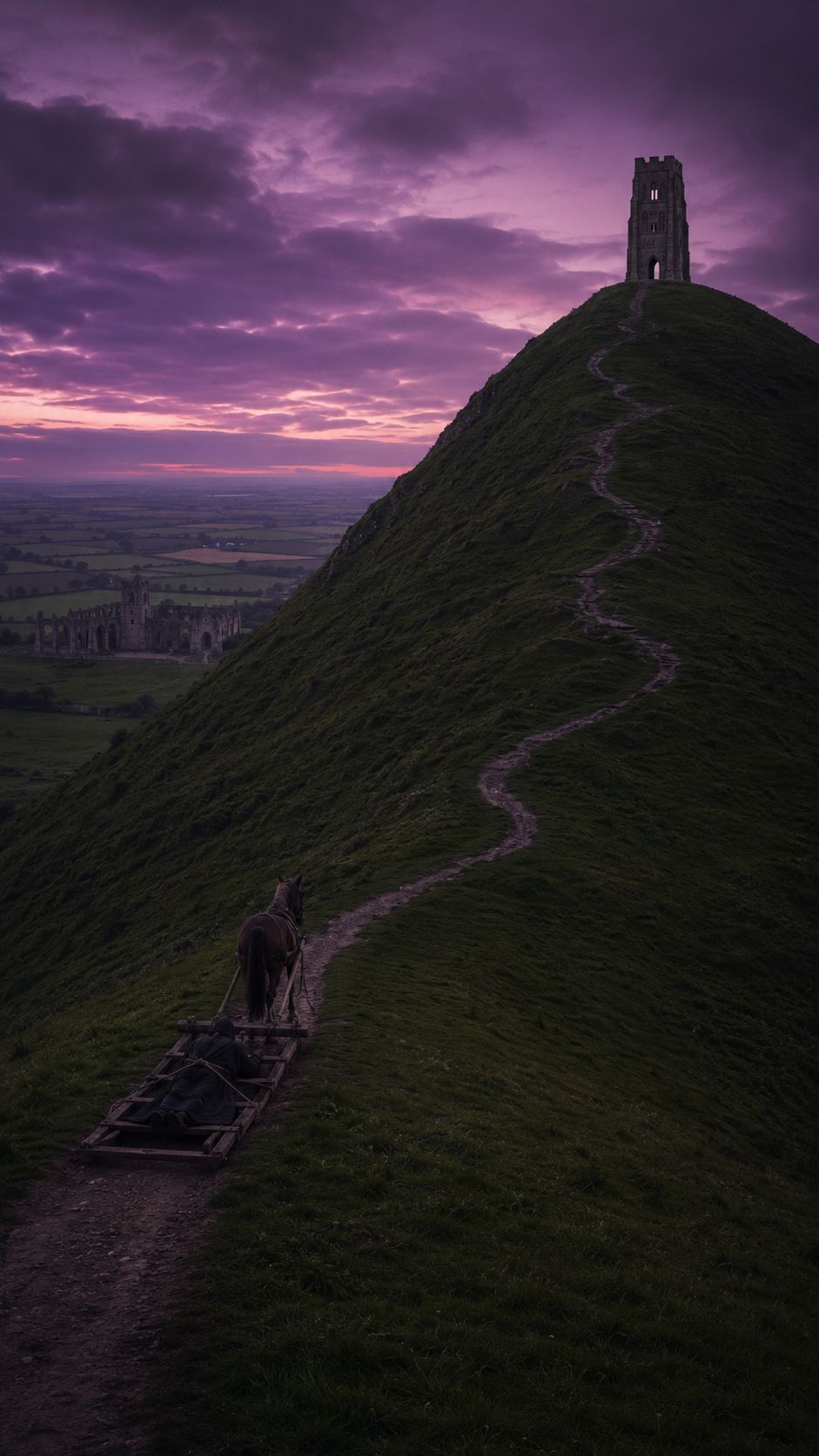 The Abbot Butchered For His Abbey's Gold
An elderly abbot stood between Henry VIII and England's richest monastery, and was dragged up the Tor to die for it.
Glastonbury Tor, Glastonbury, United Kingdom · 1539 · 61 km away
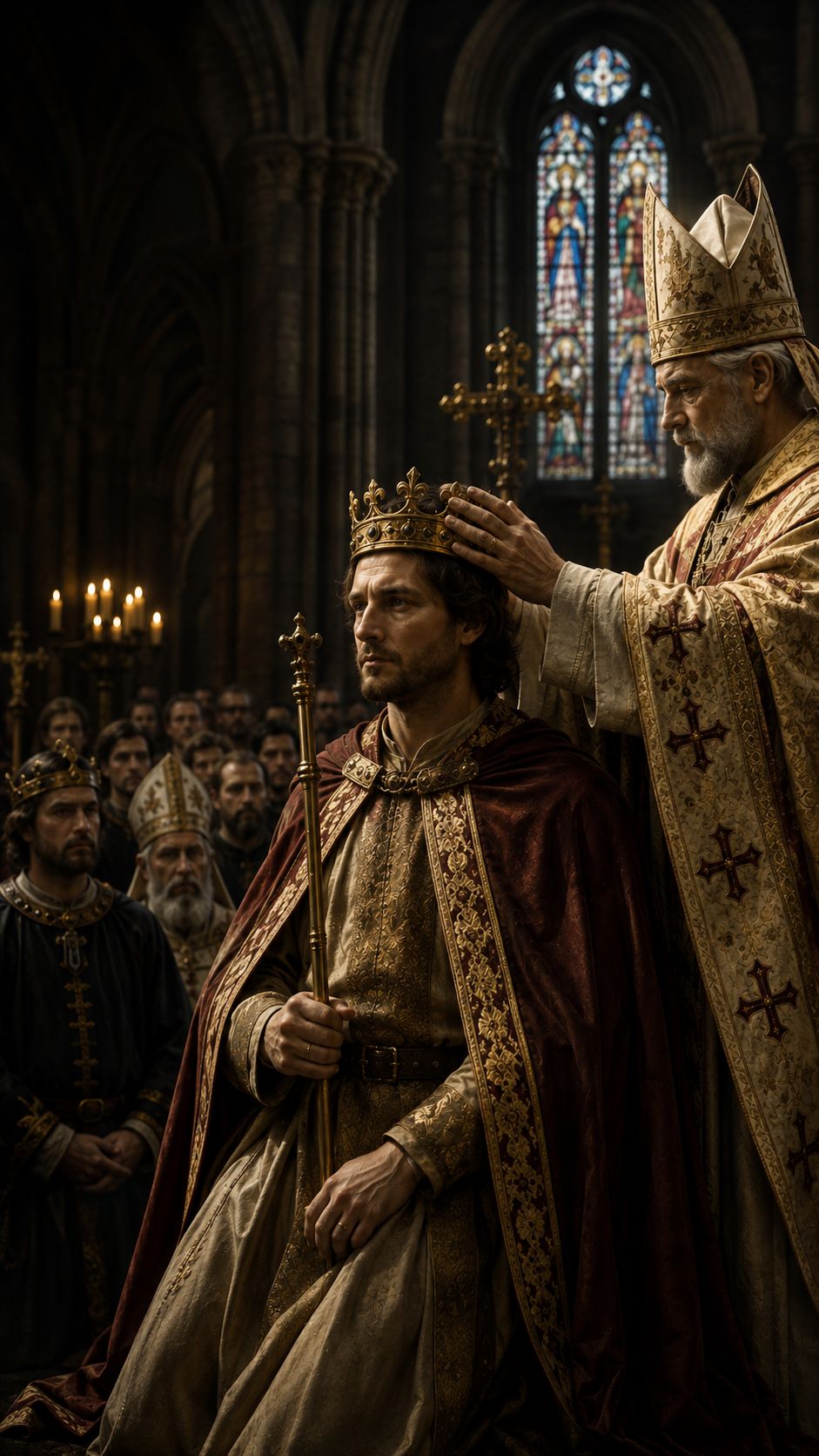 The King Killed By An Arrow And The Brother Who Profited
A king died in a forest with an arrow through his chest, and his brother was crowned just three days later.
New Forest, Hampshire, United Kingdom · 1100 · 63 km away
- The Man The Gallows Refused To Kill
He stood on the trapdoor three times in one morning, and three times the gallows failed to hang him.
Exeter, United Kingdom · 1885 · 77 km away
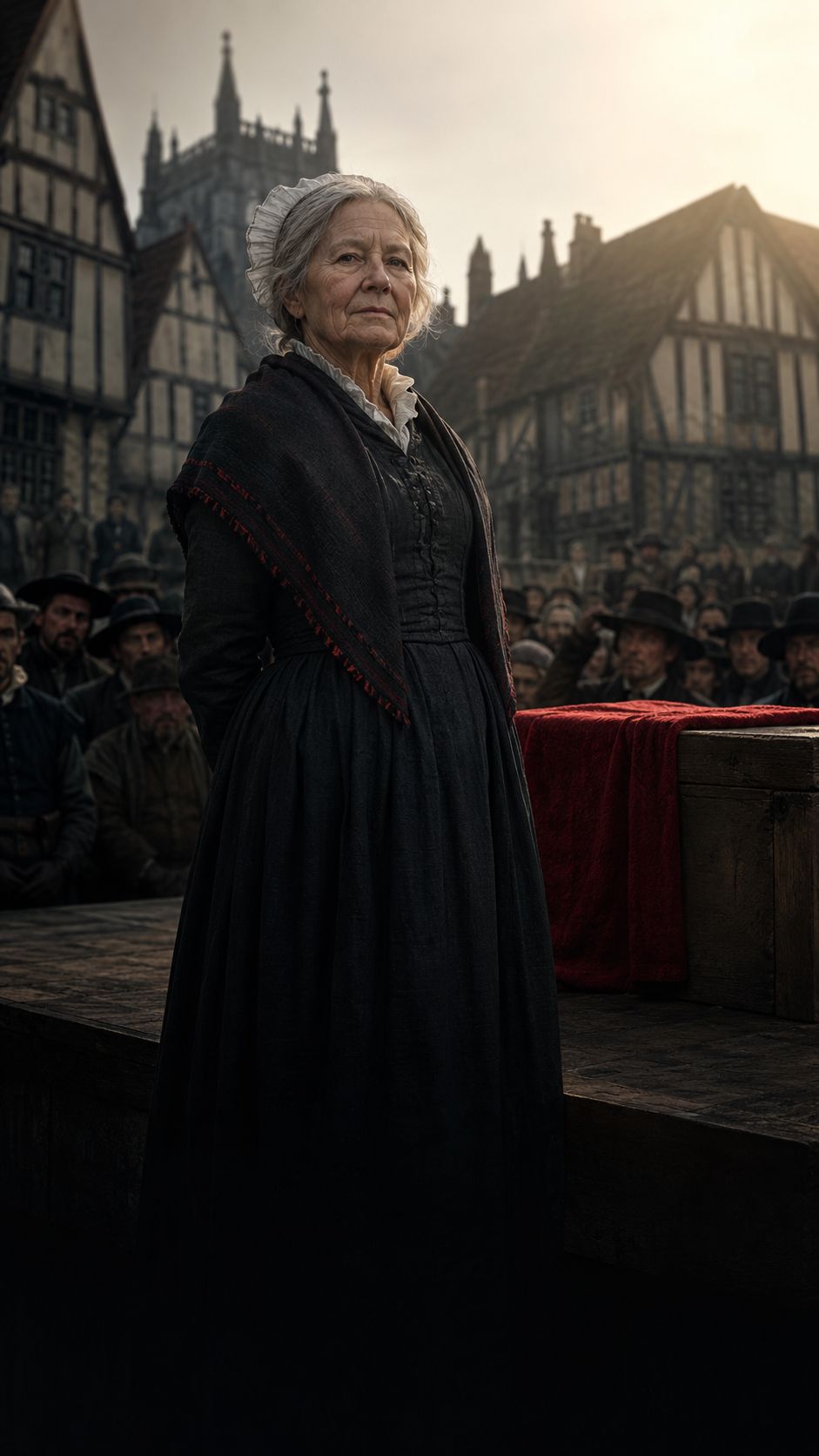 Beheaded For A Single Night's Shelter
An elderly gentlewoman was condemned to burn alive for the crime of giving fugitives a bed for one night.
Winchester, United Kingdom · 1685 · 95 km away