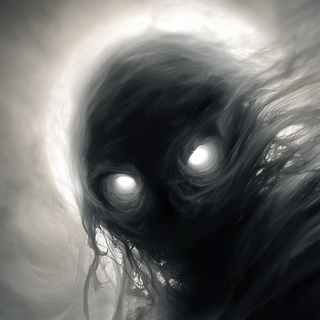
On 9 April 1747, Simon Fraser, 11th Lord Lovat — an 80‑year‑old Highland clan chief who had backed the Jacobite rising of 1745 — was brought to Tower Hill to be beheaded for high treason. He was obese, gout‑ridden, and in obvious discomfort, but also talkative, ironic, and apparently unafraid.
He was the last person ever to be beheaded in Britain. He seemed determined to make the occasion impossible to forget.
The Horror
Lovat’s execution drew what contemporaries called the largest crowd Tower Hill had ever seen. Every rooftop, window and vantage point nearby was crammed with spectators. Entrepreneurs erected temporary timber viewing stands around the scaffold and sold places in them as if for a theatre performance, tiered seating looking down on the block.
Just before the execution, one of these stands gave way.
A mass of wood and people collapsed in on itself. Dozens of onlookers crashed to the cobbles below, crushed under falling beams and other bodies. Some accounts speak of at least a dozen killed outright, with many more badly injured; later retellings push the number of dead closer to twenty. Shouts turned to screaming as bodies were dragged from the wreckage. The scaffold in the middle of Tower Hill, built on more solid foundations, stood untouched.
Lovat, watching from the cart that had brought him from the Tower, saw the viewing stand fail and the bodies lying where the audience had been. He laughed.
According to reports circulated soon after, he quoted Horace — “Dulce et decorum est pro patria mori,” “It is sweet and fitting to die for one’s country” — with a kind of sardonic relish, and remarked that the greater the mischief, the better the sport.
Because of his gout, he had to be helped up the steps to the scaffold. He examined the block and the axe and addressed the executioner with a mixture of banter and threat: if the job was botched, he said, he would be very angry — and would be “very troublesome” to the man afterwards. The implication was clear: he would haunt him.
He tipped the headsman, settled himself, and laid his neck on the block. One stroke of the axe severed his head cleanly. The old Jacobite who had just watched spectators die found death quicker and more merciful than the people who had paid to see him executed.
The Modern Relic
Tower Hill, once a place of public executions, is now a small garden beside the Tower of London, dotted with benches and plaques. A permanent memorial lists the names of those formally executed there; among them is Simon Fraser, Lord Lovat, noted as the last person beheaded in Britain.
The axe used for beheadings — whether the very one that struck Lovat or a standard instrument of the site — is displayed inside the Tower, a solid piece of wood and steel that once turned sentences into spectacle.
No stone or plaque records the collapse of the viewing stand. The spectators who died in the crush are not named on any memorial. They are absent from the lists, their deaths folded into a footnote. The man they came to watch has his name in stone; they do not.
The last beheading in Britain killed more people in the crowd than on the scaffold, and the condemned man, who laughed when the stand fell, left the field faster and more cleanly than the audience who had climbed up to see his head fall.
Nearby on the Dark Atlas
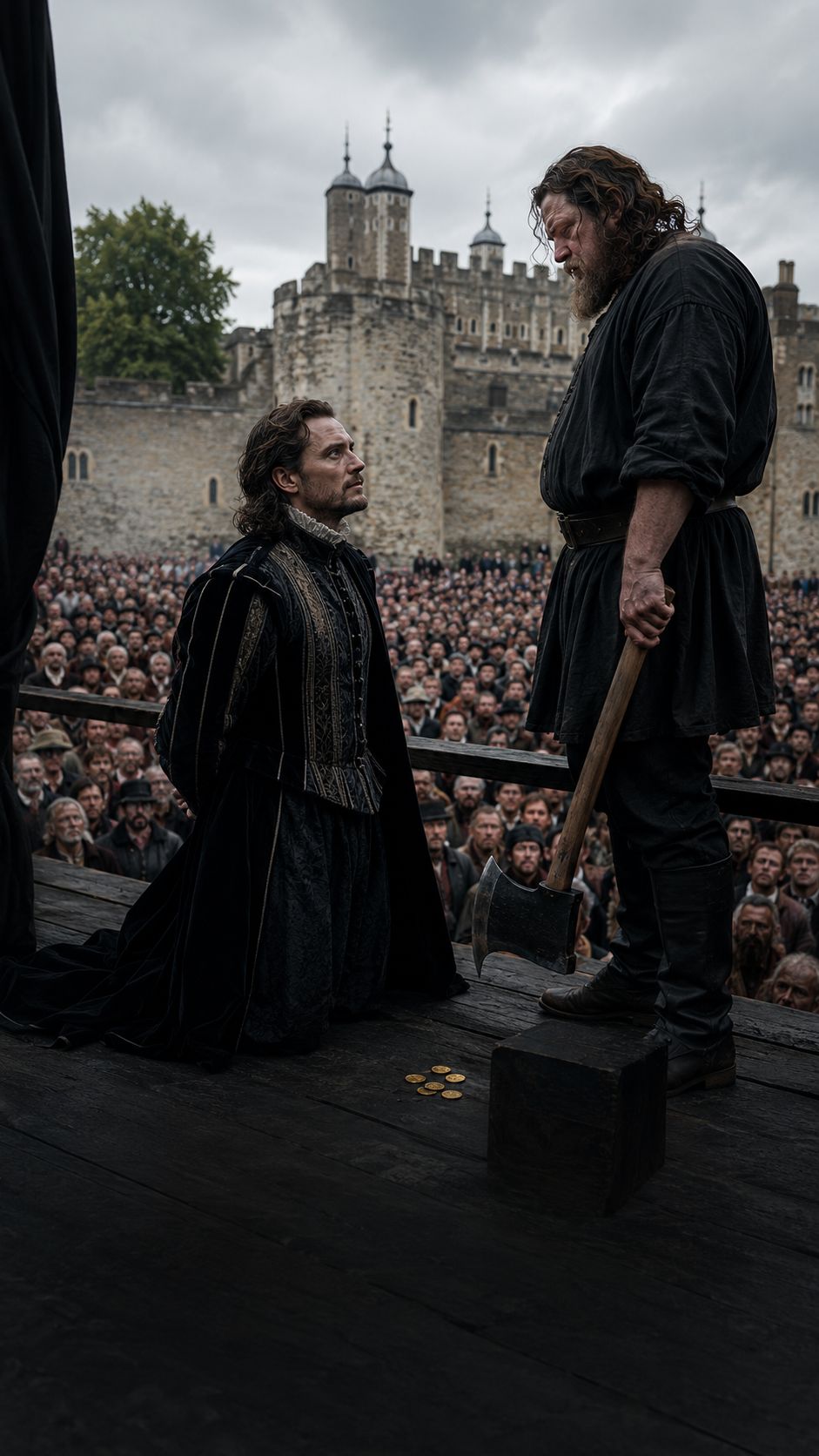 The Botched Beheading That Named The Hangman
It took the executioner several horrific blows to finish the job, and his name became slang for hangman forever.
Tower Hill, London, United Kingdom · 1685 · same site
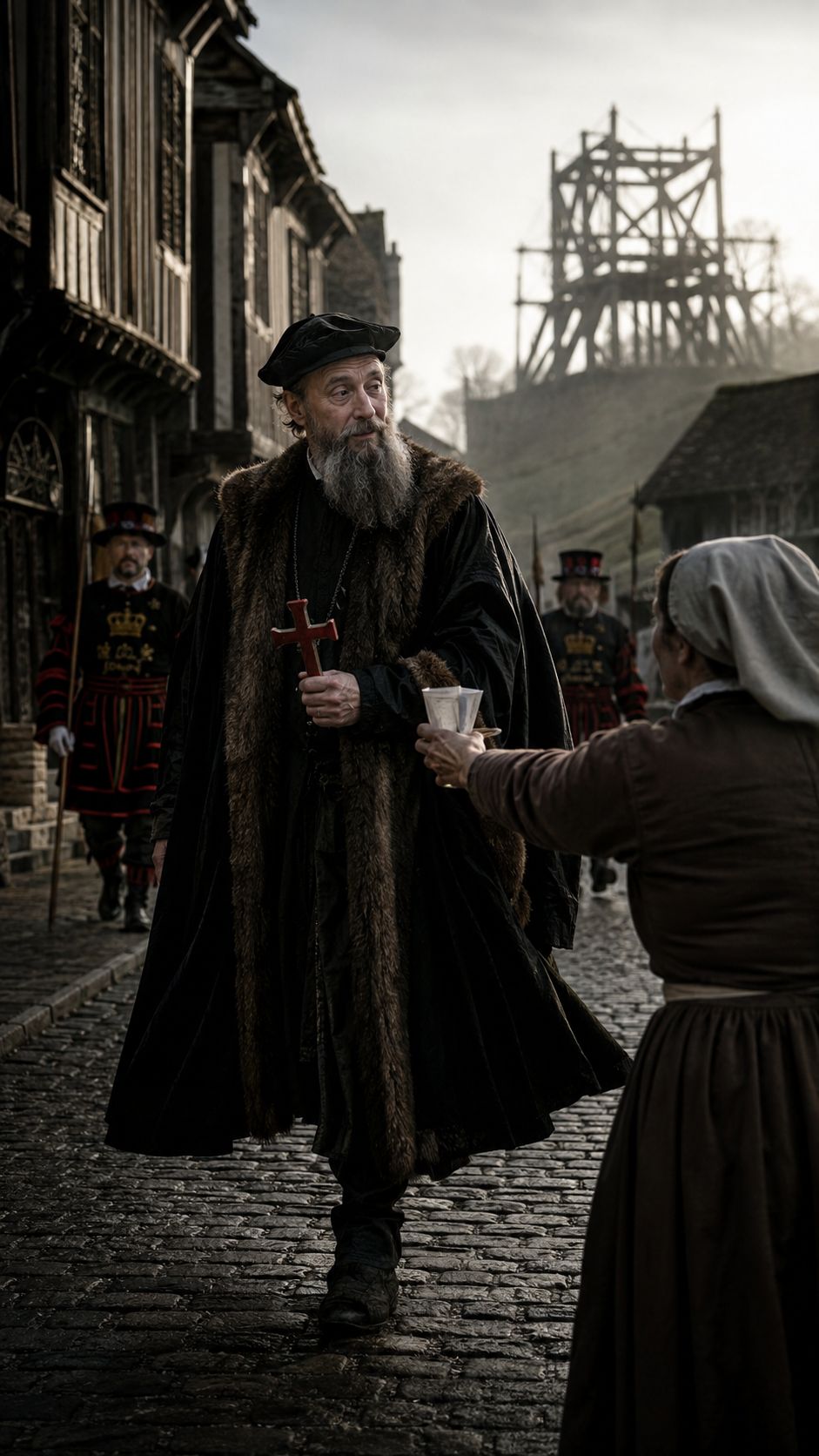 The Chancellor Who Refused His King's Supremacy
Henry VIII's own former Lord Chancellor walked to the block for refusing to accept the king as head of the Church.
Tower Hill, London, United Kingdom · 1535 · same site
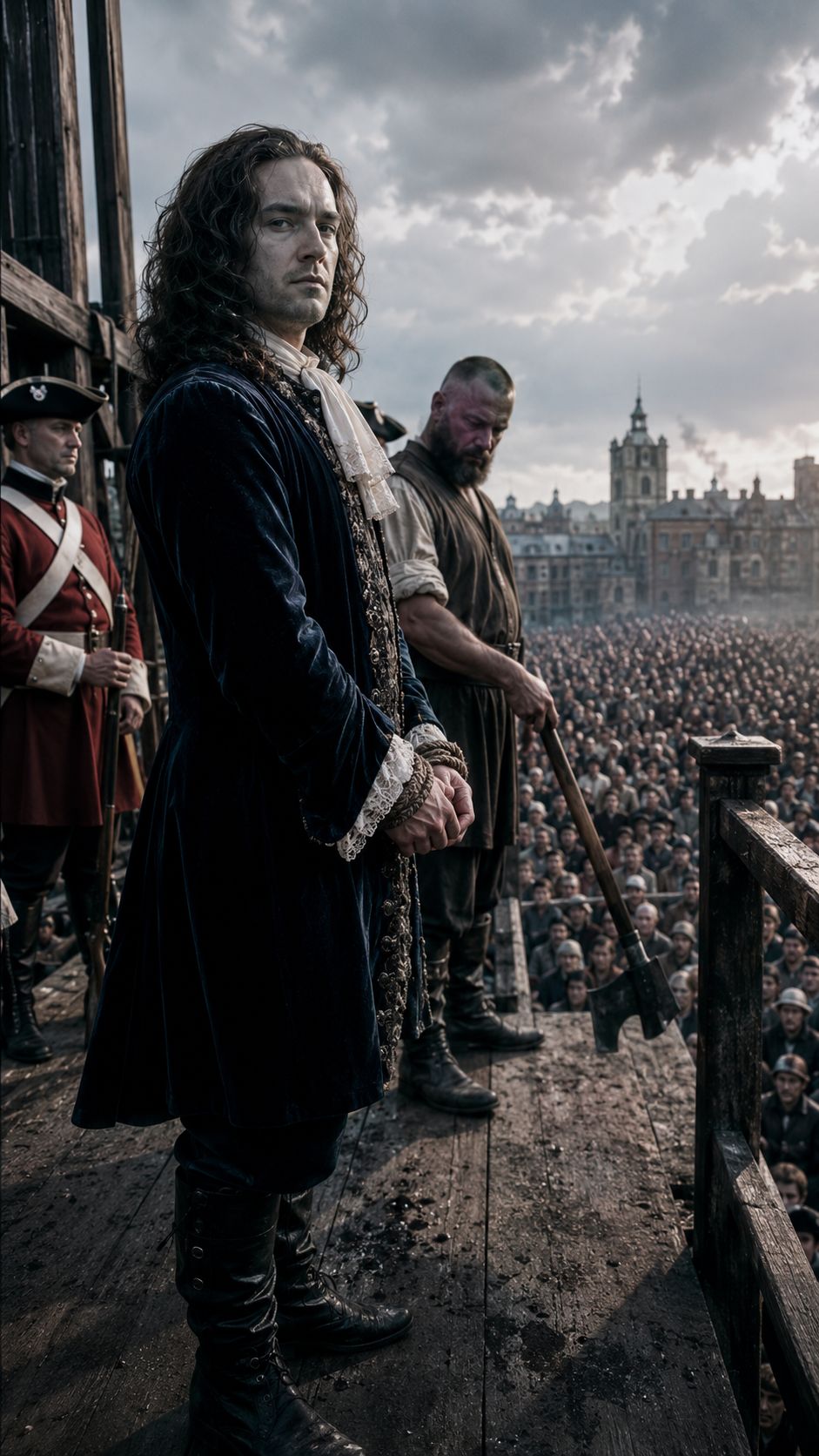 The Duke Who Paid The Headsman In Advance
He handed the executioner six guineas and begged him not to hack him apart like his last victim — it didn't work.
Tower Hill, London, United Kingdom · 1685 · same site
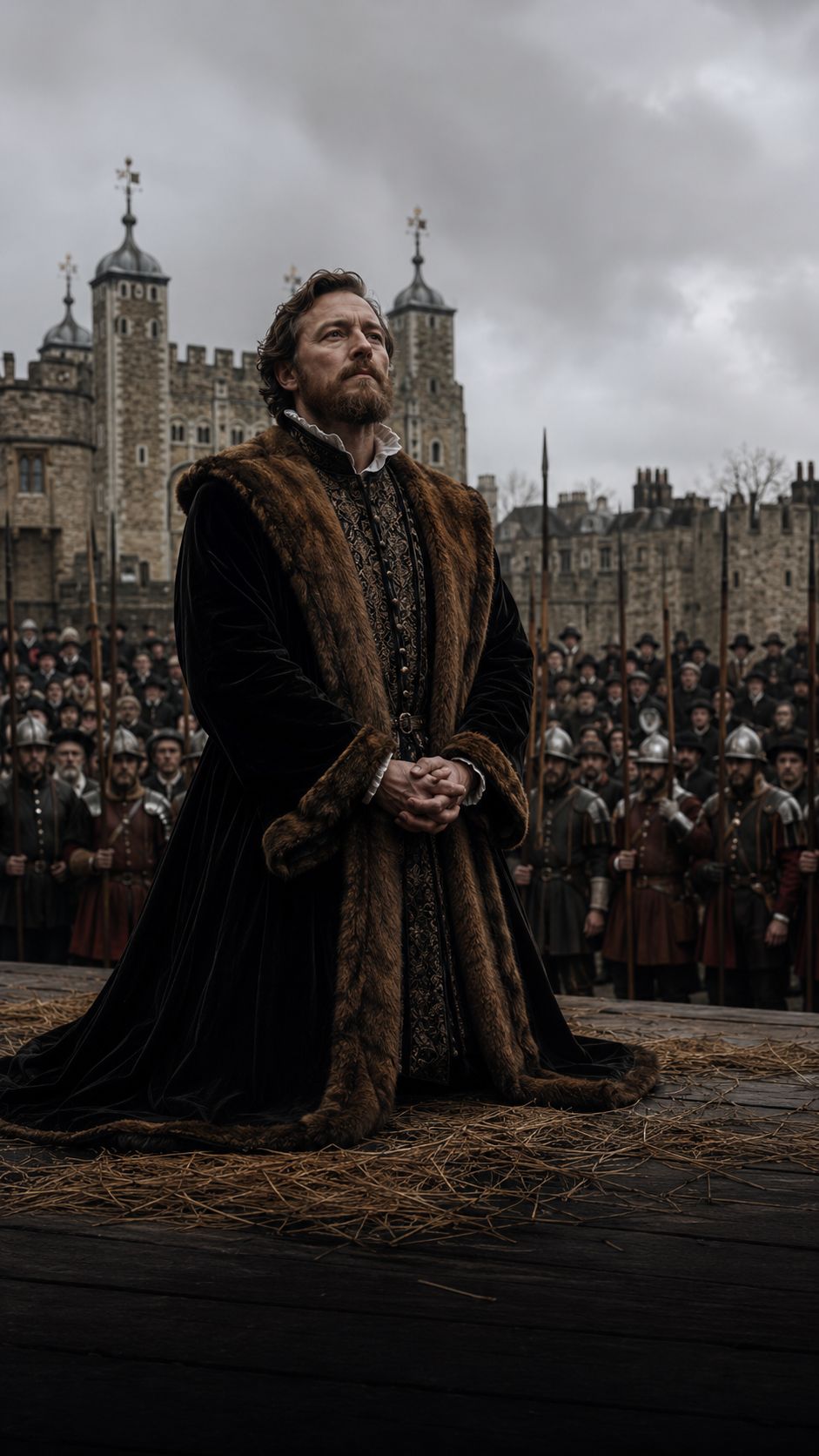 The Duke Whose Royal Blood Was a Death Sentence
His royal Plantagenet blood made him too dangerous to live under a paranoid, sonless Henry VIII.
Tower Hill, London, United Kingdom · 1521 · same site