
The poisoner is the classic villain of the Victorian imagination, and usually we picture a wife quietly dosing a husband’s tea. Christiana Edmunds did something stranger, colder and, in its way, more modern: she turned an entire town’s sweet shops into a weapon, and killed a child she had never met, to disguise the murder of a woman she hated. Edmunds was an unmarried woman in her early forties, living with her widowed mother in respectable Brighton — genteel, educated, and by the standards of the day a spinster on the shelf. In the late 1860s she became infatuated with a local doctor, Charles Beard, and convinced herself that her feelings were returned and that only his wife stood between them. In September 1870 she made her first move. She brought Mrs Emily Beard a chocolate cream laced with poison. Mrs Beard ate it, became violently ill — and survived. Dr Beard privately suspected Christiana, but, terrified of scandal and without proof, he said nothing and tried to cut off contact. For Edmunds, that suspicion was the problem. If Mrs Beard were poisoned again and died, she herself would be the obvious suspect. She needed the poisonings to look random. She needed other victims. Beneath the respectable surface there was a family history the trial would later seize on. Christiana’s father, an architect, had died in an asylum, and instability ran through the family — something her mother would one day testify to in a desperate bid to save her daughter’s neck. Christiana herself had reached her forties unmarried and dependent, in an age that had little use for such a woman, and she poured her frustrated energy into a consuming fixation on Dr Beard, writing him letters that grew ever more feverish and possessive. When he drew back, the fantasy curdled into something murderous. What is chilling about what followed is how methodical it was. This was not a crime of sudden passion but a patient, ingenious campaign, worked out over many months by an intelligent woman who could pass, to every shopkeeper and neighbour, as the very picture of Victorian gentility. That respectability was her camouflage — nobody looks for a serial poisoner in a well-bred spinster buying chocolates on the seafront.
The Horror
What she built over the following months was a campaign of indiscriminate poisoning designed purely as camouflage for one intended murder. She obtained strychnine from a local chemist, Isaac Garrett, spinning a story that she needed it to put down stray and diseased cats, and getting young errand boys to collect it so her own name never appeared in the poison register. Then she went to work on the town’s confectionery. She bought chocolate creams from a well-known Brighton confectioner, John Maynard, took them home, worked strychnine into them, and then had boys return the tampered sweets to the shop — as if unwanted — so that they went back into the stock and were sold, poisoned, to whoever bought them next. Strychnine is a merciless poison. It does not dull or sedate; it throws the body into violent, arching convulsions, locking the muscles, curving the spine, fixing the face into a rigid grimace while the victim stays horribly aware. Across Brighton in the early summer of 1871, people who had done nothing but buy a sweet on the front began to fall desperately ill. And on a June day, a family visiting Brighton on holiday bought chocolates, and four-year-old Sidney Albert Barker ate one. The strychnine killed him. He was a small boy on a seaside holiday, and he died in convulsions because a woman he had never met needed the town’s sweets to seem dangerous. At the inquest into Sidney’s death, Edmunds — extraordinarily — attended, and even gave evidence, and the coroner recorded the death as a terrible accident. She had, for the moment, got exactly what she wanted: a poisoning with no visible motive and no obvious hand behind it. But she could not stop. To thicken the fog of “random” attacks and to cast suspicion firmly onto Maynard’s shop, she began sending poisoned parcels of sweets and cakes through the post to prominent people in Brighton — and, tellingly, to herself, so that she too would appear to be a victim of the unknown poisoner and be lifted above suspicion. It was a step too far. When the authorities finally began pulling the threads together — the sweets, the returned chocolates, the boys, the strychnine — Dr Beard, who had carried his private suspicion for nearly a year, at last came forward and told the police what he believed. The genteel spinster was arrested.
The Modern Relic
Christiana Edmunds was tried at the Old Bailey in January 1872 for the murder of Sidney Barker. The evidence was overwhelming, and she was sentenced to death. But her defence had raised the question of her sanity, her mother testified to a history of mental illness in the family, and the courts ultimately judged that she was insane. Her sentence was commuted, and instead of the gallows she was sent to Broadmoor, the asylum for the criminally insane, where she remained for the rest of her life. She died there on 19 September 1907, an old woman, having spent thirty-five years locked away for the seaside poisonings. The place to stand with this story is Brighton itself, which has never quite let go of it. The elegant Regency seafront, the lanes, the very idea of a bright English holiday town — that is the backdrop against which a lonely, obsessive woman turned the sweet shops into a murder weapon. Brighton’s museums and historians still tell the tale of the “Chocolate Cream Poisoner,” and you can walk the same streets and seafront today, past the spots where Maynard’s sweets were sold, and think about how a child on holiday came to eat one. The most chilling relic of all is the everyday thing at the centre of it: a chocolate, handed over a shop counter, in a town built for pleasure.
(HASHTAGS
Nearby on the Dark Atlas
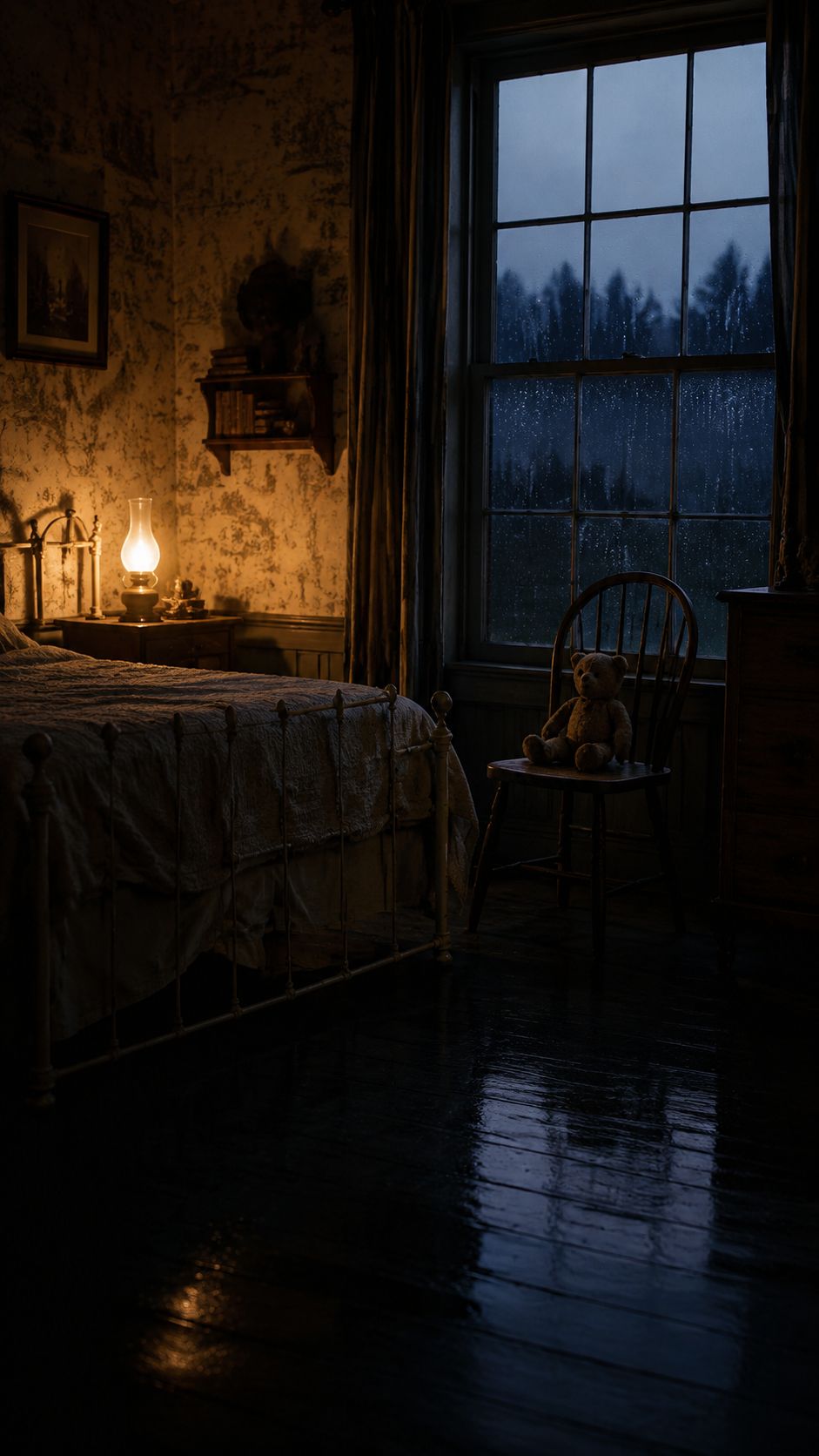 The Real Boy Behind Winnie-The-Pooh
A teddy bear from Harrods and a Sussex wood became the world's most famous children's books — and a lifelong burden for the real boy inside them.
Hartfield, East Sussex, United Kingdom · 1926 · 33 km away
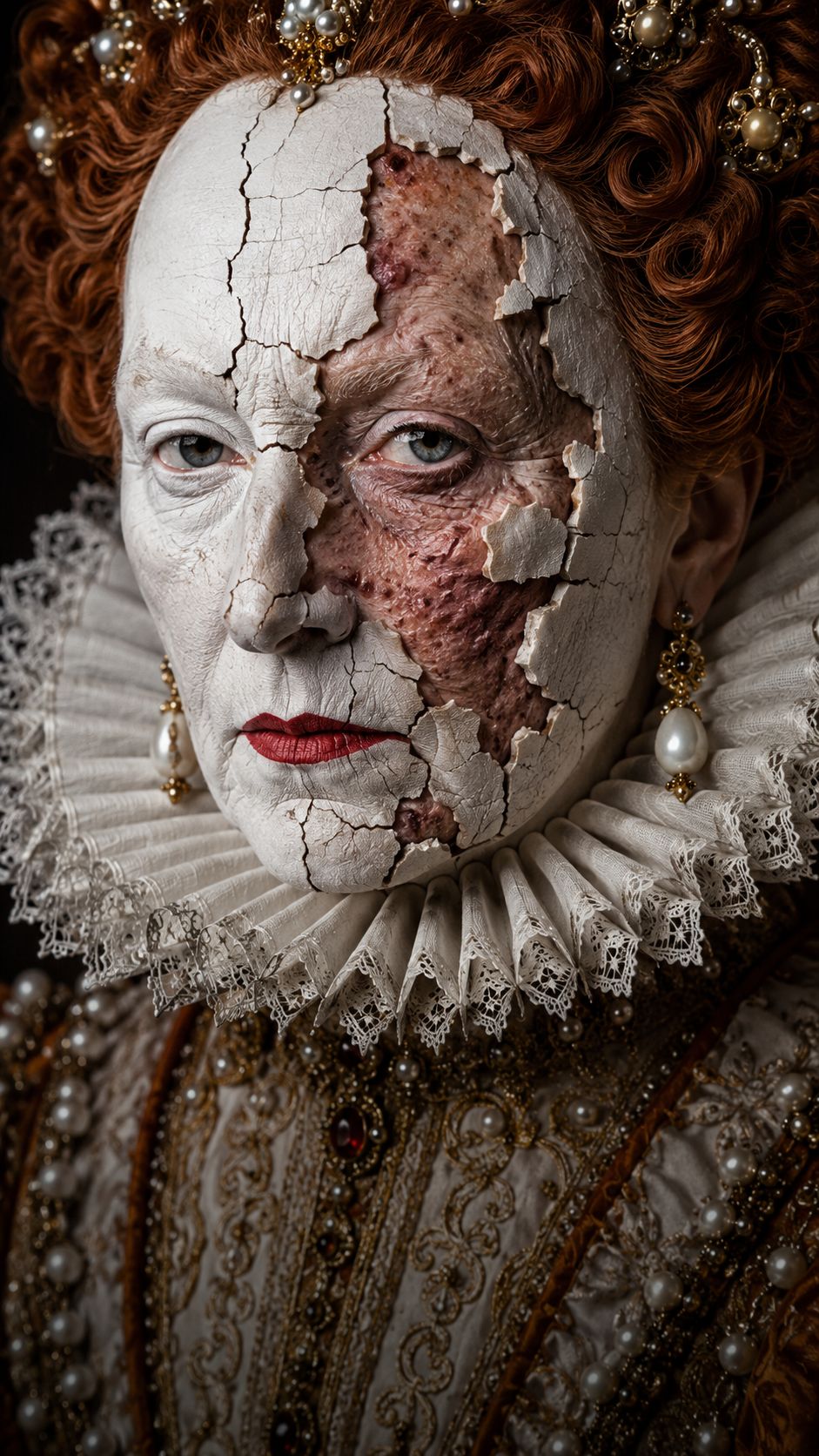 The Wife Henry VIII Called Ugly To Survive
Henry VIII destroyed his fourth wife's reputation to escape their marriage, and she outlived every wife who came after her.
Hever Castle, Edenbridge, United Kingdom · 1540 · 45 km away
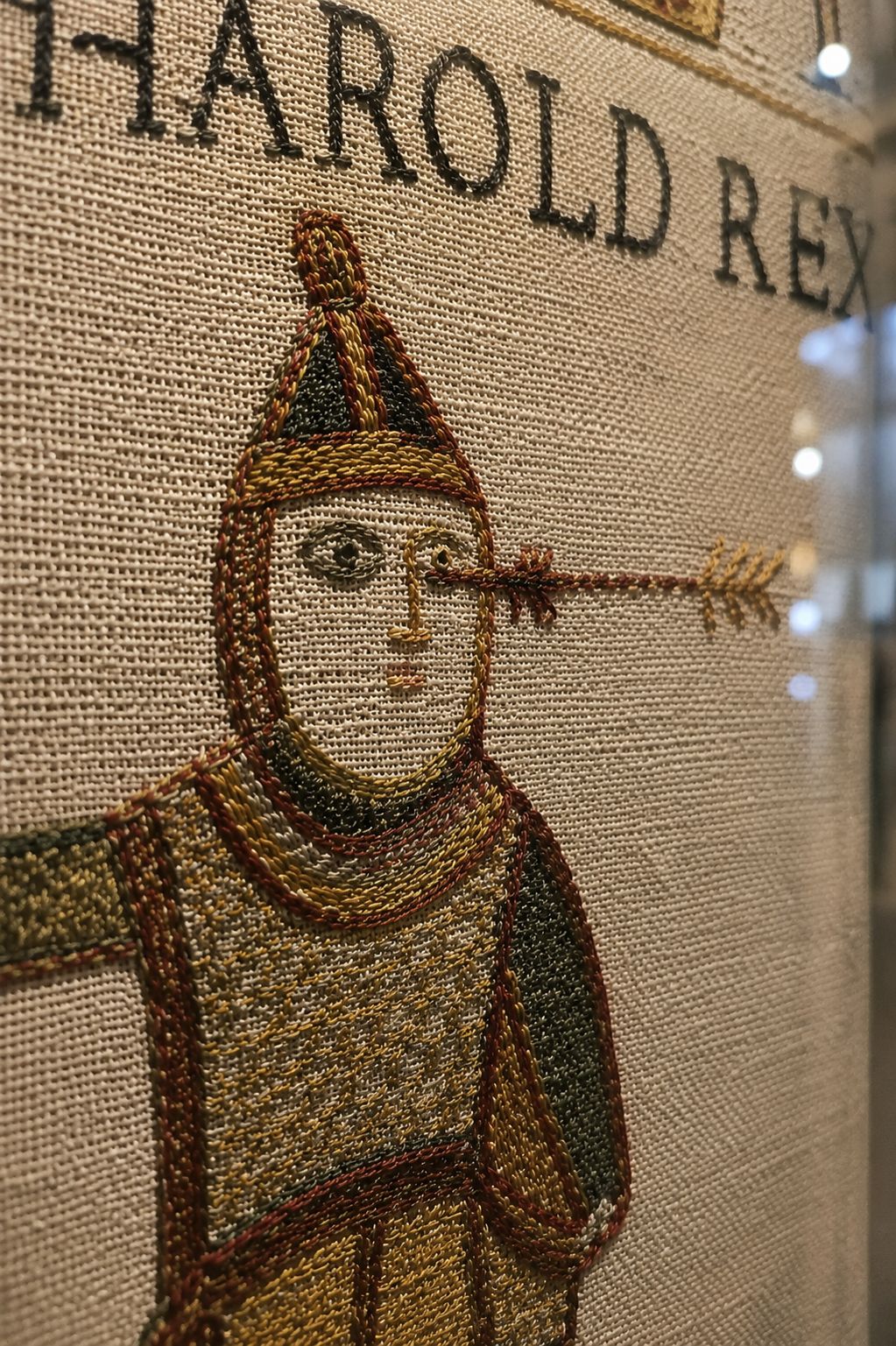 The King Who May Not Have Died By Arrow
Every schoolchild knows the arrow through the eye from the Bayeux Tapestry, but the embroidery may be telling a different story.
Battle, East Sussex, United Kingdom · 1066 · 45 km away
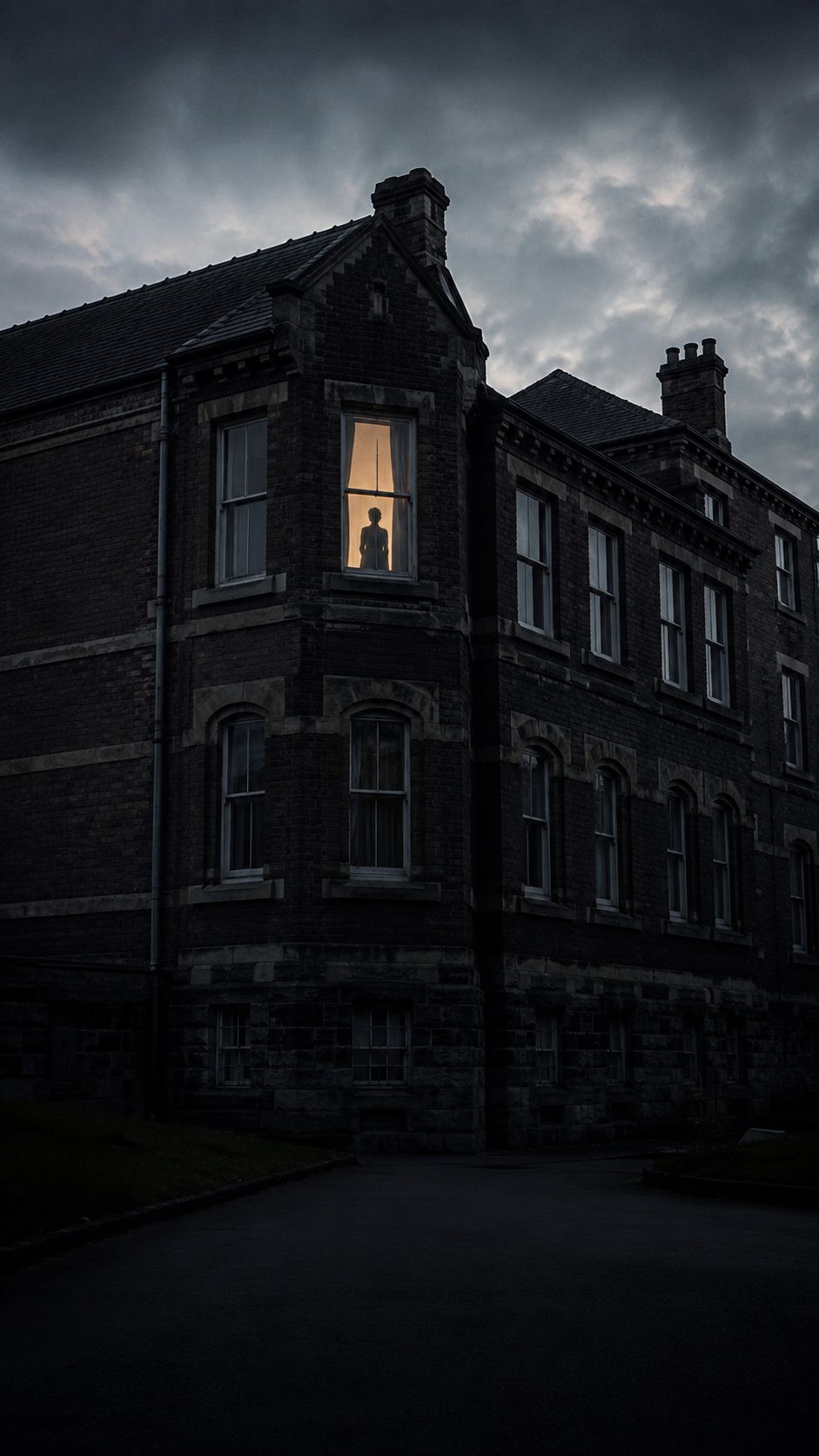 The Queen's Cousins Hidden And Presumed Dead
Listed as dead for decades, two first cousins of the Queen were quietly living in a long-stay institution.
Redhill, United Kingdom · 1987 · 46 km away
More like this
- The Murder Dickens Turned Into Fiction
A cold, calculated murder buried a body in a Bermondsey kitchen, and became fodder for the country's most famous novelist.
Bermondsey, London, United Kingdom · 1849
- The Chair No One Is Allowed To Sit In
A murderer's cursed armchair now hangs on a museum wall, five feet off the ground, so no one can sit in it again.
Thirsk, United Kingdom · 1702
 The Rape Trial That Ended In Trial By Combat
A woman's accusation of rape led to France's last judicial duel, with her own life staked on the outcome.
Paris, France · 1386
- The Parish Registers Of The Beast's Victims
Between 1764 and 1767 something killed roughly a hundred people, recorded in the registers as 'devoured by the beast.'
Saugues, France · 1764