On 17th January 1912, Captain Robert Falcon Scott and four companions reached the South Pole. They found a small black tent, a Norwegian flag, and a note from Roald Amundsen. The Norwegians had stood there 34 days earlier.
Scott wrote in his diary: “The Pole. Yes, but under very different circumstances from those expected. Great God! This is an awful place.”
They turned around. They had roughly 800 miles to walk back to their base on Ross Island. They were man‑hauling their sledges — no dogs, no working motors, just five men dragging hundreds of kilos of food, fuel and gear across the plateau in temperatures down to minus 40°C. They were already exhausted. They were already behind.
The Horror
The return journey broke them one by one.
Petty Officer Edgar Evans — the strongest man in the party — began to fail first. He injured his hand badly and likely suffered a head injury after a fall into a crevasse on the Beardmore Glacier. His condition rapidly deteriorated; he became confused, then collapsed and died on 17th February 1912. Scott wrote: “It is a terrible thing to lose a companion in this way.”
Captain Lawrence “Titus” Oates, an army officer with severely frostbitten, gangrenous feet, knew he was delaying the others. On the morning of 16th–17th March, during a blizzard, he unzipped the tent and said: “I am just going outside and may be some time.” He walked out into white nothing. He never returned. Scott’s diary: “We knew that Oates was walking to his death, but though we tried to dissuade him we knew it was the act of a brave man and an English gentleman.”
Three men remained: Scott, Dr Edward Wilson, and Henry “Birdie” Bowers. They pushed on northward. Around 19–20th March, an intense blizzard hit and did not lift. They pitched their tent on the Ross Ice Shelf and waited for a break that never came. They were 11 miles from One Ton Depot — the supply cache with the fuel and food that would have saved them.
Eleven miles. A distance a healthy person could walk in a few hours. They could calculate it precisely. They could not cross it. The wind would not stop. The temperature would not rise. Their paraffin had run out. Their food was almost gone. Their bodies were finished.
Scott wrote letters. To Wilson’s wife, about her husband’s “comfortable, blue‑eyed look of hope.” To Bowers’s mother, praising a son whose “dauntless spirit” only shone brighter as the troubles thickened. To his own wife: “Make the boy interested in natural history if you can; it is better than games.”
He wrote a message “To the Public”: “Had we lived, I should have had a tale to tell of the hardihood, endurance, and courage of my companions which would have stirred the heart of every Englishman.”
His last diary entry, dated 29th March 1912, reads:
“Every day we have been ready to start for our depot 11 miles away, but outside the door of the tent it remains a scene of whirling drift… It seems a pity, but I do not think I can write more. R. SCOTT. For God’s sake look after our people.”
The tent was found on 12th November 1912 by a search party under Dr Edward Atkinson. Scott lay in the centre, Wilson on one side, Bowers on the other, each inside his sleeping bag. Scott’s bag was partially open; his arm lay extended towards Wilson. The diary and letters were beneath his body, the pencil still in his hand.
The Modern Relic
The search party did not bring the bodies home. There was no soil to dig; only ice. They collapsed the tent over the three men and built a snow cairn above it, topping it with a cross made from skis.
Over the next century, snow and ice slowly buried the cairn. It now lies tens of metres below the surface of the Ross Ice Shelf, carried northward a few centimetres at a time as the ice flows toward the sea. By 2011 estimates, they were already more than 50 feet down and several dozen miles from the original site; by mid‑century they’ll be deeper still.
Glaciologists expect that in a couple of hundred years the section of shelf holding their tent will reach the front of the Ross Ice Shelf and break away as an iceberg. At that moment, Scott, Wilson and Bowers will leave Antarctica inside a moving block of ancient ice — three frozen men in a buried tent, still 11 miles from the depot that would have saved them.
Scott’s diaries are preserved in the British Library and at the Scott Polar Research Institute in Cambridge. The letters he wrote in the last days reached the families he addressed; the handwriting in those final pages shows no panic, no tremor, only the same firm script he had used at the start of the expedition. The body was failing. The line “For God’s sake look after our people” is written in a hand that does not look like it knows how to give up.
Nearby on the Dark Atlas
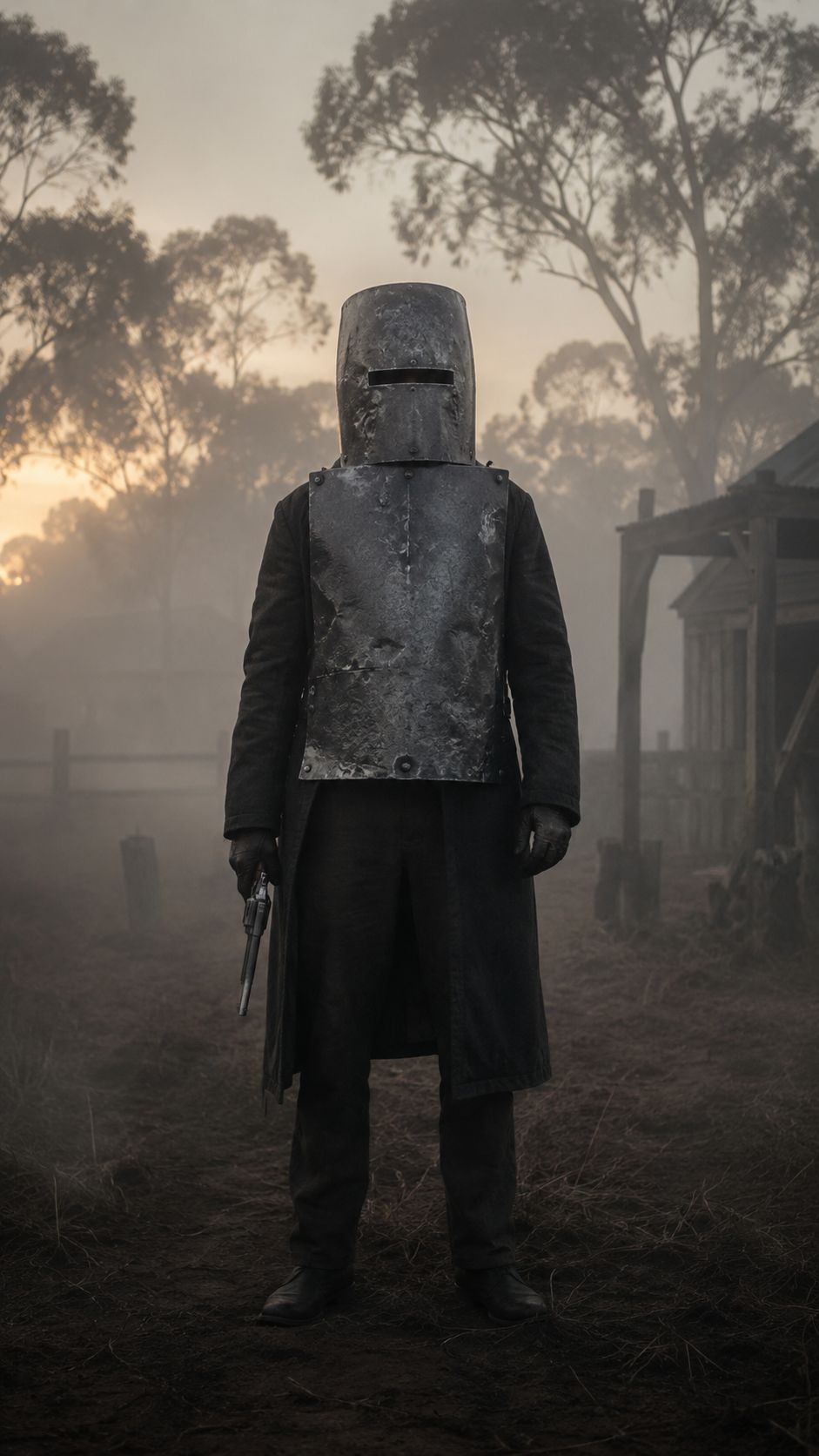 The Outlaw Who Went To The Gallows In Iron Armour
Australia's most famous bushranger made his last stand in homemade armour, then met the gallows with two immortal words.
Melbourne, Australia · 1880 · 4787 km away
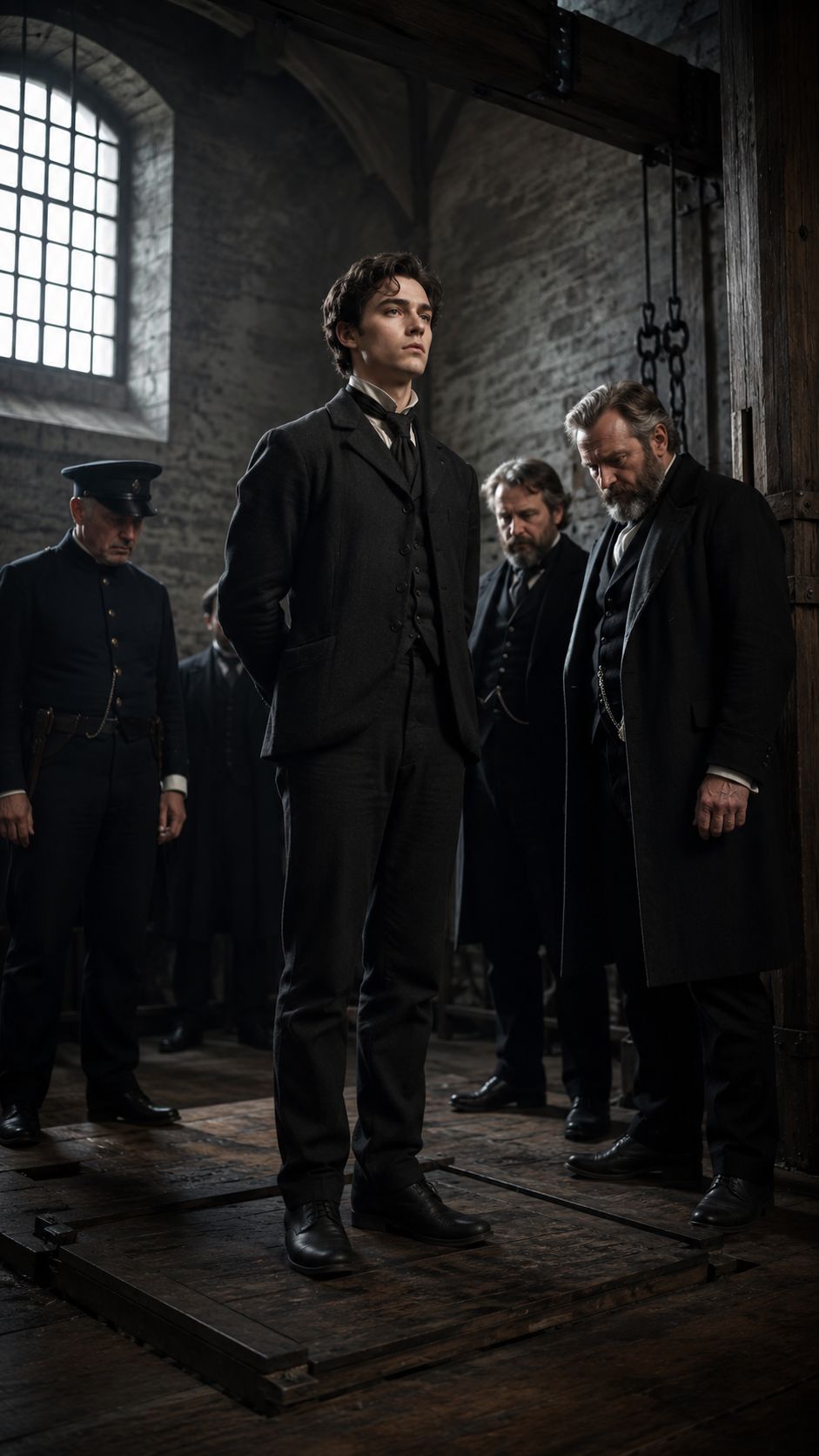 The Man They Could Not Hang
Four men stood trial for a constable's brutal murder, but it was a young convict's own execution that defied explanation.
Sydney, Australia · 1803 · 5172 km away
- The Grief Behind The Real Mary Poppins
The woman who created Mary Poppins was shaped by a dead alcoholic father and a mother's suicide threat, and she hated the Disney film.
Maryborough, Queensland, Australia · 1934 · 6087 km away
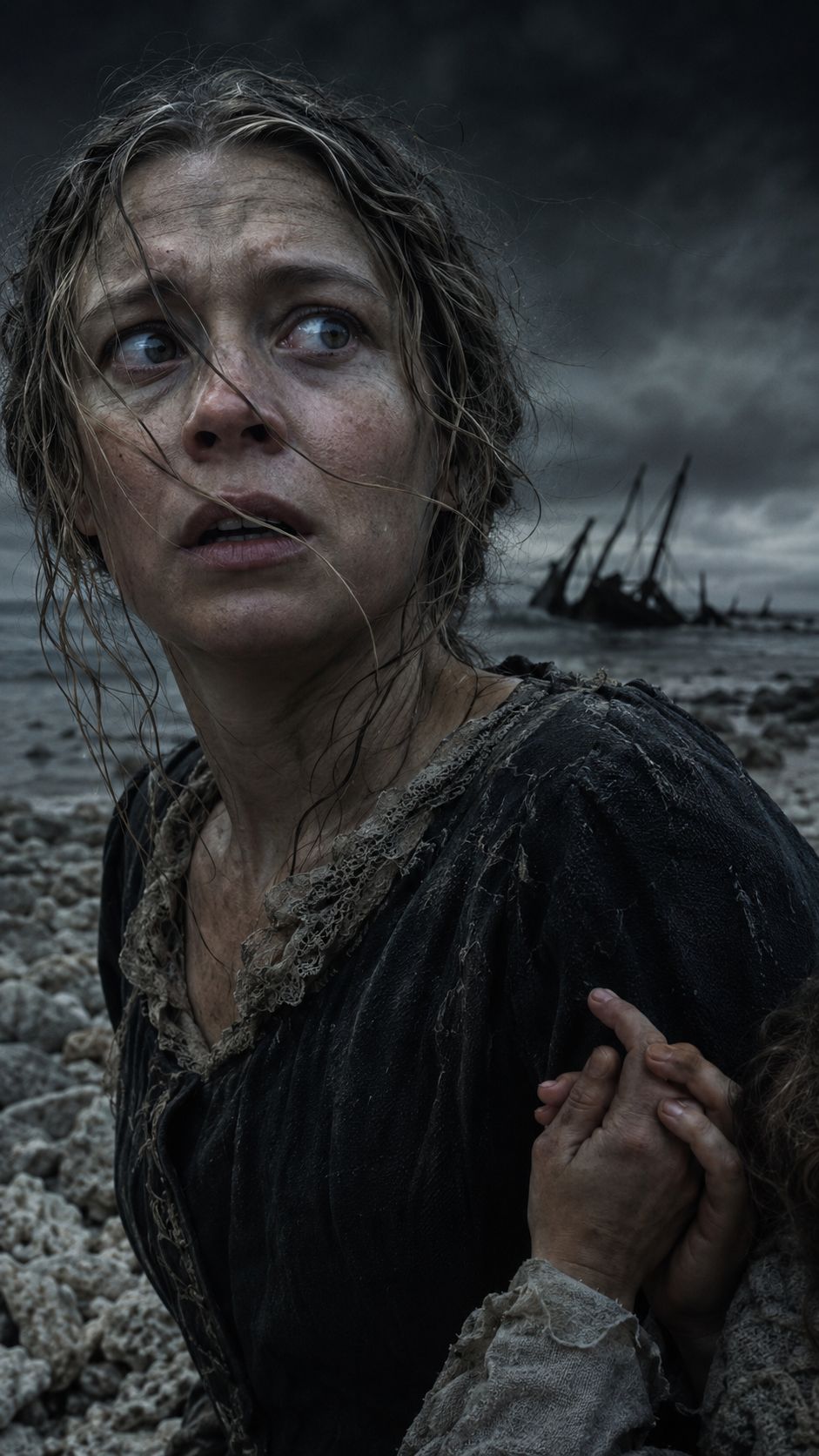 The Shipwreck That Descended Into Massacre
Marooned on a waterless island after a shipwreck, a self-appointed leader turned survival into a campaign of murder.
Houtman Abrolhos, Western Australia, Australia · 1629 · 6213 km away
More like this
 The Rape Trial That Ended In Trial By Combat
A woman's accusation of rape led to France's last judicial duel, with her own life staked on the outcome.
Paris, France · 1386
- The Parish Registers Of The Beast's Victims
Between 1764 and 1767 something killed roughly a hundred people, recorded in the registers as 'devoured by the beast.'
Saugues, France · 1764
- The Manufacturing Of England's Most Haunted House
For decades it was called the most haunted house in England, until its ghost story revealed how a haunting gets made.
Borley, Essex, United Kingdom · 1929
- The Truth Behind The Elephant Man
The real man behind the famous film was quieter, stranger and far more heartbreaking than any screenplay.
Whitechapel, London, United Kingdom · 1890