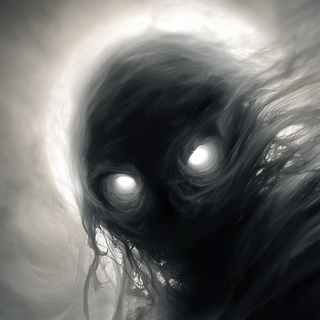
Macbeth is one of the most famous villains in all of literature — the murderous, guilt-maddened tyrant of Shakespeare’s play, who butchers a saintly old king in his sleep and is destroyed by his own ambition. It is one of the greatest stories ever written. And it is almost entirely a lie. The real Macbeth, King of Scotland, was nothing like the monster Shakespeare created — and the story of how a decent, capable king was transformed into history’s most famous murderer is a lesson in how the powerful rewrite the past.
The real Macbeth — Mac Bethad mac Findláich, known to his people as “the Red King” — was born around 1005, the son of the ruler of the ancient Scottish province of Moray. And crucially, he had a genuine, legitimate claim to the throne of Scotland. He was descended from Scottish kings through his own bloodline, and he strengthened that claim further by marrying Gruoch, a granddaughter of a previous king. Macbeth was not some scheming nobody murdering his way to power. He was royalty with a real right to rule.
The Horror
Now, here is where Shakespeare’s version and reality violently diverge. In the play, King Duncan is a wise, gentle, elderly monarch, beloved by all, whom Macbeth treacherously stabs to death in his bed while he’s a guest under Macbeth’s own roof — a cowardly, sacrilegious murder that damns Macbeth forever.
The truth is completely different. The real King Duncan I was not old, wise, or beloved. He was a young man, only around thirty-nine, and by most accounts a weak and ineffective king. His short reign was marked by military disasters, including a botched, humiliating invasion of northern England. He was not a revered elder statesman — he was a failing war-leader who was losing the confidence of his people.
And Macbeth did not murder Duncan in his sleep. He killed him in open battle. In 1040, the two men — who were rivals with competing claims to the throne — met in war, and Duncan was defeated and killed fighting Macbeth’s forces near Elgin. This was not a sneaky assassination; it was exactly how power was won and lost in 11th-century Scotland, where kingship was contested and settled by strength. Macbeth, with his legitimate claim, defeated a weak king in battle and took the throne. By the brutal standards of his own age, he had done nothing shameful at all.
And then came the part Shakespeare erased completely: Macbeth was a good king. Far from being a paranoid tyrant plunging his country into darkness, the real Macbeth ruled Scotland for seventeen long years — and by all accounts, he ruled it well. His reign was, for the most part, peaceful and stable and prosperous. He was known for his strong leadership and, strikingly, for his generosity to the Church and the poor. The people of Scotland did not live in terror of him — they lived, for the most part, in peace under him.
The single most powerful piece of evidence for how secure and respected Macbeth truly was is this: in the year 1050, ten years into his reign, King Macbeth felt safe enough to leave his kingdom entirely and travel all the way to Rome on a religious pilgrimage. A paranoid, hated, guilt-tormented usurper does not dare leave his throne for months to journey across Europe. Only a confident, secure, legitimate king does that. And while he was in Rome, the chronicles record, Macbeth gave away money to the poor so generously that he was described as “scattering money like seed.” This is the real Macbeth: a pious, generous, stable ruler on a pilgrimage — the polar opposite of the bloody maniac of the play.
His end, too, was a warrior’s, not a coward’s. Duncan’s son Malcolm had never given up his claim, and with the backing of the English, he finally led an army against Macbeth. In 1057, the two clashed at the Battle of Lumphanan, and there Macbeth, the Red King, was killed in battle, fighting to the last, after seventeen years on the throne. He was buried on the holy island of Iona — the sacred resting place of the ancient kings of Scotland, an honour reserved for legitimate, respected monarchs. His people did not throw his body away as a tyrant’s. They laid him to rest among the kings.
THE MODERN RELIC So how did this capable, pious, seventeen-year king become the most infamous murderer in the English language? The answer is propaganda — and it comes down to who was on the throne when Shakespeare picked up his pen.
Shakespeare wrote Macbeth around 1606. And the King of England at that time was James I — who was also James VI of Scotland, a Scottish king. James claimed to be descended from Malcolm’s royal line — the very line that had overthrown and killed Macbeth — and he traced his ancestry to a (probably legendary) figure named Banquo. So when Shakespeare, writing to please and flatter his royal patron, told the story of Macbeth, he had every reason to twist it: to portray Macbeth as an evil, illegitimate monster, and to portray the ancestors of the reigning King James as noble heroes. Blackening Macbeth’s name was a way of glorifying the dynasty of the man who paid the bills. Shakespeare also drew on an earlier source, Holinshed’s Chronicles, which was already stuffed with legend and invention. The famous, chilling Lady Macbeth was largely fabricated from Macbeth’s real, obscure wife Gruoch; the three witches, the floating dagger, the sleepwalking, the guilt-madness — all of it was dramatic invention.
The play is a masterpiece. But it is a masterpiece of character assassination — a piece of political flattery that took a real, decent king and, for the entertainment of his enemies’ descendants, transformed him into a timeless symbol of evil, so completely that four hundred years later, “Macbeth” still means “murderer.”
The relics of the real king are scattered across Scotland, waiting for those who know the true story. At Lumphanan in Aberdeenshire, a cairn of stones — “Macbeth’s Cairn” — traditionally marks the spot where the Red King fell in his final battle. Near Dunsinane, the hill Shakespeare made famous, are the remains of an ancient hillfort long linked to his name. And on the sacred isle of Iona, off the west coast, lies the burial ground of the Scottish kings — where Macbeth, the good king that Shakespeare turned into a monster, was laid to rest with honour among his royal ancestors, a world away from the guilty, bloody villain the world remembers. The next time someone quotes “Macbeth,” remember: the real man ruled well, gave to the poor, walked to Rome, and died with a sword in his hand — and was slandered for eternity by a playwright who needed to please a king.
Nearby on the Dark Atlas
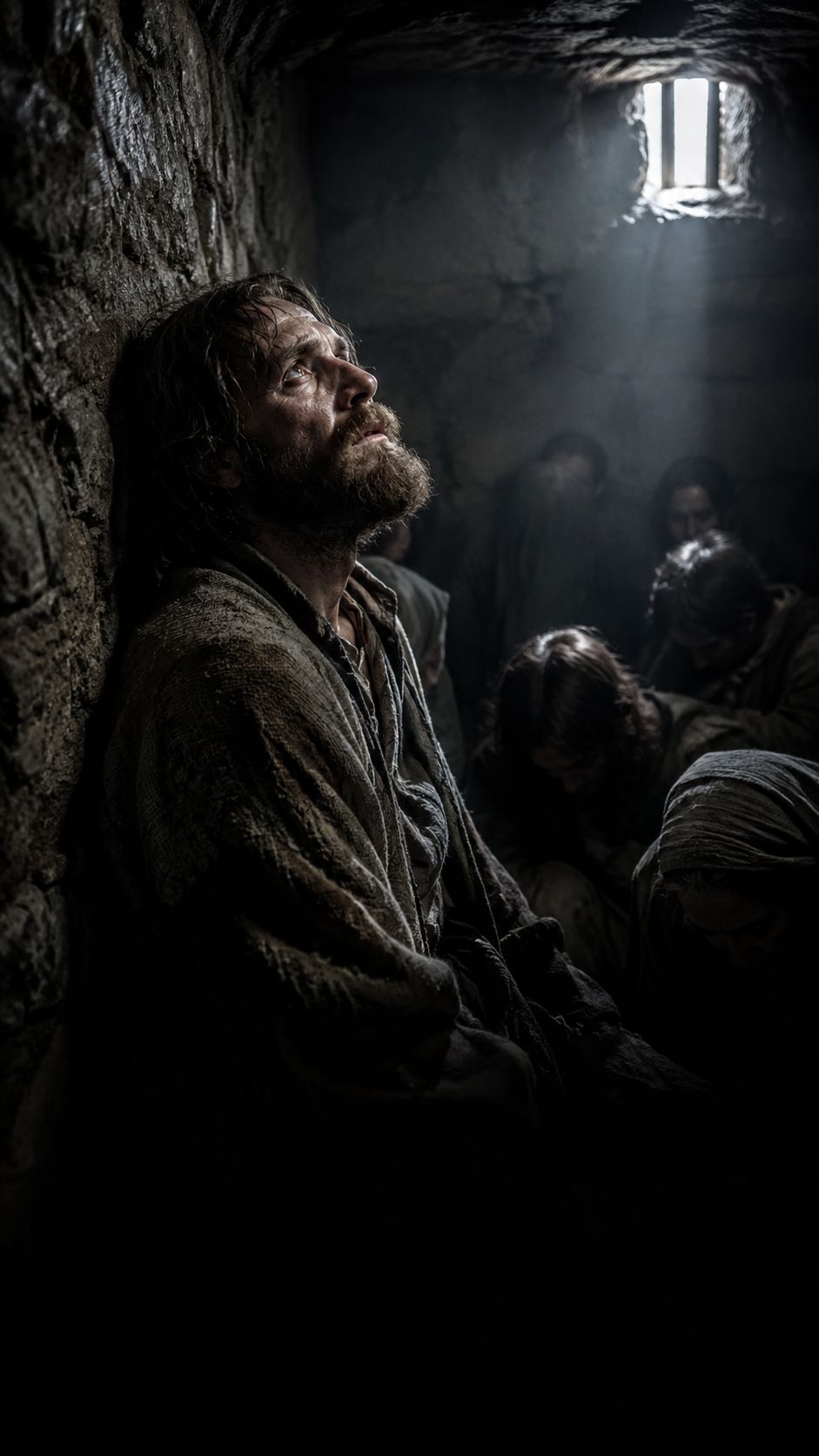 The Covenanters' Vault Of Dunnottar Castle
167 prisoners were crammed into a single cellar of a clifftop castle for refusing to abandon their faith.
Dunnottar Castle, Stonehaven, United Kingdom · 1685 · 37 km away
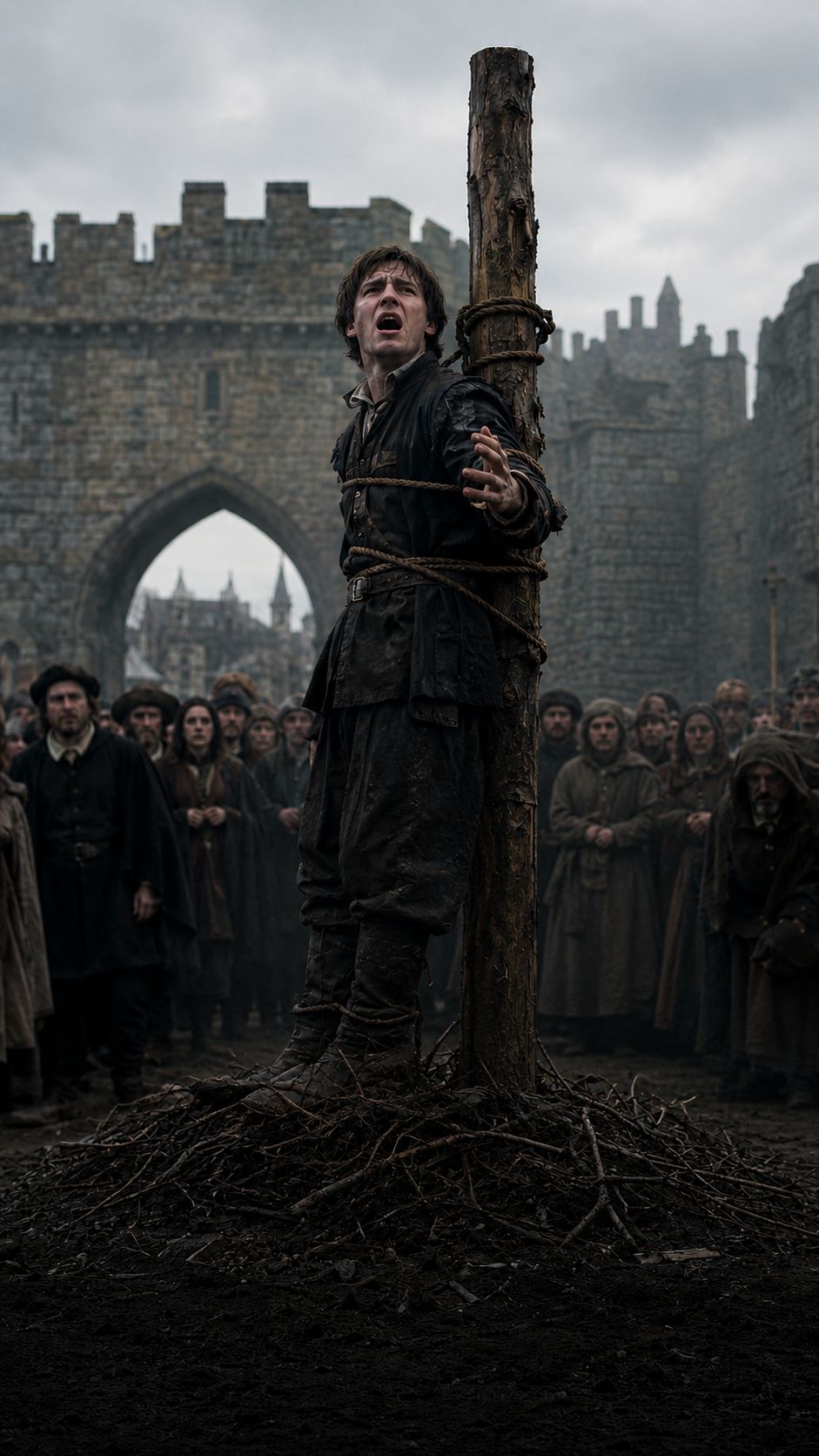 Scotland's First Protestant Martyr
A young scholar was destroyed by an institution not ready to hear him — and his botched, hours-long death made him more dangerous than ever.
St Andrews, United Kingdom · 1528 · 87 km away
- The Musician Slaughtered at the Queen's Table
A queen's trusted secretary was dragged from her private dinner and stabbed to death by her own jealous husband's men.
Holyrood Palace, Edinburgh, United Kingdom · 1566 · 132 km away
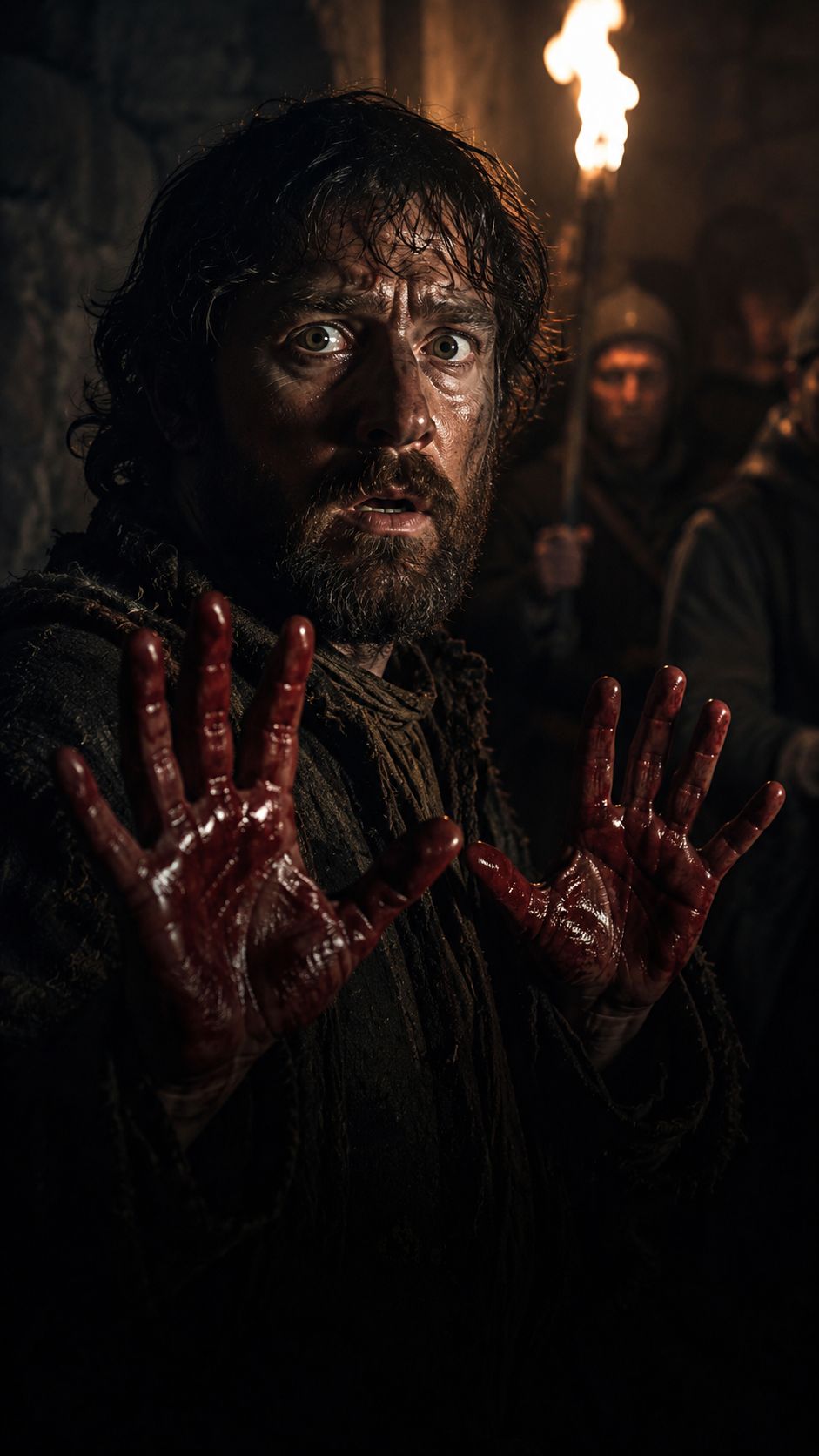 The Bloody Scottish Law Behind Red-Handed
A phrase now used for stolen biscuits once meant a killer caught with blood still on his hands.
Edinburgh, United Kingdom · 1819 · 133 km away