
In September 490 BC, a Persian invasion force of around 25,000 soldiers landed on the plain of Marathon — about 26 miles northeast of Athens. The Athenian army was heavily outnumbered. They needed help fast.
They sent a man to run.
His name was Pheidippides. He was a hemerodromos — a professional long‑distance runner, trained to carry messages across Greece on foot. His job was to get to Sparta and beg for military support.
The distance from Athens to Sparta is roughly 150 miles across rough, mountainous terrain. Pheidippides covered it in two days.
The Horror
When he arrived, the Spartans listened. They did not march. It wasn’t indifference; it was timing. A religious festival, the Carneia, was in progress. Spartan law forbade going to war before the full moon. Pheidippides had run 150 miles in two days, and the answer was: not yet.
He turned around and ran 150 miles back.
By the time he returned, the Athenians had decided they could not wait. On the plain of Marathon, without Spartan support, they charged the Persian line in a risky frontal attack, sprinting the last stretch to minimise exposure to arrows. Against the odds, they broke the invading army. The Persians fled to their ships.
But the danger wasn’t over. The Persian fleet was still intact and could sail straight for Athens. If it arrived before the army did, the undefended city might surrender to what it believed was a victorious enemy. Everything won on the beach could be lost in the streets.
The army began a forced march back to Athens. Someone had to get there first — to tell the city that Marathon had been won, to stop panic, to prevent capitulation.
They sent Pheidippides.
He had already run about 150 miles to Sparta, 150 miles back, and fought in a battle. Now he ran the final 26 miles from Marathon to Athens.
He reached the city. He found the magistrates. According to later accounts, he managed a single word:
“Nenikēkamen.” “We have won.”
Then he collapsed and died. The man who had covered more than 300 miles in less than a week, with a battle in the middle and a flat‑out sprint at the end, fell at the moment his message was delivered.
The Modern Relic
When the first modern Olympic Games were held in Athens in 1896, the organisers created a long‑distance race to honour the legend of Pheidippides’ run from Marathon to Athens. They called it the marathon. The distance was set at roughly 40 kilometres — about 25 miles — to match the route from the battlefield to the city.
In 1908, at the London Olympics, the course was extended to 26 miles and 385 yards so that the race could start at Windsor Castle and finish directly in front of the royal box at the White City Stadium. That oddly specific distance — 26.2 miles — was later standardised as the official marathon length.
Since then, millions of runners have completed marathons on every continent. The word itself has escaped into everyday language: marathon meetings, marathon negotiations, marathon TV binges. Every time it’s used, it gestures back — usually without anyone noticing — to a single exhausted runner on a dusty road, a shouted “victory,” and a body that had nothing left to give.
Every finishing line, from Boston to Berlin to Tokyo, is a symbolic version of the same point: the place where Pheidippides arrived, spoke, and died.
Nearby on the Dark Atlas
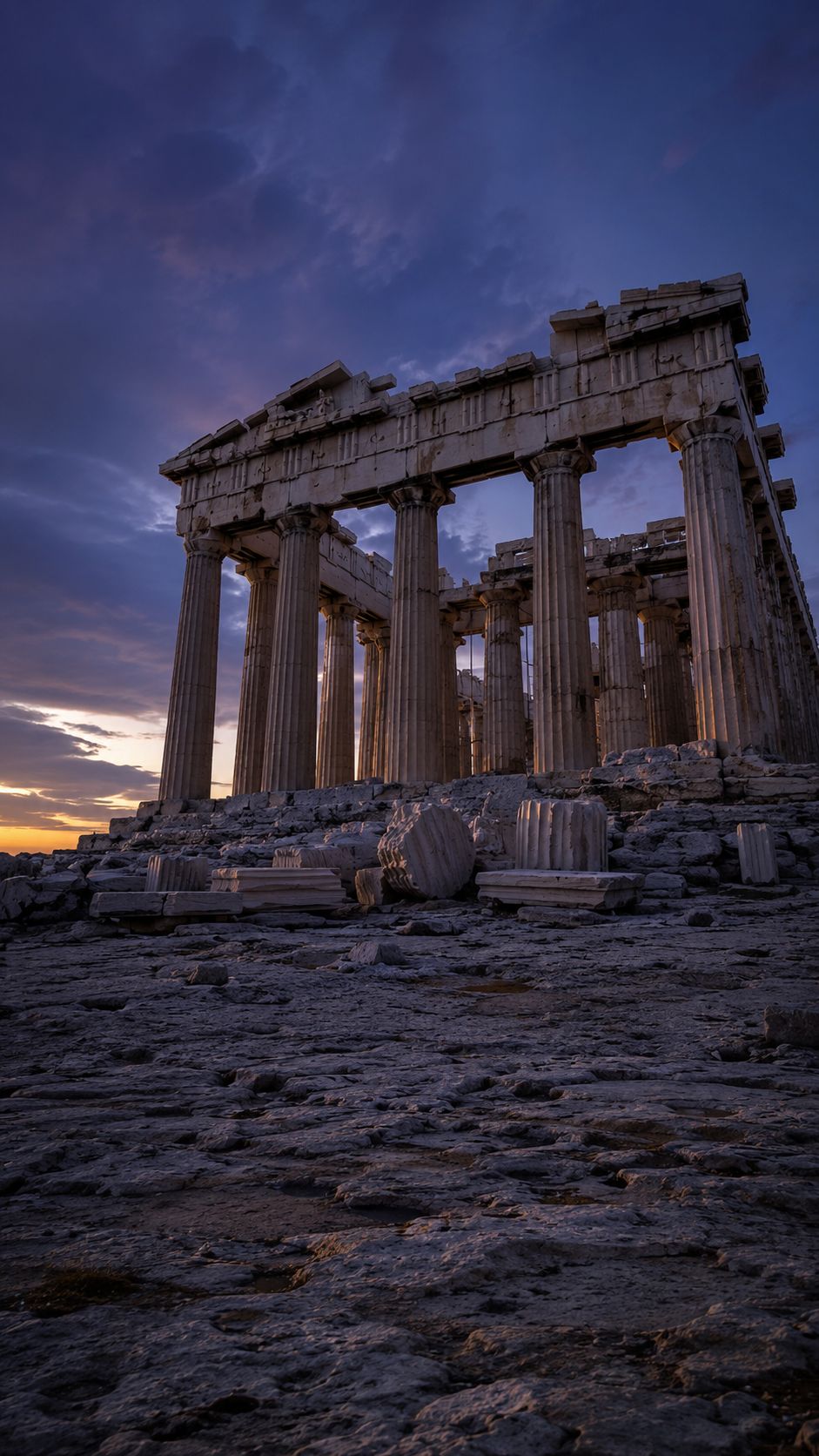 The Night One Shell Broke A Temple
A temple that survived 2,100 years of empires and earthquakes is gutted in a single evening by one gunpowder-filled gamble.
Acropolis, Athens, Greece · 1687 · 30 km away
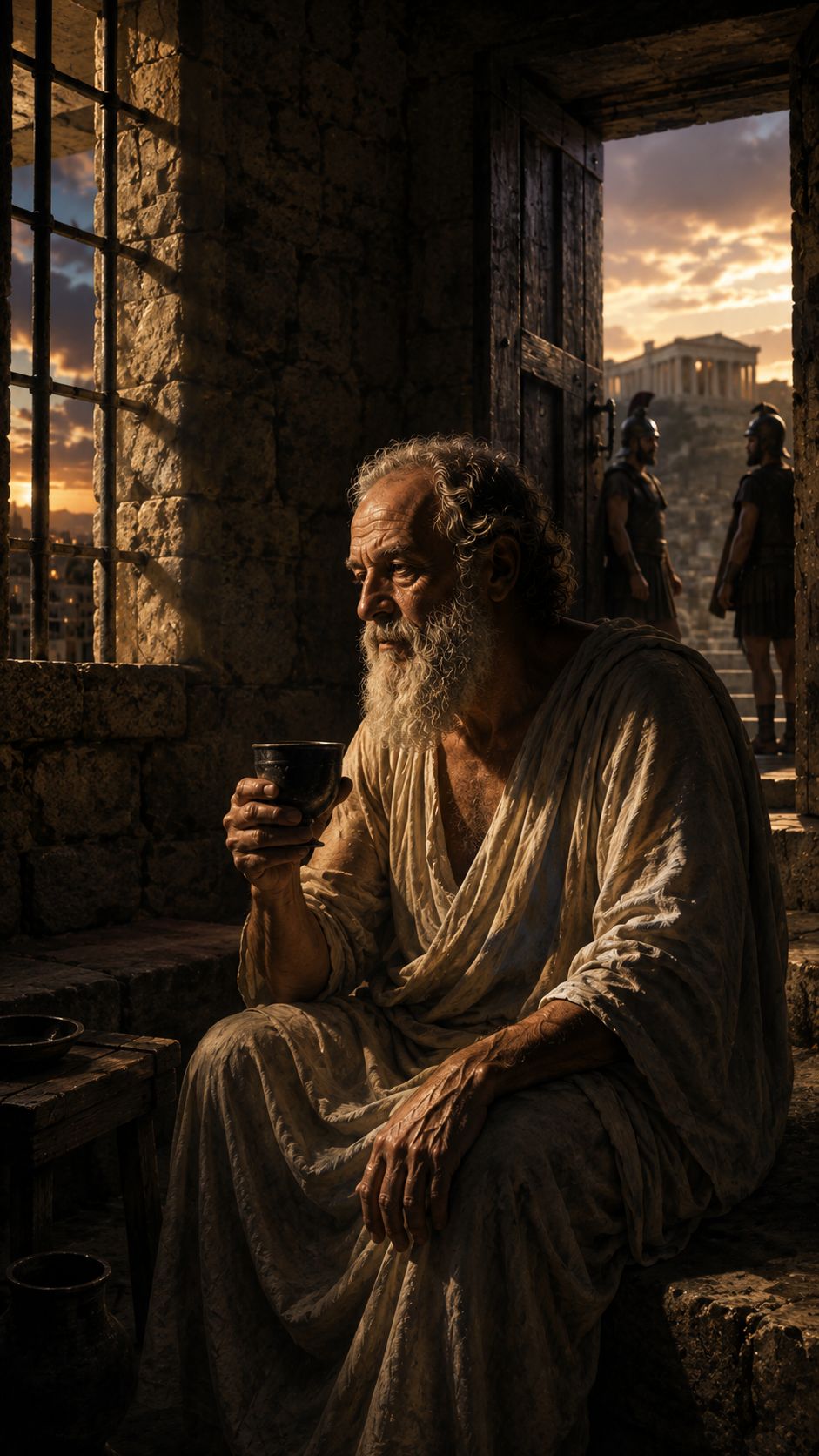 The Old Man Athens Put On Trial For Asking Questions
A seventy-year-old philosopher was condemned for corrupting the youth — his real crime was making powerful men look foolish.
Athens, Greece · 399 BC · 30 km away
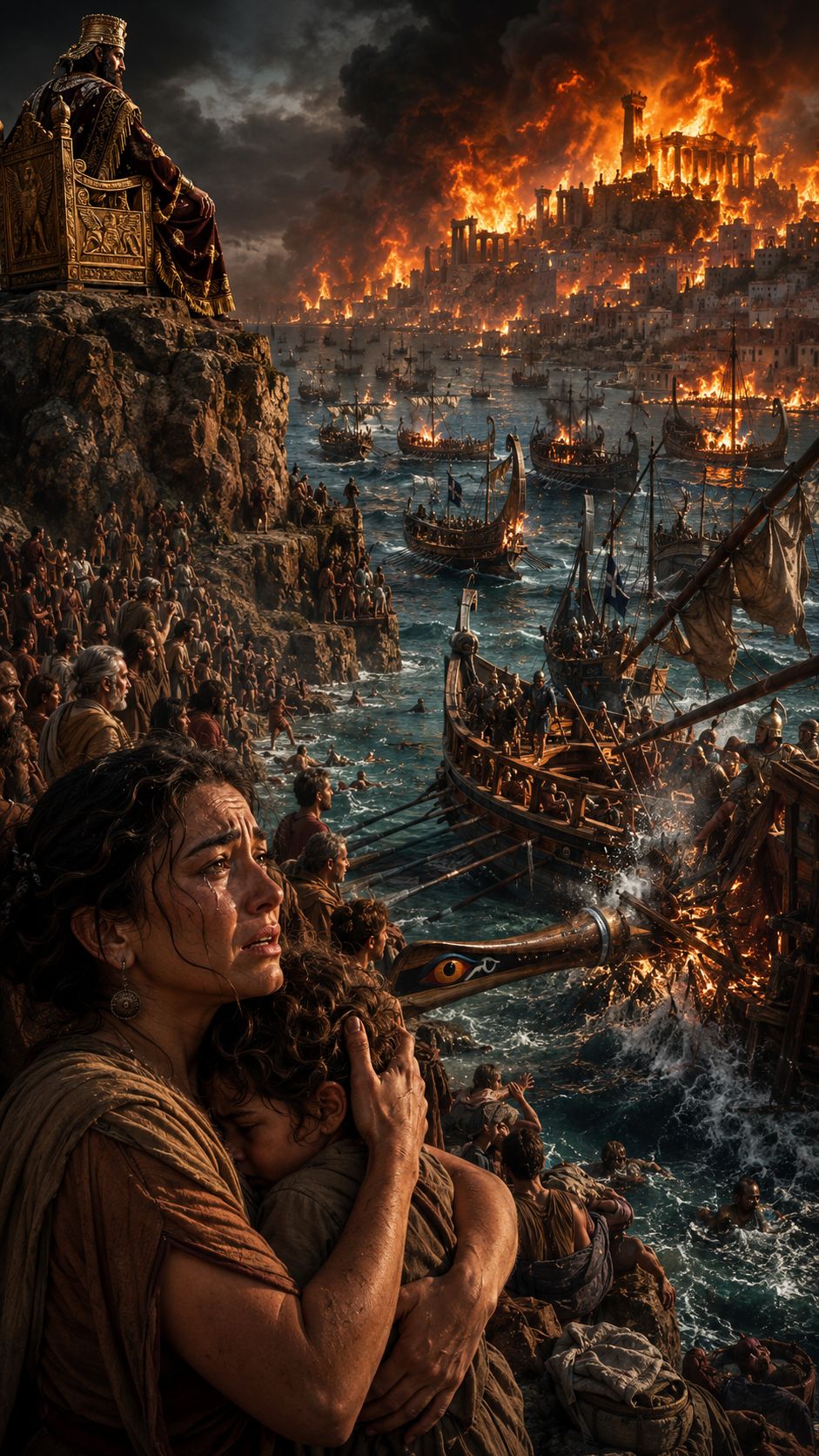 The Wooden Wall That Saved Athens
A cryptic oracle's prophecy about a wooden wall led Athens to lure the Persian fleet into a narrow strait and destroy it before Xerxes' eyes.
Salamis, Greece · 480 BC · 46 km away
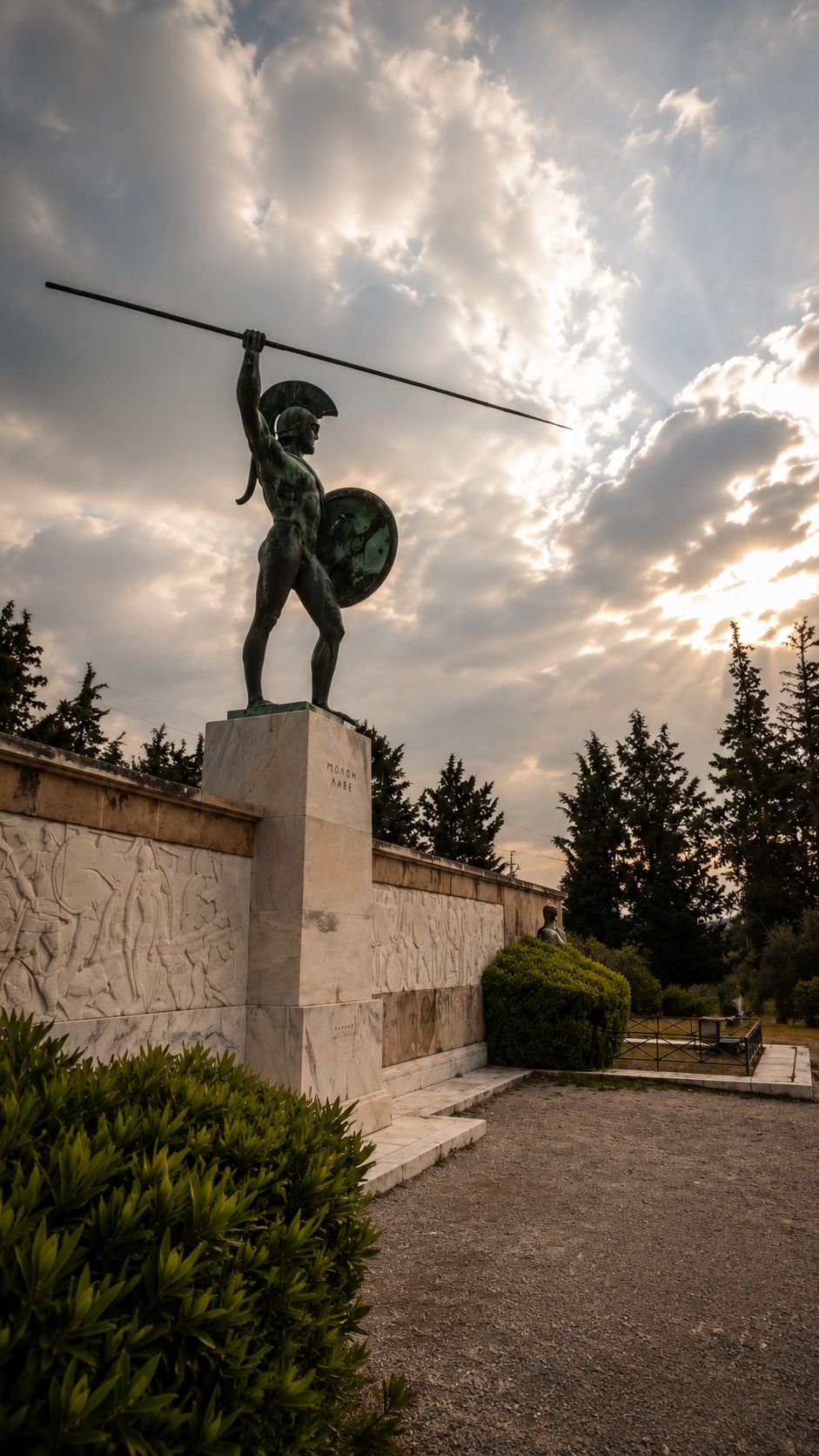 The Real Battle Behind The Legend Of 300
The film shows 300 Spartans making a last stand alone, but the truth about who actually held the pass at Thermopylae is crueller.
Thermopylae, Greece · 480 BC · 143 km away