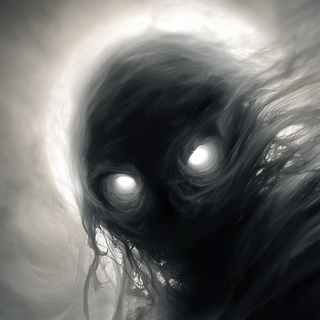
In October 1628, a brand‑new Dutch East India Company ship called the Batavia set sail on her maiden voyage with around 340 people aboard — soldiers, sailors, company officials, and whole families with their children. She was carrying a fortune in silver. She never arrived.
Before dawn on 4th June 1629, the Batavia struck a coral reef off the coast of what is now Western Australia. Around forty people drowned. The rest — close to 280 souls — made it to a tiny, barren, waterless island. They thought the worst was behind them. It was only beginning.
The horror The ship’s commander took a small boat and a handful of officers and set off on a desperate 2,000‑mile voyage to find help, leaving the survivors behind. Into that power vacuum stepped a man named Jeronimus Cornelisz — a bankrupt apothecary, third‑in‑command, and, it turned out, something close to a monster.
Cornelisz had already been plotting to seize the ship before it wrecked. He knew that if rescue ever came, he would hang for it. So his plan was simple and careful: control the island, remove anyone who might resist or testify, seize the rescue ship when it arrived, and disappear as a pirate.
First he disarmed a group of soldiers and marooned them on a distant island to die. Then, with a gang of loyal thugs, he began what can only be called an extermination. The killing was methodical and deliberate. People were taken out on rafts and drowned. Strong men had their throats cut as they slept. The sick, the weak, women and children — murdered to reduce the number of mouths needing food. Survivors were forced to kill other survivors to prove their loyalty and save their own lives. A minister watched his entire family slaughtered in a single evening, except for one daughter kept alive by the killers.
Over the following weeks, on that scrap of coral in the middle of nowhere, with no way to escape and nowhere to hide, Jeronimus Cornelisz had at least 120 men, women, and children killed — never with his own hands, but always through those he controlled.
The modern relic He made one mistake. The soldiers he had stranded to die — led by a man named Wiebbe Hayes — did not die. They found a source of fresh water and food, built a crude stone fort, and fashioned weapons from barrel hoops and nails. When Cornelisz’s men came to finish them, they fought them off. Twice. That rough stone fort is the oldest surviving European‑built structure on the entire Australian continent, and it still stands.
When the rescue ship finally returned, Hayes’s men reached it first and warned the commander. Cornelisz and his worst accomplices were seized, tried on the islands, and condemned. As punishment, their hands were cut off — Cornelisz lost both — and they were hanged there on the coral. Of the roughly 340 people who had left the Netherlands on the Batavia, only about a third ever reached their intended destination alive.
And the physical evidence has not gone away. In 1963 the wreck of the Batavia was located on the reef; sections of her hull were raised and are now preserved in the Western Australian Shipwrecks Museum in Fremantle, where you can stand in front of the actual timbers. On the surrounding islands, archaeologists have excavated mass graves, uncovering the skeletons of Cornelisz’s victims — including skulls that still bear the marks of the blows that killed them. In our own century, the sand of “Batavia’s Graveyard” is still giving up the bones of the murdered.
They survived the sea. Their employers abandoned them. And one man looked at a beach full of exhausted, frightened families and decided that most of them should die so that his own plans could live.
Nearby on the Dark Atlas
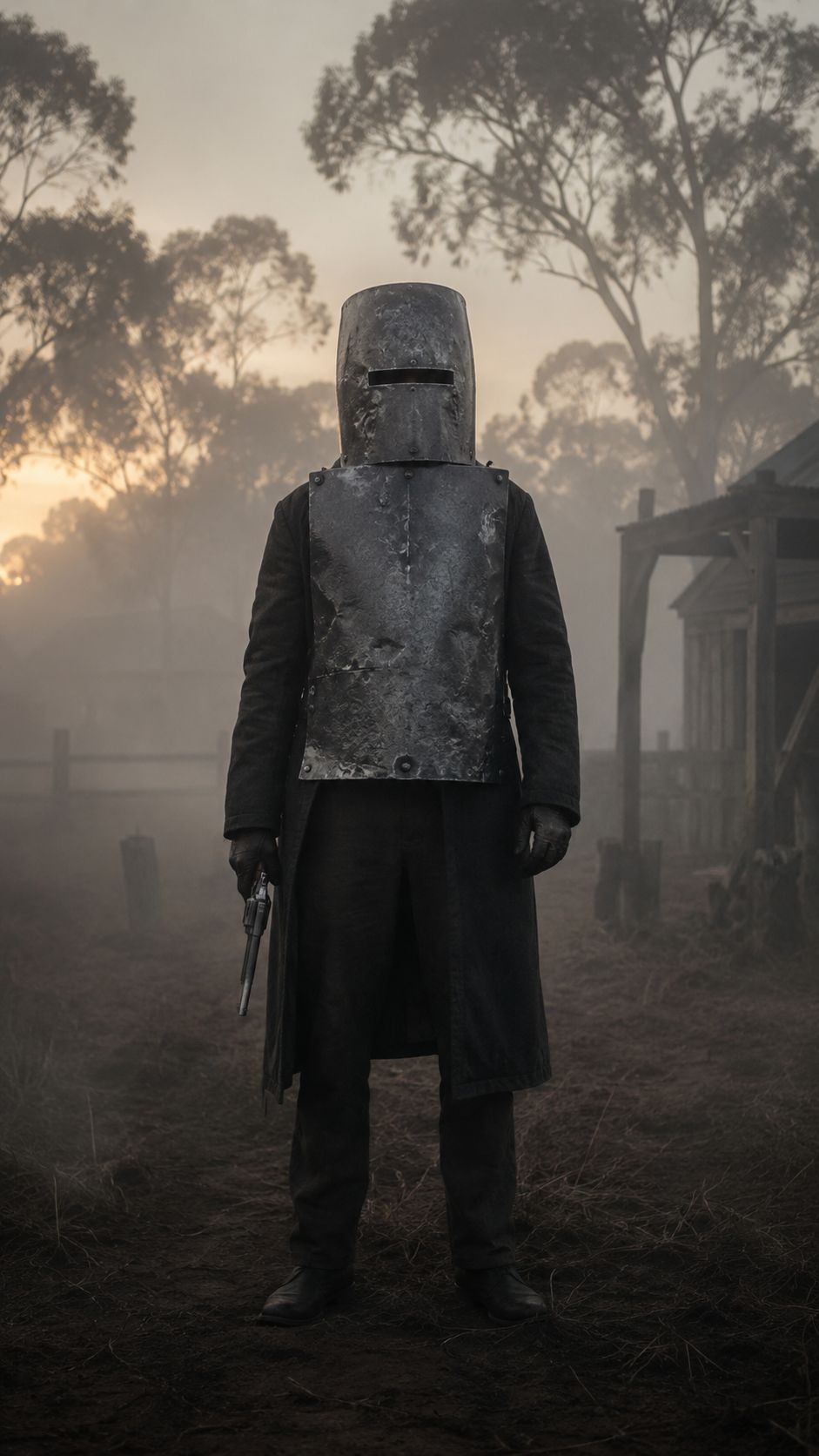 The Outlaw Who Went To The Gallows In Iron Armour
Australia's most famous bushranger made his last stand in homemade armour, then met the gallows with two immortal words.
Melbourne, Australia · 1880 · 3054 km away
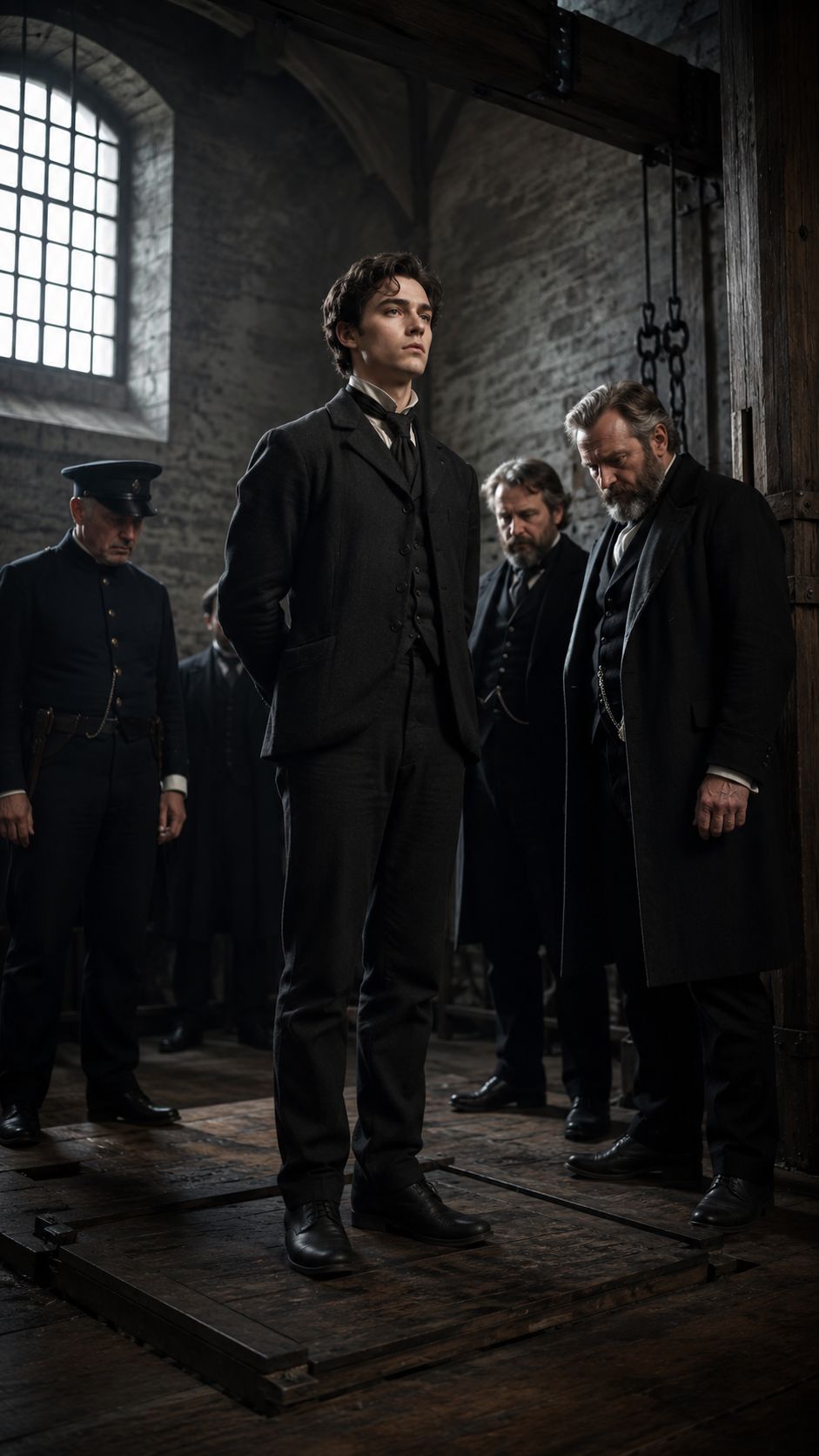 The Man They Could Not Hang
Four men stood trial for a constable's brutal murder, but it was a young convict's own execution that defied explanation.
Sydney, Australia · 1803 · 3583 km away
- The Grief Behind The Real Mary Poppins
The woman who created Mary Poppins was shaped by a dead alcoholic father and a mother's suicide threat, and she hated the Disney film.
Maryborough, Queensland, Australia · 1934 · 3851 km away
- The Explorer Who Died On A Foreign Beach
He'd already crossed a continent no one believed existed — then was abandoned by his own men.
Mactan Island, Philippines · 1521 · 4473 km away
More like this
- The Murder Dickens Turned Into Fiction
A cold, calculated murder buried a body in a Bermondsey kitchen, and became fodder for the country's most famous novelist.
Bermondsey, London, United Kingdom · 1849
- The Chair No One Is Allowed To Sit In
A murderer's cursed armchair now hangs on a museum wall, five feet off the ground, so no one can sit in it again.
Thirsk, United Kingdom · 1702
- The Poisoner Who Weaponised A Town's Sweet Shops
She poisoned an entire town's confectionery to disguise the murder of a woman she hated, killing a child she never met.
Brighton, United Kingdom · 1871
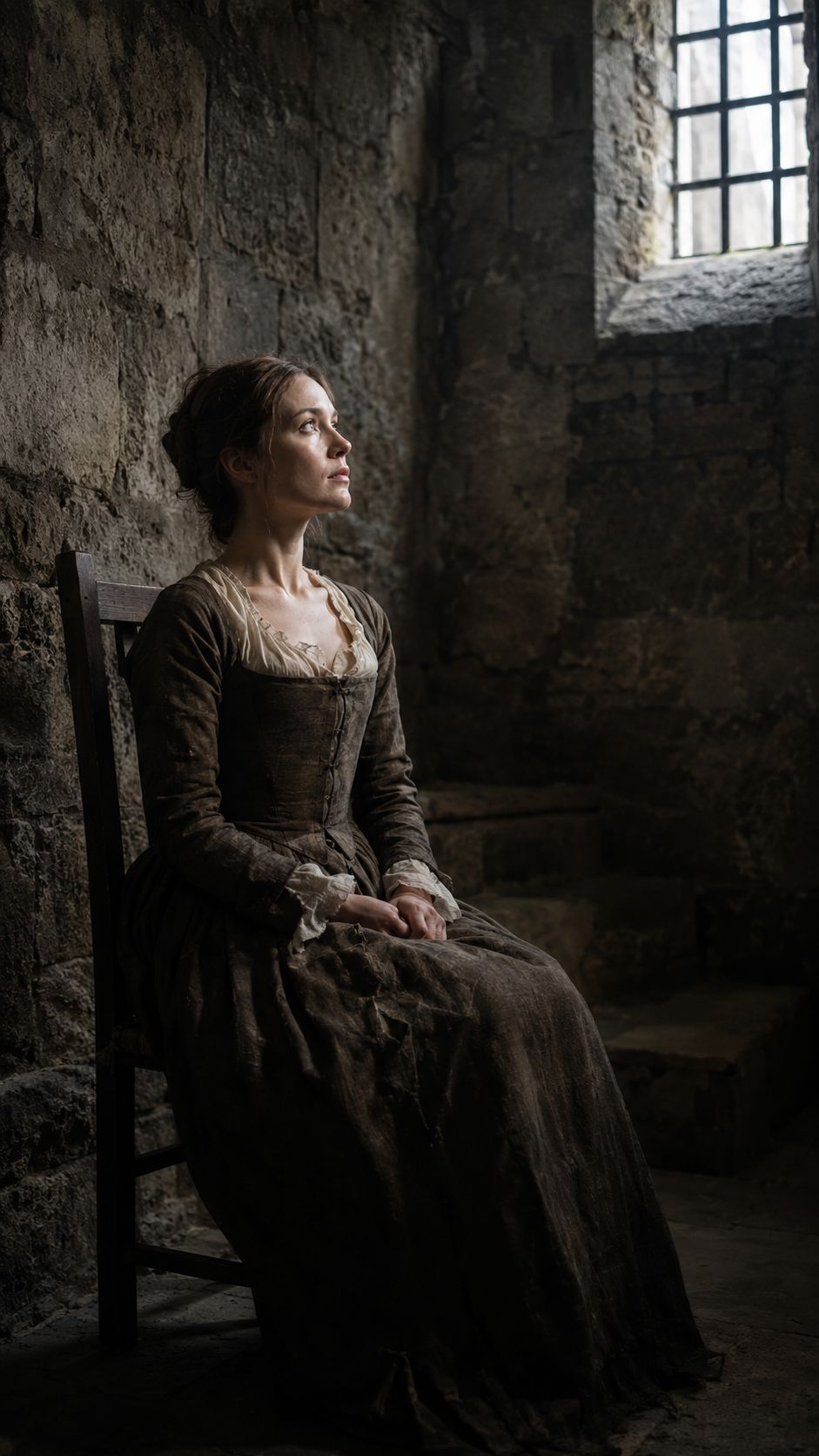 The Rape Trial That Ended In Trial By Combat
A woman's accusation of rape led to France's last judicial duel, with her own life staked on the outcome.
Paris, France · 1386