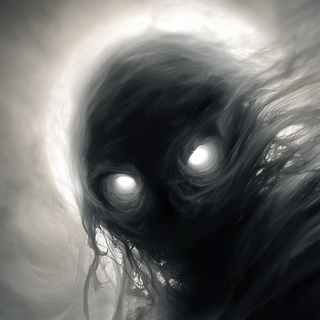
Moby Dick is one of the greatest novels ever written — Herman Melville’s towering story of Captain Ahab and his mad, doomed hunt for the great white whale. But almost nobody realises that the heart of it was true, and that the real events which inspired it were far more horrifying than anything in the book. The story of the whaleship Essex is one of the most harrowing survival ordeals in all of history.
To understand it, you have to go back to the world of Nantucket whaling in 1819. This was one of the most dangerous industries on earth — small ships sailing halfway around the globe, for years at a time, to hunt sperm whales in the open Pacific for the precious oil in their heads. On the 12th of August 1819, the Essex — an 88-foot Nantucket whaleship under the young captain George Pollard Jr. — set out on what was meant to be a voyage of two and a half years. Aboard were twenty men and boys, including the first mate Owen Chase, and a fourteen-year-old cabin boy, and, crucially, Pollard’s own teenage cousin, a boy named Owen Coffin. By November 1820 they were deep in the Pacific, more than a thousand miles from the nearest land, and the hunting had gone well.
The Horror
On the morning of the 20th of November 1820, the men were out in their small whaleboats when Owen Chase, back aboard the Essex making repairs, saw something no whaler had ever really seen. A truly enormous sperm whale — he estimated it at eighty-five feet, far larger than normal — was lying still in the water, its head pointed at the ship. Then it began to swim straight at them, gathering speed. It struck the Essex head-on with a shattering blow that knocked men off their feet. It passed under the ship, thrashing. And then — the detail that turned a tragedy into a legend — the whale turned, faced the ship again, and came back for a second, faster, deliberate charge, smashing its head into the bow. The Essex began to go down. A whale had, apparently on purpose, sunk a ship.
The twenty men now faced the sea in three small open boats, with almost no food or water, thousands of miles from anywhere. And here came the fatal decision. The nearest islands were the Marquesas or Tahiti — but the crew were terrified those islands were home to cannibals. So instead they chose to try for the coast of South America, thousands of miles further away, into the open ocean. It was a catastrophic mistake. For three months, the boats drifted. The men ran out of food and water. They baked under the sun, went mad with thirst, and one by one they began to die. And the horrifying irony is this: the men who had fled the sea for fear of cannibals became cannibals themselves. At first, the survivors ate only the bodies of the shipmates who died naturally. But as more died and starvation deepened, in Pollard’s boat they reached the ultimate horror. On the 1st of February 1821, with no dead left to eat and no land in sight, the survivors agreed to draw lots — to choose, by chance, which living man would be shot so that the others might survive on his body. The boy who drew the fatal lot was the youngest: Owen Coffin, the captain’s own cousin. Pollard is said to have offered to take the boy’s place, but Coffin refused, laid his head down, and accepted his fate. Another lot decided who would pull the trigger. The boy was shot, and eaten, so that his companions — including the captain who was meant to protect him — could live.
The Modern Relic
After three months at sea, only eight of the twenty men were rescued alive — some so far gone that when they were found, they were sucking the marrow from the bones of their dead companions and would not let the bones go. The survivors were returned to Nantucket. Remarkably, Captain Pollard went back to sea and was shipwrecked a second time, after which he was considered a “Jonah” — a cursed man — and ended his life quietly as a night watchman on Nantucket, said to fast every year on the anniversary in memory of the men he had lost, and eaten.
The relic is the written record that inspired the novel and survives today. The first mate, Owen Chase, wrote a detailed account of the disaster, his “Narrative of the Most Extraordinary and Distressing Shipwreck of the Whale-Ship Essex,” published in 1821. Years later, a young sailor named Herman Melville, aboard another whaler, met Owen Chase’s own son, who gave him a copy of that narrative — and reading the true story of the Essex directly inspired Melville to write Moby Dick. There was even a second, secret account: the cabin boy Thomas Nickerson wrote down his own memories of the ordeal, but his manuscript was lost for over a century and only rediscovered and published in 1984. Both accounts survive today, and the story is preserved in the Nantucket Whaling Museum, where you can see the history of the Essex and the world that produced it. Melville gave us a novel where the whale sinks the ship at the very end. The truth — the deliberate whale, the three lost boats, the drawing of lots, the captain who ate his own cousin — was a real event, and it was worse.
Nearby on the Dark Atlas
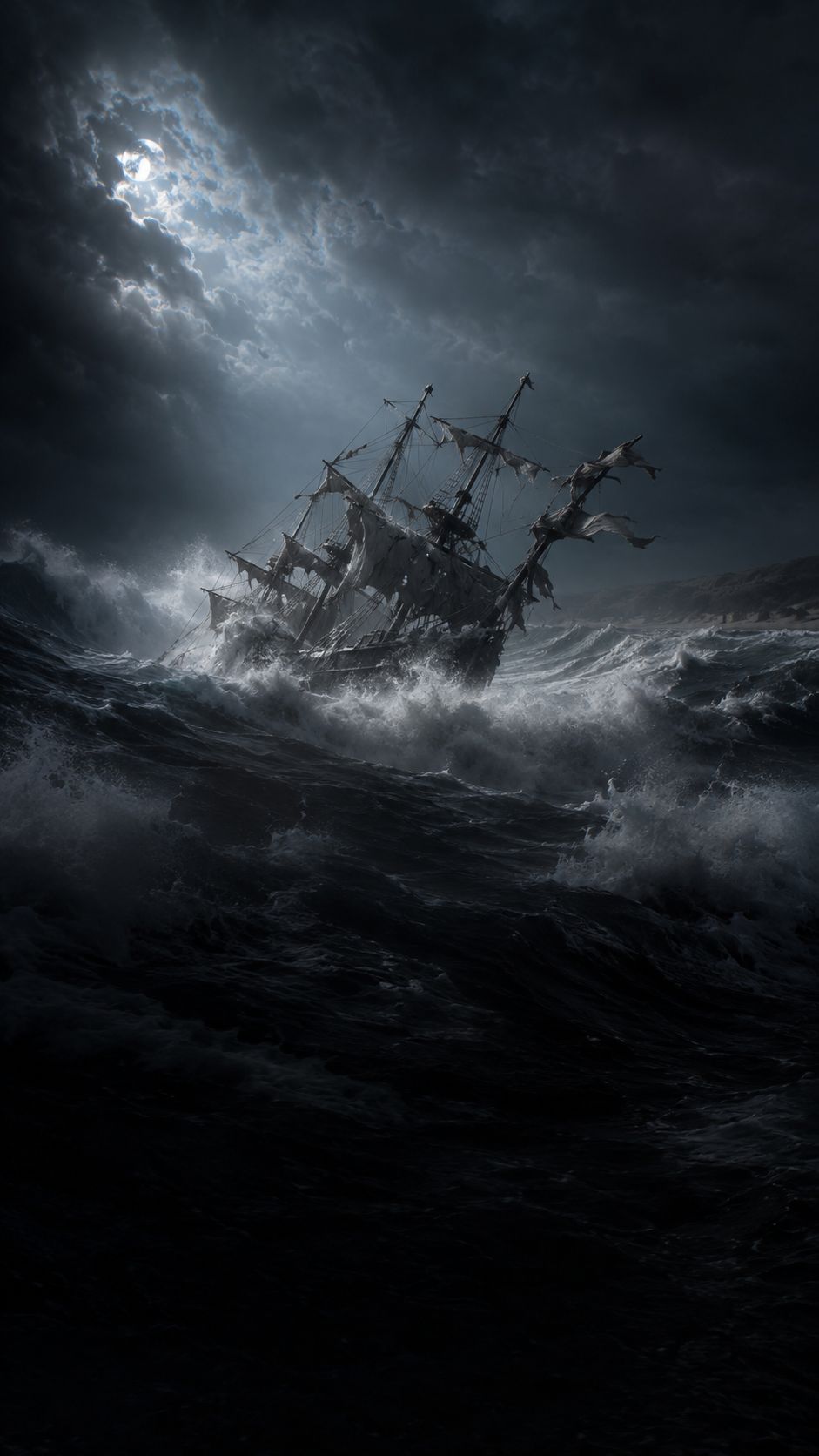 The Pirate's Sunken Promise To His Love
A poor sailor turned pirate to win a fortune for the woman he loved, and his treasure ship vanished for over 260 years.
Cape Cod, United States · 1717 · 69 km away
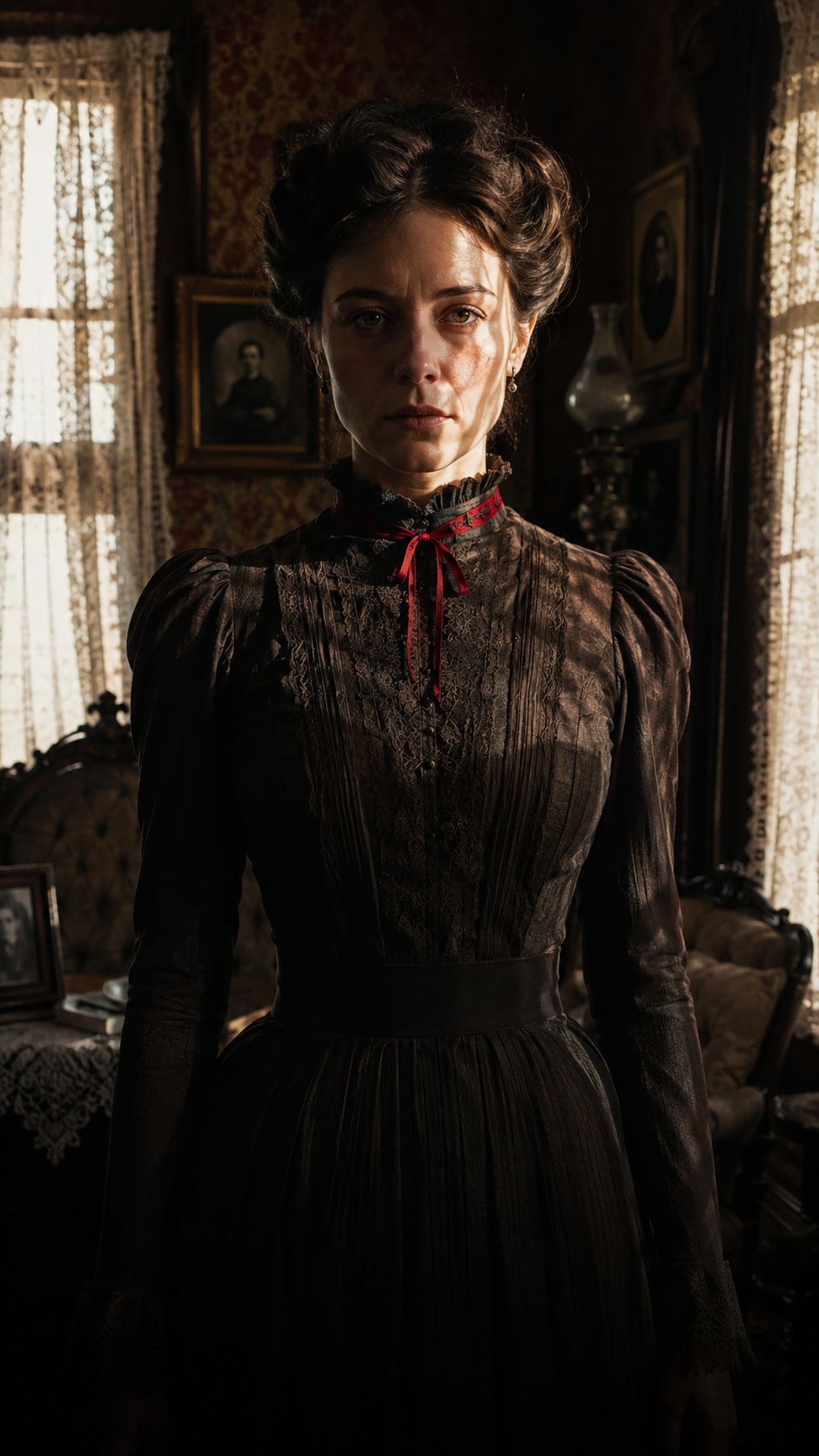 The Axe Murders Behind The Nursery Rhyme
A wealthy man and his wife were hacked to death in broad daylight, and the rhyme everyone knows gets nearly everything wrong.
Fall River, Massachusetts, United States · 1892 · 99 km away
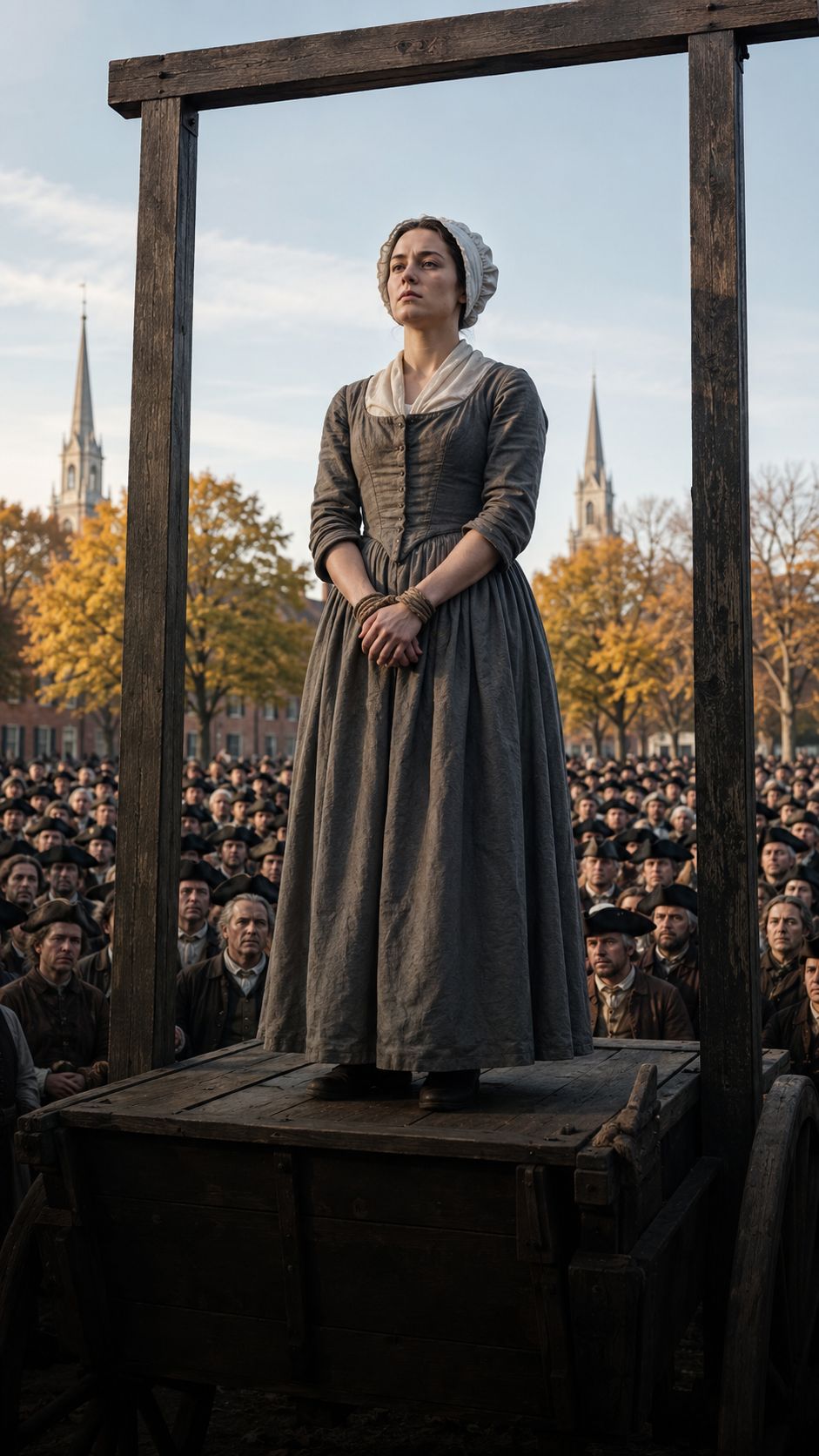 America's First Woman Hanged For Piracy
A farm girl drawn to the docks confessed to almost every crime imaginable the day before she was hanged in Boston.
Boston, Massachusetts, United States · 1789 · 144 km away
- The Quaker Who Hung Like A Flag
Puritan Boston hanged a Quaker woman as a warning, and the wind turned her execution into the opposite of what they intended.
Boston, United States · 1660 · 144 km away
More like this
 The Rape Trial That Ended In Trial By Combat
A woman's accusation of rape led to France's last judicial duel, with her own life staked on the outcome.
Paris, France · 1386
- The Parish Registers Of The Beast's Victims
Between 1764 and 1767 something killed roughly a hundred people, recorded in the registers as 'devoured by the beast.'
Saugues, France · 1764
- The Manufacturing Of England's Most Haunted House
For decades it was called the most haunted house in England, until its ghost story revealed how a haunting gets made.
Borley, Essex, United Kingdom · 1929
- The Truth Behind The Elephant Man
The real man behind the famous film was quieter, stranger and far more heartbreaking than any screenplay.
Whitechapel, London, United Kingdom · 1890