A ghost in Kyoto is not the same thing as a ghost in Cornwall, and neither is quite the same as a ghost in New Orleans. The dead take the shape of what the living fear and how they bury. Reading a region’s ghost stories is a fast way to read its history.
The British Isles
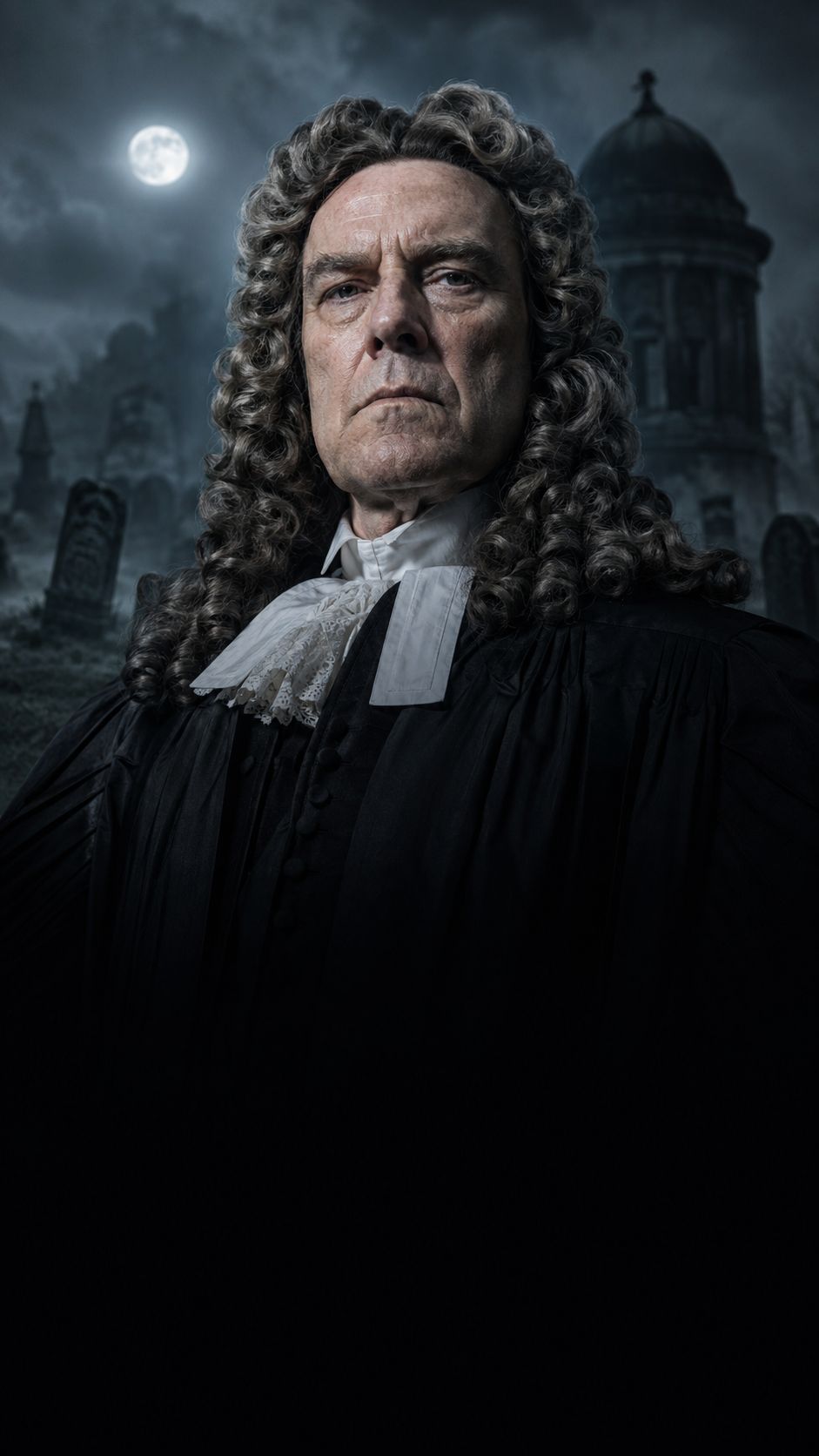
British ghosts are overwhelmingly domestic and architectural. They belong to a house, a castle, a stretch of road, and they tend to be specific people — a named lady, a particular monk, a hanged highwayman — attached to a documented event. That is a product of four things: a very old built environment, exceptionally good written records, a Protestant Reformation that abolished purgatory and left the Church with no official account of what a restless soul was for, and a nineteenth-century publishing industry that turned local legends into a national literature. The English ghost is polite, sad and usually harmless. The Scottish one is more likely to be a warning.
Ireland
Irish folklore keeps a much older layer beneath the Christian one. The banshee, the fairy host and the returning dead of Samhain sit alongside the ghosts of famine roads and evicted cottages. The dead here are often collective rather than individual, and the landscape itself — raths, hill forts, holy wells — is treated as inhabited.
Continental Europe
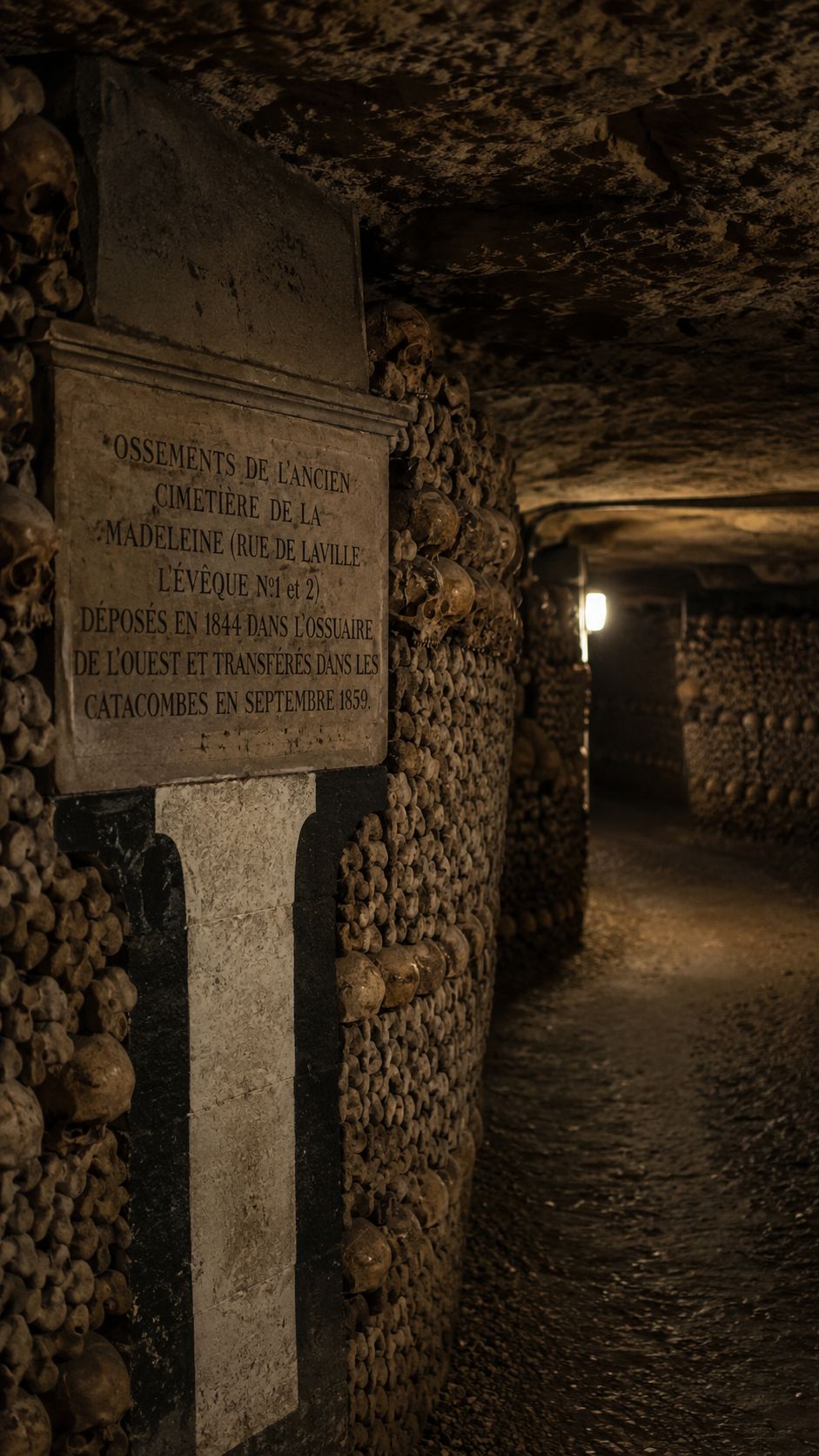
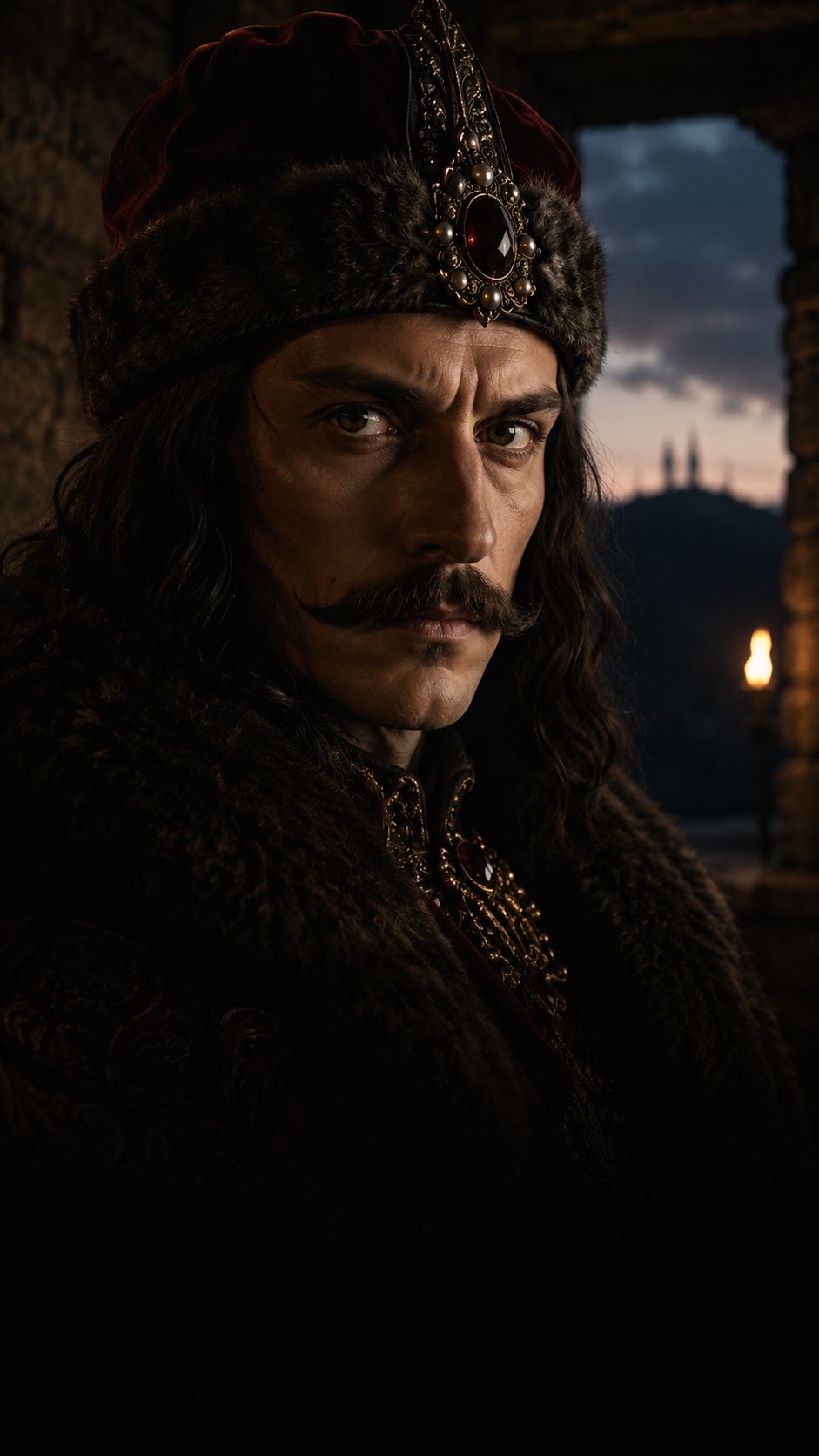
Catholic Europe kept purgatory, and its ghosts tend to be souls with unfinished business who can be helped by prayer, masses and the settling of debts. The revenant tradition of Central and Eastern Europe — the dead who physically return, the vampire of Serbia and Transylvania — comes from a different anxiety: disease, uncertain death, and the horror of a body that would not stay in the ground. Germany’s poltergeist is a noise rather than a figure, and the word was English long before it was a film.
Japan
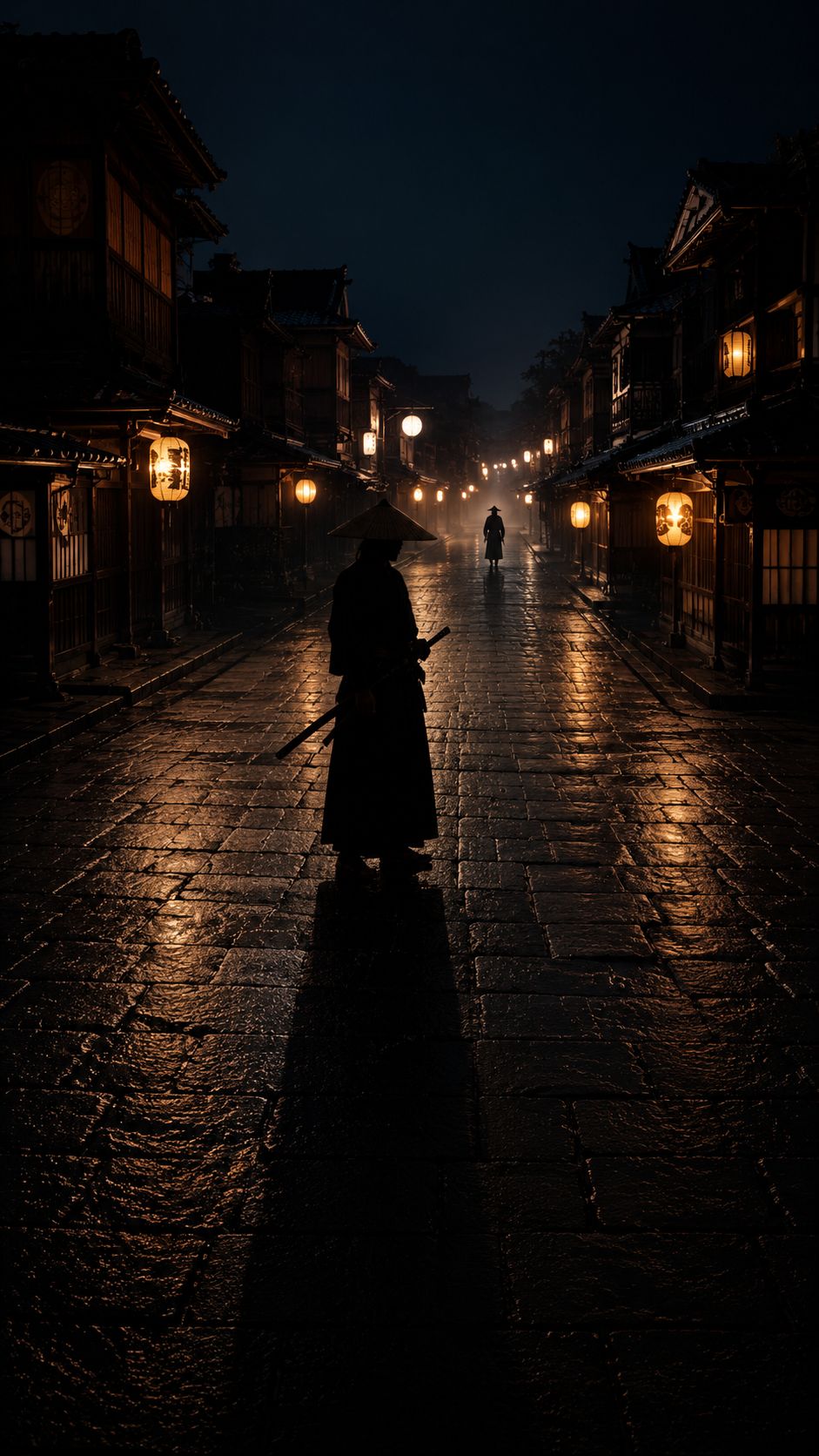
The yūrei of Japanese tradition is bound by obligation. A person who dies with a strong emotion unresolved — rage, love, jealousy — cannot pass on until it is settled, and the most powerful ghosts are women wronged by men. The white burial kimono, the hanging hair and the absence of feet are conventions from Edo-period painting and theatre that have since become the global image of a ghost.
The Americas
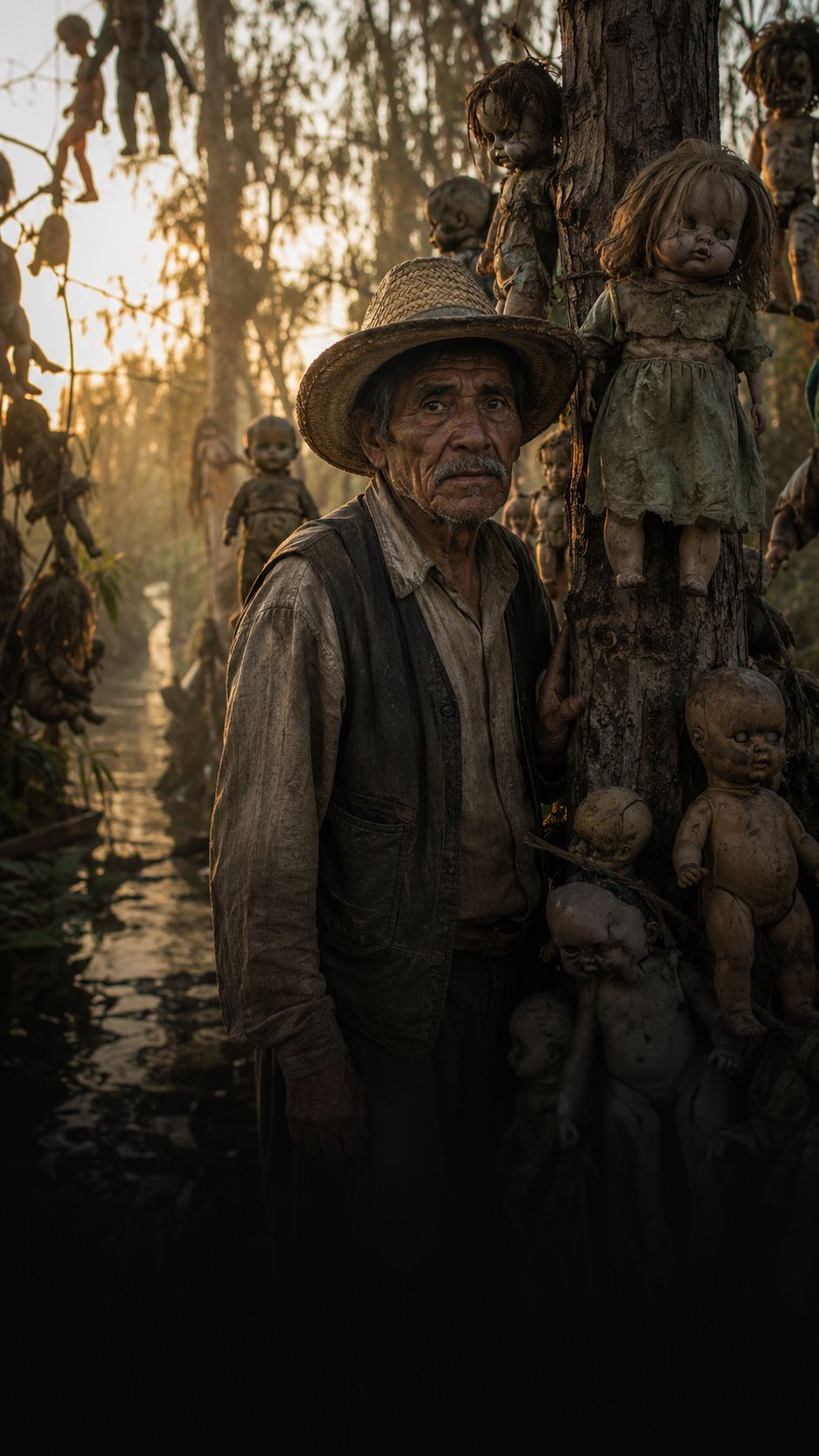
The United States inherited European ghosts and added its own: battlefield hauntings from the Civil War, the murdered and the lynched, the haunted plantation whose stories carry the history of slavery that polite tour scripts leave out. New Orleans blends French Catholic, West African and Caribbean traditions into something found nowhere else. In Mexico, the dead are welcomed home once a year rather than feared, and La Llorona, the weeping woman searching for her drowned children, is told in every Spanish-speaking country in a local variant.
Reading the pattern
Wherever you are, ask three questions. Who is the ghost — an individual or a crowd? What does it want — revenge, remembrance, help, nothing? And where does it live — a house, a road, a body of water, the whole landscape? The answers tell you what that culture was afraid of, and what it felt guilty about.