The categories used to describe hauntings were invented by investigators, not by ghosts. They are a filing system: a way of comparing reports from different places and centuries and noticing that the same shapes keep turning up. Used carefully, they are useful. Used carelessly, they turn a folder of anecdotes into a taxonomy that sounds more scientific than it is.
Residual
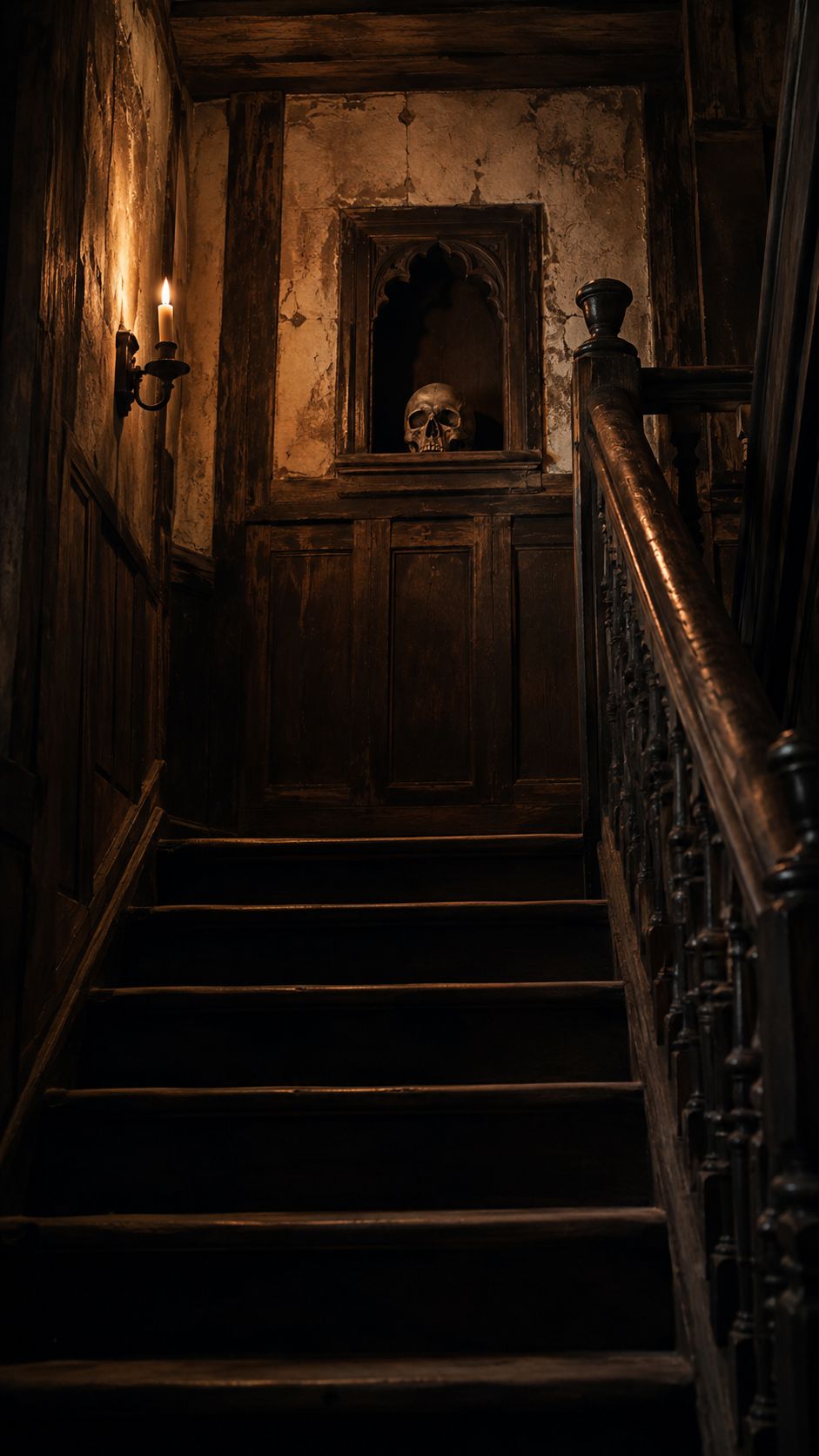
The most common report, and the one most closely tied to place. A figure walks the same route, a sound repeats at the same hour, a battle is heard on its anniversary. Nothing responds to the witness; the event simply replays. Residual hauntings are attached to routine — the monk in the cloister, the sentry on the wall — or to trauma, and they are the type most often reported at battlefields and execution grounds. Whatever the explanation, the pattern is a memory of a place rather than a person with intentions.
Intelligent
The haunting that appears to notice you. Objects moved in response, knocks that answer questions, a figure that looks at the witness before vanishing. These are the stories that carry names, because the reported behaviour implies a personality and the personality gets identified with someone from the building’s history. Almost every famous named ghost — Anne Boleyn, the Brown Lady of Raynham, the Grey Lady of any hospital you care to name — belongs in this category. It is also the category most shaped by expectation, because a witness who already knows the name will read intention into ambiguity.
Poltergeist
From the German for “noisy spirit”: disturbances without a figure. Objects thrown, furniture moved, raps and bangs, occasionally fires. Poltergeist cases have a distinctive profile that investigators noticed centuries ago — they are short-lived, they centre on a household rather than a building, and very often on one adolescent within it. The Enfield case of 1977–79 and the Cock Lane ghost of 1762 both fit the pattern, and both ended with at least partial admissions of fraud. That does not settle every case, but it explains why this category is treated with more caution than the others.
Crisis apparition
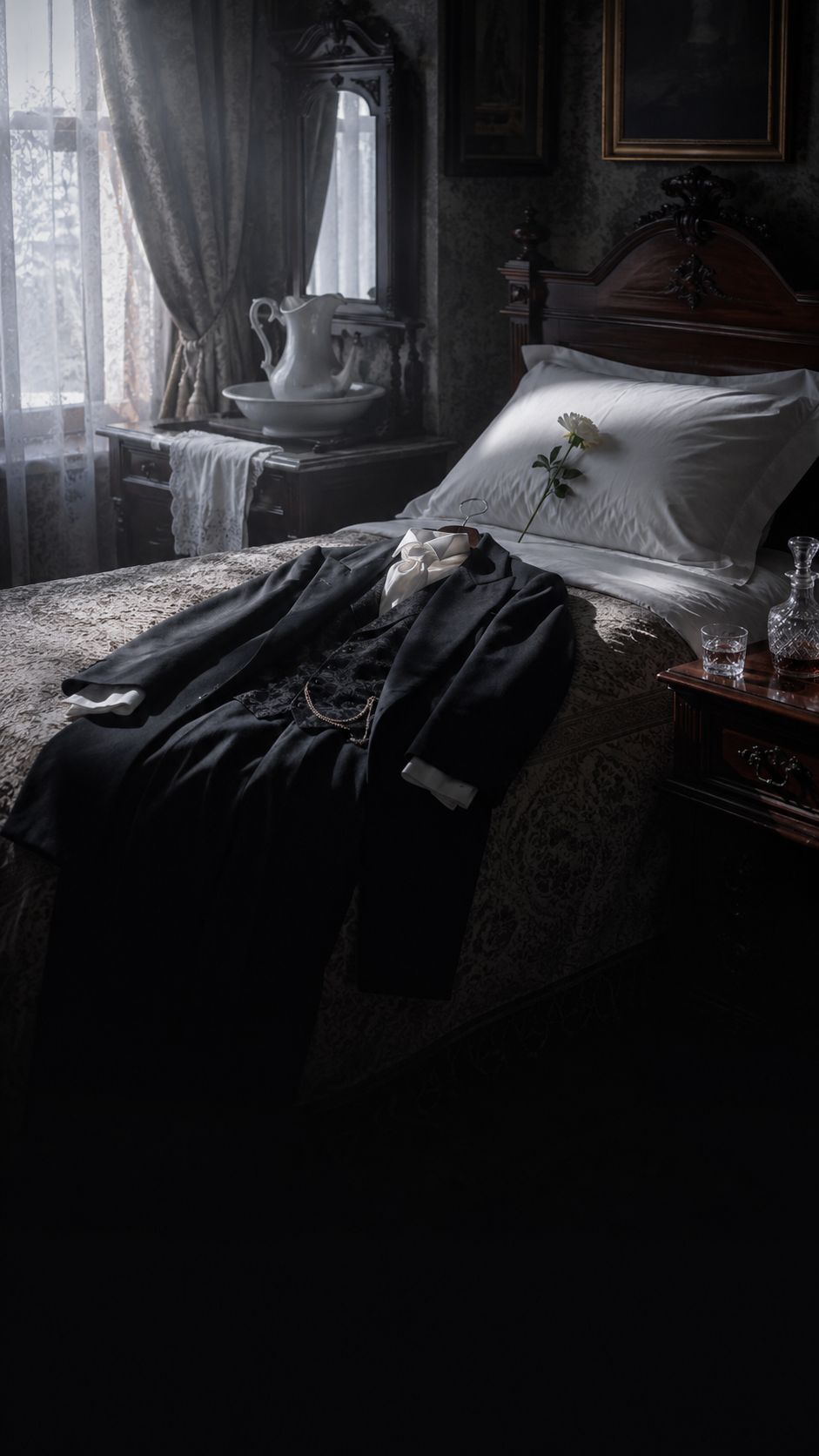
A figure seen once, at the moment of a death elsewhere — a soldier appearing to his mother the night he was killed at the front. These were catalogued in enormous numbers by the Society for Psychical Research in the 1880s and remain among the most affecting reports, because the witnesses had no reason to expect anything and were often not believers.
Object-bound
The cursed painting, the doll, the chair no one may sit in. The haunting travels with the thing rather than the place. These stories are the easiest to manufacture and the hardest to check, and several of the most famous — the Crying Boy prints, the Hope Diamond’s curse — can be traced to a specific newspaper story or a dealer who wanted to sell something.
How to use the categories
Treat them as questions rather than answers. Does it respond? Does it repeat? Is it tied to a place, a person or a thing? Did anyone in the house have a reason to want it to happen? A category that fits the report tells you which other reports to compare it with. It does not tell you what it was.