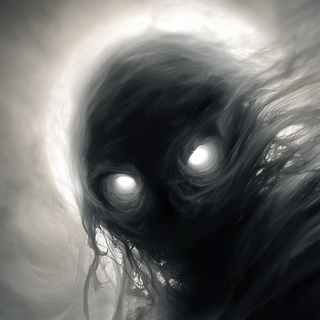
In several old houses across England, there is a real human skull sitting in a display niche, a chest, or a hollow in the wall — kept there deliberately, sometimes for centuries, because of a shared and very specific fear: that if the skull is ever taken from the house, disaster will follow. These are England’s “screaming skulls.” Most ghost stories are just stories. These are not. The skulls genuinely exist, flesh long gone but the bone still there, still watching the stairs. And you can go and see some of them today.
The most notorious sits in Wardley Hall in Greater Manchester. It is said to be the skull of Father Ambrose Barlow, a Benedictine monk who spent years secretly saying Catholic Mass across Lancashire at a time when doing so was punishable by death. He was caught in the end at Morleys Hall, on Easter Sunday 1641 — dragged away in front of his congregation by a magistrate with an armed mob at his back, and carried off to Lancaster Castle.
The Horror
On 10th September 1641, Ambrose Barlow suffered the full, terrible sentence of hanging, drawing and quartering. He was hanged, cut down while still alive, and butchered into four pieces; some accounts say his quarters were boiled to preserve them for display. His severed head was mounted on a spike outside the castle, left there as a warning to every secret Catholic in Lancashire. But Barlow had family. A member of the Downes family, his cousins, later managed to quietly retrieve the head and smuggle it home to Wardley Hall, where it was eventually set into a niche at the top of the main staircase. And there it stayed, for generations, undisturbed — until, the legend says, a maid mistook it for an animal’s skull and threw it into the moat. What followed, the story insists, were storms of unnatural violence battering the house, night after night, until the skull was fished from the black water and returned to its place. Ever since, tradition holds that misfortune falls on anyone who tries to move it. For a time there was doubt over whose skull it even was — suspicion fell on Roger Downes, a violent Cavalier from the same family, reportedly killed in a drunken brawl. But when his coffin in the family vault was opened, his own skull was found still on his shoulders. Forensic examination in the 20th century instead supports the identification as Father Barlow.
Bettiscombe Manor in Dorset keeps its own skull, and its own curse. The legend tells that in the 1830s a member of the household — a servant, and in some tellings a formerly enslaved man from the Caribbean island of Nevis — fell fatally ill in England, and swore on his deathbed that his soul would never rest unless his body was carried home. His employer refused to pay for the voyage and had him buried in the village instead. Afterward, the story says, misfortune settled over Bettiscombe. Screams and weeping were heard drifting from the graveyard at night. Windows rattled; doors slammed shut inside the manor with no hand upon them. The villagers eventually dug the body up and brought it into the house, and the haunting is said to have stopped. Over the years the skeleton slowly disappeared — until only the skull remained.
The Modern Relic
Both skulls are still there. Wardley Hall’s skull remains in its stairway niche, now behind glass, in a building that went on to become the official residence of the Roman Catholic Bishop of Salford. And Ambrose Barlow himself was canonised as a saint in 1970, one of the Forty Martyrs of England and Wales. As for Bettiscombe’s skull, a genuinely strange twist came in 1963, when a professor of comparative anatomy at the Royal College of Surgeons examined it and concluded it was not the skull of a man at all — but of a European woman in her twenties or thirties. Which means the entire legend may be attached to the wrong bones: someone else’s skull, kept for a dead man’s curse. The story still reached across the world — it helped inspire the American author Francis Marion Crawford’s classic 1908 horror tale “The Screaming Skull.” And similar warnings persist at other English houses, from Burton Agnes Hall in Yorkshire to Chilton Cantelo in Somerset, each with its own skull and its own version of the same quiet threat, echoing down the centuries through English homes that would rather live with a dead man’s bones upon the staircase than ever risk finding out what happens if they don’t.
Nearby on the Dark Atlas
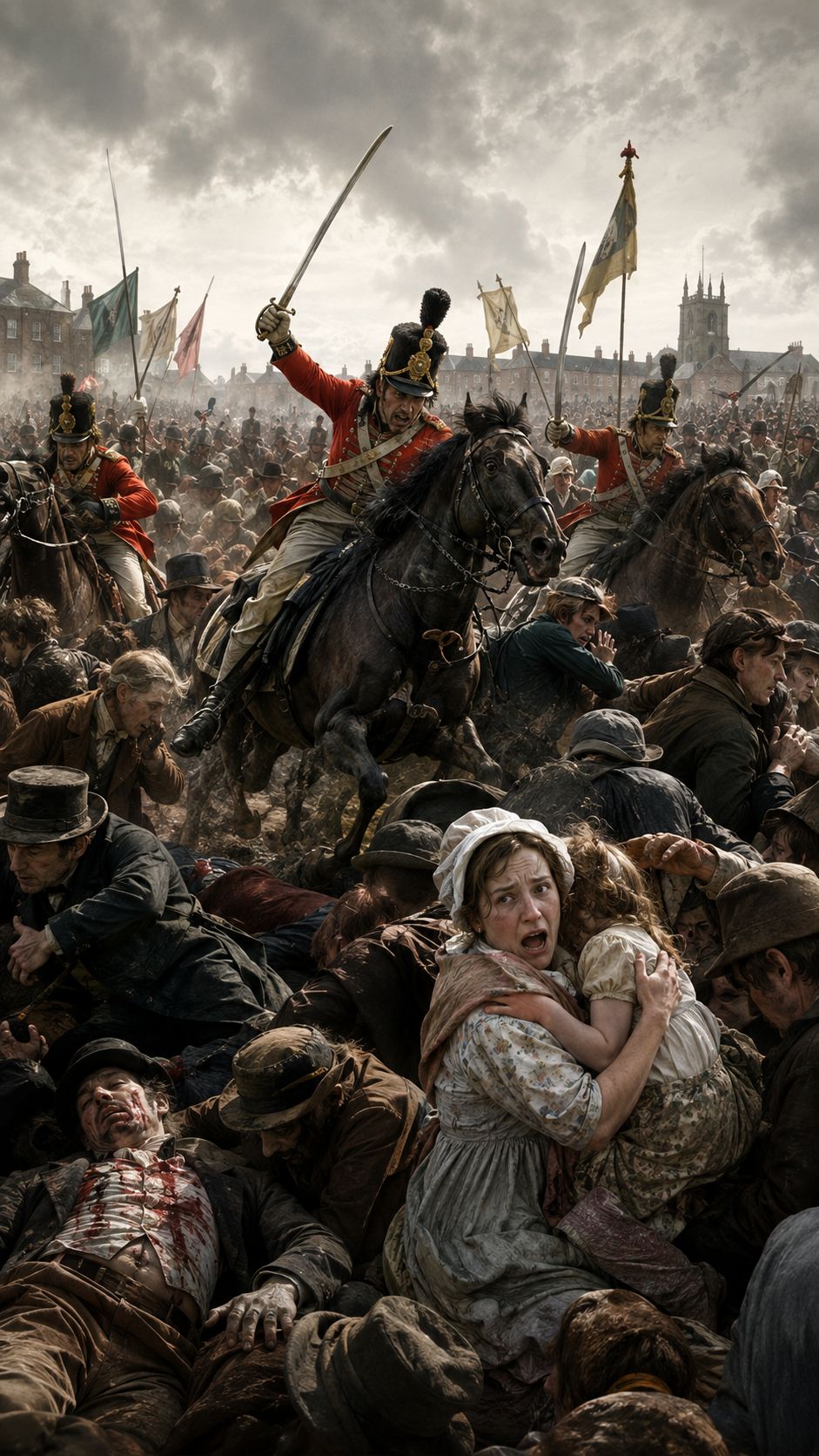 The Law Behind Reading The Riot Act
A phrase for a stern telling-off was once the legal warning before cavalry charged a crowd with sabres drawn.
Manchester, United Kingdom · 1819 · 6.5 km away
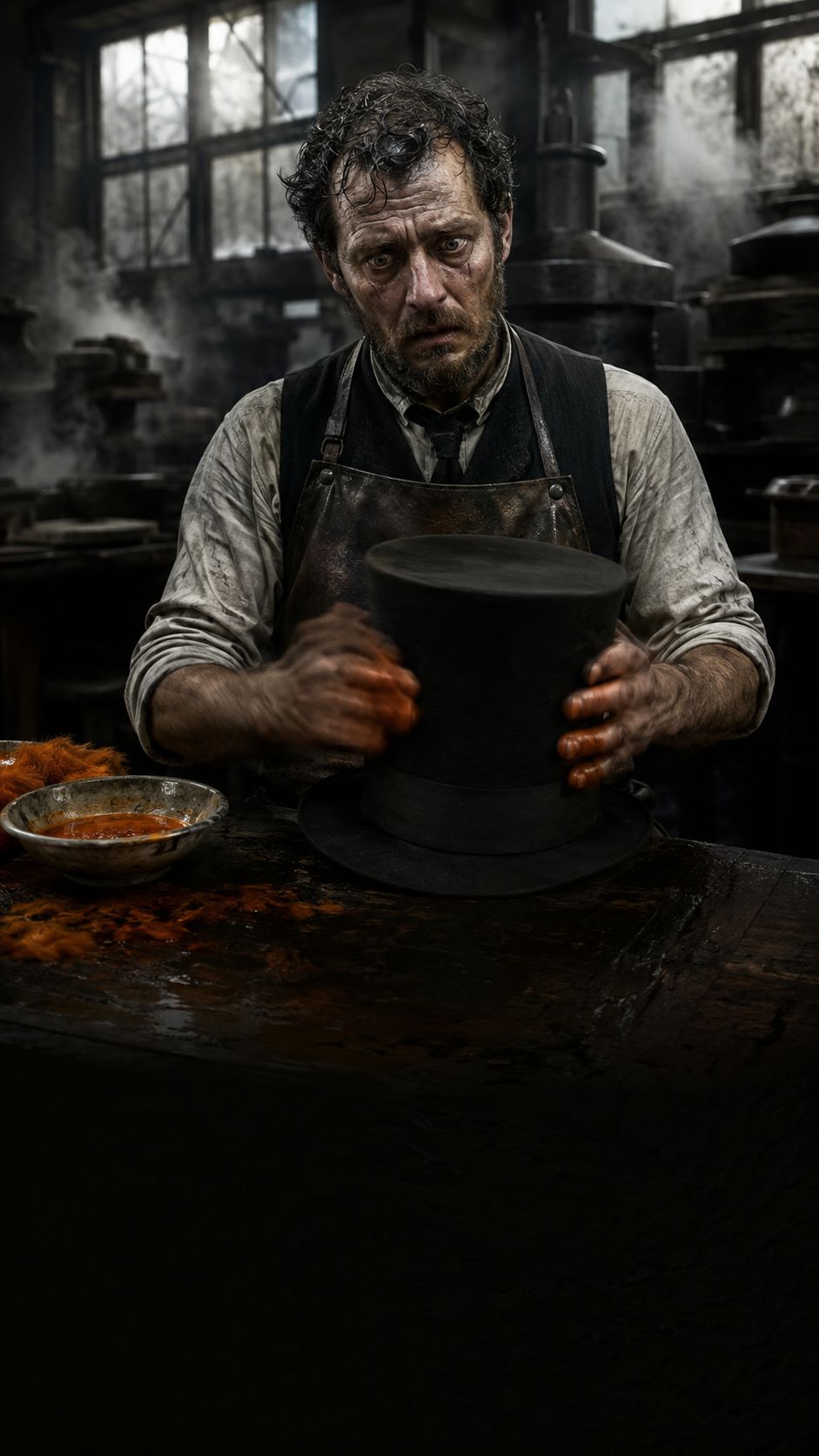 The Poison Behind The Mad Hatter
Generations of hatters were slowly poisoned by mercury, giving English a phrase before Lewis Carroll ever used it.
Stockport, United Kingdom · 1829 · 15 km away
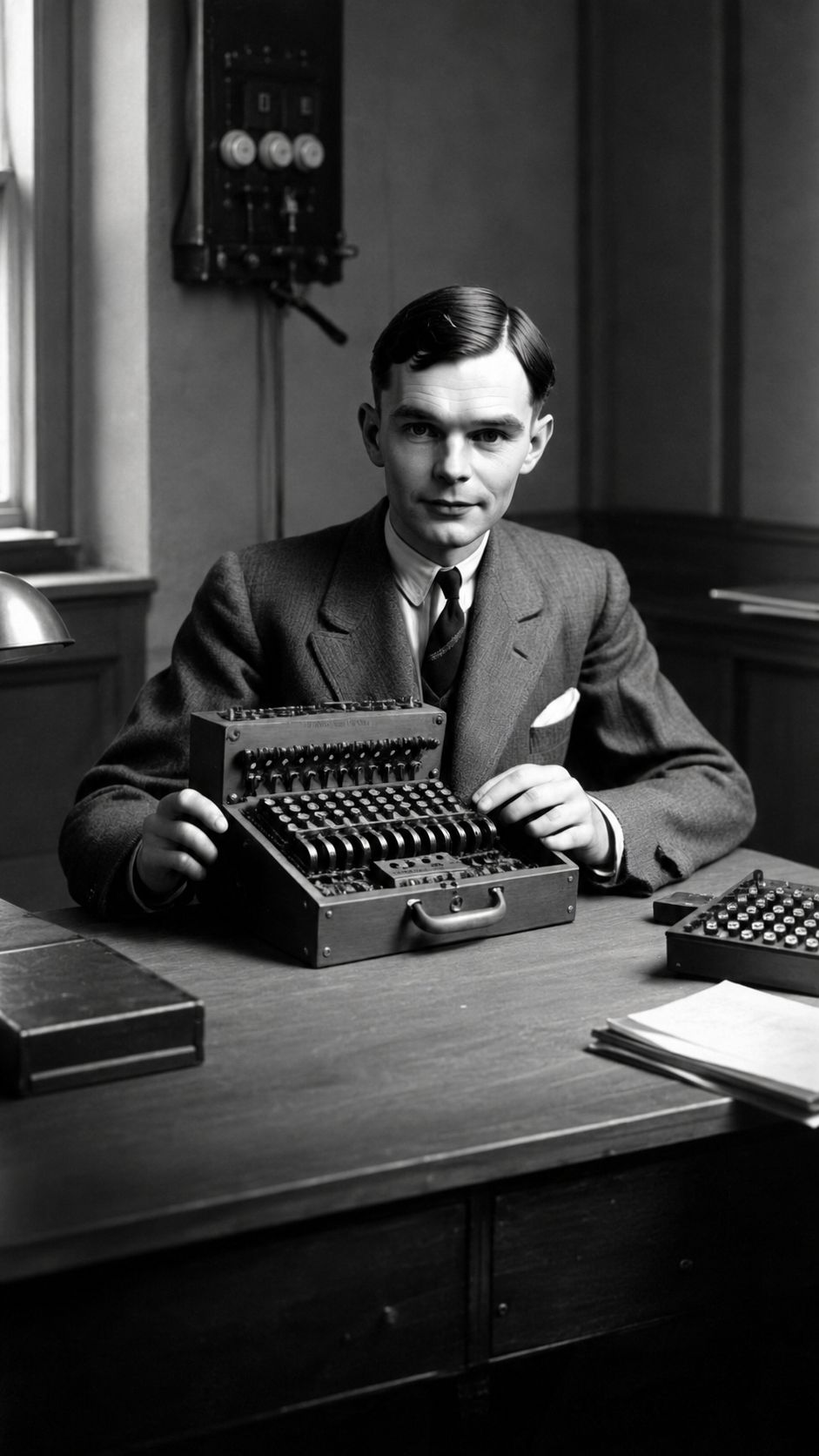 The Man Who Saved Britain And Was Destroyed By It
The mathematician who shortened the war was systematically destroyed by the country he had saved, and his death still isn't fully explained.
Wilmslow, United Kingdom · 1954 · 19 km away
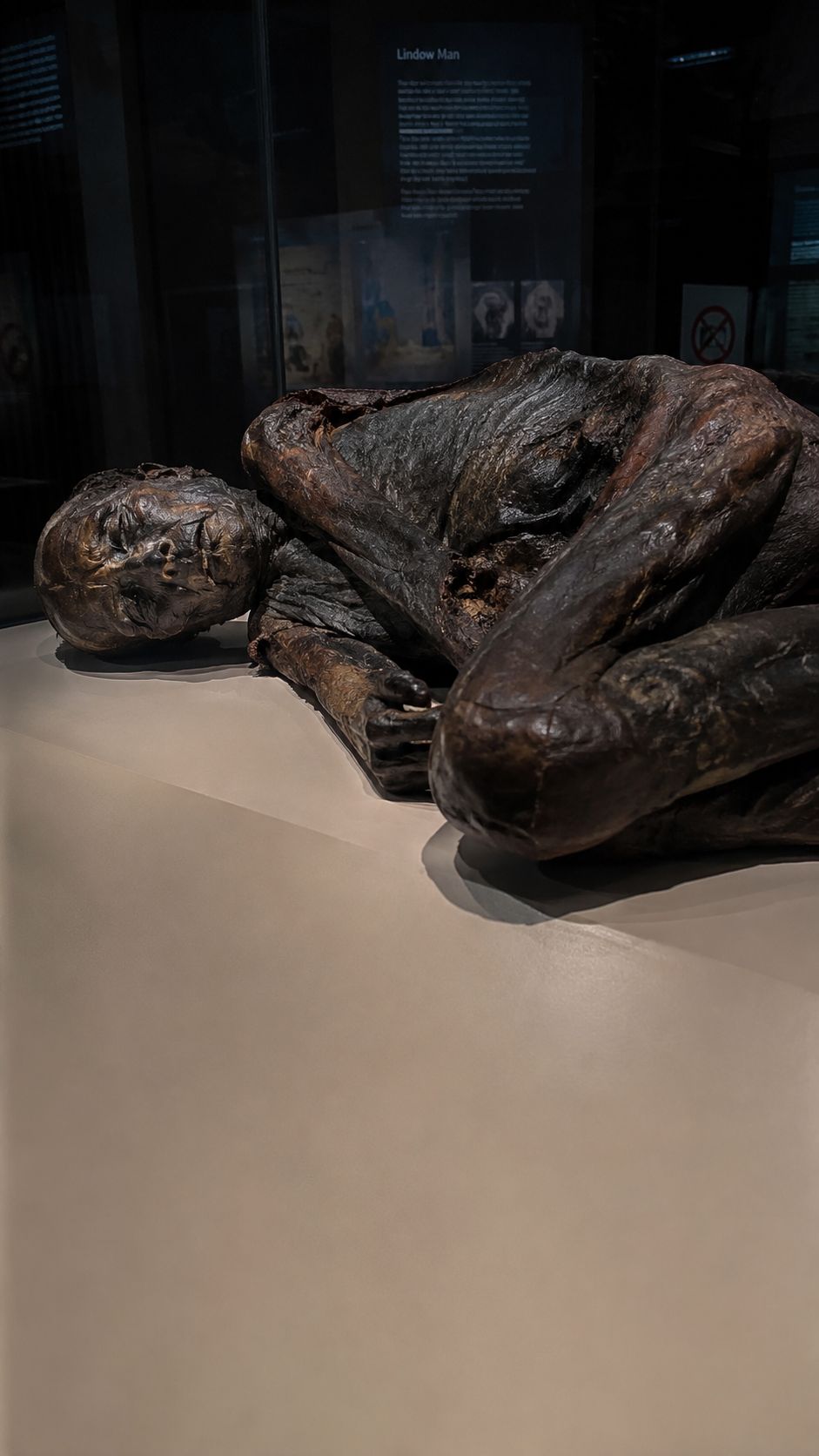 The Bog Body With Three Ways To Die
A 2,000-year-old body pulled from a Cheshire bog bore a smashed skull, a garrotte, and a slit throat.
Lindow Moss, Wilmslow, United Kingdom · 60 · 20 km away