In August 1984, a peat cutter working at Lindow Moss in Cheshire pulled something from the bog. He thought it was a chunk of waterlogged wood. It was a human leg.
The body that emerged was a man in his mid‑twenties, about 5’7”, well‑built. His beard and moustache were neatly trimmed. His fingernails were manicured. This was not a manual labourer worn down by farm work. He had been in the bog for roughly 2,000 years.
He was naked except for a fox‑fur armband.
The Horror
Three separate injuries could have killed him. First: a heavy blow to the top of the skull, hard enough to fracture the bone and drive a splinter into his brain. Second: a thin cord, probably of animal sinew, was tightened around his neck with such force that two cervical vertebrae cracked. Third: a blade cut his throat, severing the jugular vein.
Somebody killed Lindow Man several times over, in sequence, as if each blow were fulfilling a different requirement. A robber or an executioner needs to kill a man only once.
His last meal was analysed from his stomach and intestines. He had eaten unleavened bread made from wheat and barley, charred in the baking, along with seeds and traces of pollen. Among that pollen was mistletoe — a plant that ancient writers described as sacred to the Druids. Many archaeologists see its presence in his gut as some of the strongest physical evidence for ritual human sacrifice in Iron Age Britain. One influential interpretation suggests that the three methods — blow to the head, strangulation, and cutting the throat — symbolised offering him to earth, water, and air. Three deaths for three worlds.
He was laid face‑down in a pool in the bog. The cold, acidic, oxygen‑poor peat water tanned his skin, preserved his hair, softened his bones, and mummified his organs and fingernails for nearly two millennia. When they pulled him from the ground, the man who had been groomed and fed a special meal before being killed three times over looked like he had been there for weeks, not centuries.
The Modern Relic
Lindow Man is on permanent display at the British Museum in London, in the Iron Age gallery. You can stand in front of him. His skin is dark brown, leathery, compressed by the weight of centuries, but his face is still recognisably a face. His hands are still there. His fingernails are still neatly edged. The twisted cord that strangled him is still looped around his neck.
He is the oldest known murder victim in England whose cause of death can be reconstructed directly from his body. And yet nobody has ever been able to say with certainty whether he was a king, a priest, a condemned criminal, or a chosen sacrifice. The bog kept almost everything except his name — and his story beyond those last violent minutes.
Nearby on the Dark Atlas
 The Man Who Saved Britain And Was Destroyed By It
The mathematician who shortened the war was systematically destroyed by the country he had saved, and his death still isn't fully explained.
Wilmslow, United Kingdom · 1954 · 1.1 km away
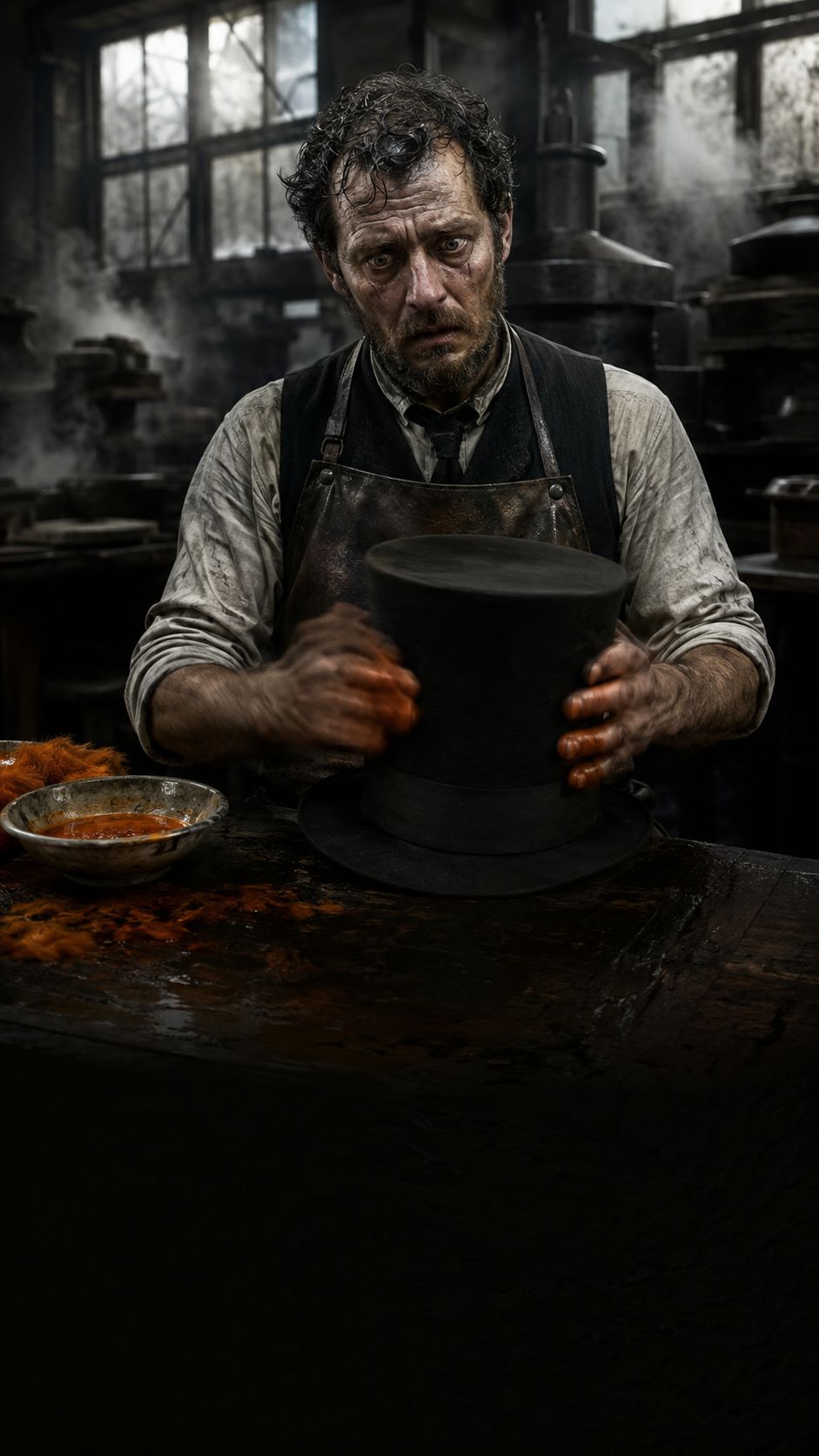 The Poison Behind The Mad Hatter
Generations of hatters were slowly poisoned by mercury, giving English a phrase before Lewis Carroll ever used it.
Stockport, United Kingdom · 1829 · 11 km away
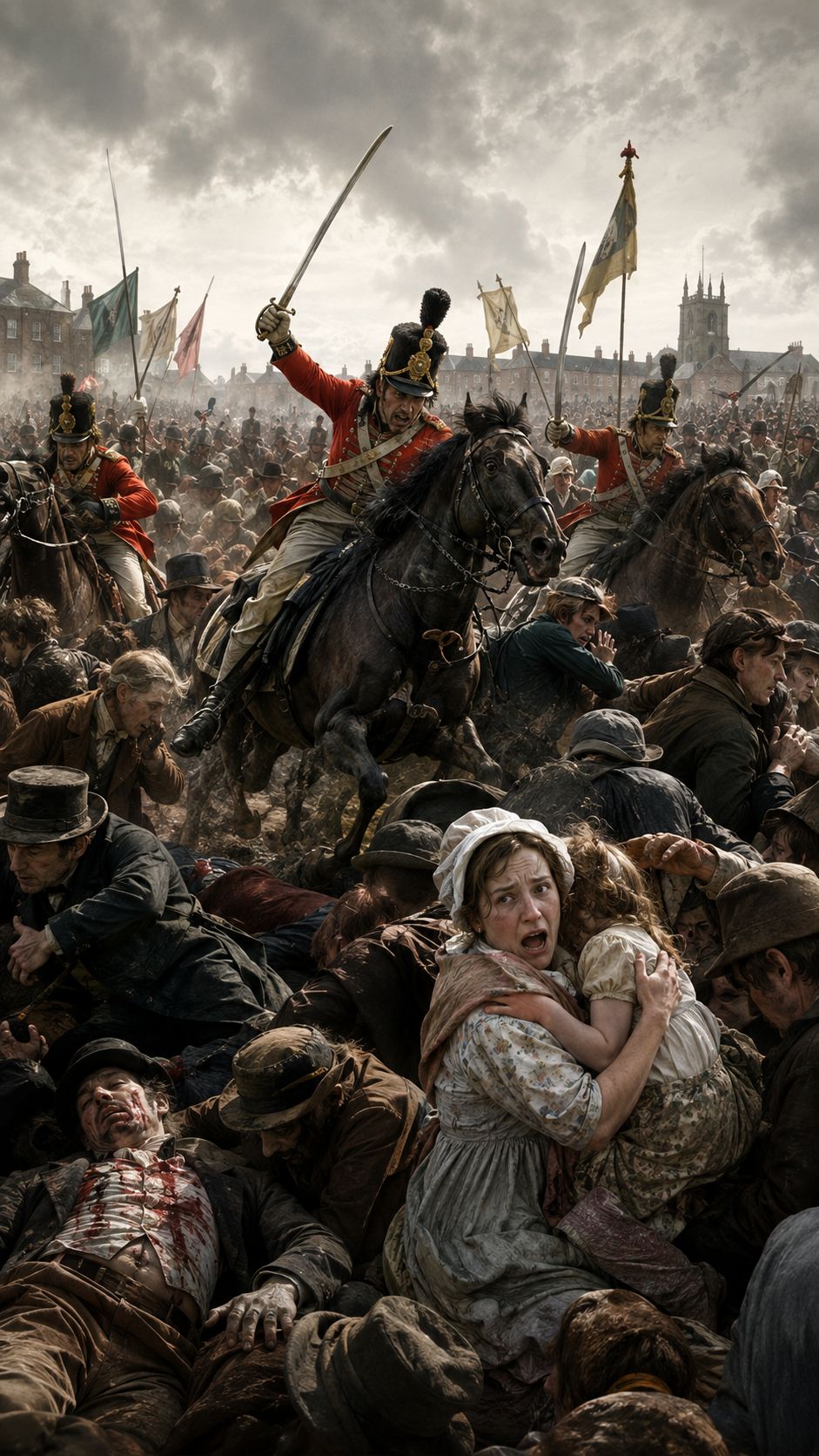 The Law Behind Reading The Riot Act
A phrase for a stern telling-off was once the legal warning before cavalry charged a crowd with sabres drawn.
Manchester, United Kingdom · 1819 · 18 km away
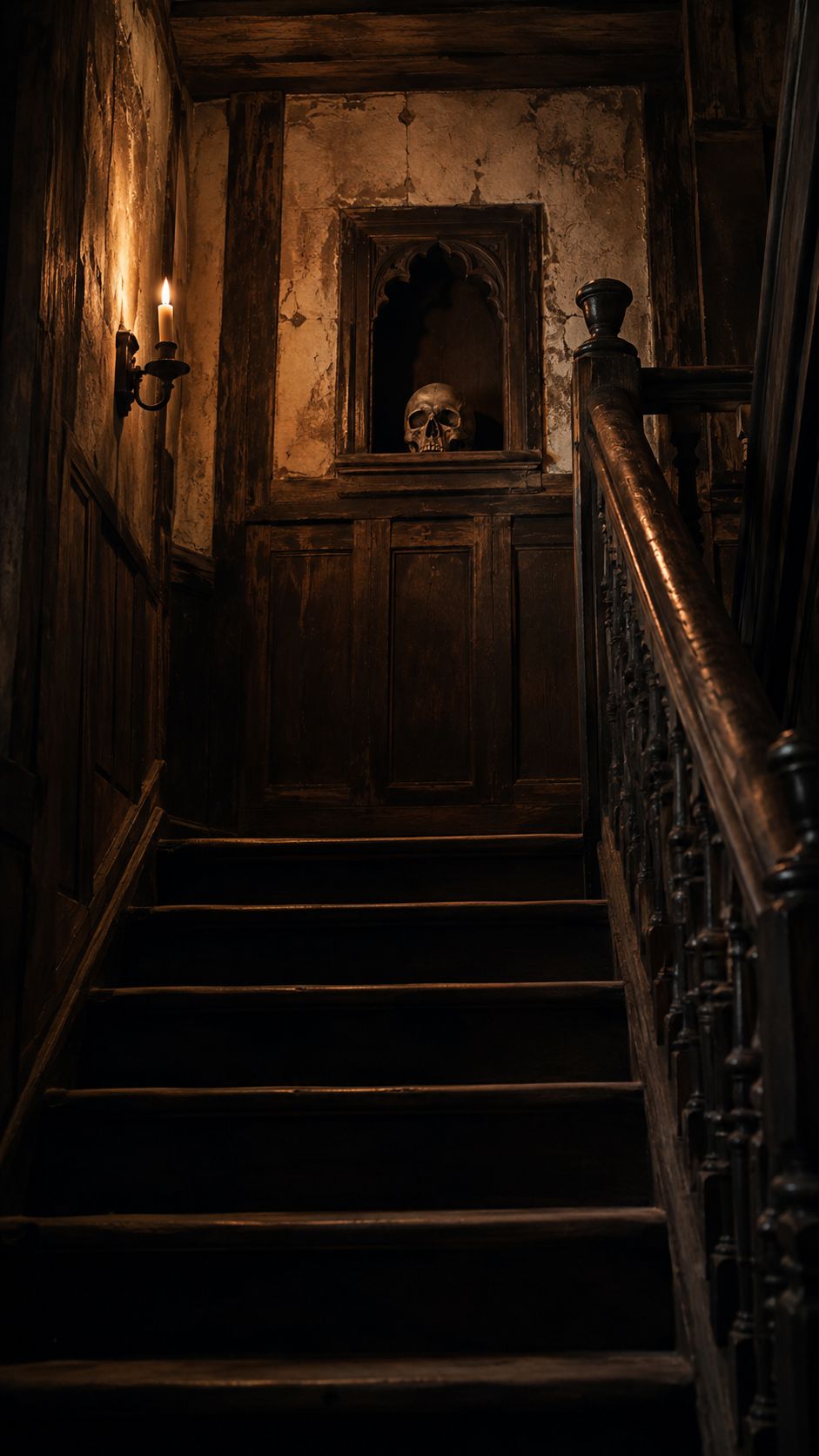 England's Screaming Skulls That Refuse To Leave
In old English houses, real human skulls are kept in niches and boxes because of one shared fear: remove them, and disaster follows.
Wardley Hall, Greater Manchester, United Kingdom · 1600 · 20 km away