You picture the Hatter from Alice in Wonderland: eccentric, talkative, trapped at an endless tea party.
But “mad as a hatter” has a far darker association.
For generations, people who made felt hats were exposed to mercury. The poison could leave them trembling, anxious, withdrawn, irritable, forgetful, and mentally unwell. Their own skilled trade could slowly damage their bodies and minds.
The illness was real.
It is called erethism, sometimes popularly known as “mad hatter’s disease.”
But there is one important caveat before the story begins: the exact linguistic origin of the phrase “mad as a hatter” is debated. The expression is strongly associated with mercury-poisoned hatters, and the occupational disease is well documented, but etymologists cannot prove with total certainty that mercury exposure alone created the phrase.
The dark history, however, is undeniable.
For centuries, fashionable felt hats were made from animal fur — often rabbit or beaver. To turn loose fur into dense, smooth felt, workers treated pelts with a solution of mercury nitrate.
The process was called carroting, because it stained the fur an orange colour.
Then came heat, steam, and enclosed workshops.
The Horror
Hatters handled and heated mercury-treated fur day after day. In poorly ventilated workrooms, mercury could vaporise and be inhaled. Over time, chronic exposure damaged the nervous system.
These were not simply workers getting dirty or tired.
They were being poisoned.
The illness produced the notorious “hatter’s shakes”: fine tremors that could worsen until a craftsman struggled with tasks requiring steady hands. Speech could become hesitant or slurred. Coordination could decline.
For people whose livelihood depended on precise manual skill, the cruelty was immense.
But the mental symptoms could be even more devastating.
Erethism could cause extreme shyness, anxiety, irritability, emotional instability, insomnia, memory difficulties, and paranoia. Severe mercury poisoning could also produce confusion, delusions, and hallucinations.
To outsiders, a poisoned hatter might appear strange, frightened, unpredictable, or “mad.”
No one needed an asylum diagnosis to see that something was wrong.
The worker who had once made elegant hats with patient, exact hands could become visibly unsteady, socially withdrawn, and psychologically distressed. His trade was not merely exhausting him.
It was changing him.
In major hat-making communities, the condition became infamous.
Danbury, Connecticut, was once called the “Hat City” or “Hat Capital of the World.” Mercury-related tremors among workers became known as the Danbury shakes.
The name sounds almost casual.
The reality was not.
The Modern Relic
The phrase “mad as a hatter” appeared in print by 1829 — decades before Lewis Carroll published Alice’s Adventures in Wonderland in 1865.
Carroll did not invent the phrase.
And his character in the original book is called simply the Hatter, not “the Mad Hatter.” That popular name came later.
Did Carroll deliberately base the Hatter on mercury poisoning?
No one can say for certain.
Some people have pointed to the Hatter’s odd behaviour as evidence. Others note that real victims of erethism were often anxious, timid, and withdrawn — unlike Carroll’s famously talkative and socially uninhibited character. Another traditional theory connects Carroll’s Hatter to Theophilus Carter, an eccentric Oxford furniture dealer known for wearing a top hat.
So it is safer not to claim that Carroll knowingly wrote a medical portrait of mercury poisoning.
But the phrase’s association with poisoned hatters was already part of the world in which he wrote.
And the workplace danger continued long after people understood it.
Mercury use in United States hat making was finally prohibited in 1941. By then, generations of workers had been exposed to a neurotoxin in the service of fashionable felt hats.
The phrase may have an uncertain etymology.
The disease does not.
“Mad as a hatter” points back to a real industrial horror: people made ill by the materials they worked with, then dismissed as eccentric, unstable, or insane.
The Hatter was never just a joke.
He was also a warning.
Nearby on the Dark Atlas
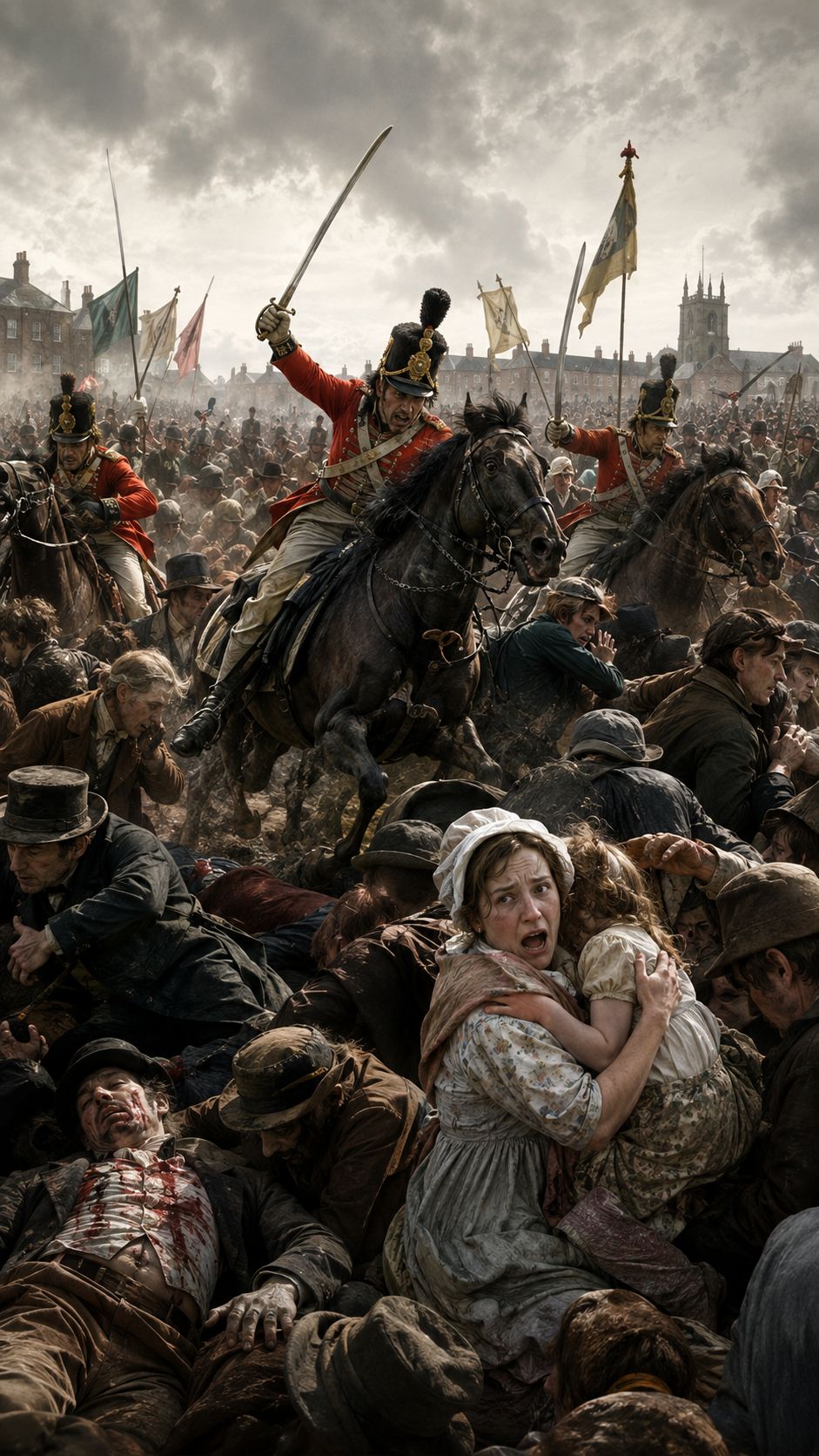 The Law Behind Reading The Riot Act
A phrase for a stern telling-off was once the legal warning before cavalry charged a crowd with sabres drawn.
Manchester, United Kingdom · 1819 · 10 km away
 The Man Who Saved Britain And Was Destroyed By It
The mathematician who shortened the war was systematically destroyed by the country he had saved, and his death still isn't fully explained.
Wilmslow, United Kingdom · 1954 · 10 km away
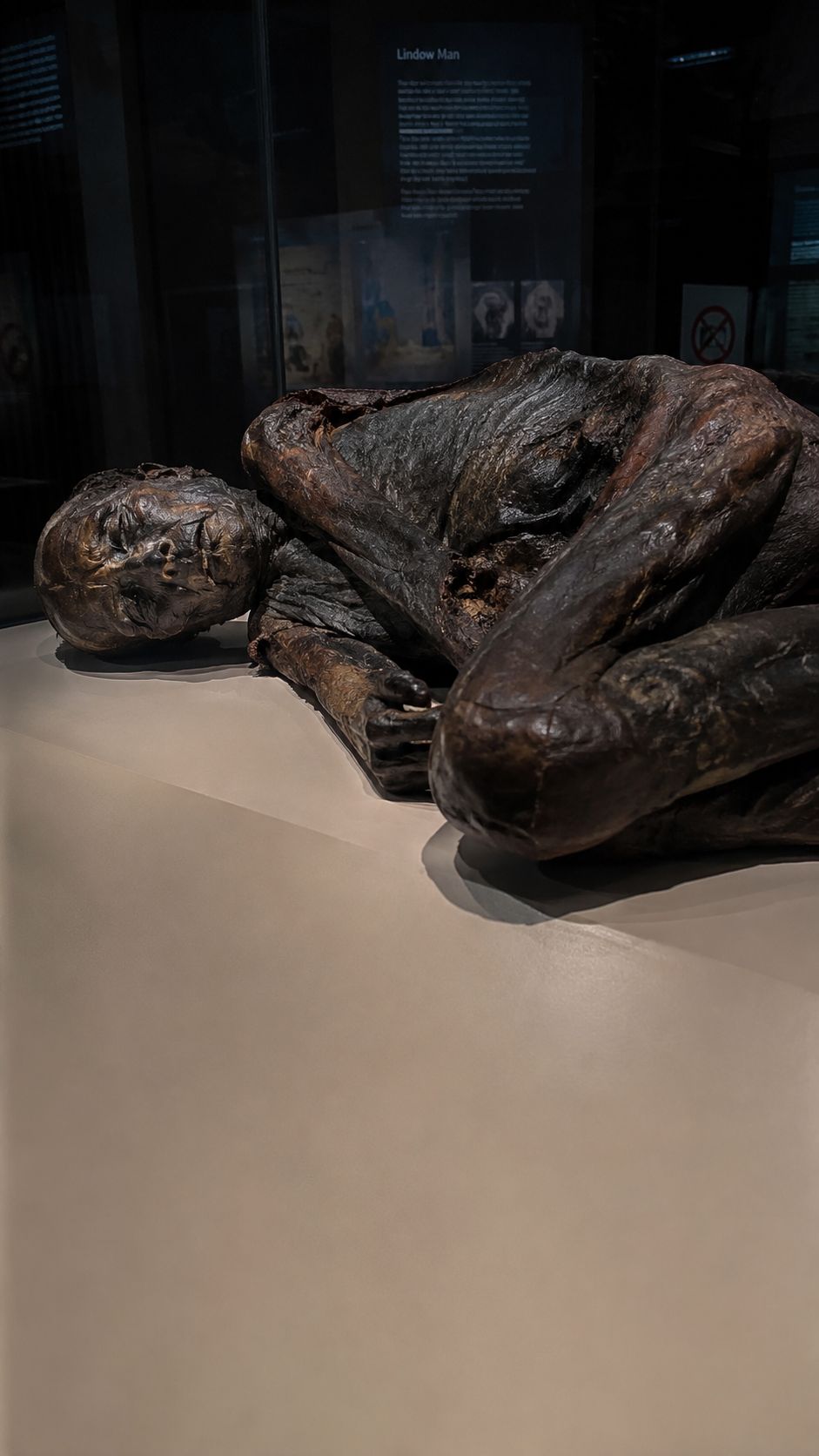 The Bog Body With Three Ways To Die
A 2,000-year-old body pulled from a Cheshire bog bore a smashed skull, a garrotte, and a slit throat.
Lindow Moss, Wilmslow, United Kingdom · 60 · 11 km away
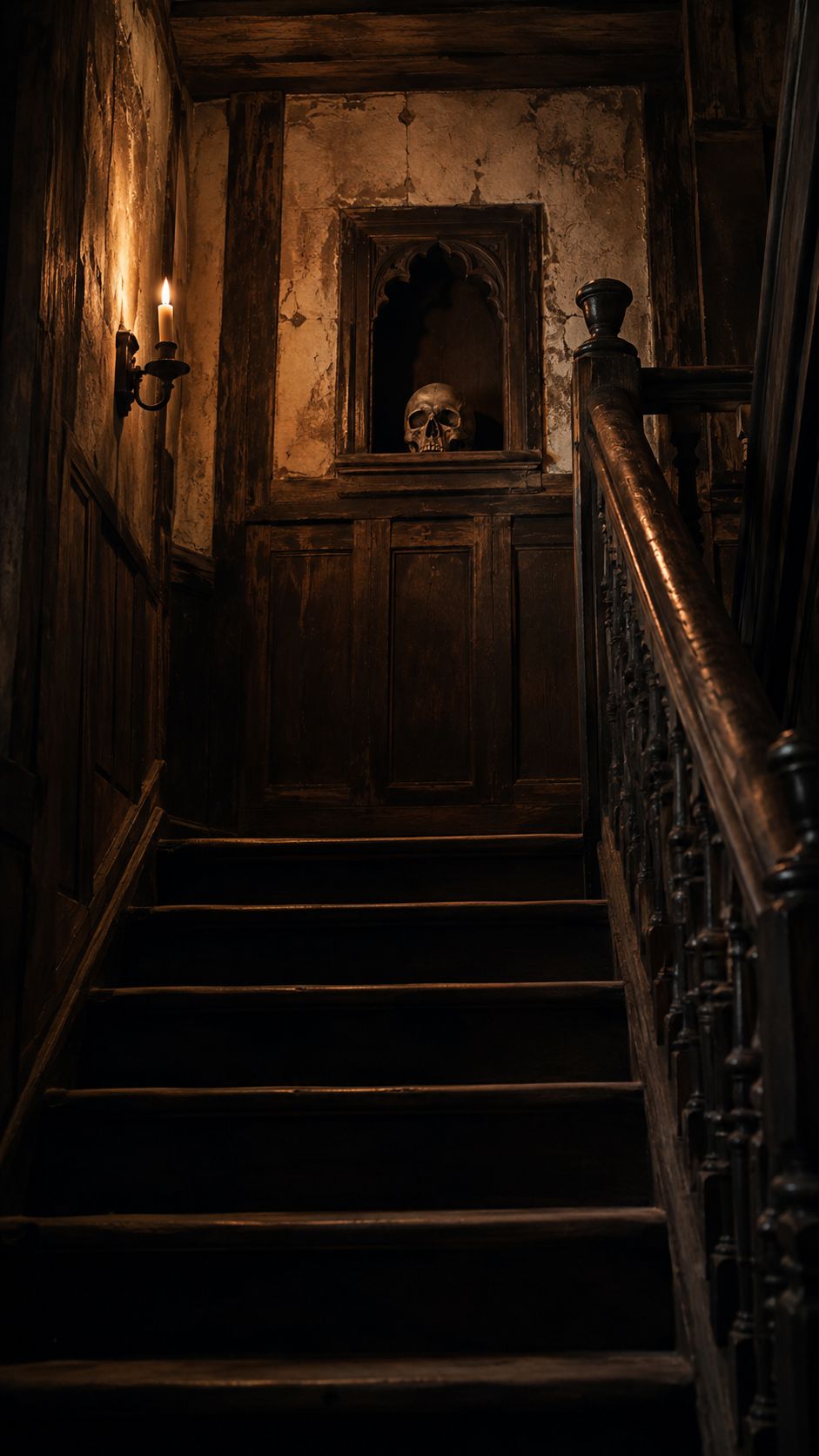 England's Screaming Skulls That Refuse To Leave
In old English houses, real human skulls are kept in niches and boxes because of one shared fear: remove them, and disaster follows.
Wardley Hall, Greater Manchester, United Kingdom · 1600 · 15 km away
More like this
- The Leper King's Story No Film Would Show
Kingdom of Heaven gave him a dignified death behind a silver mask, the truth was far crueller.
Jerusalem, Israel · 1185
- The Truth Behind The Elephant Man
The real man behind the famous film was quieter, stranger and far more heartbreaking than any screenplay.
Whitechapel, London, United Kingdom · 1890
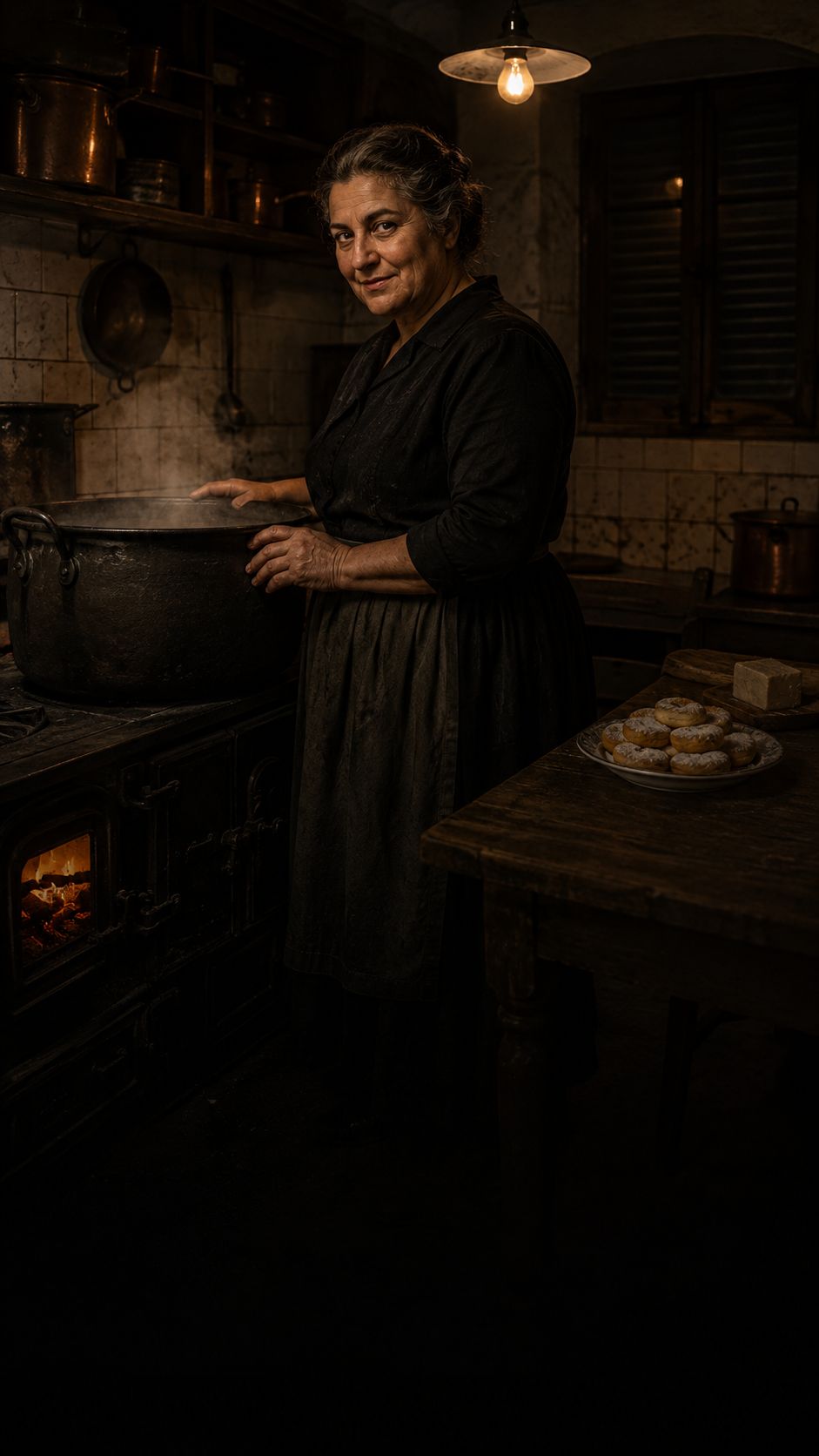 The Soap-Maker Who Murdered For Love
An Italian woman murdered three neighbours and turned their bodies into soap and teacakes, believing she was saving her son.
Correggio, Italy · 1940
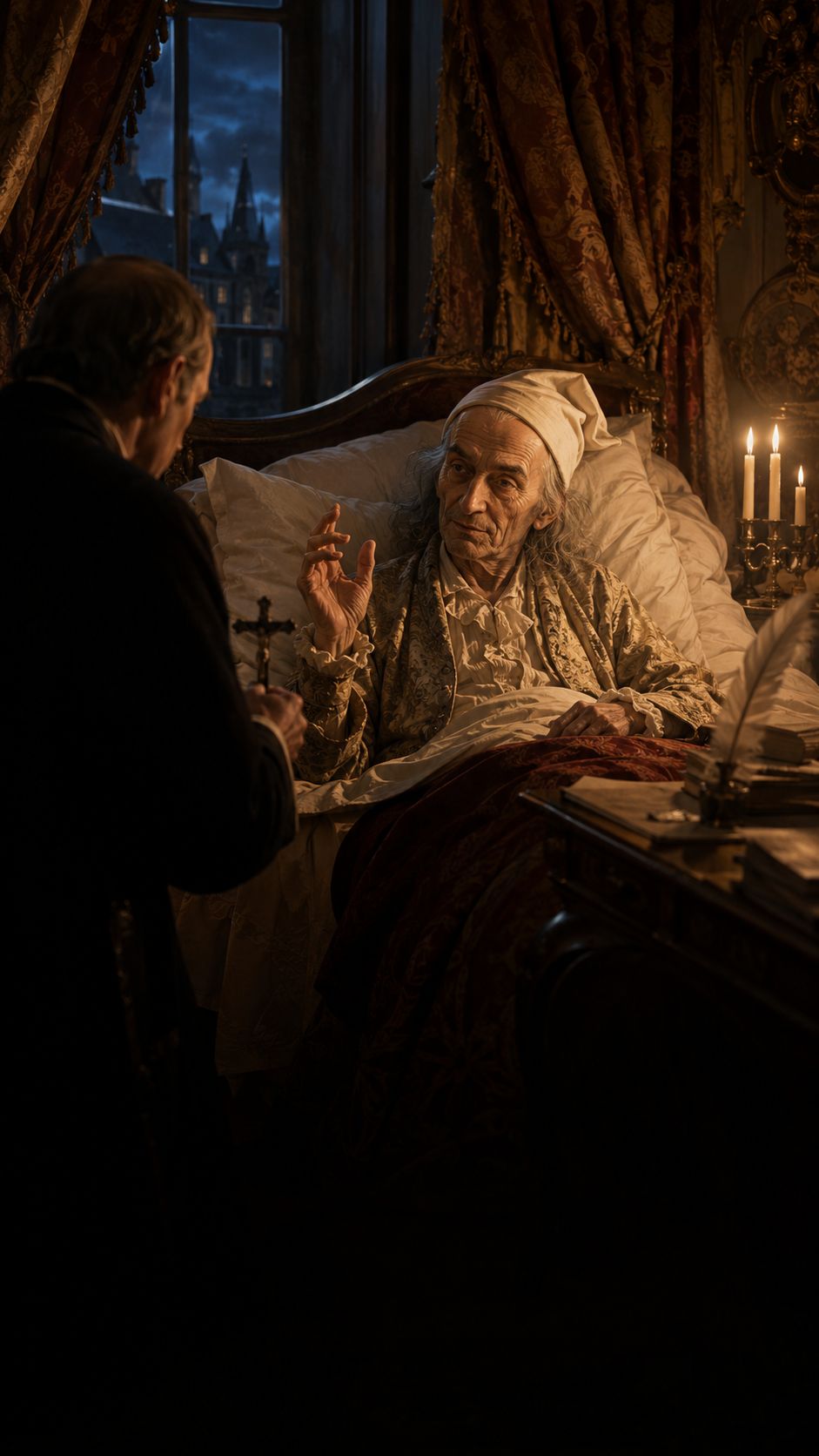 Voltaire's Final Battle With The Church
The Church tried to deny him a grave, but revolutionaries would carry his body to a hero's tomb thirteen years later.
Paris, France · 1778