By the early 19th century, Britain had a problem. The country was hooked on tea. What had begun as a luxury had become a daily necessity: tea in factories, tea at home, tea at every social visit. Demand was enormous and still rising.
China controlled the supply. And China did not want British goods.
The horror: paying for tea with drugs Britain imported vast quantities of tea, silk, and porcelain from China, but China bought very little from Britain in return. The trade imbalance had to be settled in silver. Silver poured out of Britain and its empire, threatening monetary stability and infuriating policymakers.
The East India Company found a solution. It expanded opium production in its Indian territories — particularly Bengal — and sold that opium into China via private and “country” traders, skirting Chinese bans. Chinese buyers paid in silver. That silver was then used to pay for tea exports to Britain.
Opium was the bridge across a trade gap: drugs out, silver back, tea in.
By the 1830s, millions of people in China were using opium, and addiction and social damage were widely reported. The Qing government saw revenue draining away and society being destabilised and moved to stop the trade.
In 1839, the emperor appointed Lin Zexu as imperial commissioner in Canton (Guangzhou) to crack down on opium. Lin ordered foreign merchants to surrender their stocks. He ultimately confiscated around 20,000 chests — roughly 2.6 million pounds — of opium and had it destroyed by mixing it with lime and seawater and dumping it near Humen.
Lin also drafted a long, sharply argued letter addressed to Queen Victoria. In it, he pointed out that Britain itself banned opium at home, that China supplied Britain with essential goods like tea, and asked why Britain insisted on selling a drug in China that it would not tolerate within its own borders. He asked, in essence: if foreigners pushed opium on your people, wouldn’t you be outraged?
Whether the letter ever reached Victoria is unclear; historians note no direct reply. Britain replied in another way.
It sent warships.
War for trade The First Opium War began in 1839. British naval power and modern weaponry quickly overmatched Qing coastal forces and river defences. Fighting and negotiations led to the Treaty of Nanjing in 1842. Under its terms, China paid a large indemnity in silver, opened five treaty ports to British trade, granted extraterritorial rights, and ceded Hong Kong Island to Britain. The treaty said nothing explicit about opium; it simply rearranged the trade system that opium had already warped.
The opium traffic continued.
Tensions and incidents — including the boarding of the ship Arrow — led to renewed conflict in 1856. The Second Opium War (also known as the Arrow War) saw Britain joined by France. The war ended with further treaties in 1858 and 1860 that opened more ports, legalised the opium trade, expanded foreign privileges, and culminated in the joint British-French looting and burning of the Old Summer Palace in Beijing.
Tea kept flowing to Britain. Opium kept flowing into China.
The modern relic: tea on a drug pipeline Today, Britain is often said to drink on the order of 100 million cups of tea a day; tea remains a national ritual, from builders’ brews to afternoon tea services. The habit feels harmless, even comforting.
The trade system that entrenched that habit in the 18th and 19th centuries rested on an opium pipeline run through British-ruled India into Qing China, defended at cannon-point when Chinese officials tried to shut it down. Hong Kong became a British colony as part of this process and remained so until it was handed back to China in 1997.
Lin Zexu, the commissioner who seized and destroyed opium and wrote his unanswered appeal to Victoria, is now commemorated with statues and memorials in China and abroad. His letter survives in archives and textbooks; his argument — that a state should not export a substance it forbids its own people — still reads like a moral challenge.
The kettle boils. The tea is poured. Sugar swirls in the cup. Few people think about the Indian poppy fields, the opium hulks at Canton, or the charred ruins of a Beijing palace when they reach for a teabag. The comforting ritual at the heart of British life rides on the memory of what was, at its peak, one of the largest state-backed drug operations in history.
Nearby on the Dark Atlas
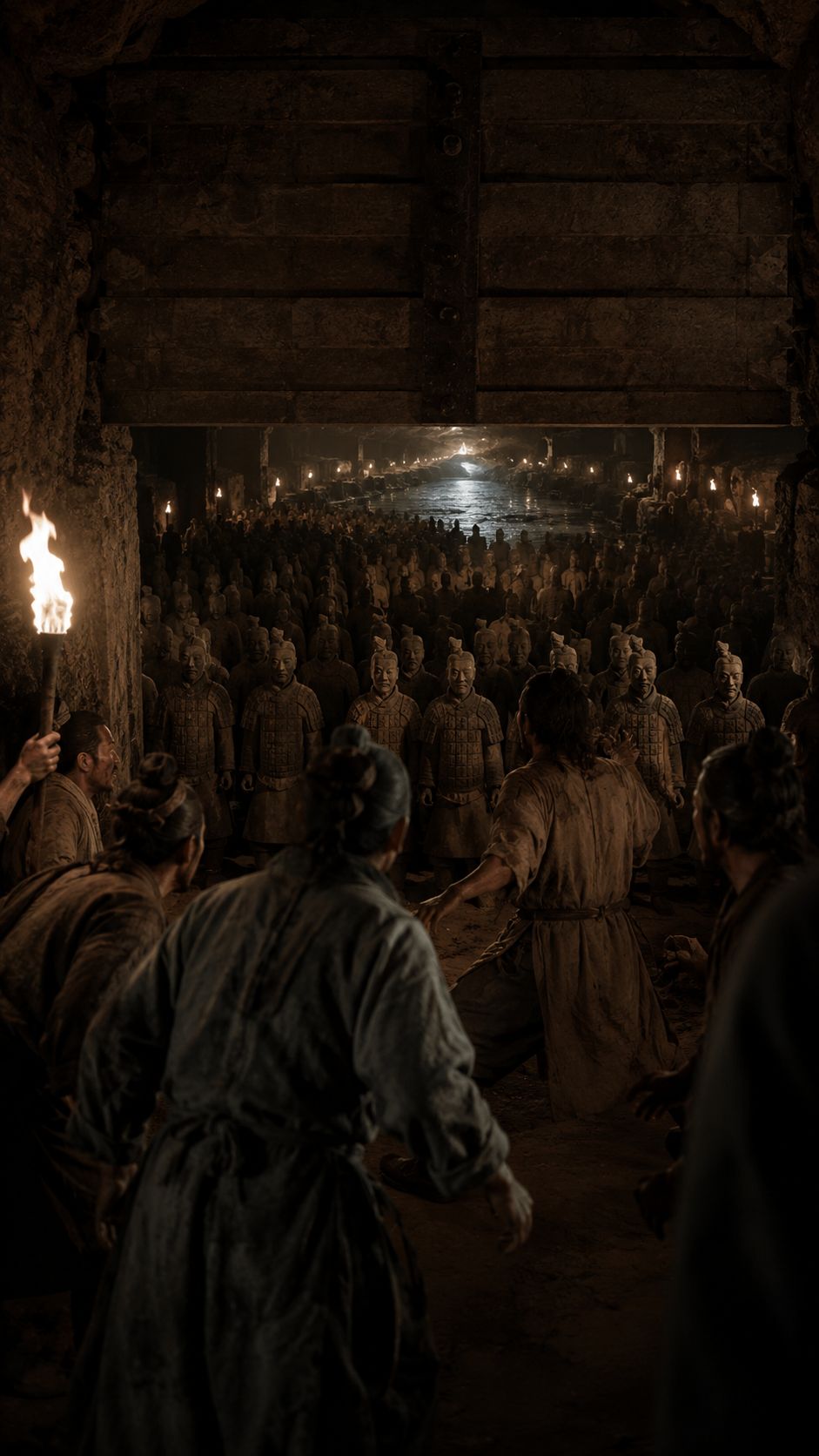 The Buried Army Guarding A Still-Sealed Tomb
Farmers digging a well uncovered thousands of clay soldiers guarding a tomb that has stayed sealed for over two thousand years.
Xi'an, China · 210 BC · 1310 km away
- The Explorer Who Died On A Foreign Beach
He'd already crossed a continent no one believed existed — then was abandoned by his own men.
Mactan Island, Philippines · 1521 · 1822 km away
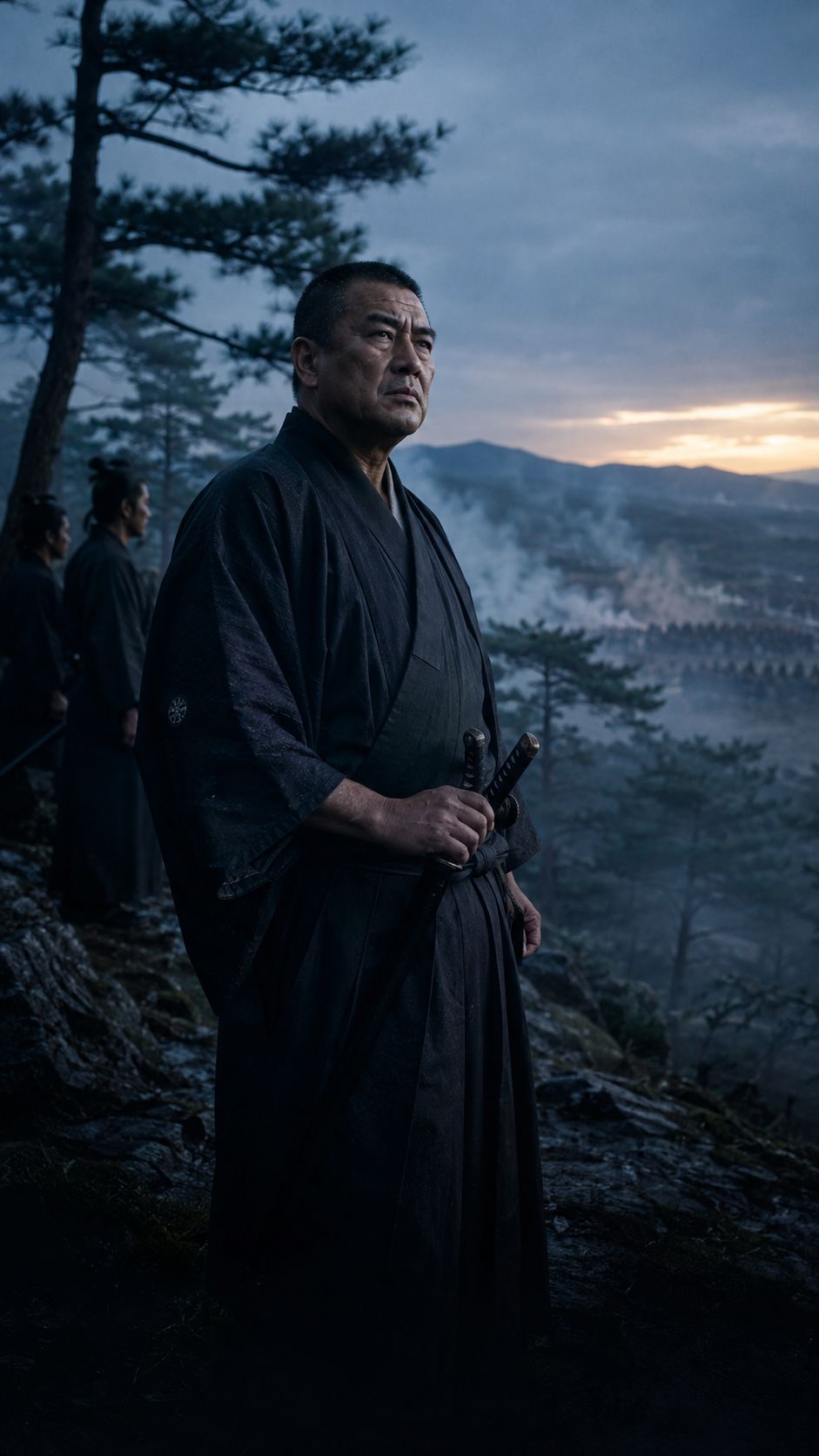 The Real Last Samurai's Tragic Rebellion
The man who helped build modern Japan died a rebel, destroyed by the very nation he created.
Kagoshima, Japan · 1877 · 1946 km away
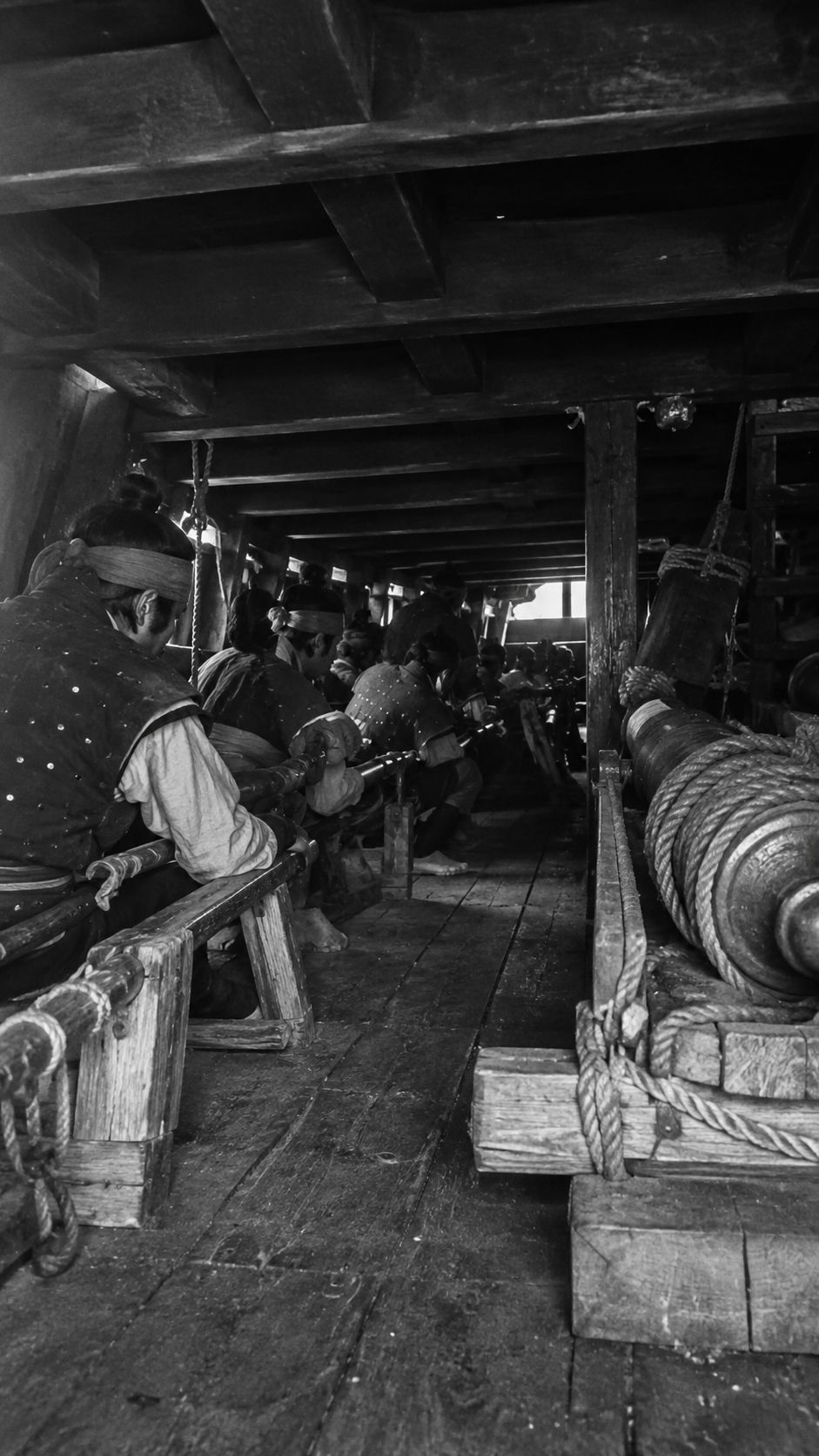 The Crane's Wing That Crushed a Fleet
A decoy fleet lured Japanese warships into open water, straight into a U-shaped trap that sealed their fate.
Hansan Island, South Korea · 1592 · 1962 km away