
In the summer of 1592, Japan’s invasion of Korea was going well on land. Toyotomi Hideyoshi’s armies were pushing north toward Seoul. All they needed was to secure the sea lanes to supply them.
Admiral Yi Sun-sin had other plans.
The Horror
On 15 August 1592, Yi’s scouts located a Japanese fleet sheltering in the narrow waters around Hansan Island. The Gyeonnaeryang Strait was too tight — his heavier warships couldn’t manoeuvre there. So he sent a small decoy force forward. The Japanese took the bait and followed them out into open water off Hansan.
That was the last decision Wakizaka Yasuharu made freely that day.
Yi deployed the “crane’s wing” formation — a U‑shaped envelopment that wrapped around the Japanese fleet on three sides. His ships could bring their cannons to bear from multiple angles. The Japanese, whose strength lay in boarding actions, were held at range. They couldn’t close, and they couldn’t manoeuvre in the trap.
The turtle ships — low, armoured warships with spiked roofs that made boarding suicidal, and dragon‑headed prows that belched smoke to disorient the enemy — drove straight into the Japanese formations at full speed, firing in every direction.
By the end of the day, at least dozens of Japanese ships had been destroyed or captured, while Yi’s losses were minimal — often given as 19 dead and around a hundred wounded. Wakizaka barely escaped with his life. The sea lanes to the Japanese land armies were severed. The invasion stalled and never fully recovered.
Yi Sun-sin went on to win 23 consecutive naval engagements without a single defeat. Historians have compared him to Horatio Nelson. Nelson got a column in Trafalgar Square. Yi Sun-sin has a towering bronze statue in central Seoul, four centuries after his death.
The Modern Relic
Hansan Island is now part of Hallyeohaesang National Marine Park off South Korea’s southern coast. The Jeseungdang shrine — Yi’s command post on the island — still stands. The straits where he lured the Japanese fleet and closed the crane’s wings are exactly as narrow as they were in 1592.
Nearby on the Dark Atlas
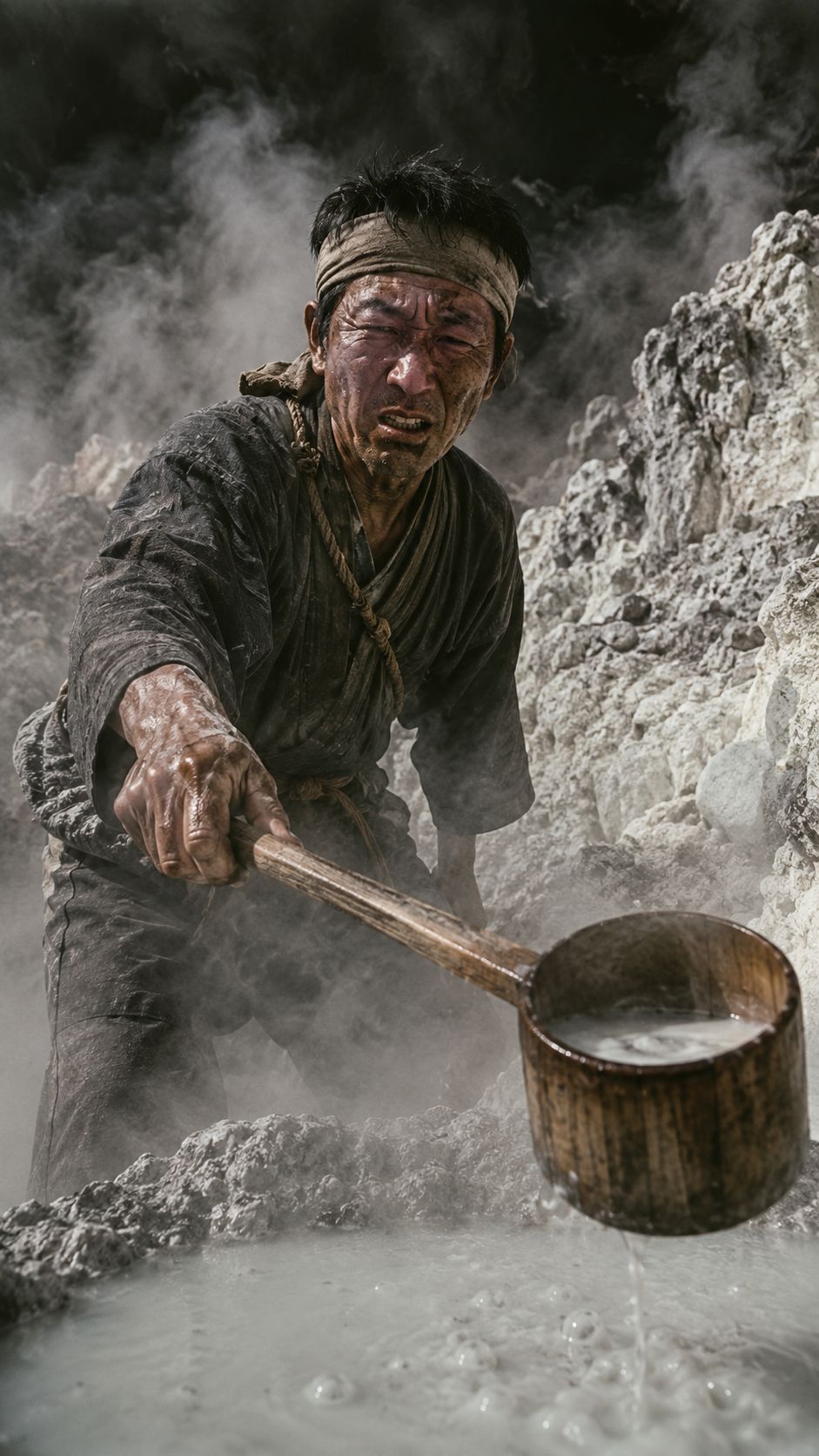 Boiled Alive on Unzen's Sulfur Mountain
Christians who refused to trample a holy image were stripped and doused with boiling spring water on a steaming mountain.
Unzen, Japan · 1630 · 277 km away
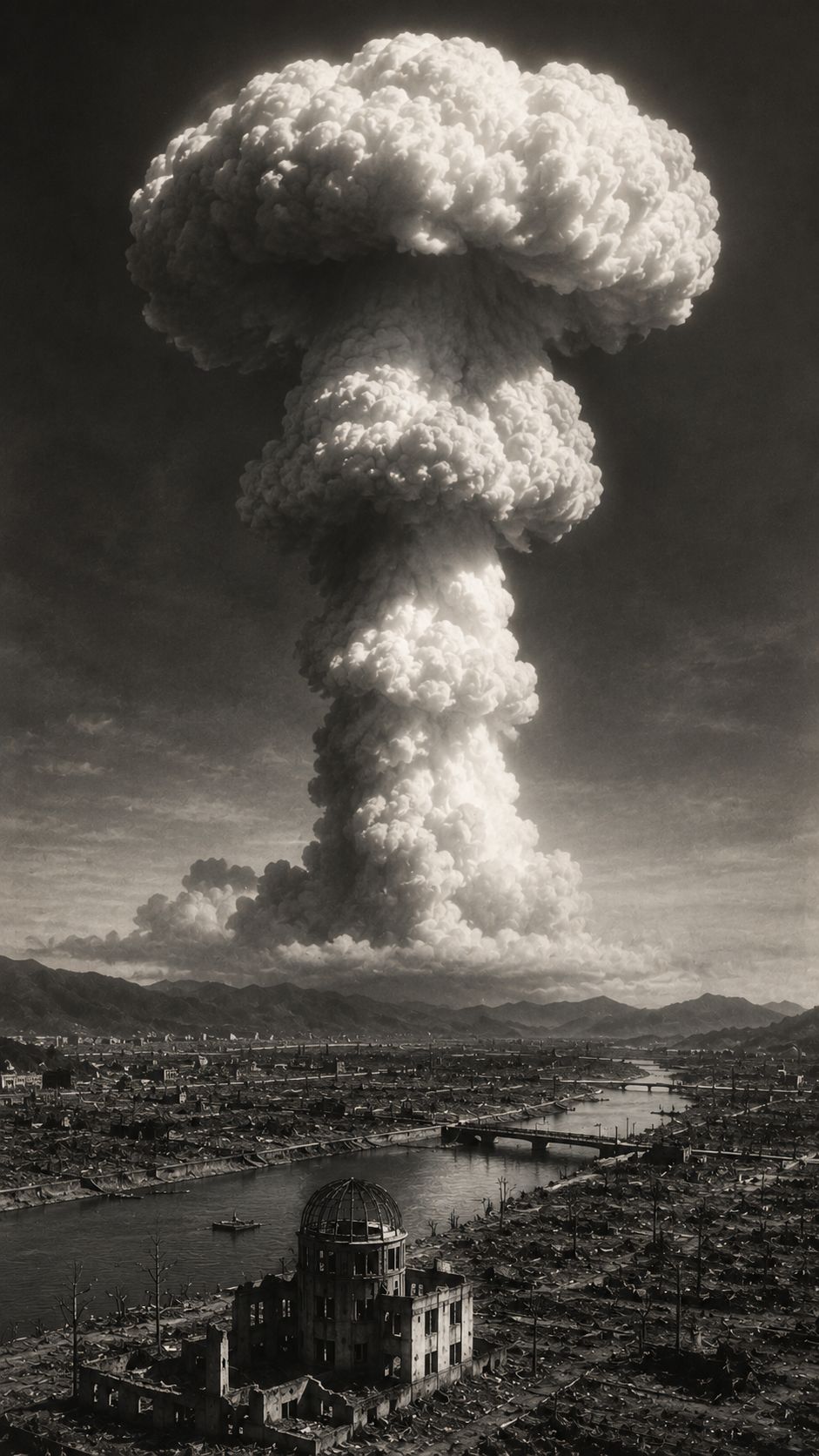 The Shadow Burned Into The Steps
In less than a second, a bank's granite steps bleach white everywhere except where one person happened to be sitting.
Hiroshima, Japan · 1945 · 365 km away
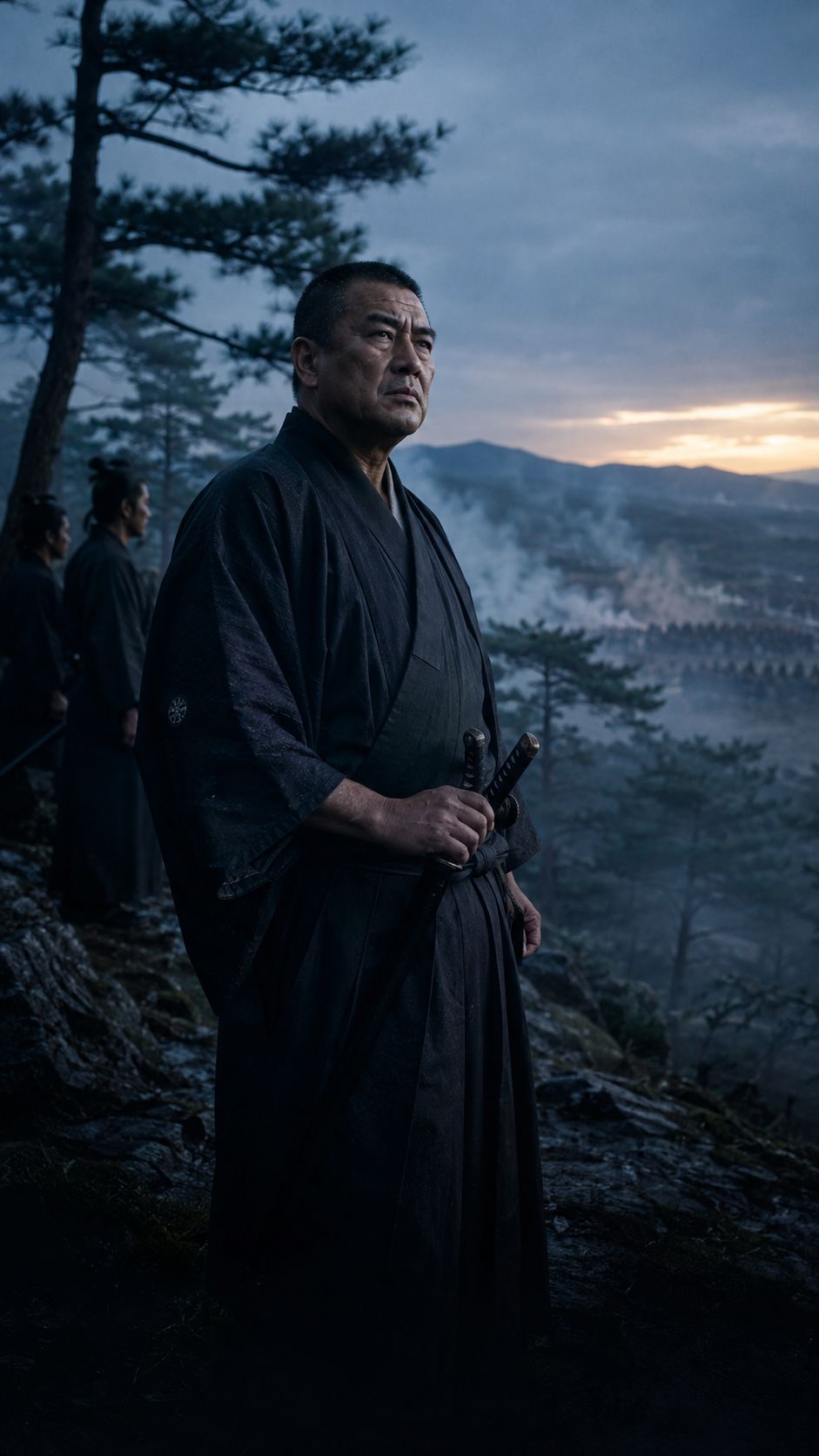 The Real Last Samurai's Tragic Rebellion
The man who helped build modern Japan died a rebel, destroyed by the very nation he created.
Kagoshima, Japan · 1877 · 400 km away
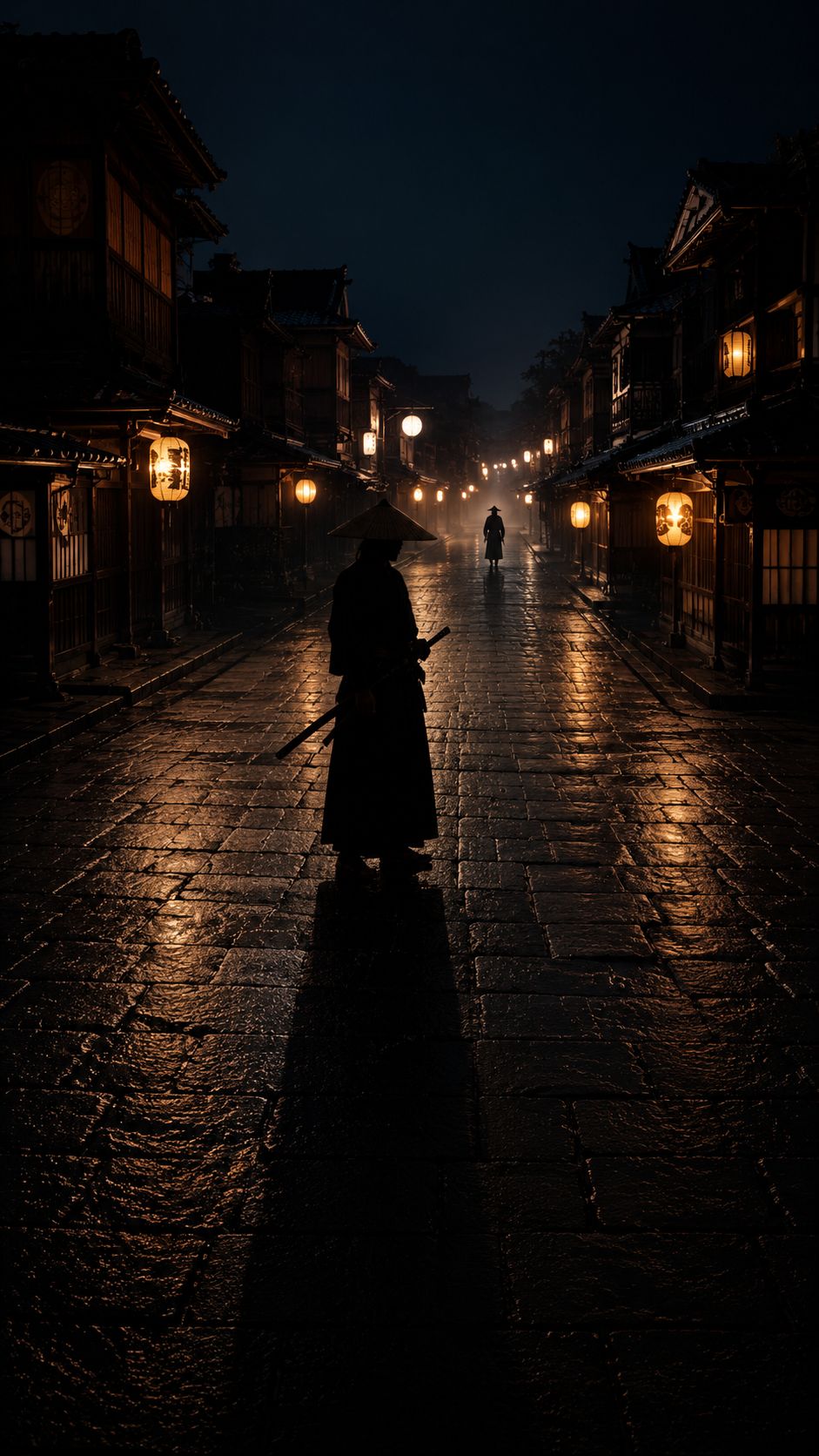 The Samurai Who Tested Swords On Strangers
Japanese swordsmen once tested new blades by cutting down unsuspecting passersby at night, until the shogunate finally banned it.
Edo, Japan · 1602 · 1018 km away