
On 14th March 1757, Admiral John Byng walked onto the quarterdeck of HMS Monarch in full dress uniform — light grey coat, white breeches, a large white wig. His coffin was already on board. The brass plate was already engraved: “The Hon. John Byng, died March 14th 1757.”
He was 52. He had served in the Royal Navy for nearly forty years. He was about to be shot by his own marines for the crime of “failing to do his utmost.”
The Horror
The previous year, Byng had been ordered to sail to Minorca, a British possession under French attack in the opening phase of the Seven Years’ War. He was given an undermanned squadron, poorly prepared ships, and no time to refit or train. Off Minorca he fought an inconclusive action with the French fleet, judged that his damaged ships could not risk another engagement, and withdrew to Gibraltar.
Minorca fell. Britain was humiliated. The government needed a scapegoat.
On his return, Byng was arrested and court‑martialled under the recently tightened 12th Article of War, which mandated death for any officer who did not “do his utmost” against the enemy. The court acquitted him of cowardice and treachery but found him guilty of not having done his utmost to relieve the island. Bound by the statute, they had no choice but to pass a death sentence — but they unanimously recommended mercy, stating that they did not believe he deserved to die.
The recommendation went to King George II. He refused to intervene.
At noon on 14th March, the ships at Spithead sent their boats. Captains and officers from the entire fleet came aboard Monarch to watch. Nine Royal Marines in scarlet stood in three ranks of three; the rear rank held their muskets in reserve.
On the quarterdeck, a green cushion was placed next to a heap of sawdust, sodden from the morning’s rain.
Byng had initially refused a blindfold. Friends persuaded him that it would be kinder to the firing party if they did not have to look him in the face. He agreed, for their sake, not his.
The Evening Post described him coming out onto the deck “with a stately pace and a composed countenance.” He knelt on the cushion. With his own hands, he tied the blindfold around his eyes. In his right hand he held a neatly folded white handkerchief.
He stayed like that for a long moment — upright, blindfolded, silent. Then he let the handkerchief fall.
Six marines fired. Byng fell onto his side. He was dead. He was the first and last British admiral executed by court martial.
His family had his body returned to Bedfordshire. His tombstone, in All Saints’ Church, Southill, describes him as “A MARTYR to POLITICAL PERSECUTION.”
Two years later, in 1759, Voltaire published Candide. In one chapter, the title character arrives in Portsmouth and sees an admiral being shot on the deck of his own ship. When Candide asks why, a gentleman explains:
“Dans ce pays‑ci, il est bon de tuer de temps en temps un amiral pour encourager les autres.” — “In this country it is found good, from time to time, to kill an admiral, to encourage the others.”
That single sentence turned an execution into an idiom. Today, “pour encourager les autres” is still quoted in English and French whenever a power punishes someone publicly as an example. Most people who use it have no idea it comes from a man kneeling on a wet cushion on his own quarterdeck, dropping a handkerchief because his government could not admit it had sent him to fail.
The Modern Relic
John Byng is buried in the family vault at All Saints’ Church, Southill, in Bedfordshire. The church still notes him as “martyred in 1757.”
Every year around the anniversary of his death, bells are rung in the village; local groups keep his story alive and campaign for his formal exoneration. As recently as the 2000s, MPs raised his case in Parliament and relatives petitioned the Ministry of Defence for a posthumous pardon. The answer was no.
On paper, Admiral Byng is still guilty of not trying hard enough. The bells still ring. The sentence still stands.
Nearby on the Dark Atlas
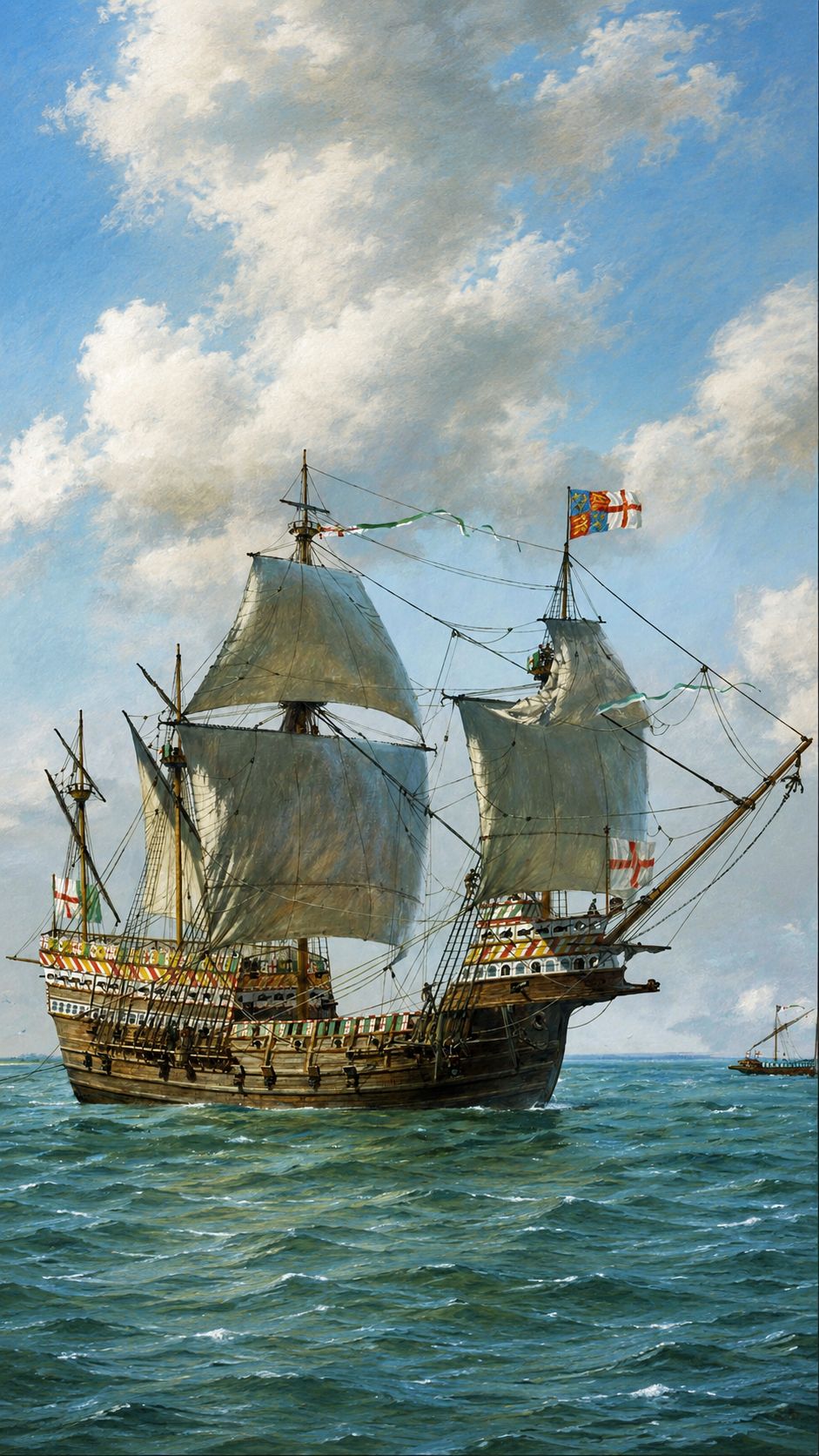 The Warship That Sank Before The King's Eyes
Henry VIII watched his flagship heel over and vanish beneath the waves in under a minute, taking hundreds of trapped men with her.
The Solent, Portsmouth, United Kingdom · 1545 · 6.3 km away
 Beheaded For A Single Night's Shelter
An elderly gentlewoman was condemned to burn alive for the crime of giving fugitives a bed for one night.
Winchester, United Kingdom · 1685 · 32 km away
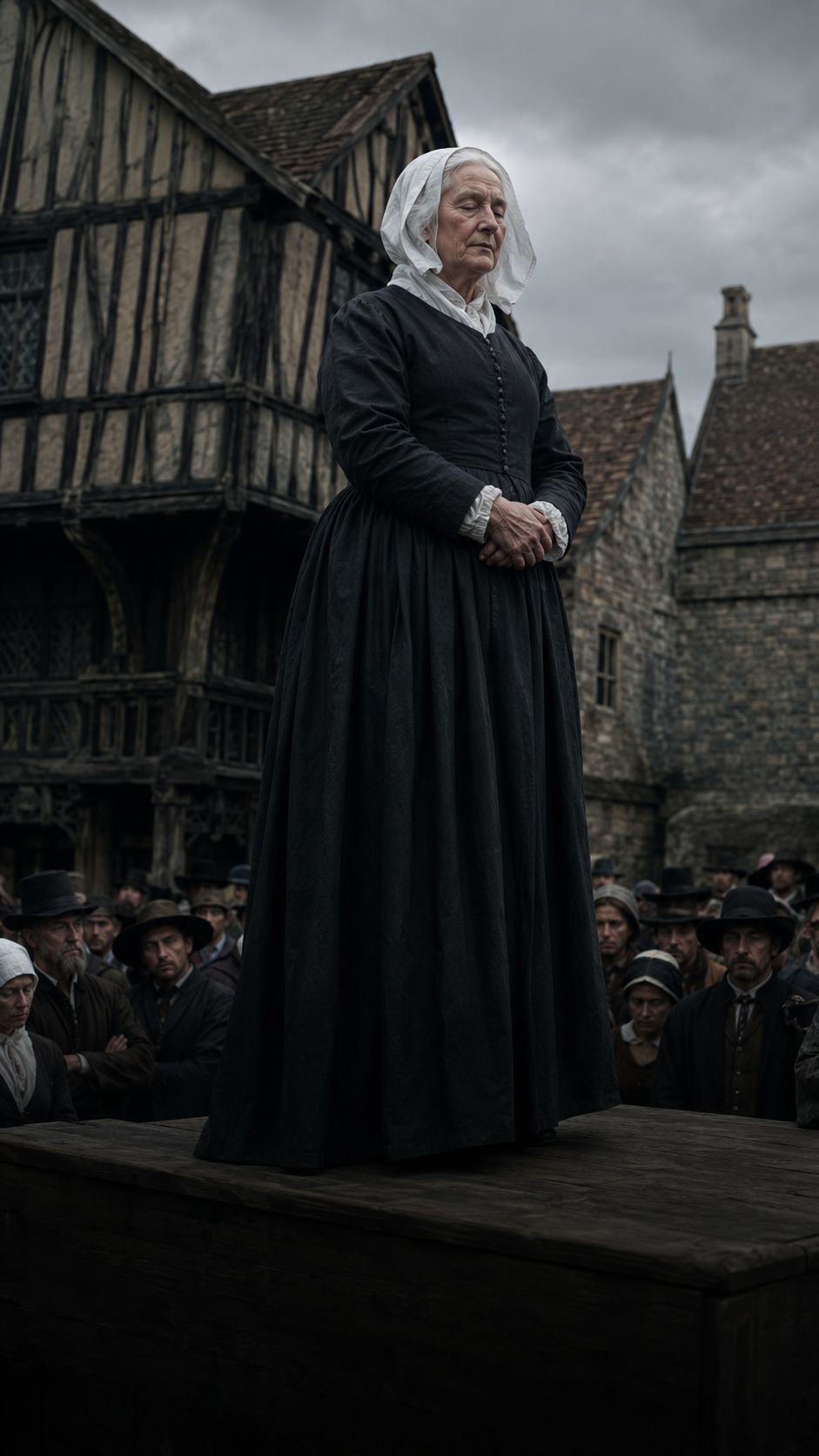 The Hanging Judge's First Victim
An elderly woman sheltered fugitives after Monmouth's failed rebellion, and the Hanging Judge made her his first target.
Winchester, United Kingdom · 1685 · 32 km away
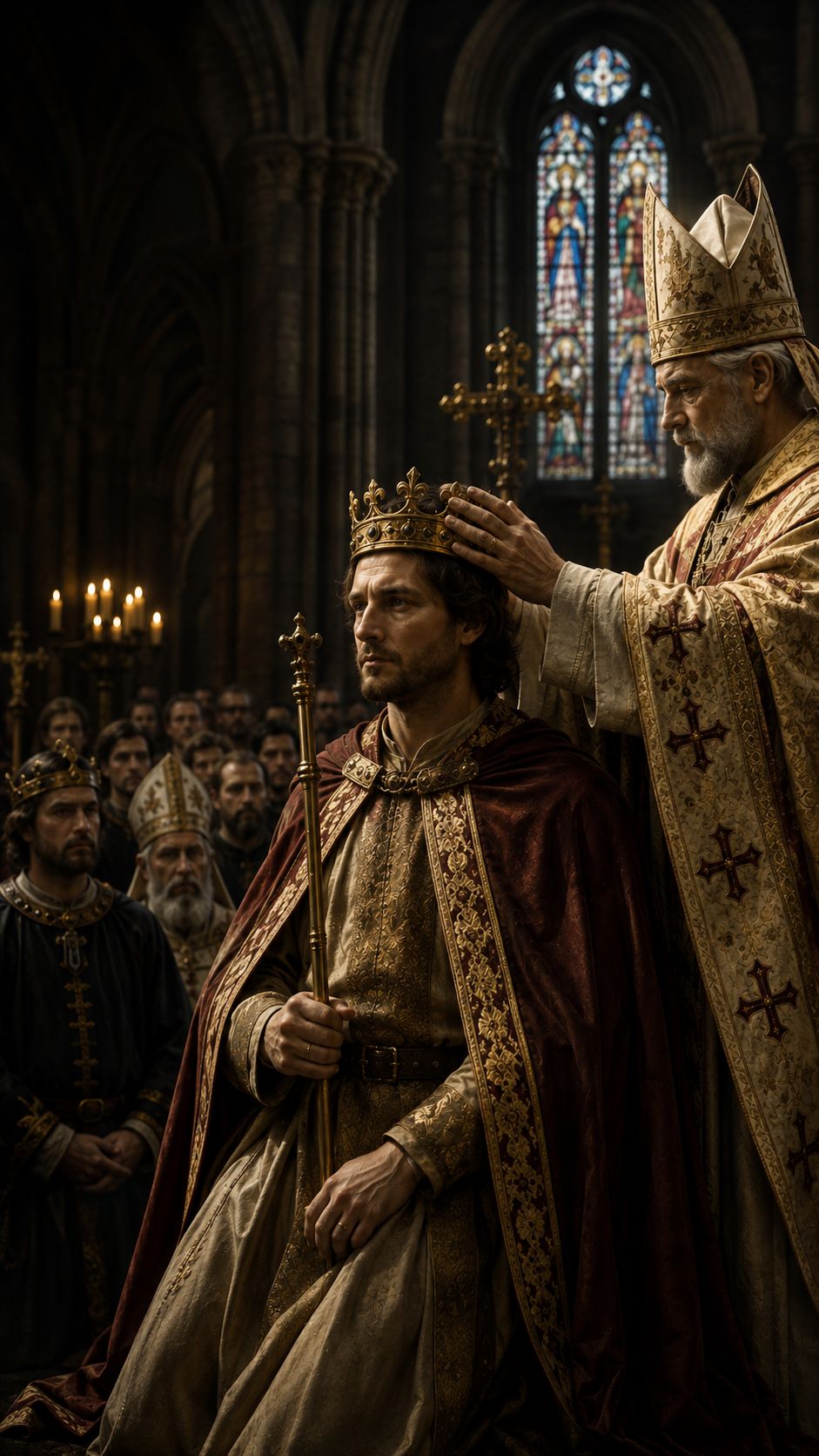 The King Killed By An Arrow And The Brother Who Profited
A king died in a forest with an arrow through his chest, and his brother was crowned just three days later.
New Forest, Hampshire, United Kingdom · 1100 · 38 km away