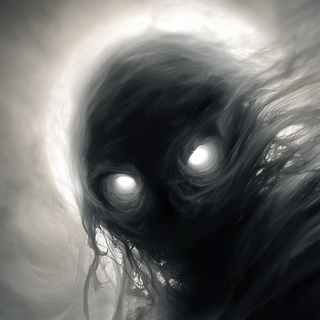
In February 1258, Baghdad was the greatest city on Earth.
It had been the capital of the Abbasid Caliphate for five hundred years. Its population exceeded one million — larger than London and Paris combined, larger than any city in medieval Europe. Its thirty‑six public libraries held manuscripts from every civilisation the Islamic world had touched — Greek philosophy translated from the original, Persian poetry, Indian mathematics, Chinese astronomy. The House of Wisdom — founded in the 9th century — was one of the greatest centres of learning on the planet. Scholars came from three continents to study there.
On 10th February 1258, the Mongols entered the city. The learning stopped.
THE HORROR Hulagu Khan — grandson of Genghis Khan — had given the Caliph a choice: surrender and open the gates, or resist and face what every city that resisted the Mongols had faced. The Caliph, al‑Musta‘ṣim, refused. He trusted his walls. He trusted God. He trusted that Baghdad — the seat of the Caliphate, the centre of the Islamic world, the city that had stood for five centuries — could not fall.
It fell in twelve days.
The Mongols breached the walls. The Caliph surrendered. Hulagu accepted the surrender and then destroyed the city anyway.
For seven days, the Mongol army moved systematically through Baghdad. They killed with the organisational precision of men following a schedule. Mosques were burned. Hospitals were demolished. Palaces were stripped and set alight. The killing was not random — it was industrial. Civilians were rounded up in groups and executed. Medieval sources give death tolls ranging from around 90,000 to nearly a million; modern historians tend to think in “hundreds of thousands,” but agree it was one of the bloodiest weeks in human history.
Then they came for the books.
The libraries of Baghdad — containing the accumulated knowledge of five centuries of scholarship — were emptied. The manuscripts were torn apart. The leather covers were stripped off and used to make sandals. The pages — containing mathematics, astronomy, medicine, philosophy, poetry, and histories that existed nowhere else on Earth — were thrown into the Tigris River.
The river ran black.
Chroniclers wrote that so many books were thrown into the river that the waters of the Tigris ran black with ink, and that the books formed a bridge strong enough for a man on horseback to cross. The water darkened. The Tigris — which had sustained Mesopotamian civilisation since the Sumerians — turned the colour of the knowledge it was swallowing.
Then the bodies followed. Scholars. Scribes. Citizens. Men, women, and children. The river absorbed them too.
The Tigris ran red.
Two colours. Two destructions. Knowledge and life flowing downstream together, dissolving into the same current. The river that had irrigated the oldest civilisation on Earth carried the remains of the newest one out to sea.
The Caliph was made to watch all of it. He watched the libraries burn. He watched his city die. He watched the river change colour.
Then Hulagu killed him.
Mongol custom held that royal blood must not touch the earth — the soil would be offended, and natural catastrophe would follow. So they wrapped al‑Musta‘ṣim in a carpet (or rug), laid the carpet on the ground, and rode horses over it until the man inside was dead. The last Abbasid Caliph of Baghdad was trampled to death inside a rug by men who were more afraid of offending the ground than of killing a king.
The earth must not be offended. The river absorbed everything the earth refused.
THE MODERN RELIC The House of Wisdom is gone. No trace of the building survives. The manuscripts that were thrown into the Tigris — some of which were the only copies in existence of Greek, Persian, and Indian texts — are gone. Modern historians can only estimate what was lost. Original works by Aristotle, Ptolemy, and Galen that had been translated into Arabic and preserved in Baghdad while much of Europe forgot them may have been among the pages that dissolved in the current. Knowledge that took five centuries to gather was destroyed in days.
The irrigation system of Mesopotamia — canals and channels built and maintained since the time of Sumer, four thousand years of engineering — was wrecked during and after the sack. Mismanagement in the Mongol and later periods allowed canals to silt up; the fertile crescent became more arid, and the ancient system has never fully recovered.
The Islamic Golden Age — the period of extraordinary scientific, philosophical, and cultural achievement under the Abbasids — is often said to end, symbolically at least, with the fall of Baghdad in 1258.
The Tigris still flows through Baghdad. The water is clear now. It has been clear for more than seven hundred and sixty years. The ink is gone. The blood is gone. The books are gone. The scholars are gone. The river remembers nothing. The civilisation it carried away has never been rebuilt.
Nearby on the Dark Atlas
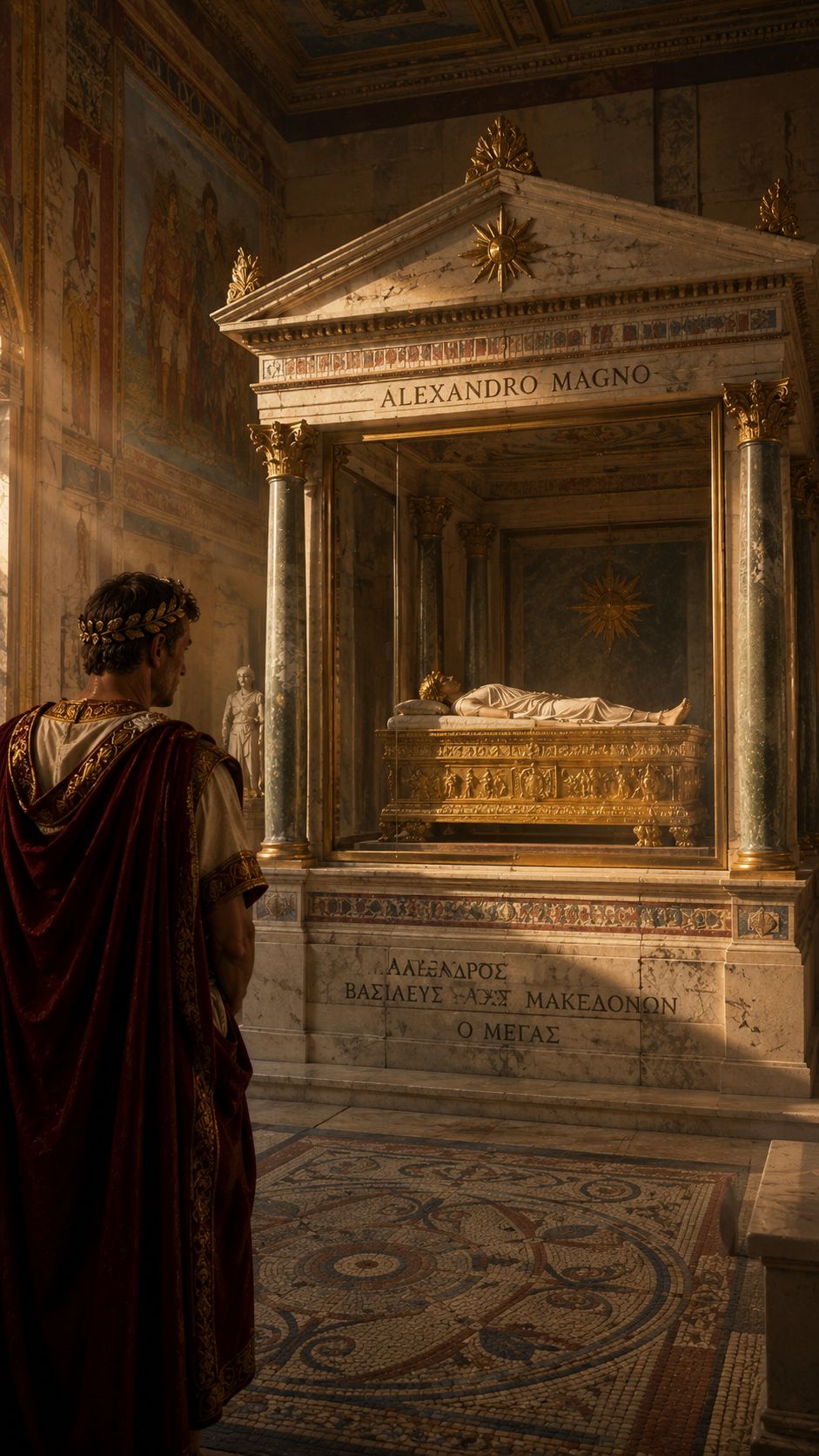 The Conqueror Whose Body Started A War
He conquered more of the world than any king before him, then died with no heir — and his generals went to war over his corpse.
Babylon, Iraq · 323 BC · 87 km away
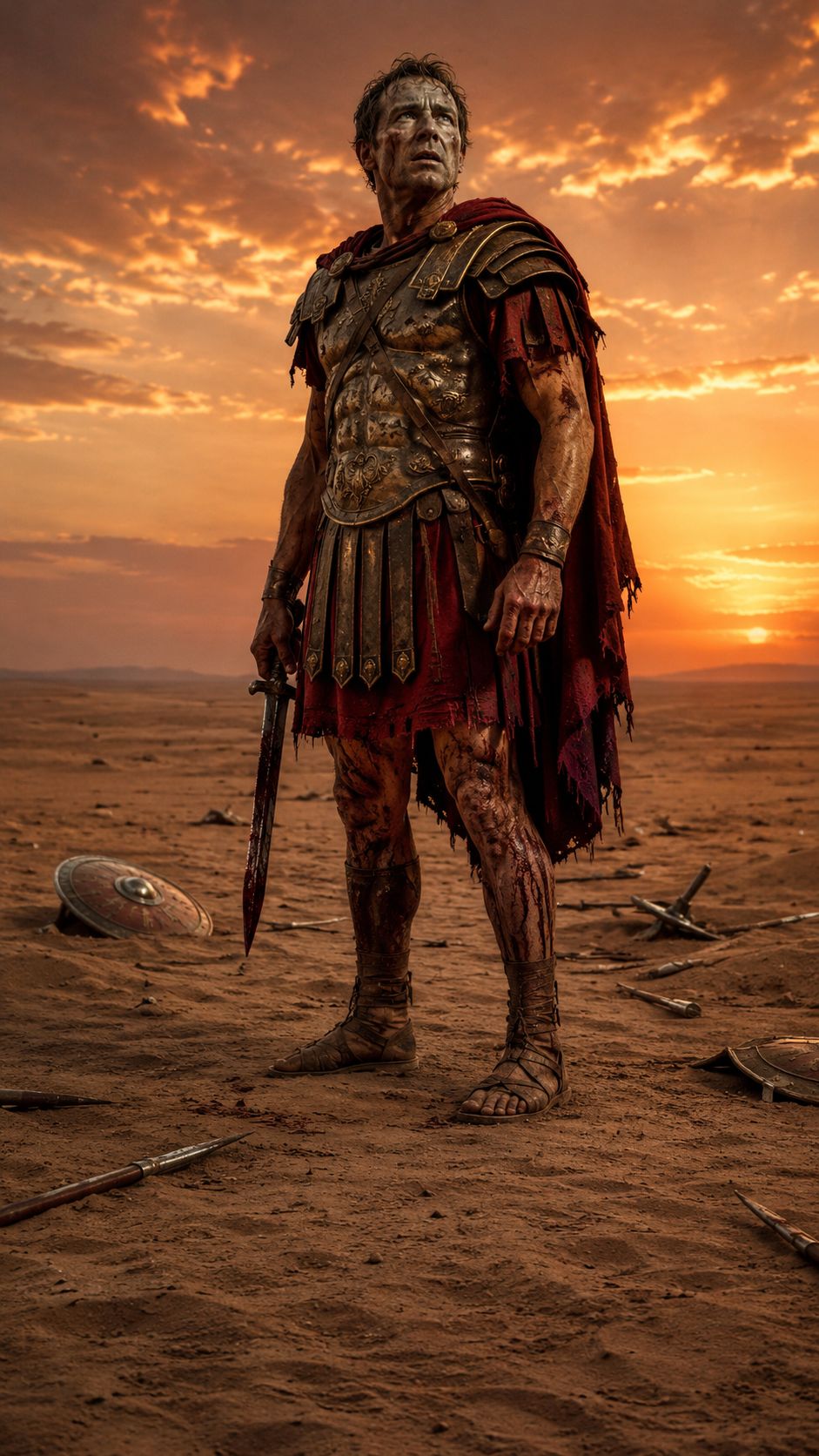 The Richest Man In Rome Marched To Ruin
Rome's wealthiest man invaded Parthia chasing glory his money couldn't buy — and lost his army, his son, and his head.
Harran, Turkey · 53 BC · 625 km away
- The Emperor Used As A Human Footstool
Captured alive by the Persians, a Roman emperor was reportedly used as a mounting step every time his captor rode a horse.
Edessa, Turkey · 260 · 662 km away
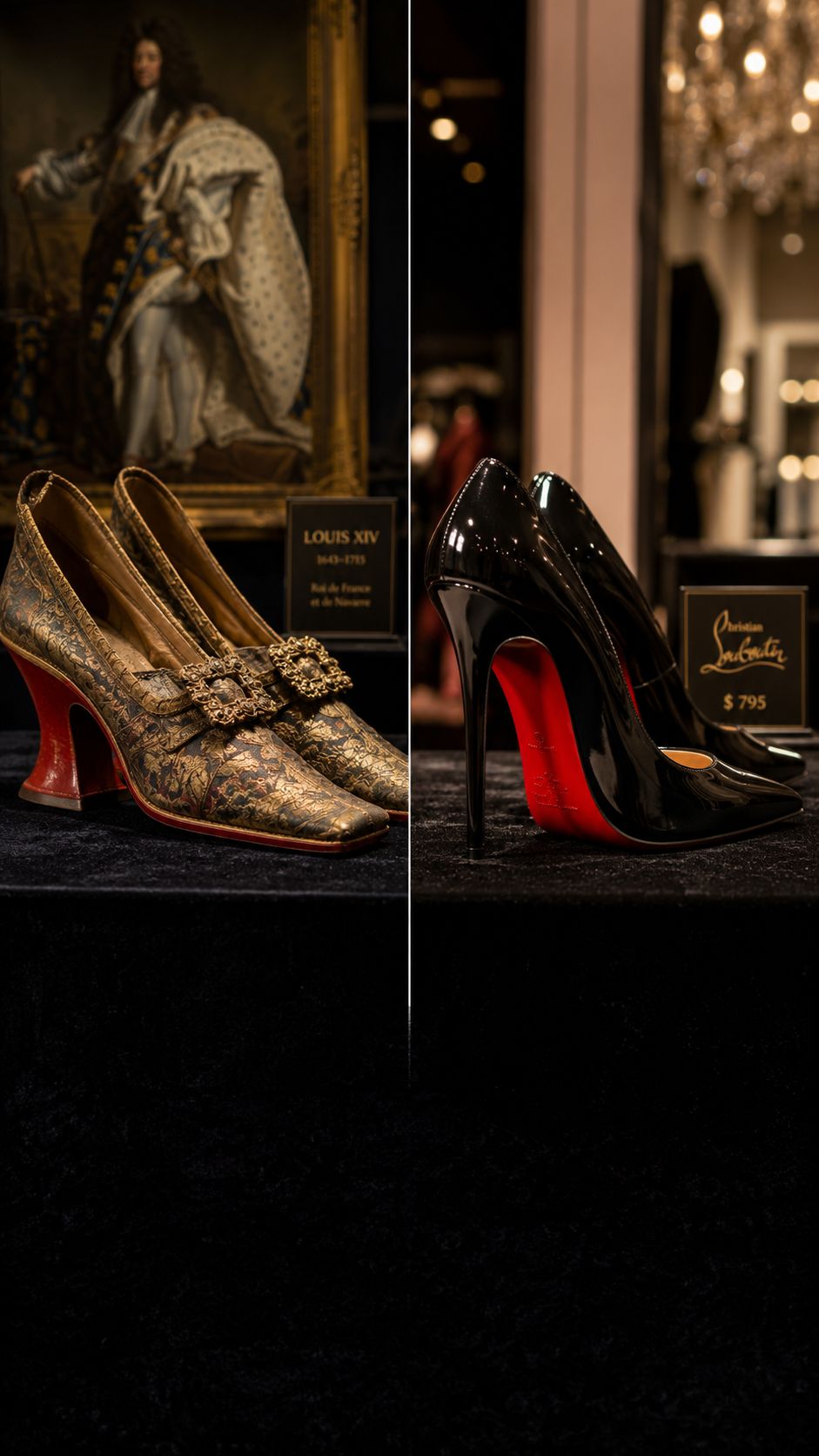 The Weapon That Became A Fashion Statement
Long before it symbolised glamour, the elevated heel was battlefield equipment built to help mounted archers kill more efficiently.
Isfahan, Iran · 1600 · 685 km away