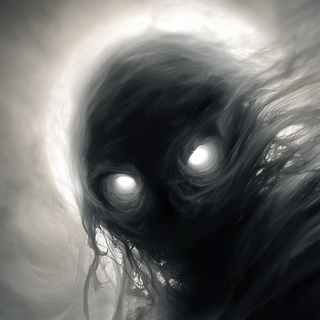
In the summer of 260 AD, the Roman emperor Valerian marched east to confront the Sasanian Persian king Shapur I near Edessa. He had ruled for seven years, shared power with his son Gallienus, and overseen one of the harshest persecutions of Christians in the empire. He was about sixty‑seven years old when he led his army into what became a disaster.
The Roman forces were crushed. In the chaos, Valerian himself was taken alive. No other Roman emperor before or after was ever captured and held as a prisoner by a foreign enemy.
The Horror
Christian writer Lactantius, composing his account decades later, describes how Shapur used the emperor of Rome as a living piece of furniture. Whenever Shapur wished to mount his horse, Valerian was brought out in chains and forced to kneel on all fours. Shapur put his foot on the emperor’s back and stepped up into the saddle.
Rome’s ruler — the man whose image appeared on coins across three continents — became a human mounting block for the king of Persia. How long this ritual humiliation lasted is unclear. It may have gone on for months. It may have gone on for years. No ransom was paid. No serious rescue was attempted. In the western half of the empire, Gallienus continued to rule, fight rebellions and invasions, and issue laws, but he did nothing that changed his father’s fate.
When Valerian finally died in captivity — whether of age, sickness or simple exhaustion — Shapur turned his body into a warning. Ancient sources say the corpse was flayed; the skin was removed, dyed, and stuffed with straw, then shaped back into a human form and displayed in a Persian temple as a trophy.
Later writers claim that Roman envoys were sometimes shown the stuffed skin of Valerian as they negotiated, a reminder of what happened to emperors who underestimated Persia. The skin, according to those same traditions, remained on display for centuries, surviving into the 7th century when Arab armies overran the Sasanian Empire. At some point in that upheaval it vanished — burned, looted or simply rotted away.
Shapur also carved his triumph into the landscape. At Naqsh‑e Rostam, near Persepolis, a huge rock relief shows the king on horseback, wearing the tall crown of the Sasanians. In front of him stand defeated Romans. One, in a pleated toga, is identified as Valerian. Shapur reaches down and grips his wrist. Valerian is not on his knees in the stone; he stands. But the hand on his arm tells the story. He is being held, not greeted. He is property.
The Modern Relic
The reliefs at Naqsh‑e Rostam still dominate the cliff face, carved beside the older tombs of Achaemenid kings like Darius and Xerxes. Visitors stand in the dust below and look up at Shapur’s horse, at the carved folds of Valerian’s toga, at the stone hand that has held his wrist for more than 1,700 years.
The skin, the straw, the temple trophy are gone, lost more than a millennium ago. The rock remains. The last image of the only Roman emperor ever captured alive is not in Rome but in a cliff in Iran, where he appears as a man in foreign dress held by the wrist while another king sits firm in the saddle above him — a permanent reminder, in stone, that once the ruler of the Roman world was reduced to a footstool and a trophy in someone else’s empire.
Nearby on the Dark Atlas
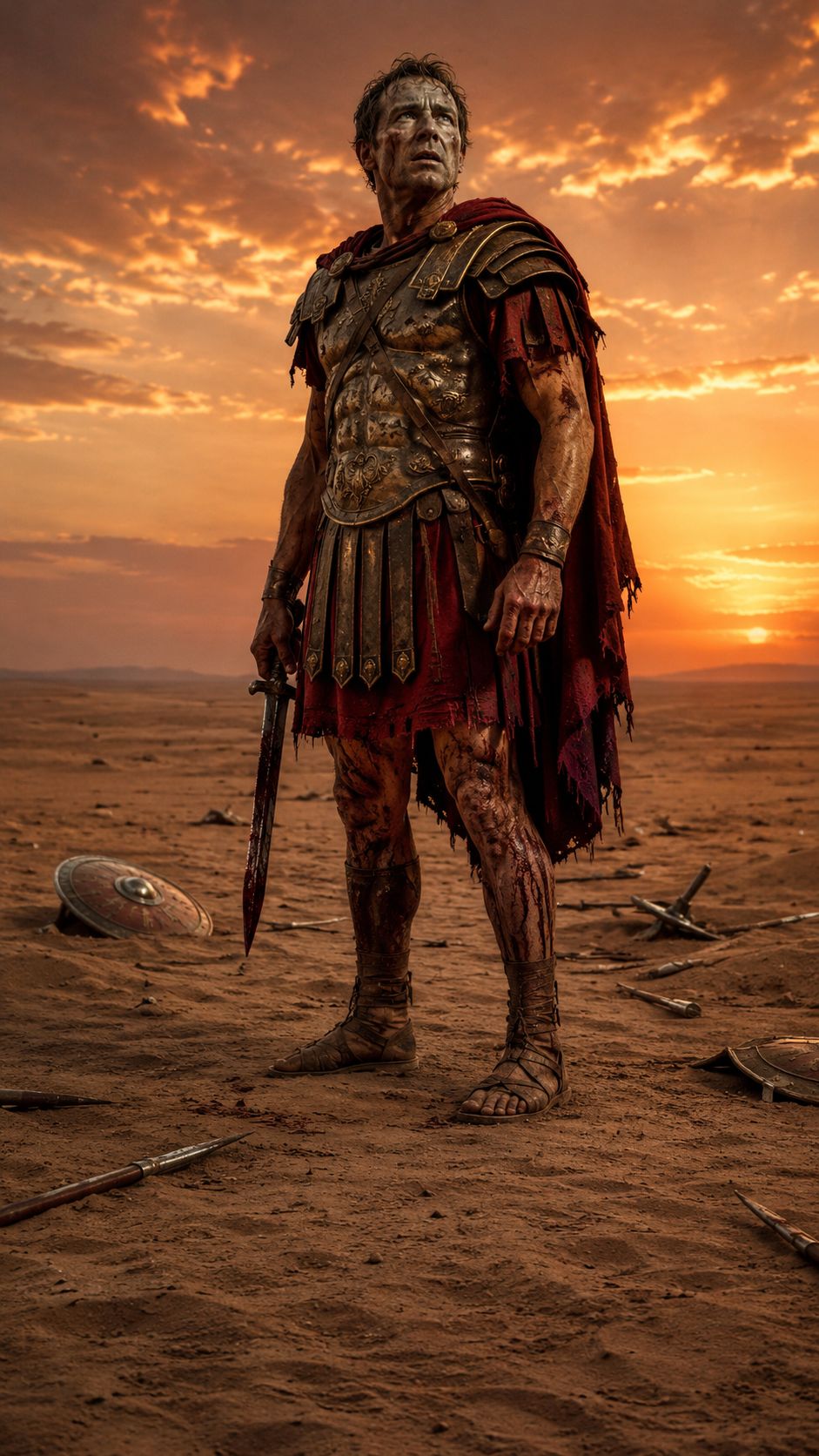 The Richest Man In Rome Marched To Ruin
Rome's wealthiest man invaded Parthia chasing glory his money couldn't buy — and lost his army, his son, and his head.
Harran, Turkey · 53 BC · 39 km away
- The King Of Jerusalem Killed Days After His Crown
Two men without cloaks approached him in the street and drove knives into him as they ran past.
Tyre, Lebanon · 1192 · 542 km away
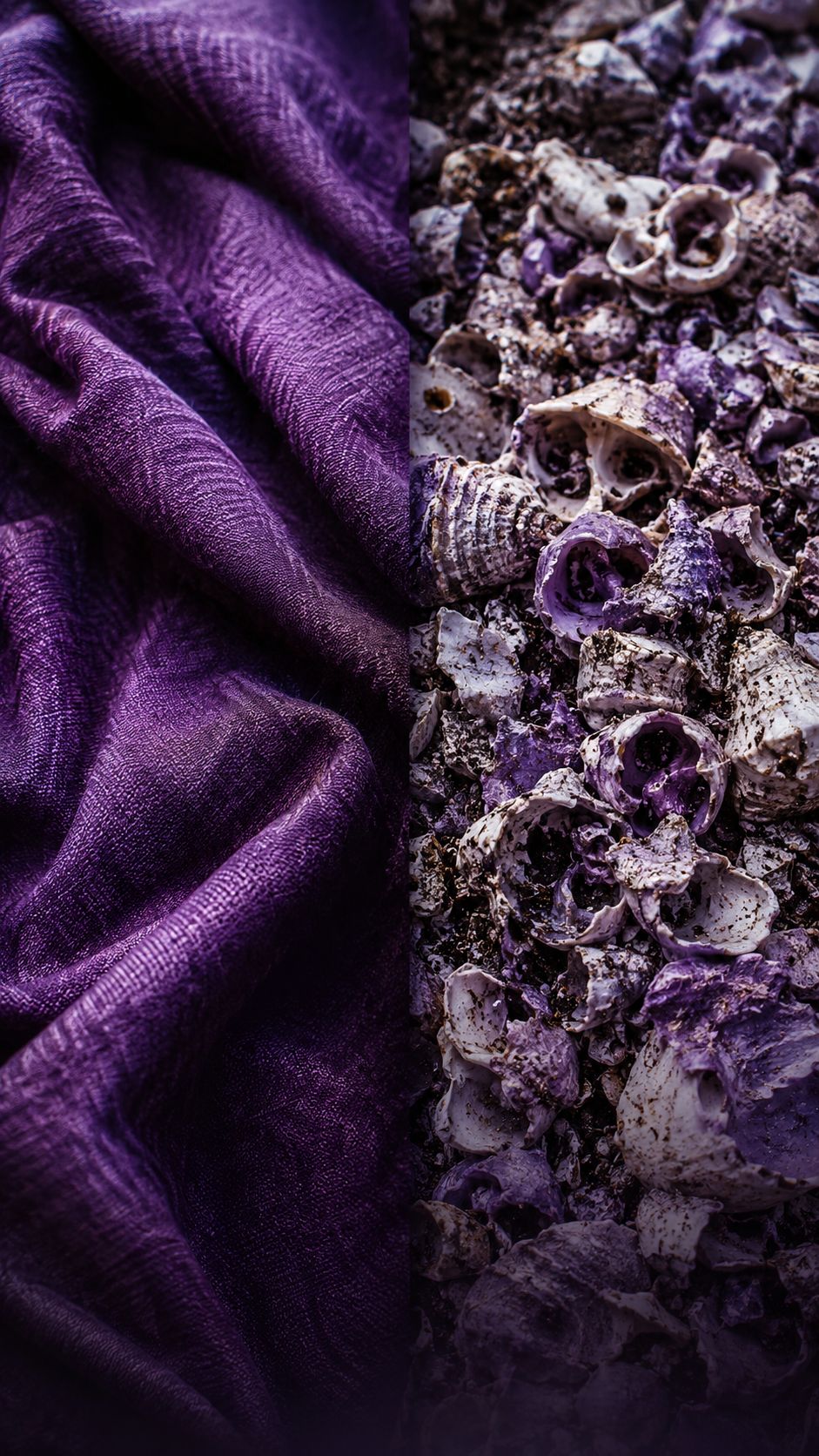 The Royal Dye Made From Rotting Snails
For three thousand years the most coveted colour in the Mediterranean came from a revolting process involving thousands of crushed sea snails.
Tyre, Lebanon · 1200 BC · 542 km away
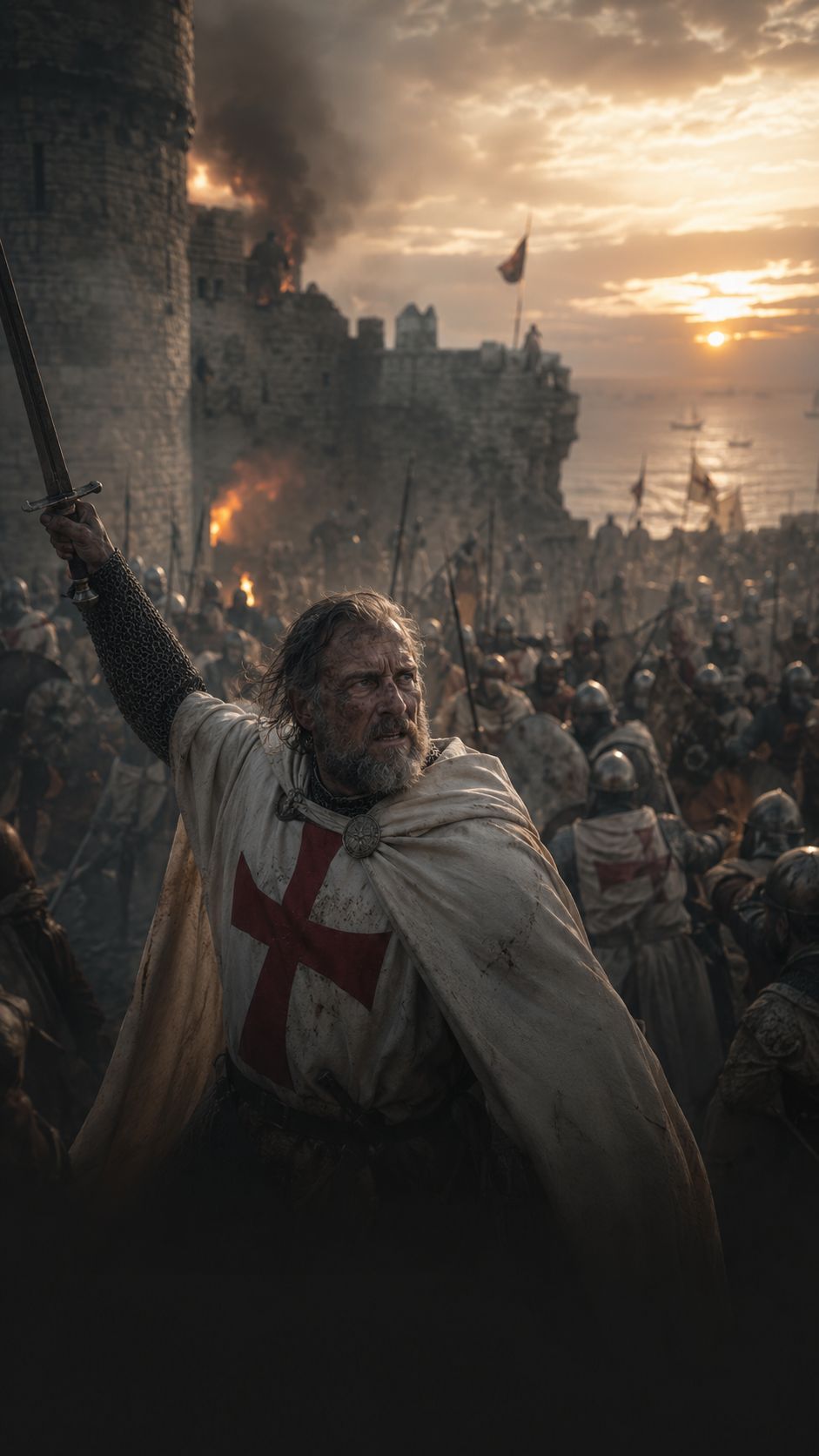 The Templars' Last Stand As Acre Fell
Trapped in their last fortress, the final Templars chose to bring the walls down on everyone rather than surrender.
Acre, Israel · 1291 · 579 km away