
In the spring of 53 BCE, Marcus Licinius Crassus — the wealthiest man in Rome, crusher of Spartacus, and one‑third of the First Triumvirate with Julius Caesar and Pompey — marched seven legions east into the Parthian Empire looking for the one thing his money couldn’t buy: military glory.
He had around 40,000 men. He had never fought Parthian cavalry. He had no idea what he was walking into.
The Horror
At the Battle of Carrhae, in the open desert of Mesopotamia, Parthian horse archers shredded the Roman line. They rode in wide circles and loosed armour‑piercing arrows from composite bows, always just out of reach — a style of warfare the legions were not built to counter.
Crassus’s son Publius led a desperate cavalry charge to break them. He and his entire detachment were surrounded and killed. The Parthians cut off his head, mounted it on a spear, and carried it back to the main battle line.
Crassus saw his son’s head held aloft. Ancient writers describe him standing speechless, staring at it while his army disintegrated around him.
Roughly 20,000 Romans died at Carrhae. Another 10,000 were captured and marched east. It was one of the worst military disasters in the history of the Republic.
Crassus himself died during a confused parley with the Parthian commander Surena — stabbed in a scuffle as he was being forced onto a horse. Both Plutarch and Cassius Dio agree he was killed, not captured alive. What happened afterwards is where history turns into myth.
According to Cassius Dio and later sources, the Parthians took Crassus’s severed head and poured molten gold into his mouth, as a symbolic punishment for the greed that had dragged him east. Surena is said to have remarked: “Now satisfy yourself with that wealth you so loved.” Whether molten metal was literally poured into his skull or the detail was invented later as dark poetic justice is still debated. Crassus’s failure and his greed were real. The gold is the part that may have been theatre.
What is not in doubt is what happened to his head.
His head and right hand were cut off and sent as trophies to King Orodes II, who was in Seleucia celebrating a dynastic wedding. At that feast, a Greek actor named Jason of Tralles was performing Euripides’ Bacchae — a tragedy written three centuries earlier in which a mother, Agave, in a god‑sent frenzy, tears off her own son’s head and carries it through the city, believing it to be a lion she has killed.
In the climactic scene, Agave is supposed to appear holding a severed head and exult over her “prey.” When Crassus’s head arrived, Jason took it from the messenger and used it as his prop. Holding up the real severed head of the richest man in Rome, he delivered Euripides’ line (in one common translation):
“We bring from the mountain a tendril freshly cut for the palace — a wonderful prey.”
The banquet hall erupted in applause. Some guests, Plutarch hints, did not realise at first that the head was real.
A play about a mother parading her son’s head was performed using the actual head of a man whose son’s head had been paraded before him hours earlier on a spear. The coincidence is so exact it feels written. Plutarch records it as fact.
The Modern Relic
Euripides’ Bacchae is still staged today — in London, New York, Athens, high‑school drama festivals and national theatres. The line about bringing a “fresh‑cut tendril” or a “wonderful prey” to the palace is still there, the prop head still lifted in Act Five. Every actor who raises a foam or papier‑mâché head at that moment is unconsciously echoing Jason of Tralles and the night he used a real one.
The ancient city of Carrhae is now Harran in southeastern Turkey, a dusty town near the Syrian border, its famous beehive houses built from the stones of older empires. The battlefield where 20,000 Romans died is farmland and scrub.
If molten gold was ever poured into Crassus’s mouth, it has long since been recovered from whatever fragments of bone remained and melted into other hands, other ornaments, other coins. The Republic he bankrolled collapsed within a generation. The play that used his head as a prop never stopped. It is still being performed. The line is still spoken. The head is always fake now. It was real once.
3️⃣ HASHTAGS
Nearby on the Dark Atlas
- The Emperor Used As A Human Footstool
Captured alive by the Persians, a Roman emperor was reportedly used as a mounting step every time his captor rode a horse.
Edessa, Turkey · 260 · 39 km away
- The King Of Jerusalem Killed Days After His Crown
Two men without cloaks approached him in the street and drove knives into him as they ran past.
Tyre, Lebanon · 1192 · 530 km away
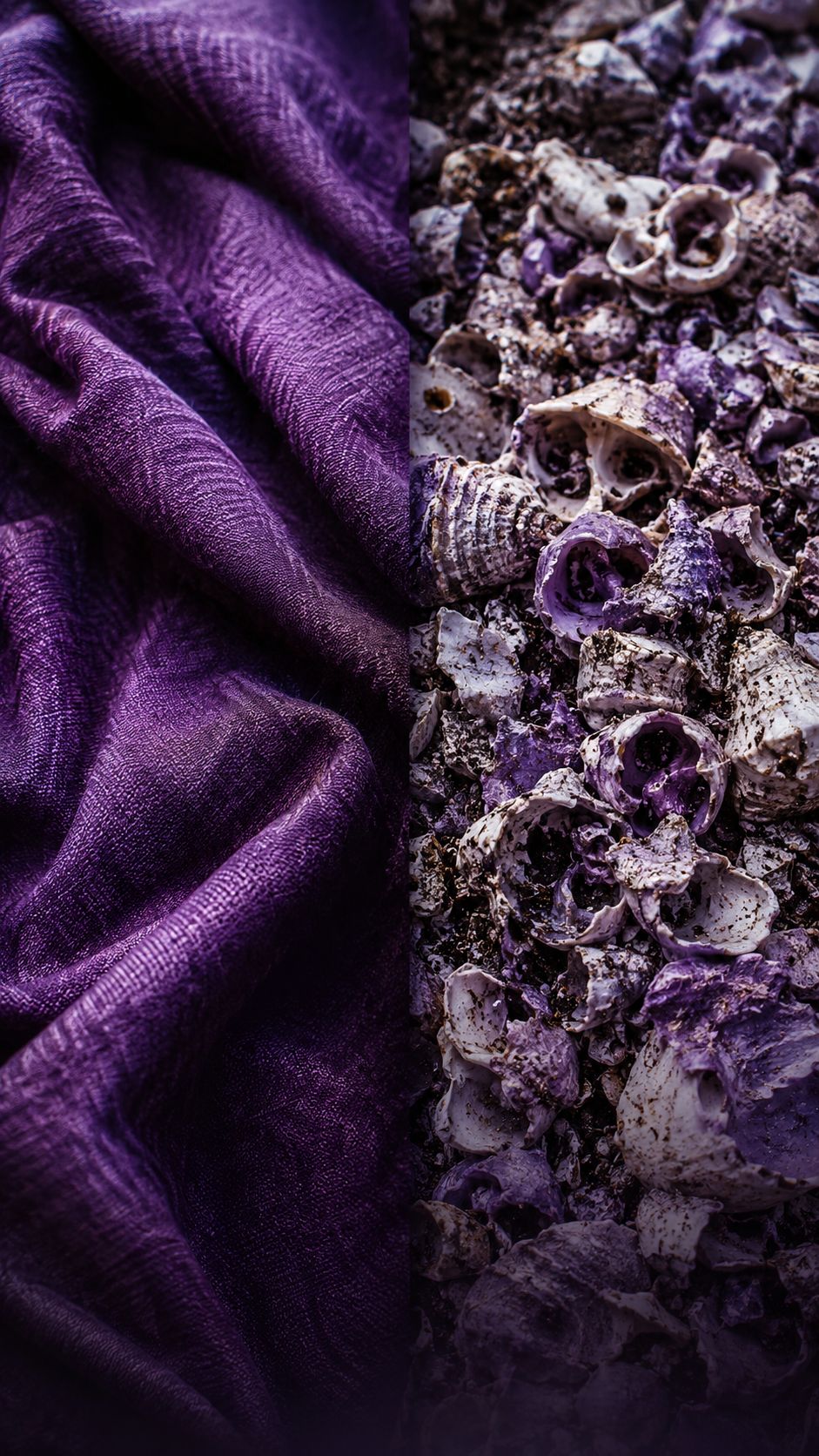 The Royal Dye Made From Rotting Snails
For three thousand years the most coveted colour in the Mediterranean came from a revolting process involving thousands of crushed sea snails.
Tyre, Lebanon · 1200 BC · 530 km away
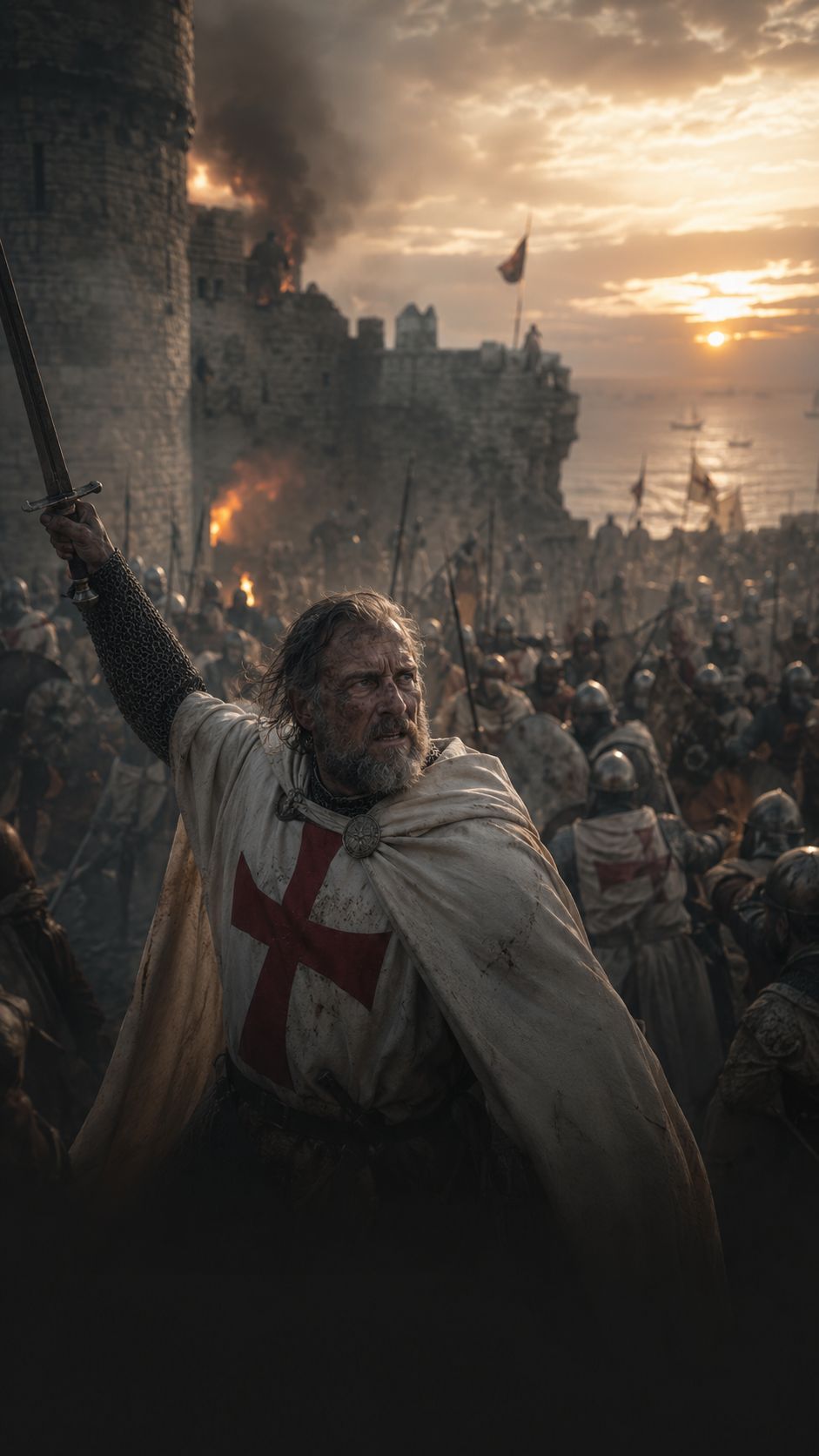 The Templars' Last Stand As Acre Fell
Trapped in their last fortress, the final Templars chose to bring the walls down on everyone rather than surrender.
Acre, Israel · 1291 · 567 km away