
On Saturday afternoon, 25th March 1911, hundreds of workers at the Triangle Shirtwaist Factory in Manhattan were picking up their pay and getting ready to go home. They made women’s blouses — “shirtwaists” — for pennies a day in crowded rooms on the 8th, 9th and 10th floors of the Asch Building, just off Washington Square.
Most were teenage girls and very young women, recent Jewish and Italian immigrants. The average age was about 19. The youngest were 14.
Near closing time, a small fire started in a scrap bin on the 8th floor — probably from a discarded match or cigarette. Flames raced across lint, tissue paper patterns and piles of cotton shirtwaists. Within minutes, the quiet workroom became an inferno.
The Horror
Escape should have been simple: a door, a fire escape, an elevator, a stairwell. On paper, the routes were there. In reality, almost every exit had been turned into a trap.
There were two main stairway exits: one to Greene Street, one to Washington Place. On the 9th floor, workers ran for the Washington Place door and found it locked from the outside — a routine practice meant to stop them leaving early or taking garments home. They pounded and clawed at it until their hands bled. It never opened.
The Greene Street stairway quickly filled with smoke and flames. One narrow fire escape clung to the building’s outer wall. It was so badly built that it twisted and collapsed under the weight of fleeing workers, throwing them nine stories to the alley below.
The elevators made a few frantic trips, saving small groups of workers twelve at a time, until the heat warped the rails and the cars jammed. Some women jumped into the shaft when the elevator stopped coming, falling onto the roof of the cab or into the darkness below.
Outside, fire engines arrived within minutes — but their ladders reached only to the 6th floor, two stories short of the trapped workers. Fire hoses could not deliver enough pressure to reach the top floors. From the street, thousands of horrified onlookers watched as young women climbed onto window ledges, their hair and shirtwaists already burning.
They began to jump. Some jumped alone. Some jumped holding hands. Some jumped three at a time. Firefighters stretched life nets, but the height and the weight were too much — bodies tore through the nets and shattered on the pavement.
The fire lasted about 18 minutes. In that time, 146 people died — 129 women and 17 men. Many of the dead were later found piled against the still‑locked Washington Place door.
The owners, Isaac Harris and Max Blanck, escaped by going up to the roof and stepping across to the next building.
The Modern Relic
The Asch Building still stands in New York. It is now the Brown Building, part of New York University. The factory floors where workers burned and jumped are classrooms and labs. Outside, plaques and a new memorial list the names of the dead.
Harris and Blanck were tried for manslaughter over the locked doors — and acquitted. Later, they collected about $60,000 from insurance, roughly $400 per life lost, more than the $75 per victim eventually paid to some families in civil settlements. They even went on, within a few years, to be cited again for locking exit doors in other factories.
Outrage over the fire transformed into law. Investigations found thousands of unsafe workplaces across New York. Over the next few years, more than 30 new fire and labor regulations were passed: mandatory outward‑opening, unlocked exit doors, sprinkler systems in high‑rise factories, regular fire drills and maximum occupancy limits.
Frances Perkins, a social worker who watched girls jumping from the building that day, called it “the day the New Deal began.” She later became Franklin D. Roosevelt’s Secretary of Labor and the architect of much of modern U.S. workplace protection.
The building is fireproof. The people inside were not. The doors were right there. They were locked from the outside.
Nearby on the Dark Atlas
- The Novel That Predicted The Titanic
Fourteen years before Titanic sank, a novelist described an 'unsinkable' liner hitting an iceberg on an April night, with eerie precision.
New York City, United States · 1898 · 2.0 km away
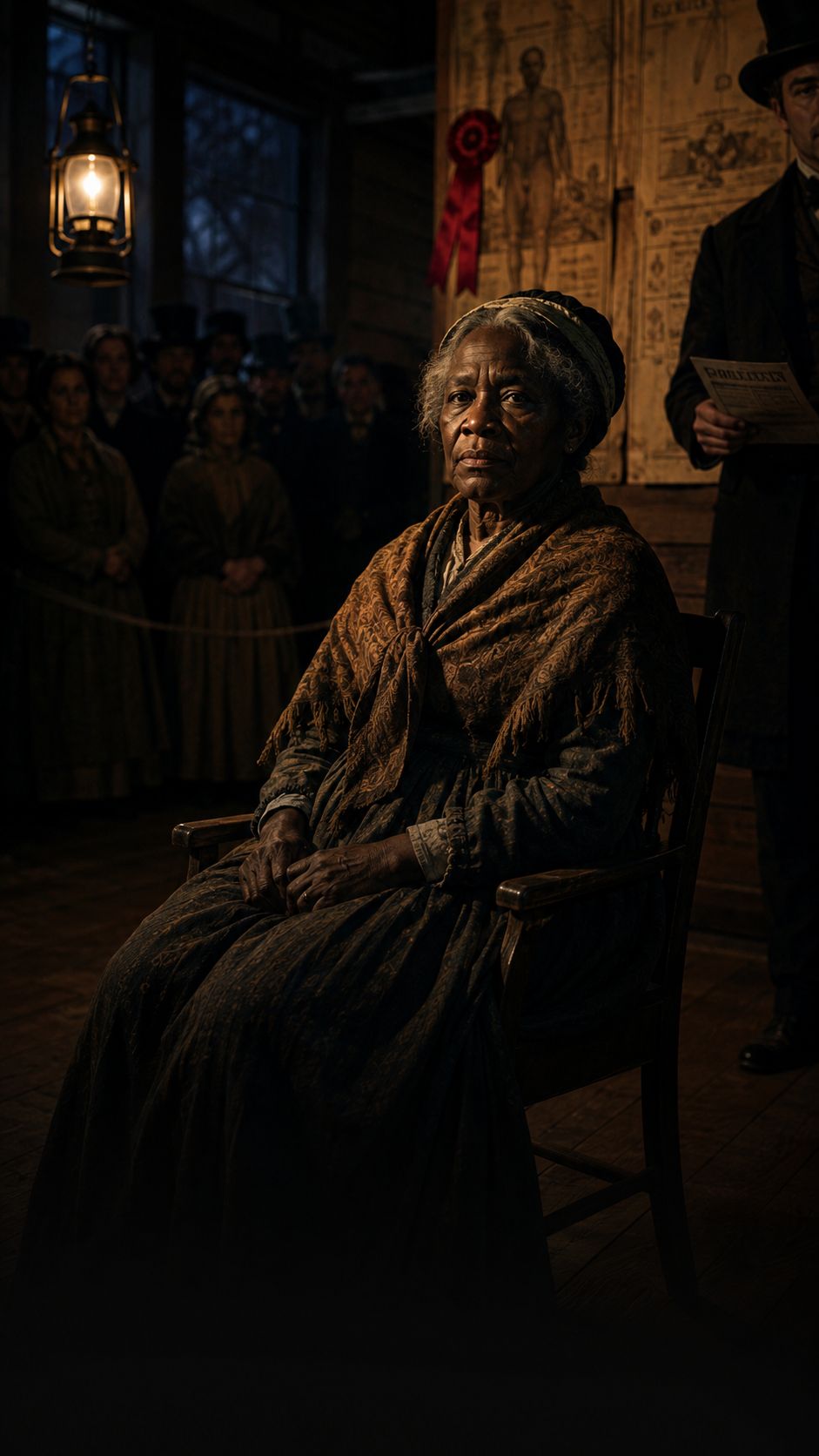 The Showman Who Sold Tickets To A Dissection
P.T. Barnum built his fortune exhibiting an enslaved woman alive, then sold tickets to watch her autopsy.
New York City, United States · 1836 · 2.0 km away
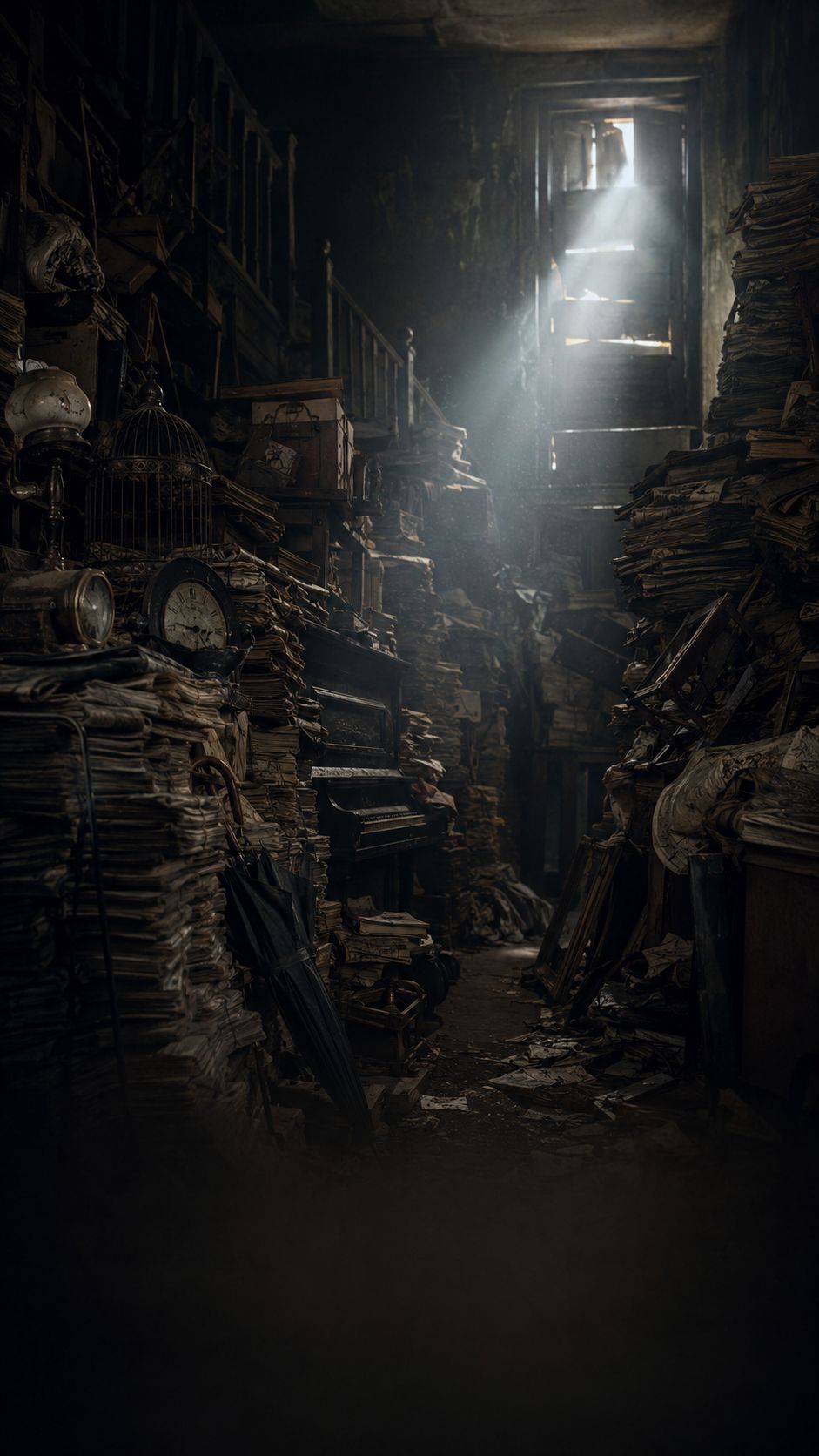 The Hoarders Who Died Buried In Their Own Mansion
Two wealthy, brilliant brothers sealed themselves inside a mansion with 140 tons of hoarded junk, and died trapped in it.
Harlem, New York City, United States · 1947 · 10 km away
- The Cook Who Refused to Believe She Was Typhoid Mary
She infected dozens as an asymptomatic carrier and spent 26 years in forced isolation, still insisting she was innocent.
North Brother Island, New York, United States · 1938 · 11 km away
More like this
- The Murder Dickens Turned Into Fiction
A cold, calculated murder buried a body in a Bermondsey kitchen, and became fodder for the country's most famous novelist.
Bermondsey, London, United Kingdom · 1849
- The Chair No One Is Allowed To Sit In
A murderer's cursed armchair now hangs on a museum wall, five feet off the ground, so no one can sit in it again.
Thirsk, United Kingdom · 1702
- The Poisoner Who Weaponised A Town's Sweet Shops
She poisoned an entire town's confectionery to disguise the murder of a woman she hated, killing a child she never met.
Brighton, United Kingdom · 1871
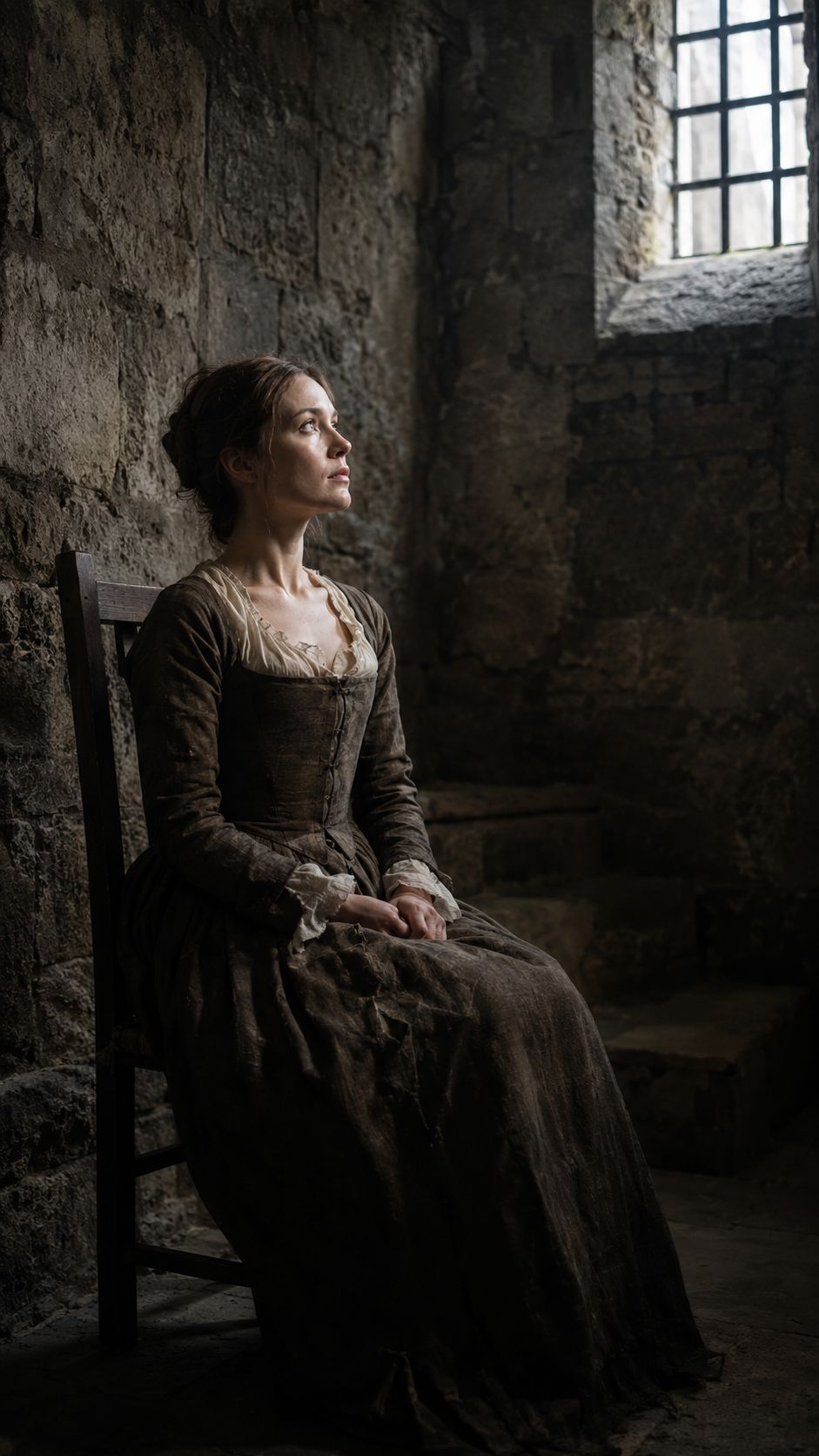 The Rape Trial That Ended In Trial By Combat
A woman's accusation of rape led to France's last judicial duel, with her own life staked on the outcome.
Paris, France · 1386