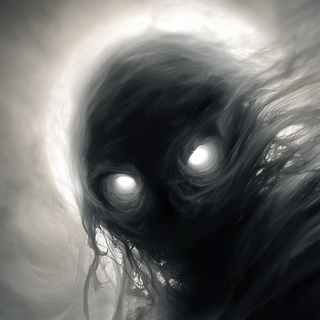
The death of King Jugurtha of Numidia is one of the most chilling and darkly poetic executions in all of Roman history — the tale of a brilliant, ruthless king who beat Rome for years not with armies but with bribery, exposing the rot at the heart of the Republic, and who paid for it with one of the grimmest deaths Rome could devise: naked, robbed, and driven mad, left to starve to death in the black pit beneath the city. And the place where he died still stands, in the heart of Rome, to this day.
To understand him, you have to go to Numidia — a powerful kingdom in North Africa, in what is now Algeria and Tunisia, in the second century BC. Jugurtha was a grandson of the great Numidian king Masinissa, and he grew into everything Rome admired and feared: a superb soldier who had actually fought alongside Roman legions in Spain, brave, charismatic, and cunning. When the old king who had adopted him died, leaving the kingdom to be shared between Jugurtha and his two cousins, Jugurtha wanted it all. He had one cousin murdered, and then went to war with the other, besieging him and, when the city fell, having him tortured to death — along with a number of Roman and Italian merchants who had helped defend the city. And that massacre of Roman citizens was something the Republic could not ignore. It meant war.
But the war that followed — the Jugurthine War — revealed something rotten at the core of Rome. Because Jugurtha had discovered the Republic’s greatest weakness: its greed. Time and again, when Rome sent armies and commanders against him, Jugurtha simply bought them off — bribing Roman generals, envoys, and senators to grant him favourable peace terms and look the other way. He corrupted the Roman elite so openly and so successfully that he is said to have sneered, on leaving the city after one visit, that Rome was “a city for sale, and doomed to quick destruction if it should ever find a buyer.” For years, the most powerful state in the Mediterranean was made to look like a joke by a foreign king armed with nothing more than gold and a shrewd understanding of Roman avarice. It was a national humiliation.
The Horror
In the end, it was Roman persistence, not Roman virtue, that beat him. The war was finally prosecuted seriously by the tough general Metellus, and then by his ambitious successor, Gaius Marius — one of the most important figures in all of Roman history. Marius ground the Numidians down, but he could not quite catch the elusive Jugurtha himself, who had allied with his father-in-law, King Bocchus of neighbouring Mauretania. And so the war ended not in battle, but in betrayal. Marius sent his young, cold-eyed quaestor — a man named Lucius Cornelius Sulla, who would go on to become one of Rome’s bloodiest dictators — to negotiate with Bocchus. Sulla persuaded Bocchus that his own safety lay with Rome, and Bocchus made his choice: he lured his son-in-law Jugurtha into a trap, seized him, and handed him over to Sulla in chains. The great king who had bought half of Rome had been sold, in the end, by his own family.
Jugurtha was carried to Rome, and there he was made the centerpiece of a spectacle. On the first day of January in 104 BC, Gaius Marius celebrated a magnificent triumph — the great Roman victory parade — through the streets of the city. And the star exhibit, the living trophy of the whole war, was King Jugurtha himself, dragged through the streets in chains before the roaring crowds, stripped of his crown and his dignity, a captured king paraded as a beast. The humiliation was total, and it broke him. According to the ancient accounts, by the time he was led through the city, Jugurtha had lost his mind, his reason shattered by the horror of his fall.
And then came the end, in the place Rome reserved for its most hated enemies: the Tullianum. Beneath the Capitoline Hill, at the edge of the Forum, stood Rome’s grim execution dungeon — a lightless, airless underground chamber into which condemned prisoners were lowered through a hole in the ceiling, to be strangled or left to die in the dark. Jugurtha was thrown into this pit. And as they cast him in, the accounts describe a final, savage indignity: the guards fell upon him to strip him of everything of value, and in their haste to snatch the golden ring from his ear, they tore it away along with his ear-lobe, wounding him as they robbed him. Naked, bleeding, and utterly mad, the once-mighty king of Numidia was left alone in the freezing blackness of the pit. And it is here that history records his haunting last words. As the terrible cold of that lightless underground chamber closed around him, Jugurtha, half-crazed, is said to have cried out, in a bitter, laughing echo of the Roman baths he had once known as an honoured ally: “By Hercules, how cold your Roman bath is!” And then he was left to die. He was not granted the mercy of a quick strangling. Instead, according to the account of the biographer Plutarch, Jugurtha clung to life in that pit for six full days, struggling against hunger, desperate to live, until at last starvation killed him. The king who had made Rome a laughing stock died naked, mad, and alone, starved to death in the dark.
The Modern Relic
Jugurtha’s death was, for Rome, a triumph in every sense — the end of a war and a humiliation avenged. But his story cast a long shadow. The Jugurthine War had exposed the deep corruption of the Roman ruling class for all to see, feeding the political turmoil that would eventually help tear the Republic apart. And it launched the two men who fought it — Marius and Sulla — into the front rank of Roman politics, where they would one day turn on each other in civil wars that drenched Rome in blood. The betrayal and starvation of one African king rippled out into the fall of the Republic itself.
The relic, remarkably, is still there — and you can walk down into it. The Tullianum, better known today as the Mamertine Prison, still stands in the heart of Rome, at the foot of the Capitoline Hill, right beside the ruins of the Roman Forum. It is one of the oldest structures in the city, dating back to the age of the kings, and its grim lower chamber — the very pit where Jugurtha was thrown to starve — survives, a small, dark, oppressive stone room that visitors can descend into to this day. Over the centuries it held many of Rome’s most famous captives and, later, according to Christian tradition, the apostles Peter and Paul, and so it stands now partly as a church. But its stones remember older horrors. When you stand in that cramped, lightless dungeon in Rome, you are standing in the exact place where a captured king, who had beaten the greatest empire on earth with nothing but gold, was stripped, mutilated, driven insane, and left to starve to death in the cold and the dark over six long days — laughing, at the very end, at the terrible chill of Rome’s final, deadly embrace.
Nearby on the Dark Atlas
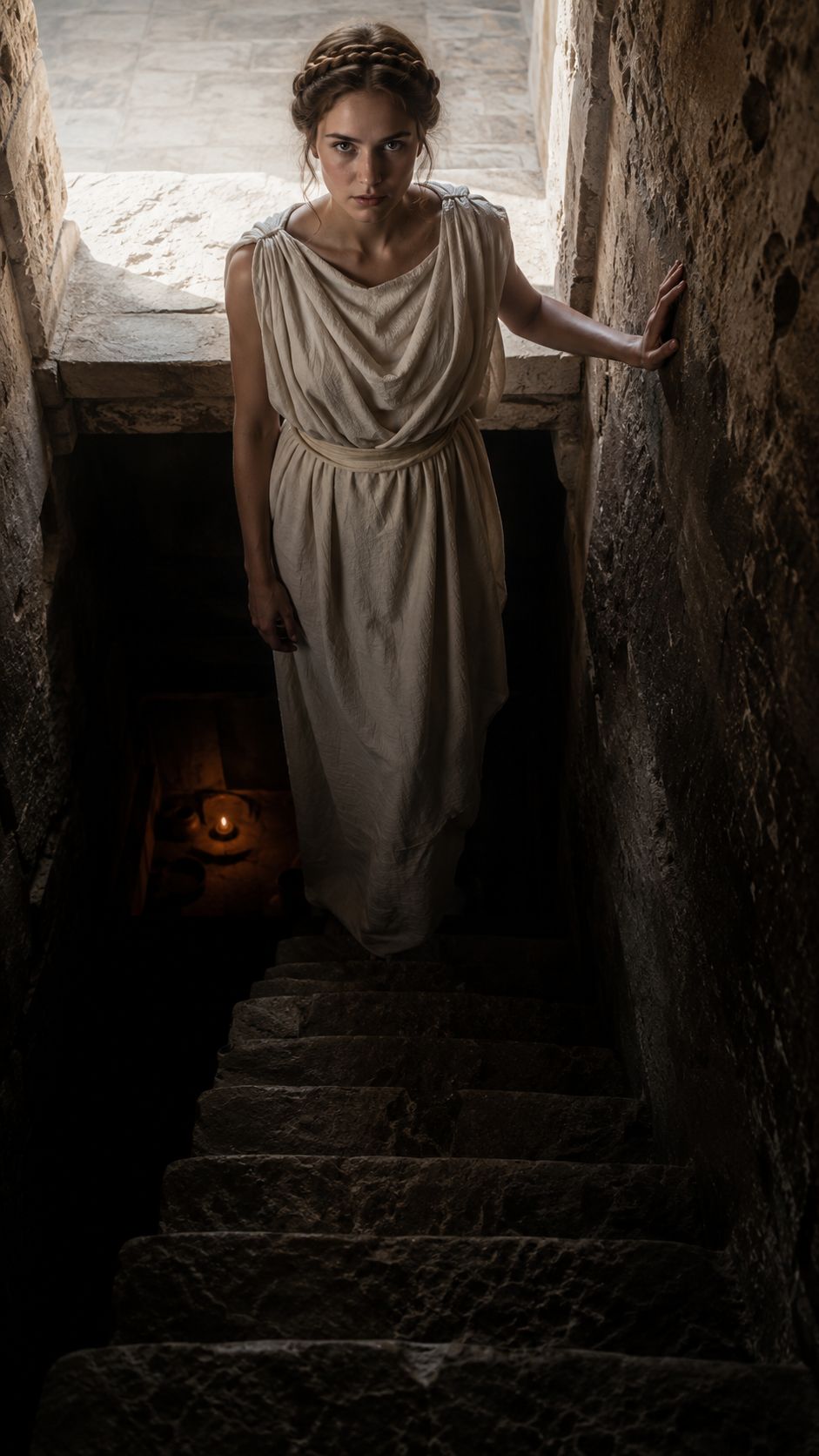 Buried Alive to Avoid Shedding Her Blood
Roman law forbade killing a Vestal or burying her in the city, so they sealed the condemned underground alive instead.
Rome, Italy · 100 BC · same site
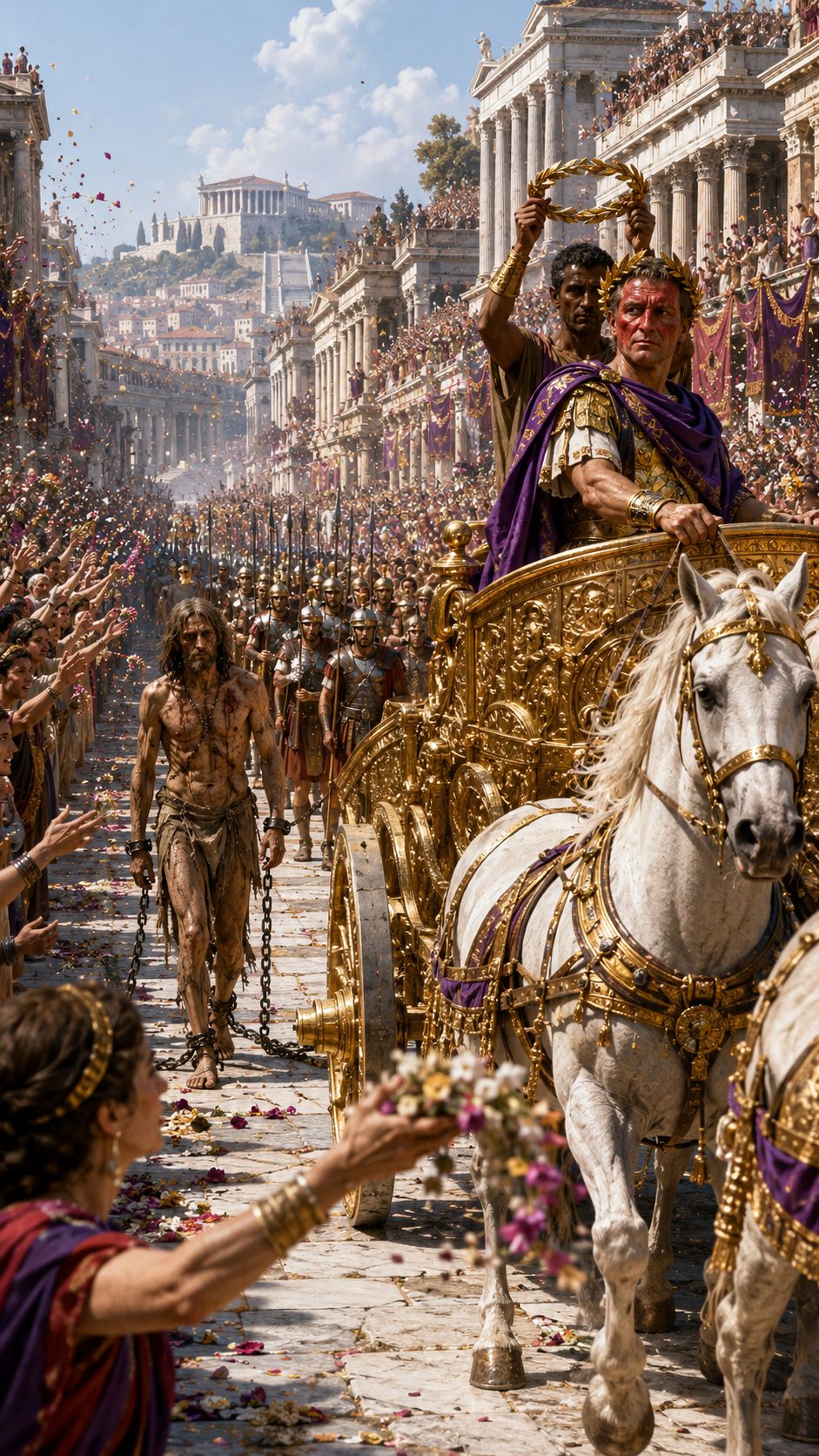 The Chieftain Who Surrendered To Save His People
The Gallic leader who nearly beat Caesar rode out to surrender rather than let his starving people die, and spent six years dying slowly in a Roman prison.
Rome, Italy · 46 BC · same site
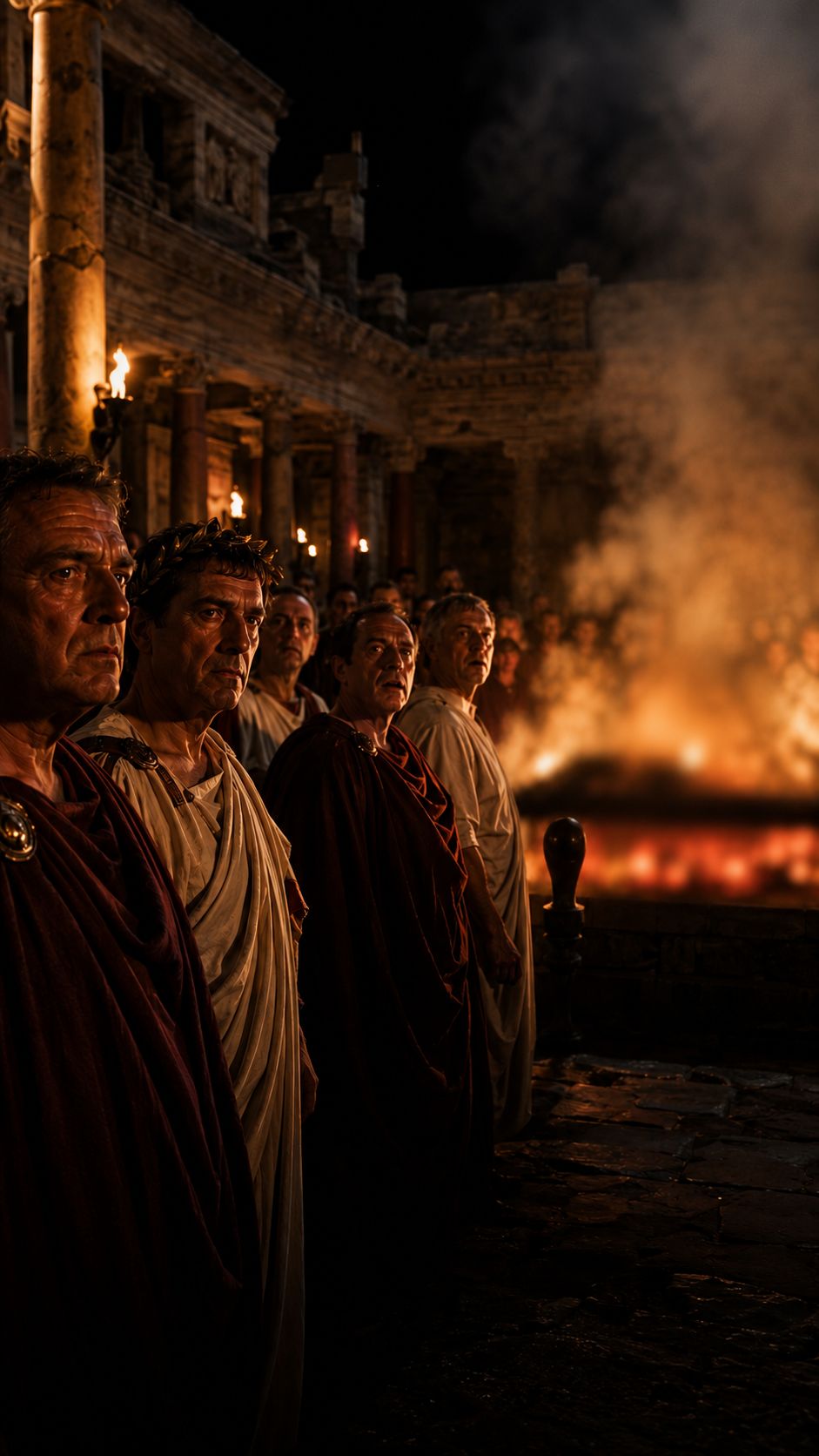 The Black Day Rome Never Forgot
A broken diplomatic mission brought a Gallic warband to the gates of Rome, and the city that never lost anything watched itself burn.
Rome, Italy · 390 BC · same site
 The Emperor Who Fought As A Gladiator For Fun
Gladiator showed him as a scheming villain — the real emperor clubbed amputees to death and billed the treasury for it.
Rome, Italy · 192 · same site