
The Vestal Virgins were chosen as children — usually before the age of ten — from Rome’s highest‑born families. They served for thirty years. They tended the sacred flame of Vesta, which was believed to protect the city. They swore a vow of chastity. Breaking it was not treated as a private sin. It was treated as treason against Rome.
The problem was the punishment. A Vestal’s body was sacrosanct: her blood could not lawfully be shed. Roman law also forbade burying the dead within the city walls. How do you execute someone you are forbidden to kill, in a city where you cannot bury them?
Rome found a way.
The Horror
A condemned Vestal was first stripped of her symbols of office, flogged, and dressed in funeral clothing. She was placed in a closed litter and carried through the Forum in a procession that looked exactly like a funeral — mourners, cleared streets, solemn silence — while she was still alive.
Outside the walls, near the Colline Gate, lay the Campus Sceleratus — the “Field of Wickedness”. There, an underground chamber was prepared. Inside it were placed a small amount of food and drink: some bread, water, perhaps milk and oil, and a single lit lamp.
She was led or lowered down into this chamber. The entrance was then sealed with earth and stone. Officially, the Romans could now say they had not killed her. They had simply confined her in “a habitable room” with provisions and left her fate to the gods. A room, not a grave. Provisions, not a sentence. A “natural” death, not an execution.
The legal fiction was total. And it was maintained for centuries.
Pliny the Younger records the execution of Cornelia, chief Vestal under Emperor Domitian, in 91 CE. Pliny believed she was innocent, condemned only because Domitian wished to appear severe. As she was being lowered, her dress caught on the ladder. She turned to free it. Even at the edge of the pit she kept her composure and cried out: “Does Caesar think I am unchaste, when he has conquered and triumphed while I have been performing the sacred rites?” No one answered. The earth was heaped over the entrance.
The man accused as her lover — or whoever was named alongside her — did not receive any legal fiction. He was publicly flogged to death in the Forum.
Across the thousand‑year history of the Vestal priesthood, ancient authors record only around ten Vestals ever being subjected to this burial. The machinery was used rarely. Its existence — and the fear of it — did most of the work.
The Modern Relic
The House of the Vestal Virgins still stands as ruins in the Roman Forum: a large courtyard with a long pool, surrounded by the bases of statues that once bore the names and honours of senior Vestals. Some statues survive, their faces worn, their names still legible. You can walk through it today.
The Campus Sceleratus is now lost under modern streets, estimated to lie near where Via Goito meets Via XX Settembre in central Rome — an ordinary crossroads of traffic and apartment blocks. There is no marker, no memorial, no visible trace of the underground chambers where girls and women were sealed up to satisfy the law’s conscience. The “rooms with provisions” are still underground. The house where the Vestals lived is the part Rome has chosen to remember.
Nearby on the Dark Atlas
 The Chieftain Who Surrendered To Save His People
The Gallic leader who nearly beat Caesar rode out to surrender rather than let his starving people die, and spent six years dying slowly in a Roman prison.
Rome, Italy · 46 BC · same site
 The King Left To Starve Beneath Rome
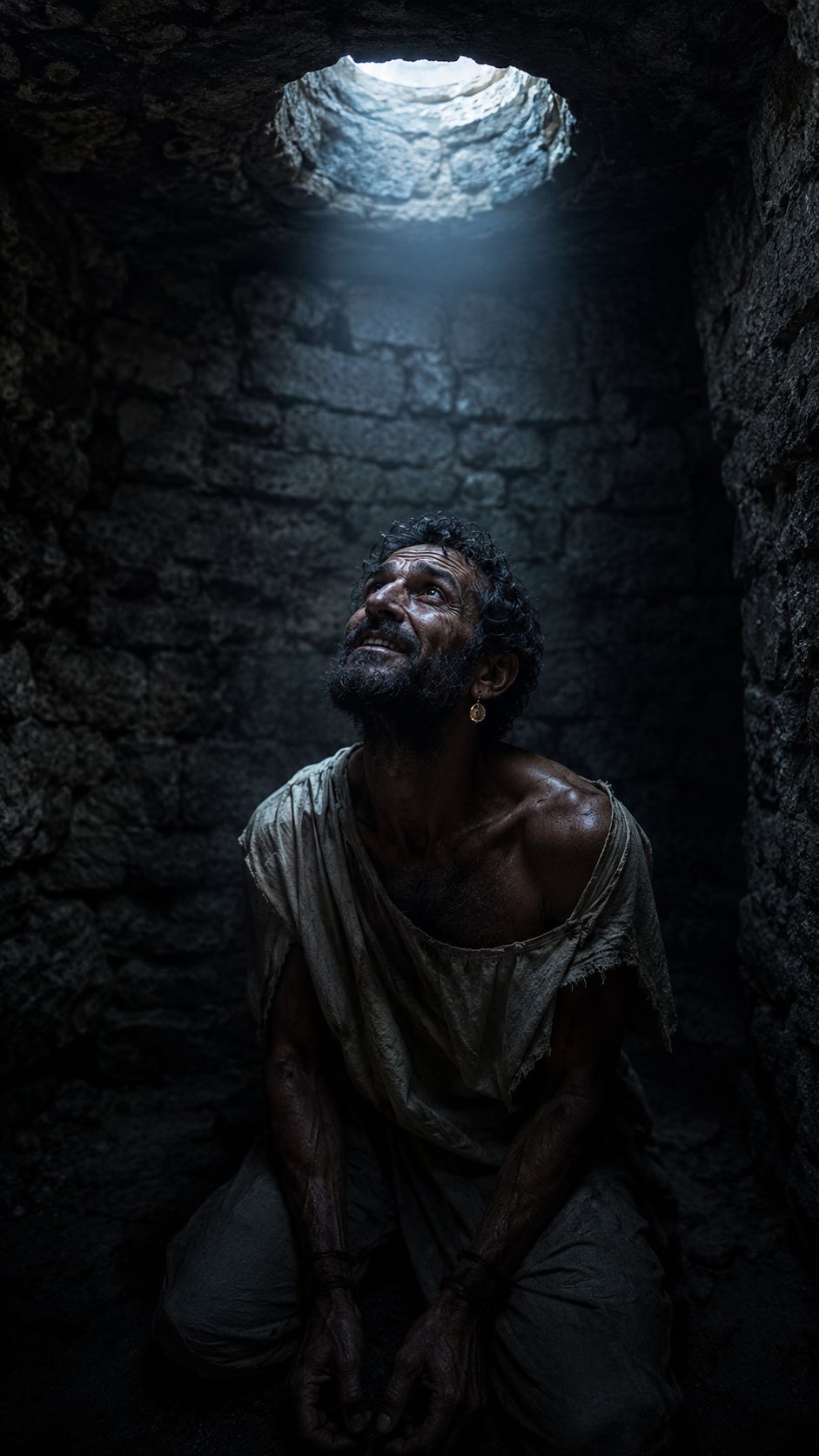
A Numidian king who beat Rome with bribery for years was finally stripped naked and left to starve in a pit.
Rome, Italy · 104 BC · same site
 The Black Day Rome Never Forgot
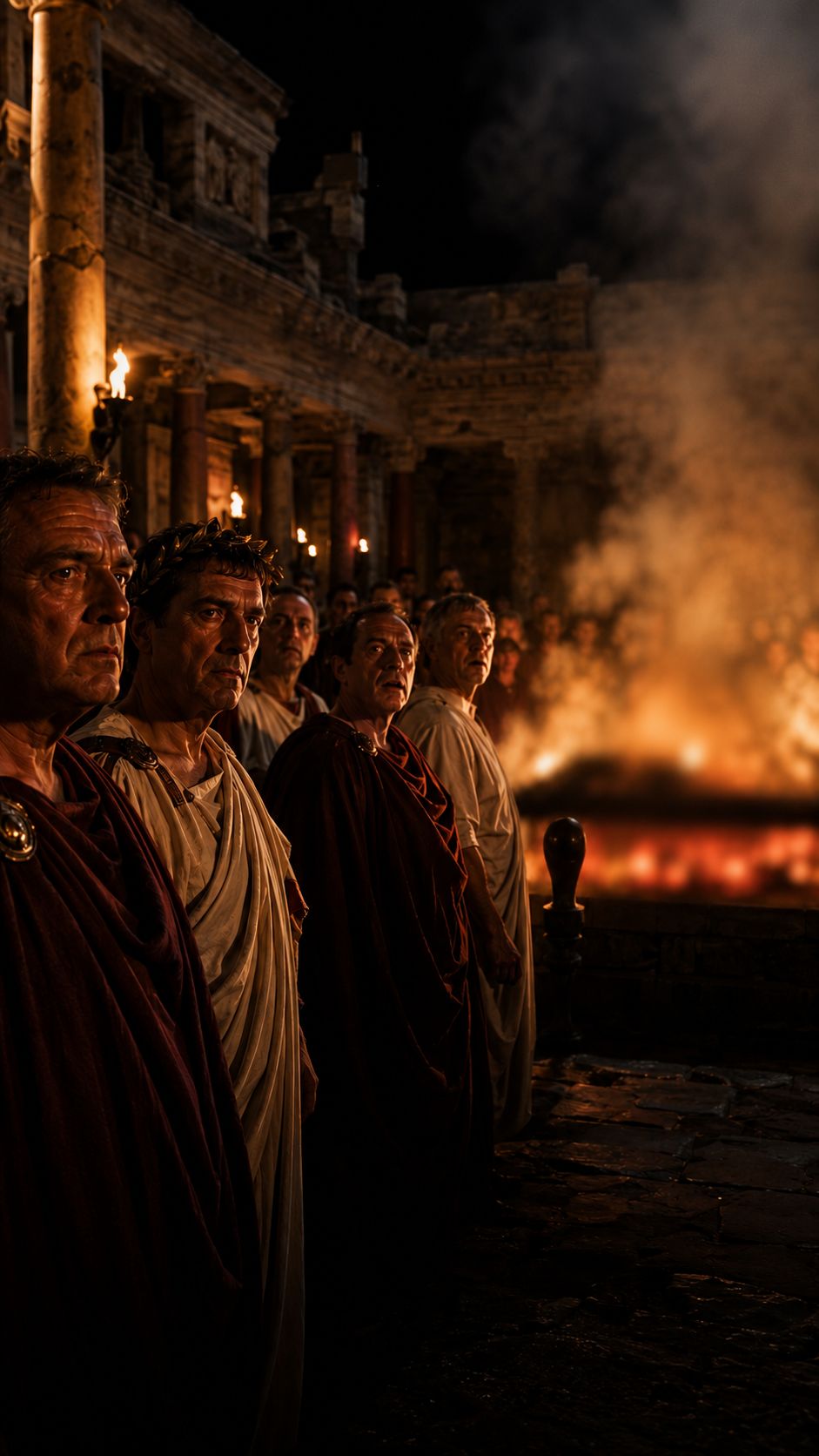
A broken diplomatic mission brought a Gallic warband to the gates of Rome, and the city that never lost anything watched itself burn.
Rome, Italy · 390 BC · same site
 The Emperor Who Fought As A Gladiator For Fun
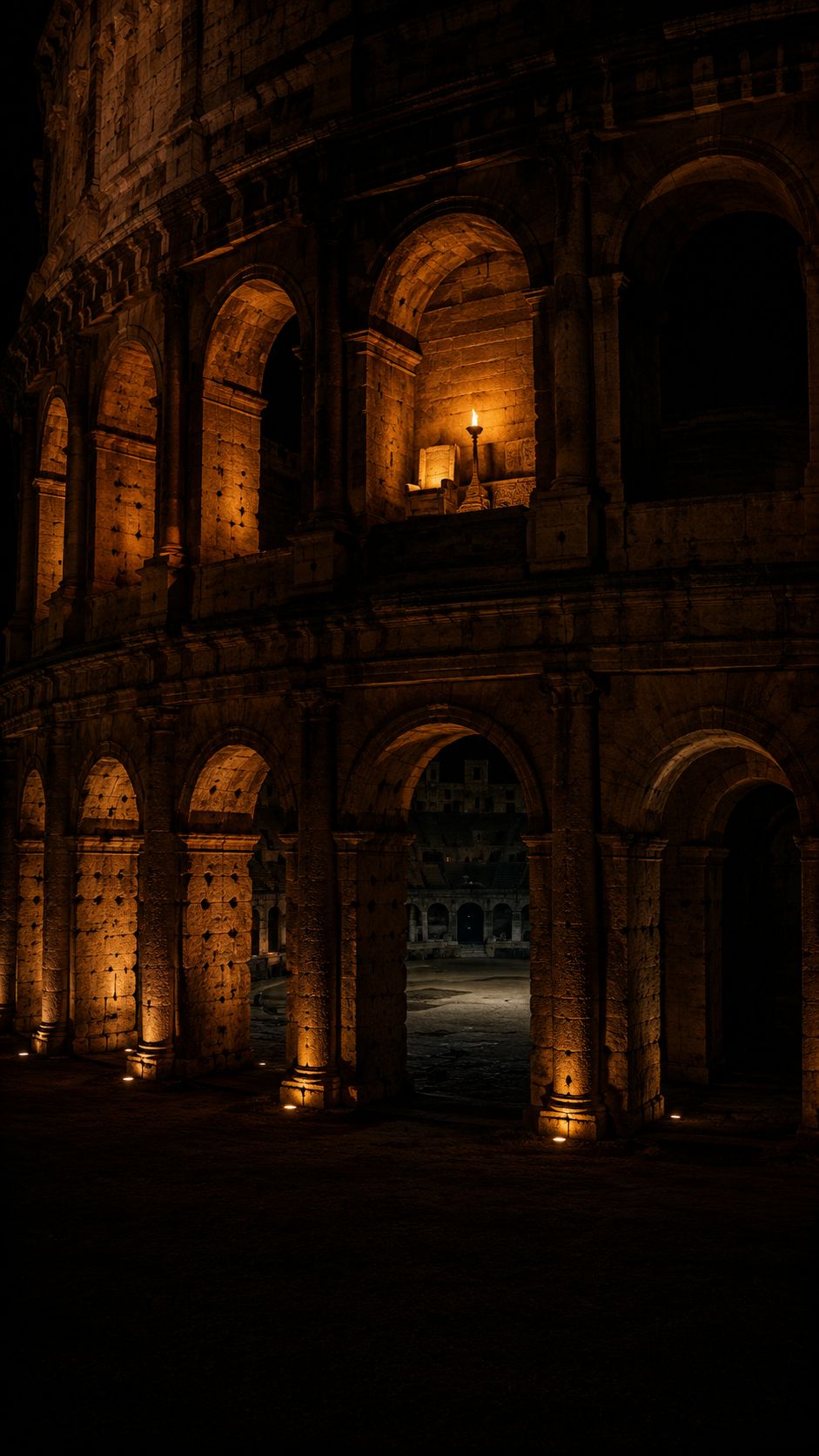
Gladiator showed him as a scheming villain — the real emperor clubbed amputees to death and billed the treasury for it.
Rome, Italy · 192 · same site