
William Kemmler was a vegetable peddler from Buffalo, New York, who in 1889 murdered his common-law wife Tillie Ziegler with a hatchet. He was convicted and sentenced to death — and he became the unwitting test subject in one of the most gruesome experiments in criminal justice history. The State of New York had just become the first place on Earth to replace hanging with electrocution, convinced by the era’s electrical pioneers that it would be a humane, instantaneous killer. Kemmler was chosen to prove it.
Kemmler was not a sympathetic man. He had killed Tillie in a drunken rage, confessed freely, and told people he was willing to hang for it. But the law had changed, and on 6 August 1890, he was led into the death chamber at Auburn Prison to become the first person in history to die in an electric chair. The apparatus was primitive: a wooden chair, leather straps, electrodes attached to his head and spine. Roughly two dozen official witnesses crowded into a small basement room to watch — doctors, lawyers, reporters, and officials.
THE HORROR The first jolt of electricity surged through Kemmler’s body for seventeen seconds. His body convulsed, his face contorted, and he went rigid. The doctors pronounced him dead. But as the witnesses began to relax, someone screamed. Kemmler was still breathing, his chest heaving, foam at his mouth. “Great God, he is alive!” someone shouted. The order went out to restore the current immediately, but the generator needed time to recharge — witnesses waited roughly two agonizing minutes while Kemmler groaned in the chair. When the second jolt came, doctors’ own official report says it lasted just over a minute, though it was enough: smoke curled up from his back, and witnesses said the smell of burning flesh and singed hair filled the room. Blood vessels beneath his skin had ruptured. The New York Times reported that “an awful odor began to permeate the death chamber,” and that the flesh around the electrodes was visibly singeing. George Westinghouse, the rival of Edison who had opposed electrocution, reportedly said afterward: “They would have done better using an axe.”
Kemmler was finally dead — but the argument over what had been done to him lasted for years. From the first jolt to the moment he was declared dead, the whole execution had taken about eight minutes. The “humane” method of execution had visibly tortured a man in front of a room of witnesses. The attending physicians insisted the first shock had already killed him and that he’d felt nothing after; critics said the exact opposite. Either way, William Kemmler had suffered one of the most publicised botched deaths in American history.
THE MODERN RELIC The relic isn’t really Auburn — it’s the system Kemmler’s death accidentally built. Auburn Correctional Facility still stands in upstate New York and remains an active prison today, but New York abandoned it as an execution site almost immediately. Within a year, the state had moved its electric chair to Sing Sing Prison, which went on to carry out 614 electrocutions, including Julius and Ethel Rosenberg, before New York’s last execution in 1963. The state didn’t formally abolish the death penalty until 2007. Kemmler’s chair is long gone, but the debate he ignited hasn’t fully ended: electrocution is still a legal method of execution in several American states today, mostly as a backup to lethal injection. His death proved that electricity was never the clean, scientific mercy its promoters promised. It was simply a different kind of fire.
Nearby on the Dark Atlas
 The Massacre Behind The Last Of The Mohicans
A famous novel turned it into a simple tale of savagery — the truth is a tangled web of broken promises and desperate people.
Lake George, United States · 1757 · 238 km away
- The Letter That Caught a Child Killer
Ten years after murdering a child, he mailed her mother a letter describing it in detail, and it caught him within days.
Sing Sing Prison, Ossining, United States · 1936 · 297 km away
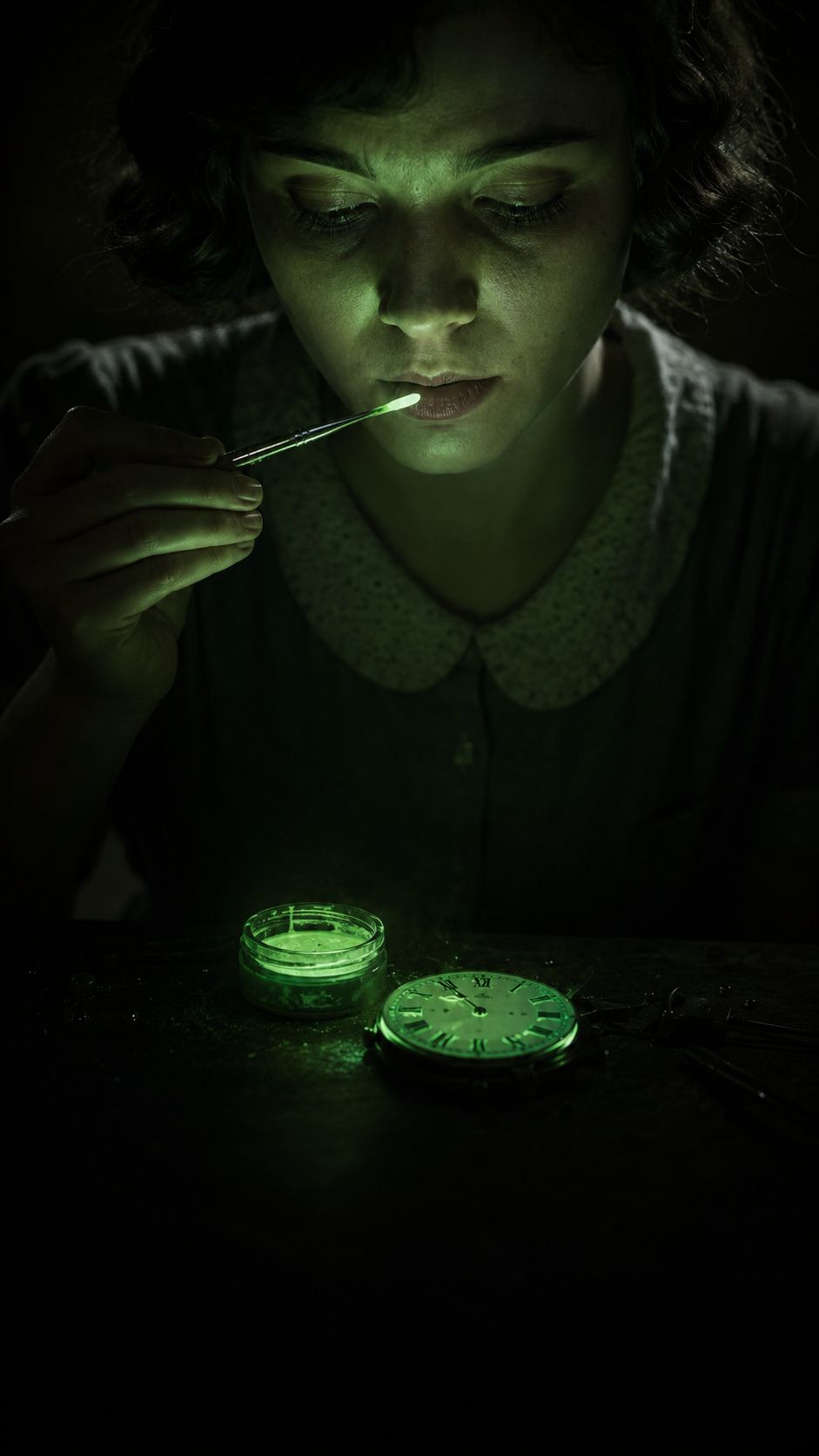 The Dial Painter Whose Bones Still Glowed
A false diagnosis blamed her death on syphilis — the truth was the radium paint she'd been told to point with her lips.
Orange, New Jersey, United States · 1922 · 308 km away
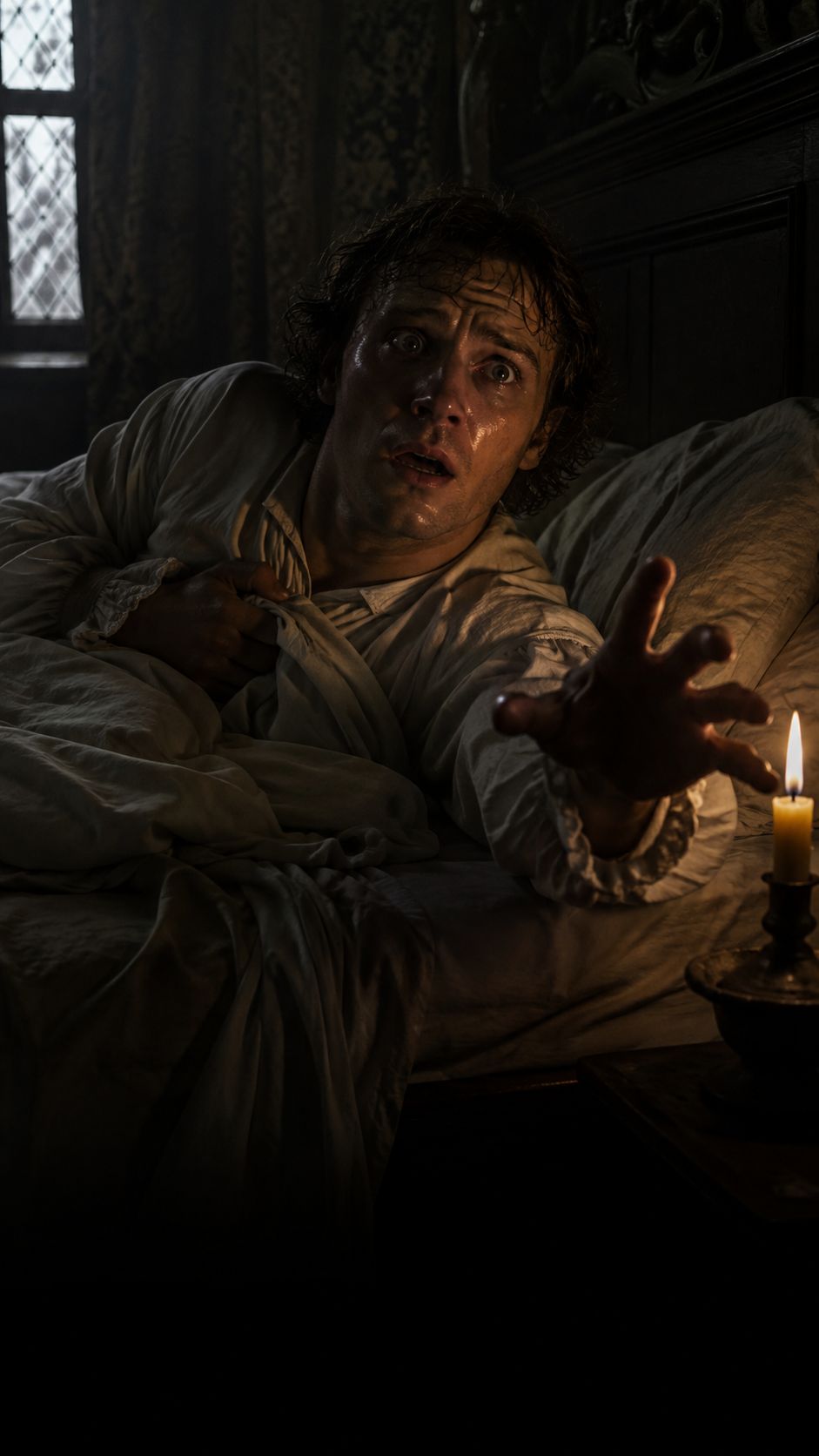 The Real Story Behind Saved By The Bell
The bell-string coffin myth is fake, but the Victorian fear of being buried alive was real enough to spawn actual escape coffins.
Newark, New Jersey, United States · 1868 · 315 km away