The rebel factions turned a royal betrayal into a grueling, fast-paced public dismantling of absolute monarchical power. 🏰⛈️
By the end of the 14th century, King Richard II had completely alienated his most powerful barons through years of erratic rule and heavy taxation. His cousin, Henry Bolingbroke, secretly returned from exile and raised a massive, silent army of defected knights. They knew that if they gave the king time to rally his loyalist forces, England would be plunged into a brutal, protracted civil war.
The Horror
The strike was carried out with terrifying, silent precision under the cover of a massive storm. Waiting until the castle bells struck midnight, thousands of armored rebel soldiers quietly scaled the outer walls of Flint Castle, systematically overwhelming the royal sentries without sounding a single alarm.
Suddenly, the heavy oak doors of the king’s private chambers were violently splintered inward. Before Richard could even reach for his ceremonial sword, heavily armored hands grabbed him by his silk sleeping tunic, pinning him to the stone floor.
Instead of treating him with royal deference, the guards forced a heavy, dark canvas sack over his head to blindfold him, dragging him barefoot down the winding stone spiral staircase and out into the freezing midnight rain. He was thrown onto a small, mangy horse and marched through the mud toward London like a common thief, forced to listen to the cheers of his own former subjects who lined the dark roads. The fast-paced, unscripted humiliation was a deliberate psychological weapon, designed to break the king’s spirit completely before he ever reached a courtroom to abdicate his throne.
The Modern Relic
You can stand directly inside the historic ruins where this terrifying dynamic unfolded by visiting Flint Castle in North Wales. While the ancient stone towers are now a quiet heritage site overlooking the estuary, walking through the narrow, vaulted doorways reminds you of the exact, chaotic space where a medieval king’s absolute authority was violently shattered in a matter of minutes.
Nearby on the Dark Atlas
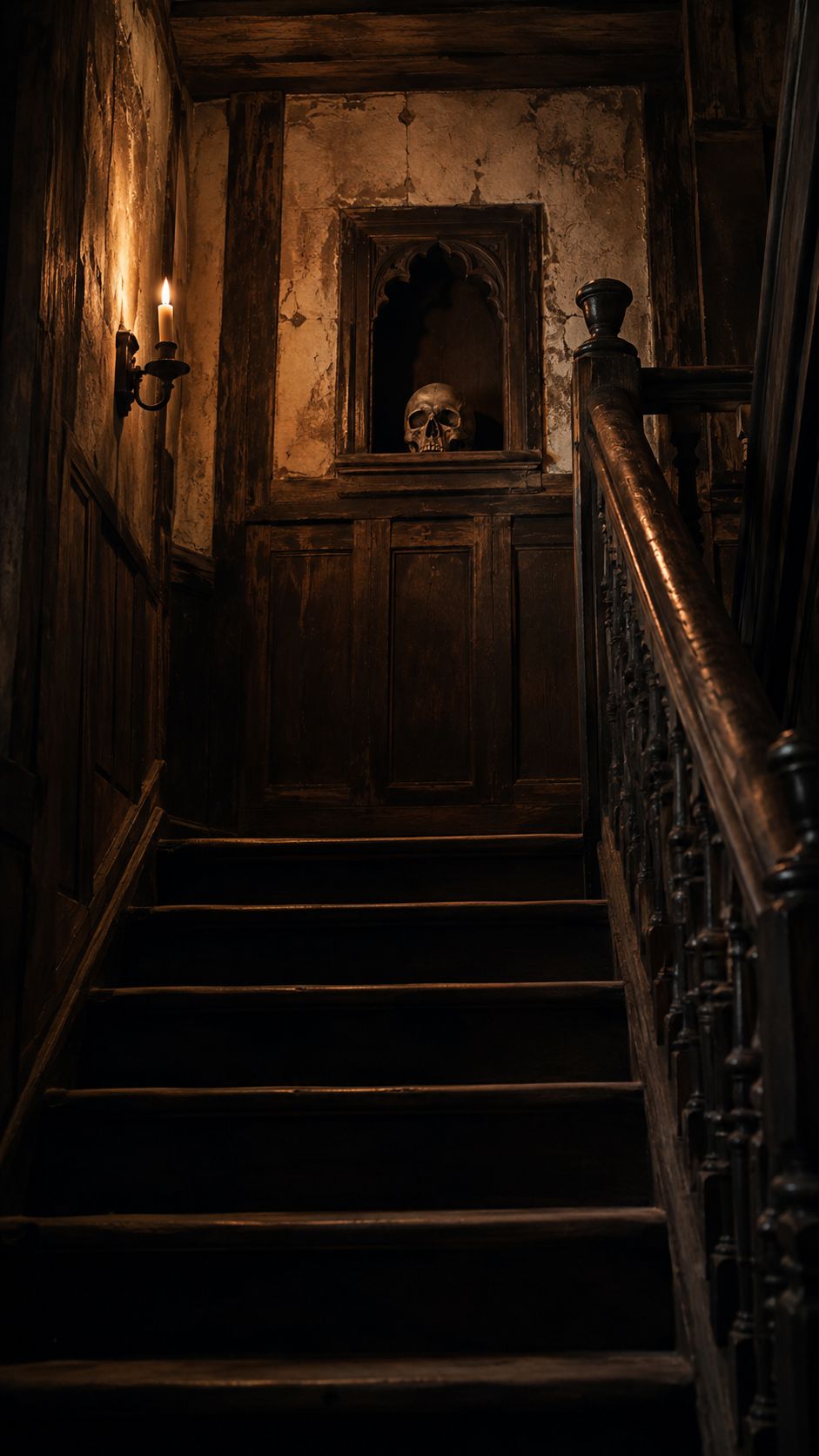 England's Screaming Skulls That Refuse To Leave
In old English houses, real human skulls are kept in niches and boxes because of one shared fear: remove them, and disaster follows.
Wardley Hall, Greater Manchester, United Kingdom · 1600 · 59 km away
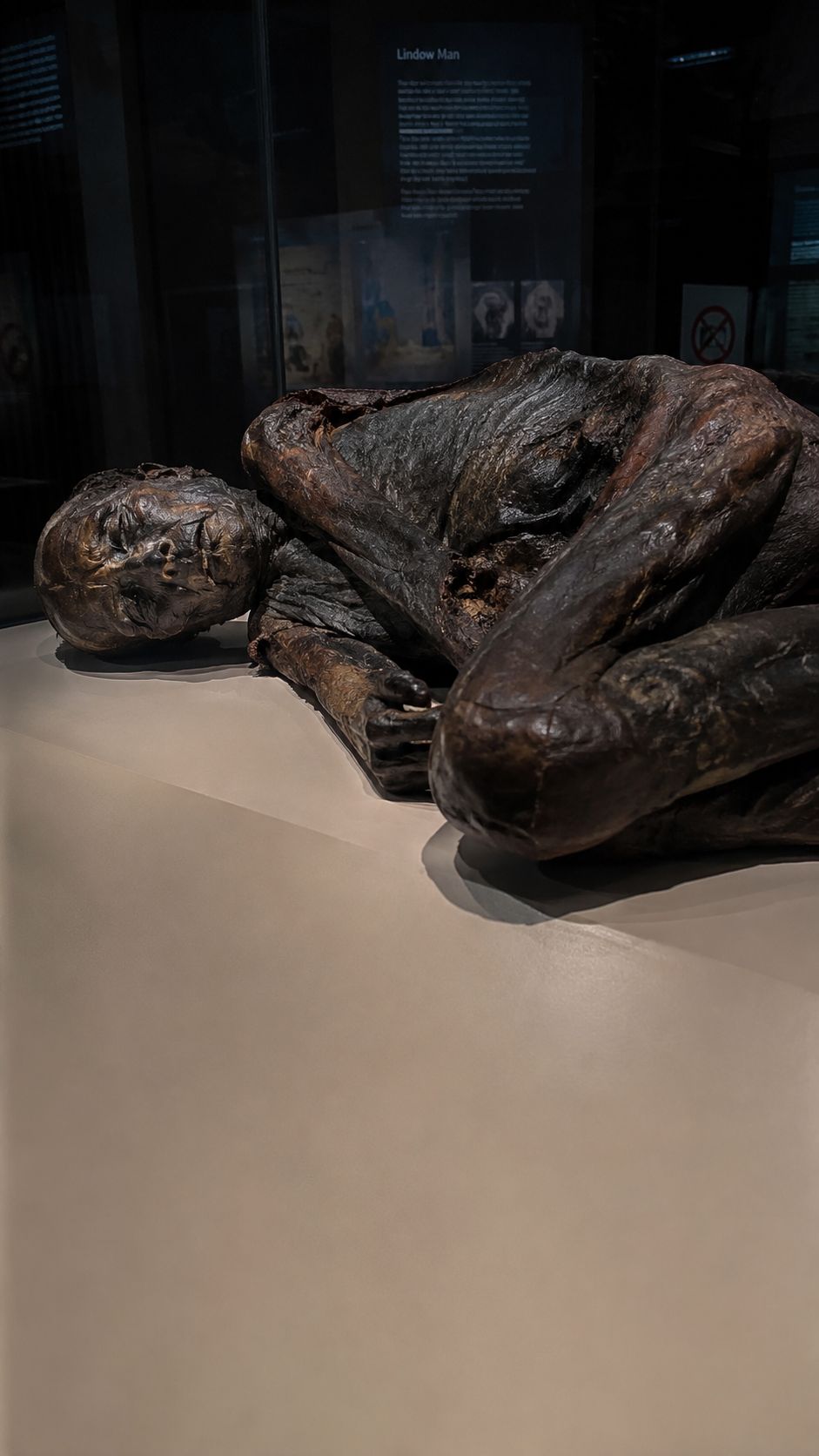 The Bog Body With Three Ways To Die
A 2,000-year-old body pulled from a Cheshire bog bore a smashed skull, a garrotte, and a slit throat.
Lindow Moss, Wilmslow, United Kingdom · 60 · 60 km away
 The Man Who Saved Britain And Was Destroyed By It
The mathematician who shortened the war was systematically destroyed by the country he had saved, and his death still isn't fully explained.
Wilmslow, United Kingdom · 1954 · 61 km away
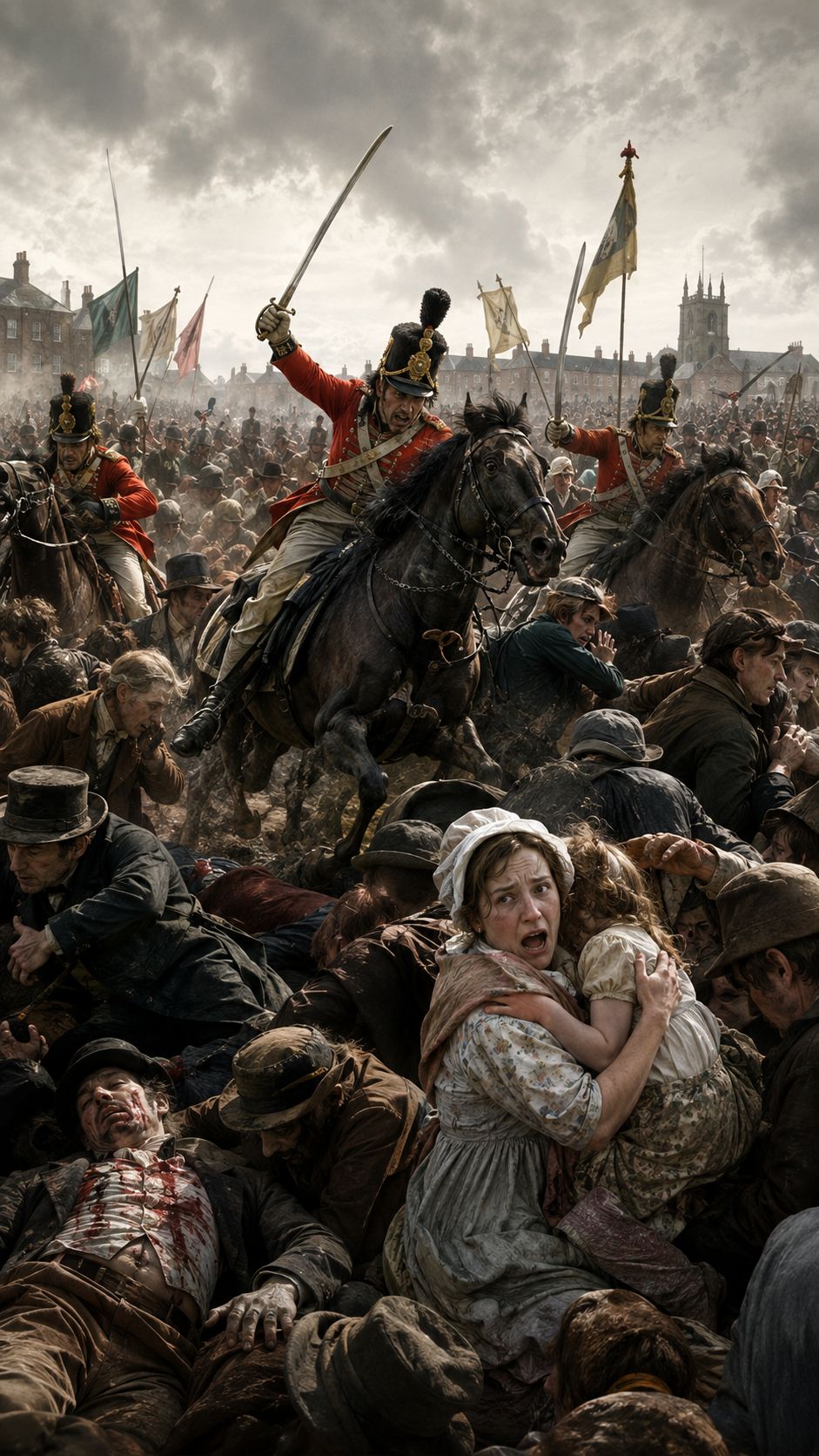 The Law Behind Reading The Riot Act
A phrase for a stern telling-off was once the legal warning before cavalry charged a crowd with sabres drawn.
Manchester, United Kingdom · 1819 · 64 km away