
They literally strapped his wrists and ankles to opposite wooden rollers and forced him to listen to his own joints pop out of place in complete darkness. In 1604, a specialized craftsman named John de Critz was suspected of passing hidden palace blueprints to political conspirators. The royal interrogators didn’t use blades; instead, they took him deep beneath the stone foundations to the grand rack. The psychological genius of the torture relied on a ruthless, slow progression: the jailers didn’t pull the levers all at once, but rather turned the wooden handles exactly one notch every twenty minutes. The slow-motion tension stretched the muscles and tendons to their absolute physical limits, leaving the prisoner fully conscious to experience the agonizing micro-tears of his own body before any confession was ever written.
Interesting Fact The use of the rack was so legally restricted in England that it required a special royal warrant signed directly by the King’s Privy Council. To hide the physical evidence of this torture from the public courts, jailers used specialized leather bindings lined with soft wool, ensuring the device left no external bruises or scars on the skin while completely tearing the internal ligaments apart.
Nearby on the Dark Atlas
 Fourteen Years in the Tower for His Bloodline
Locked away as a boy for the crime of his birth, he emerged so isolated he could no longer recognize an animal.
Tower of London, London, United Kingdom · 1499 · same site
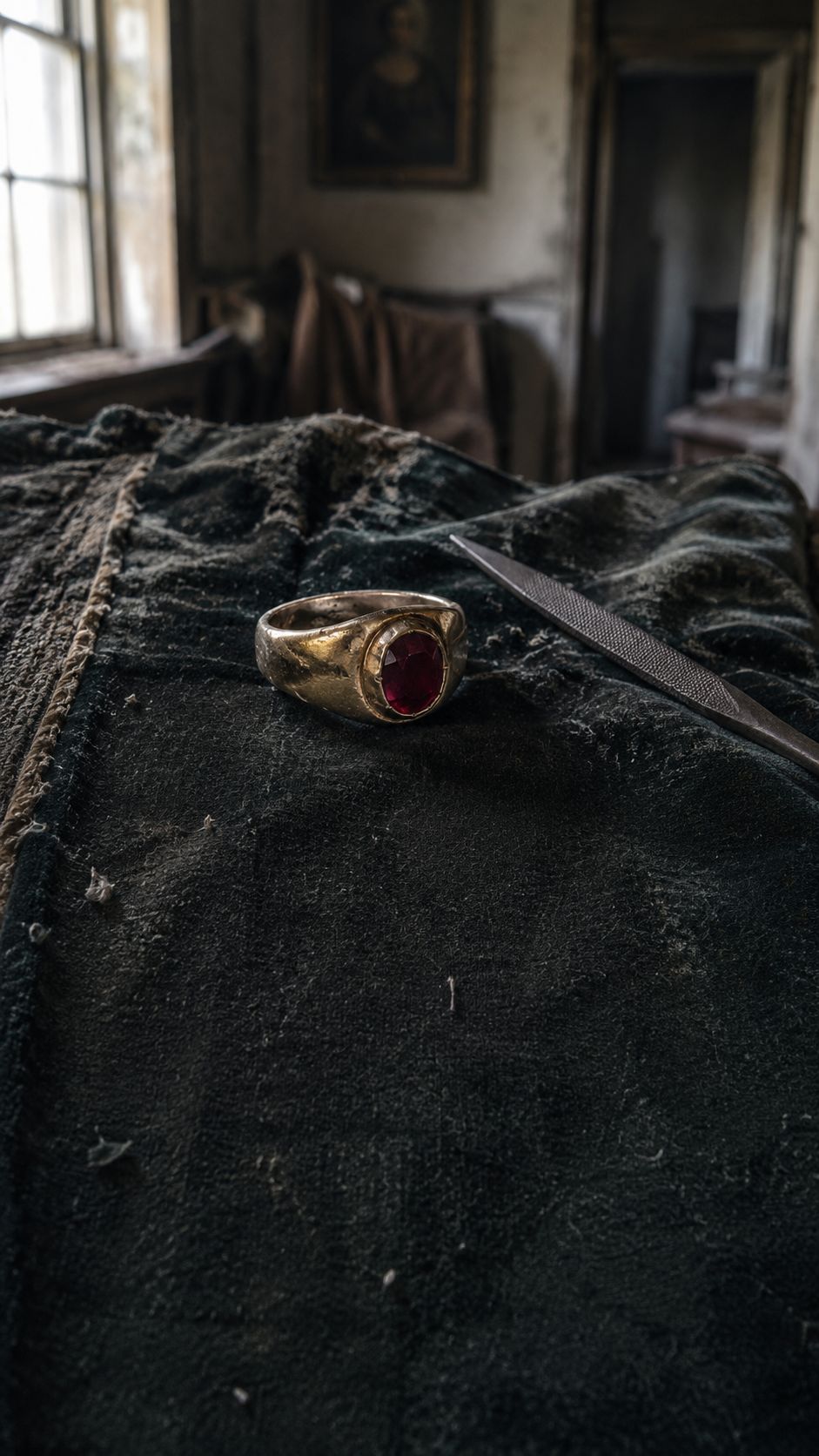 Poisoned in the Tower Over a Marriage
Imprisoned on a diplomatic post designed to fail, he died slowly of a poison that took months to finish the job.
Tower of London, London, United Kingdom · 1613 · same site
 The Archbishop's Head That Still Survives
A raging mob hacked the Archbishop of Canterbury to death, and his mummified head still sits in a Suffolk church today.
London, United Kingdom · 1381 · same site
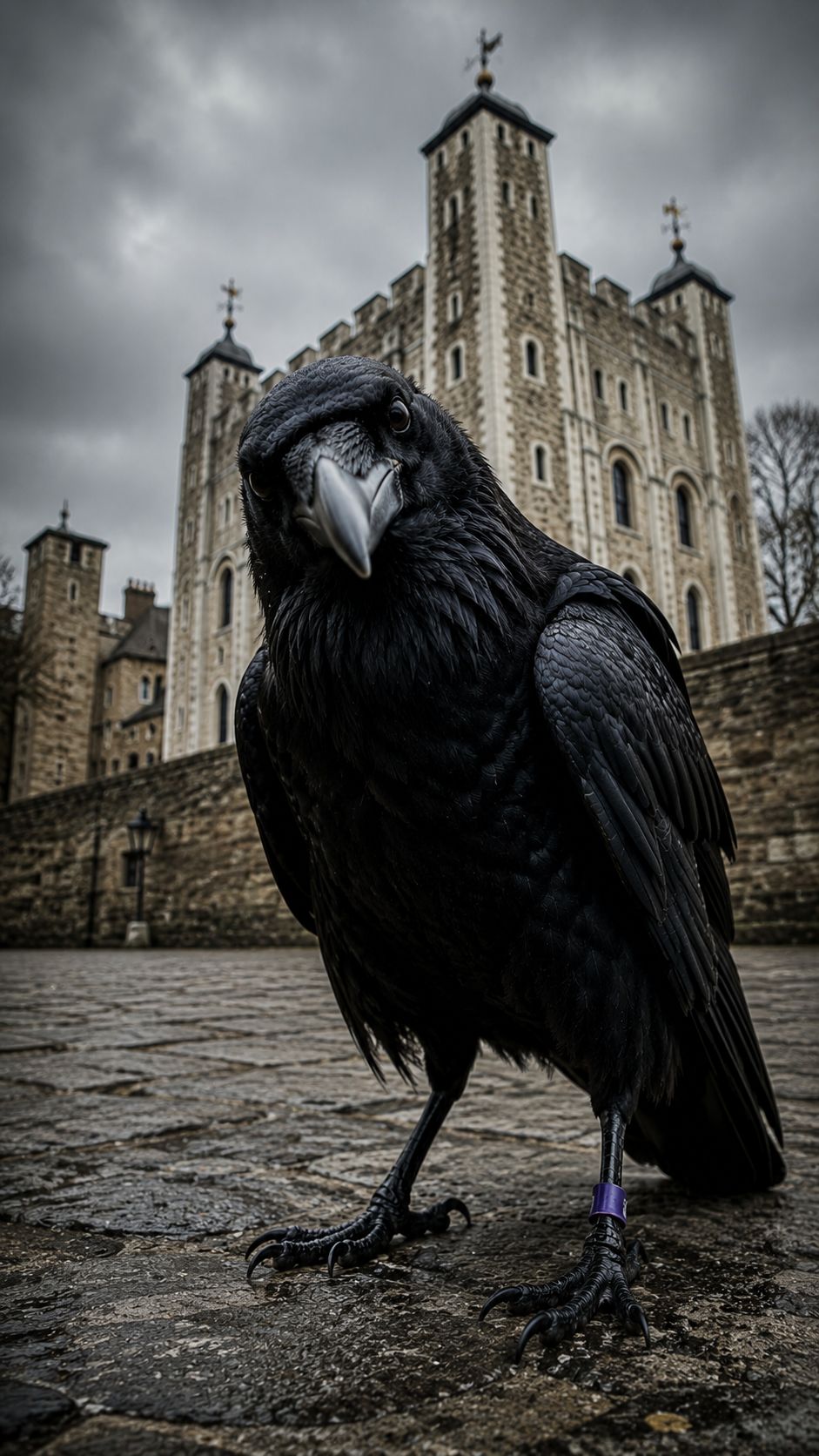 The Birds Whose Wings Are Clipped Forever
Legend says England falls the day these birds leave the Tower, so their flight feathers are trimmed to make sure they never can.
Tower of London, London, United Kingdom · 1600 · same site