At 8:15 a.m. on 6th August 1945, an atomic bomb detonated about 600 metres above the city of Hiroshima. The temperature at the hypocenter reached an estimated 6,000°C — roughly the surface temperature of the sun.
The flash lasted less than a second. In that fraction of time, everything within a certain radius was either destroyed or permanently altered. Steel softened and warped. Roof tiles fused. Granite changed colour.
And people left shadows.
The Horror
The thermal radiation from the blast was so intense that it bleached or scorched every exposed surface — walls, bridges, roads, steps. But where a human body stood or sat between the flash and the surface, that body absorbed the energy for the fraction of a second before it was destroyed. The stone or concrete behind was shielded.
When the body was gone — killed, burned away, erased — the shadow remained.
Not a stain. Not a scorch mark. A silhouette. The precise outline of a human being at the exact moment of the blast — their posture, their position, the angle of their limbs — fixed in stone.
The most famous is the shadow on the steps of the Sumitomo Bank, roughly 260 metres from the hypocenter. Someone had been sitting on the steps, waiting for the bank to open. At 8:15, the bomb detonated. The person was annihilated. The steps behind them were bleached pale by the flash — except where their body had blocked it. A dark human shape remained on the lighter stone.
The person was never identified. They were sitting there. Then they were not. The shadow stayed.
Other shadows were found across the city — on bridges, on walls, on the sides of buildings that remained standing. The circular handle of a valve on a gas tank left its outline. A ladder leaning against a wall left its outline. A person pulling a handcart left a double shadow — the body and the cart together, frozen mid‑stride.
The shadows are not paint. They are not residue. They are the absence of bleaching — the stone’s original colour preserved in the exact shape of the thing, or the person, that shielded it for less than a second. The shadow is not what was added. The shadow is what was not destroyed.
The Modern Relic
The bank steps with the seated shadow were removed from the site in 1971 and installed in the Hiroshima Peace Memorial Museum. Behind glass, under cold museum light, they look like any other worn granite steps — until you see the darker patch. The unmistakable outline of someone sitting, legs slightly apart, leaning forward.
It is not dramatic. It is not stylised. It is simply the posture of a person waiting for a bank to open on a Monday morning who had less than a second between being alive and becoming a mark in stone.
The museum receives well over a million visitors a year. Many of them stand in front of the steps and look down at the shadow. They are looking at the last trace of a person whose name is unknown, whose face is unknown, whose life is unknown — but whose exact posture at 8:15 a.m. on 6th August 1945 is preserved in granite with more permanence than most monuments.
The person is gone. The shadow has been there for 81 years. The stone will outlast almost everything except the question: who were they?
Nearby on the Dark Atlas
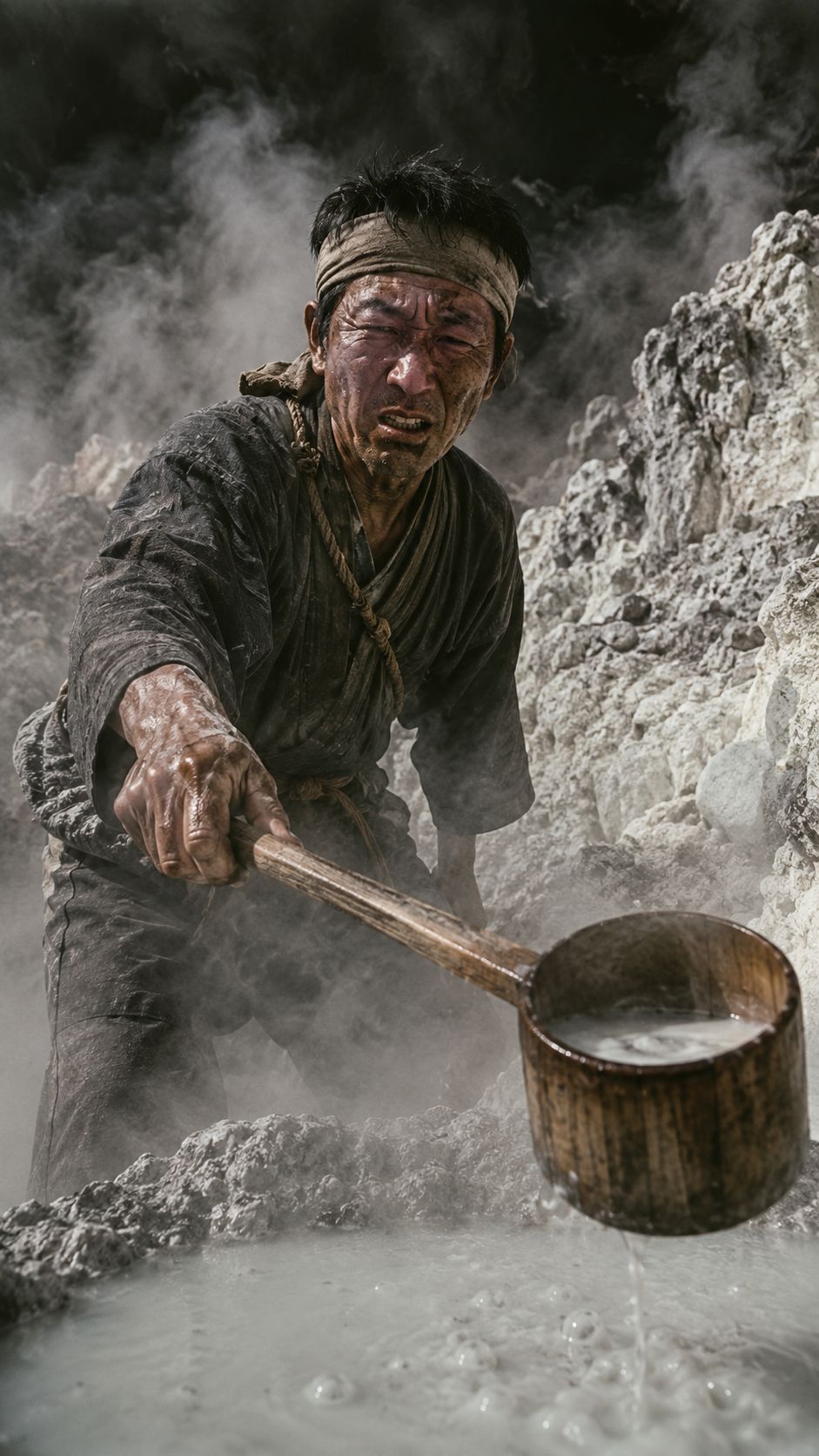 Boiled Alive on Unzen's Sulfur Mountain
Christians who refused to trample a holy image were stripped and doused with boiling spring water on a steaming mountain.
Unzen, Japan · 1630 · 272 km away
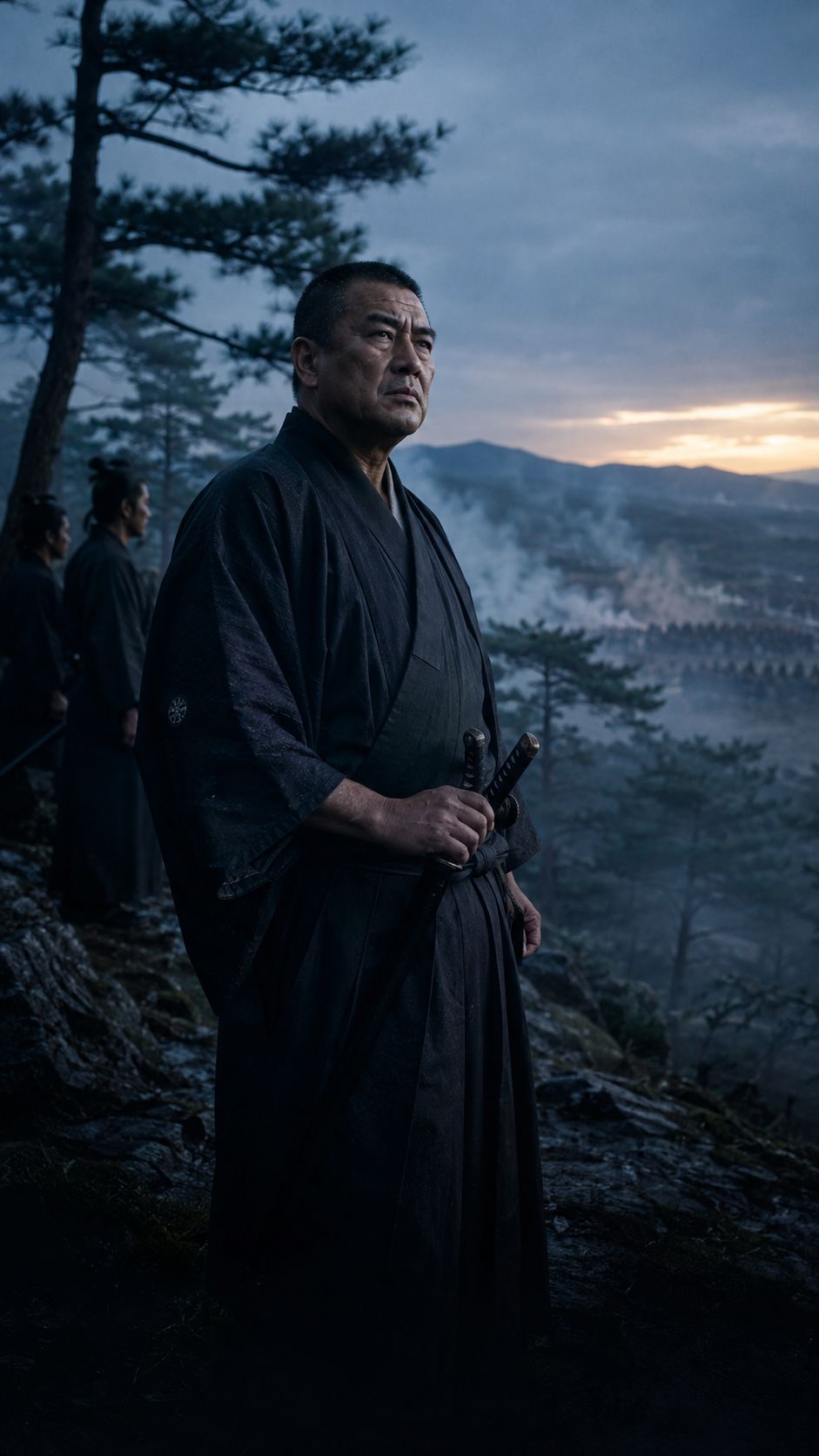 The Real Last Samurai's Tragic Rebellion
The man who helped build modern Japan died a rebel, destroyed by the very nation he created.
Kagoshima, Japan · 1877 · 357 km away
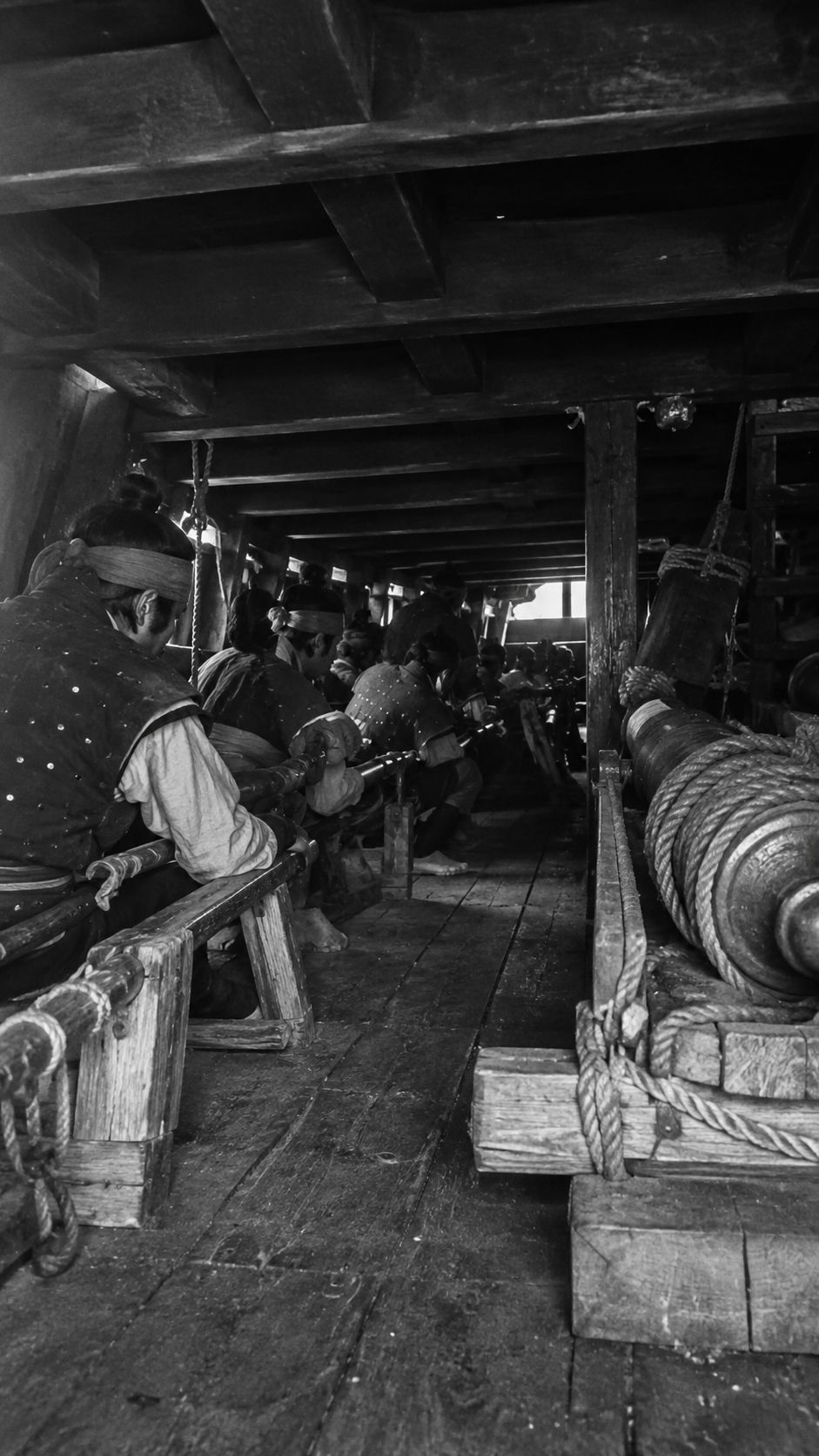 The Crane's Wing That Crushed a Fleet
A decoy fleet lured Japanese warships into open water, straight into a U-shaped trap that sealed their fate.
Hansan Island, South Korea · 1592 · 365 km away
 The Samurai Who Tested Swords On Strangers
Japanese swordsmen once tested new blades by cutting down unsuspecting passersby at night, until the shogunate finally banned it.
Edo, Japan · 1602 · 670 km away